July 2, 2024
By Brian Johnson, Building Biologist and Licensed General Contractor
9 Benefits of Circadian Lighting: Inspired Technology to Help You Live Better


What Is Circadian Lighting?
Circadian lighting is a new technology that can light your home. Optimize your sleep, recovery, and hormone production with natural lighting in your home.
True circadian lighting is distinct from merely color-tunable lights and is important for enhancing health, well-being, and productivity.
At Senergy360, we believe in recreating an environment in which humans should live. That includes the lighting that supports our bodies and healthy lives.
This is why we use circadian lighting in our homes, and it is highlighted in the Sanctuary House.
Circadian lighting is believed to help regulate sleep patterns, improve mood, and enhance overall health and well-being.
The Science Behind Circadian Lighting
The science behind circadian lighting is based on the fact that our bodies have an internal clock that is regulated by light and dark cycles.
When we are exposed to bright light in the morning, it signals our bodies to wake up and start the day. As the day progresses, the light becomes less intense and eventually fades into darkness, which signals our bodies to prepare for sleep.
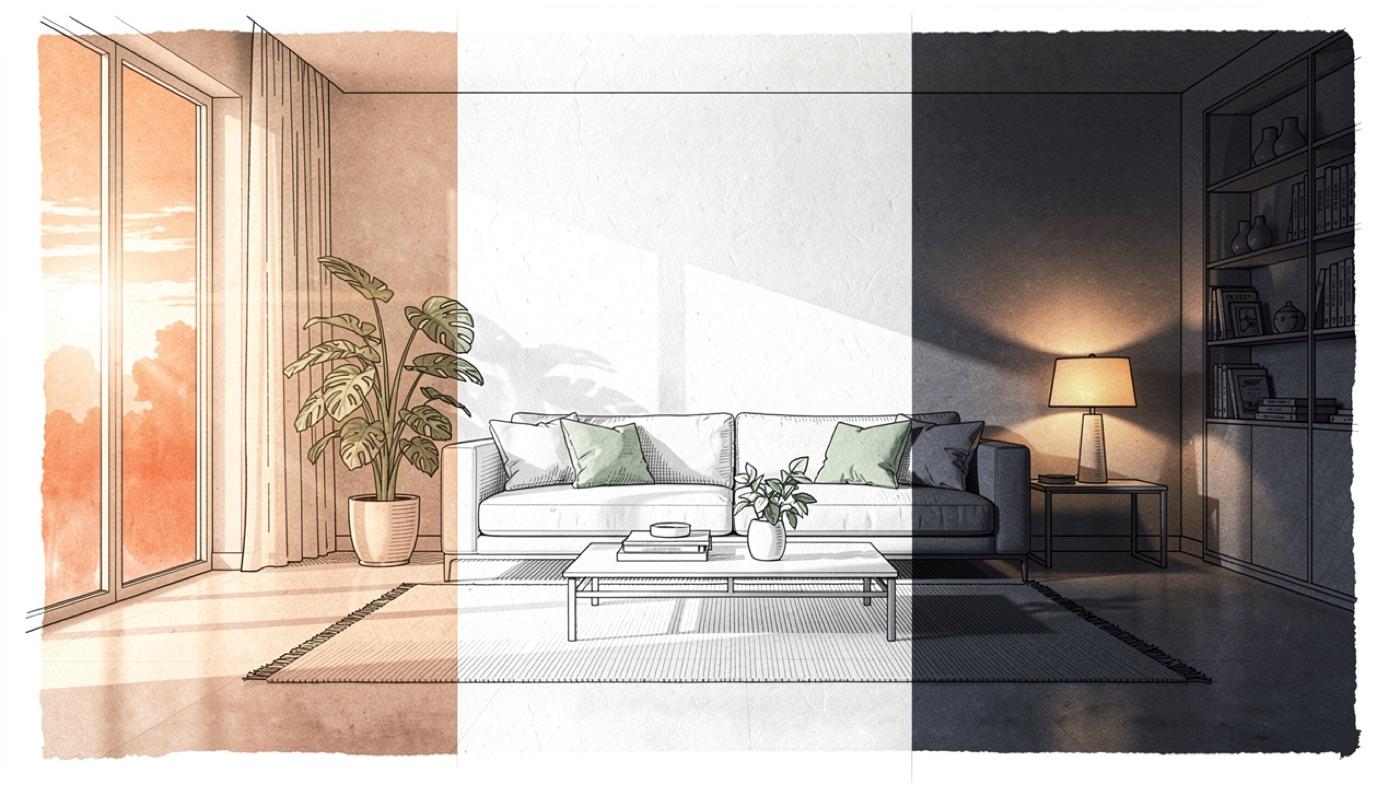
Circadian lighting systems aim to replicate these natural patterns by adjusting the intensity and color of light throughout the day. By doing so, they can help regulate our sleep-wake cycles and improve our overall health and well-being.
Circadian lighting refers to using electric light to support human health by minimizing its impact on the circadian rhythm.
The circadian system is a 24-hour internal clock regulating various bodily functions, including sleep-wake cycles.
Circadian lighting aims to provide a strong daytime signal in the morning and eliminate it at night, helping people maintain a natural sleep schedule, even in environments with limited natural light.
By mimicking the natural progression of daylight, circadian lighting helps align our internal clocks with the external environment, promoting better sleep, mood, and overall well-being.
How Circadian Lighting Works
Circadian lighting works by sending signals to the master clock in the brain, telling our bodies when it is daytime and when it is night and what functions to perform at various times of the day. A healthy circadian rhythm is associated with improved long-term health and helps promote better sleep at night. Circadian lighting systems can be implemented using three electric light approaches: intensity tuning, color tuning, and stimulus tuning. Our post on the science of light and human health goes deeper into how light affects the body.
Understanding Your Circadian Rhythm
Your body's natural clock, also known as the biological clock, regulates your sleep-wake cycle, hormone production, and other bodily functions.
The biological clock is located in the suprachiasmatic nucleus (SCN) in the brain's hypothalamus region. It is sensitive to light and darkness and uses this information to regulate circadian rhythms.
Circadian rhythms are physical, mental, and behavioral changes that follow a 24-hour cycle. They affect sleep-wake cycles, hormone production, body temperature, and other bodily functions. In humans, the circadian rhythm is regulated by the biological clock in the SCN.
Circadian rhythms are influenced by external factors such as light and darkness, temperature, and social cues.
Light and dark have the biggest influence on circadian rhythms, but food intake, stress, physical activity, social environment, and temperature also affect them.
The same NIH fact sheet explains that the SCN controls production of the hormone melatonin based on the amount of light the eyes receive, and that in the evening the master clock tells the brain to make more melatonin, causing sleepiness.
Light is the most important external factor that affects your circadian rhythms.
Exposure to bright light in the morning helps to reset your biological clock, while exposure to dim light in the evening helps to prepare your body for sleep.
Studies have shown that disruption of circadian rhythms can lead to a variety of health problems, including sleep disorders, mood disorders, and metabolic disorders.
Therefore, it is vital to maintain a regular sleep-wake cycle and to expose yourself to bright light in the morning and dim light in the evening to help regulate your circadian rhythms.
Understanding circadian rhythms is essential for maintaining good health and well-being. Following a regular sleep-wake cycle and exposing yourself to appropriate light levels can help regulate your circadian rhythms and improve your overall health.
Principles of Circadian Lighting
Light Quality
Light quality refers to the spectral composition of light. Circadian lighting should mimic the natural spectrum, rich in blue light in the morning and gradually shift to warmer tones in the evening.
This is why we use high-quality circadian lighting systems with LEDs with a high color rendering index (CRI) to ensure that colors appear natural and vibrant.
Light Intensity
Light intensity refers to the amount of light emitted by a light source. Circadian lighting should be high enough to stimulate the circadian system but not so high that it disrupts sleep.
A controlled dimming system can adjust light intensity throughout the day, aligning with natural light patterns to promote human health and well-being. This system transitions from lower to higher intensity and back to lower levels as daylight cycles change.
Color Temperature
Color temperature refers to the perceived warmth or coolness of light. Circadian lighting systems should be able to adjust the color temperature of the light to mimic the natural changes in daylight throughout the day.
In the morning, the light should be more remarkable, with a color temperature of around 5000K, while in the evening, it should be warmer, with a color temperature of around 2700 K.
Timing
The timing of light exposure is critical for regulating the circadian system. Circadian lighting should be timed to provide the appropriate light exposure at the right time of day.
Bright, cool light in the morning can help regulate the circadian system and improve alertness. The warm, dim light in the evening can help prepare the body for sleep.
By following these principles of circadian lighting, you can create a lighting environment that supports your natural circadian rhythm and promotes better health and well-being.
Blue Light and Circadian Health
Blue light, a high-energy visible (HEV) light with a wavelength of around 400-450 nanometers, can hurt human health, particularly when it disrupts the natural light-dark cycle.
Prolonged exposure to blue light in the evening can suppress melatonin production, leading to difficulty falling asleep and other sleep-related problems.
Harvard Health Publishing's article Blue light has a dark side reports that while light of any kind can suppress melatonin, blue light at night does so more powerfully. In one Harvard experiment, blue light suppressed melatonin for about twice as long as green light of comparable brightness. The article's practical suggestions are simple:
- Use dim red lights for night lights
- Avoid bright screens for two to three hours before bed
- Get plenty of bright light during the day
Circadian lighting systems can help mitigate these effects by providing a more natural light environment and reducing blue light exposure in the evening.
By incorporating lighting that reduces blue light in the evening and increases it in the morning, circadian lighting systems help maintain a healthy sleep-wake cycle, promoting better sleep and overall circadian health.
Benefits of Circadian Lighting
Better Sleep
Circadian lighting has been shown to improve sleep quality by regulating the body's natural sleep-wake cycle.
Studies have shown that exposure to blue light, which is present in natural daylight, can suppress the production of melatonin, a hormone that regulates sleep.
By gradually reducing the amount of blue light in the evening, circadian lighting can help promote melatonin production, leading to better sleep.
Mood and Performance
Circadian lighting can also positively impact mood and performance. By providing the appropriate type and intensity of light at the right time, circadian lighting can help regulate your body's natural rhythms, leading to increased alertness and productivity during the day.
Studies have shown that circadian lighting can also have a positive impact on mood, reducing symptoms of depression and anxiety. This is particularly beneficial for those who spend a lot of time indoors or in environments with poor lighting.
Circadian Lighting at Home and at Work
Circadian lighting has become increasingly popular in residential settings due to its ability to mimic natural light and regulate sleep patterns.
By adjusting the color temperature and intensity of light throughout the day, circadian lighting can help improve your mood, energy levels, and overall well-being.
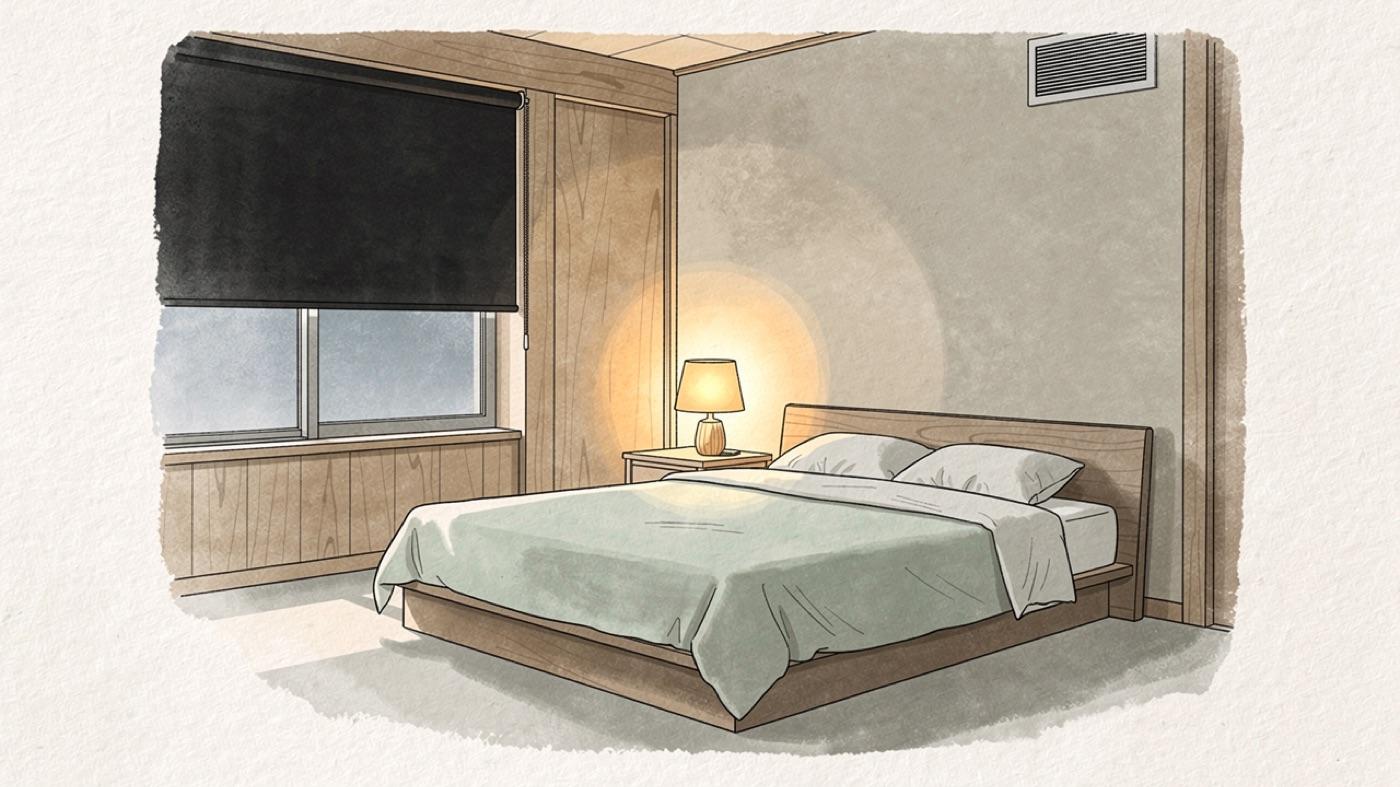
Installing circadian lighting in your bedroom can help regulate your sleep patterns and improve your quality of sleep. By using warmer, dimmer light in the evening and brighter, cooler light in the morning, you can help reset your body's natural clock and wake up feeling refreshed. Lighting is one of several home construction factors that impact sleep quality.
Circadian lighting is also being implemented in workplaces to improve employee productivity and well-being. By providing employees with lighting that mimics natural light, workplaces can help regulate circadian rhythms and improve mood and energy levels.
The Future of Circadian Lighting
As awareness grows around how lighting impacts sleep, mood, and overall well-being, circadian lighting is becoming increasingly popular, especially in homes. People are beginning to realize that lighting isn't just functional; it can be a powerful wellness tool.
While early adoption was driven by commercial settings, residential interest is now catching up. As technology improves and prices come down, these systems are becoming more accessible and easier to install. Daylight matters too, which is why solar gain and shadow modeling matter at the design stage.
In short, the future of circadian lighting is bright. With growing interest in health-focused living, more people are turning to lighting that supports their body's natural rhythm. Despite a few challenges, the long-term benefits (better sleep, more energy, and improved mood) make it a worthwhile investment for both homes and businesses alike.
Circadian lighting is a core part of the lighting system in our 12 CORE Principles for Healthy Building Design, designed into every SENERGY360 home.