February 8, 2025
By Brian Johnson, Building Biologist and Licensed General Contractor
Top 7 Ways Moisture Management: The Foundation of a Healthy Home

Moisture management is a critical component of healthy home construction, as it directly affects not only the integrity of the building but also the health of its occupants.
Excess moisture can lead to mold growth, structural damage, and respiratory issues. Emphasizing moisture control aligns with sustainable or green building practices, creating environments prioritizing health and longevity.
What Is Moisture Management
Moisture management involves controlling the amount of humidity present within a home to prevent detrimental effects.
Effective moisture management is beneficial and essential; it safeguards against water-related problems that can compromise air quality and lead to costly repairs. Thus, understanding how to manage moisture is pivotal for any homeowner or builder.
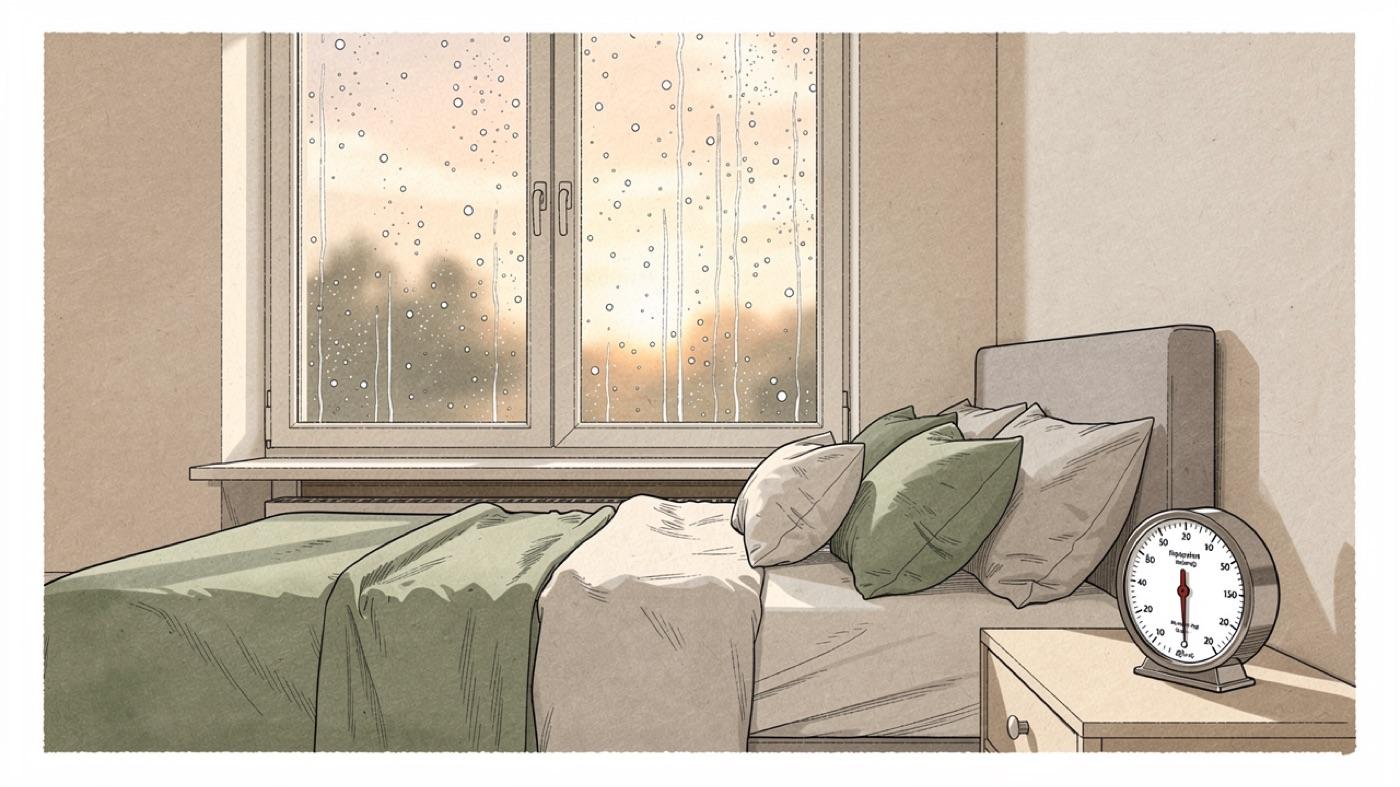
Why dampness itself is the health problem
Most people blame mold for the symptoms of a damp house. The science says the picture is bigger than mold. Bacteria, amoebae and other single-celled organisms multiply in the same damp conditions, and together they form what researchers call the microbiome of damp buildings.
Two major reviews reached the same conclusion. The Institute of Medicine's 2004 report, Damp Indoor Spaces and Health, found strong evidence that dampness in housing is associated with adverse health outcomes. It did not find enough evidence to pin those outcomes on mold alone.
Not only is excessive dampness a health problem by itself, it also contributes to several other potentially problematic types of situations.
What the Nordic review found
The NORDDAMP review in 2001 concluded that dampness was correlated with cough, wheeze and asthma. It also linked dampness to respiratory infections, fatigue and headaches. Its authors noted that it was not possible to attribute those outcomes to a single agent such as mold.
That is why the term Non-Specific Building Related Illness exists. The symptoms are real and they track with damp buildings. The exact organism behind each symptom is often unknown, which makes controlling water the only reliable fix.
Identify the Sources of Moisture
Identifying moisture sources is the first step in effective management. Environmental factors such as high rainfall or humidity can dramatically influence indoor moisture levels.
Additionally, building materials themselves, particularly those that are porous or untreated, can absorb moisture. Occupant activities, including cooking, showering, and even indoor plants, contribute significantly to moisture levels within the home.
In practice, the sources we check first fall into three groups:
- Weather: rainfall, humidity and water at the site
- Materials: porous or untreated materials that absorb and hold moisture
- Occupants: cooking, showering, laundry and indoor plants
Our article on what causes mold in a house walks through the moisture sources we find most often.
Site Drainage and Grading
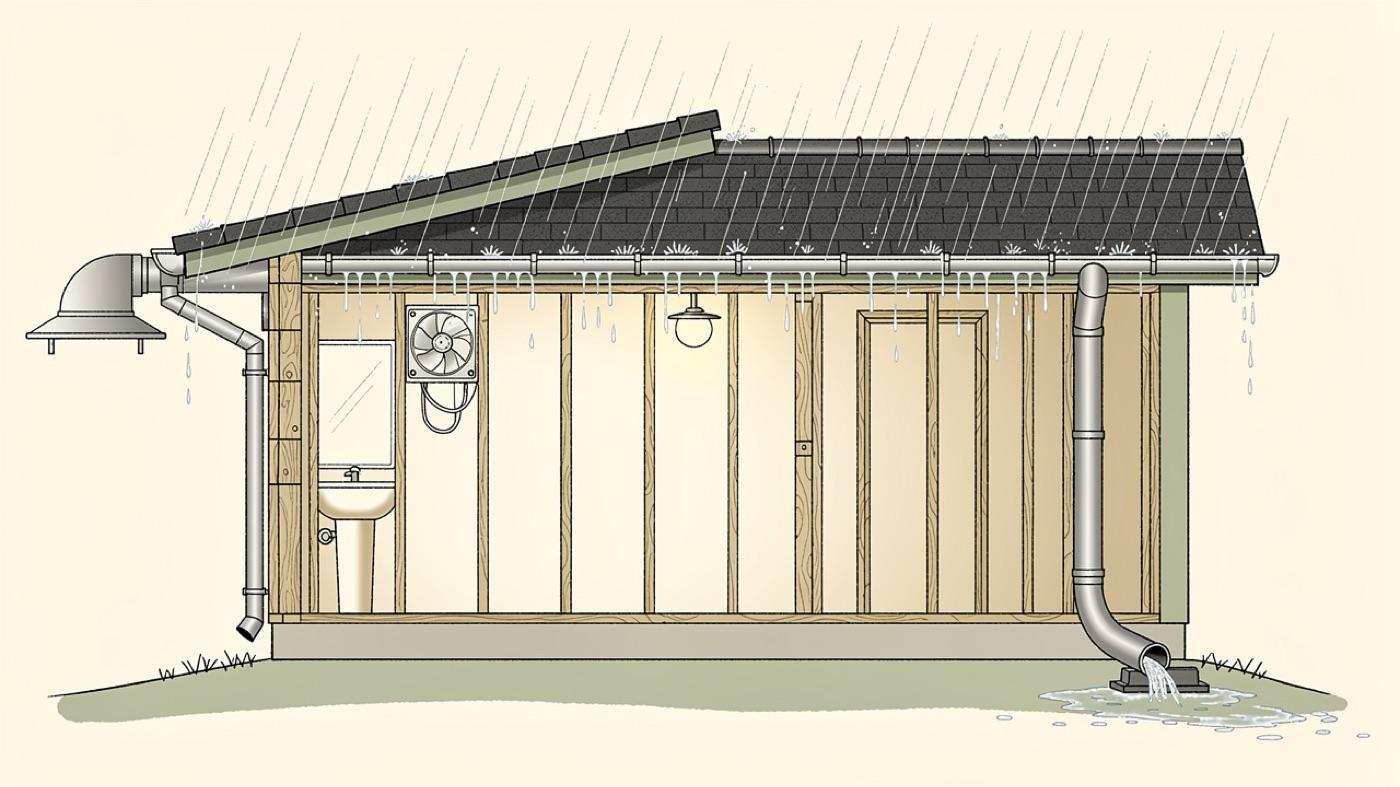
Proper site drainage is important for moisture management. Grading and sloping the land away from the foundation ensures that water does not pool near the structure, reducing the risk of leaks and water damage.
Installing French drains and gutters also plays a vital role in directing water away from the house and maintaining a dry environment.
Ventilation and Air Exchange
A well-designed ventilation system is essential for promoting air exchange and controlling humidity.
Poor ventilation can lead to stale air and moisture buildup, which can foster mold growth and affect indoor air quality.
Mechanical ventilation solutions, such as exhaust fans and whole-house systems, provide consistent airflow and ensure that moisture levels remain balanced.
Vapor Barriers
Vapor barriers are protective layers that prevent moisture from passing through walls and floors. There are various types of vapor barriers, including polyethylene sheeting and specialty paints, each serving a specific purpose.

Applying these barriers during construction or renovation can significantly reduce moisture infiltration, protecting structures from the damaging effects of water vapor. Below the slab, the same idea applies, and our guide to vapor barriers, soil treatment and water management under the slab covers how we detail it.
Moisture-Resistant Building Materials
The choice of building materials greatly impacts moisture management. Materials such as treated wood and mold-resistant drywall are designed to withstand moisture and prevent degradation over time.
By selecting moisture-resistant materials, homeowners can enhance the durability of their homes while reducing the risk of mold growth and structural damage. Our review of mold-resistant drywall looks at what those products can and cannot do.
Regular Maintenance and Inspection
Regular maintenance and inspection of a home's moisture control systems are vital for early identification of potential issues.
Before they escalate, routine checks can help homeowners spot common signs of moisture problems, such as stains or musty odors.
Proactive maintenance ensures that solutions remain effective and helps mitigate costly repairs in the future.

Balancing Indoor Humidity
Balancing indoor humidity levels is essential for overall comfort and health. During dry seasons, humidifiers can add necessary moisture to the air, preventing dry skin and respiratory issues.
In contrast, dehumidifiers are important for damp areas, helping to maintain optimal humidity levels and creating an inhospitable environment for mold and other pests.
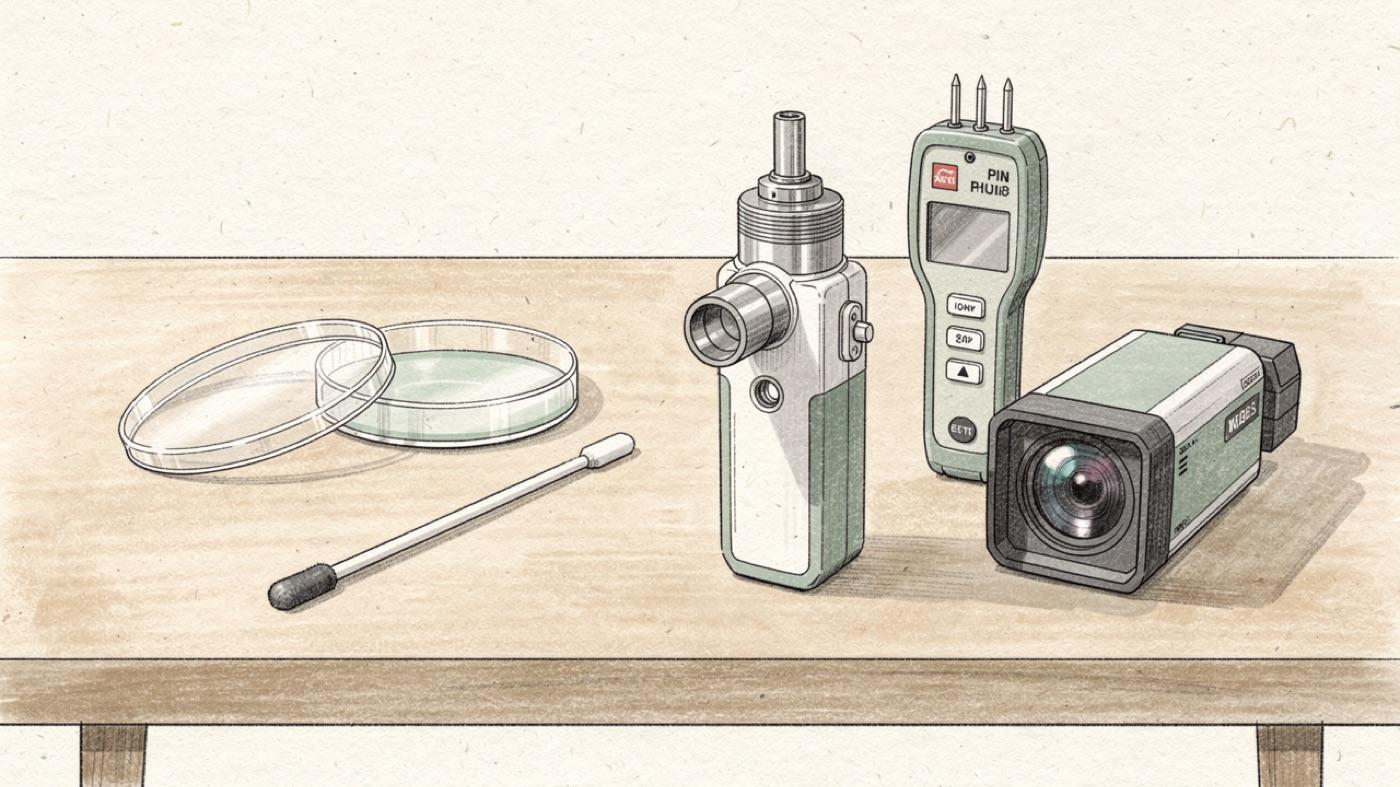
The U.S. EPA's Brief Guide to Mold, Moisture and Your Home recommends keeping indoor relative humidity below 60 percent, ideally between 30 and 50 percent. It notes that humidity can be measured with a small, inexpensive moisture or humidity meter available at many hardware stores.
Landscaping for Moisture Control
Landscaping can significantly influence moisture levels around a home. Choosing the right plants and placing them strategically can help manage water runoff.
Creating moisture barriers with landscaping features such as berms or dry wells can further enhance drainage and protect the home from excess moisture.
Keep water where it belongs
Here is the rule we build and inspect by. Water belongs outside, contained in waterproofed areas, or down a drain. It never belongs in the building materials.
Mold and its damp-building companions need three things to grow: food, water and time. Managing water removes the easiest leg of that stool. The habits below are how you do it.
Dry spills fast and completely
Dry spills quickly and thoroughly when they happen. A wet spot that sits overnight is a wet spot that can start growing. Pull up rugs, open cabinets under sinks and use a fan if you have to. EPA's guidance is that if wet or damp materials are dried within 24 to 48 hours after a leak or spill, in most cases mold will not grow.
Inspect plumbing on a schedule
Carry out regular inspections and maintenance on the plumbing fixtures throughout the house. Supply lines, valve connections, toilet seals and dishwasher hoses fail quietly. Catching a drip early is the cheapest moisture repair there is.
Check the roof and foundation
Make sure the roof and foundation are in good shape with no weak points. Look for wet spots, standing water and condensation. Walk the outside of the house after a hard rain and look at where the water went.
Vent the rooms that make water
Kitchens, bathrooms and laundry rooms generate moisture every day. Each one needs a fan that exhausts to the outdoors, not into an attic or crawl space. Run the fan during the activity and for a while after.
Lower humidity and raise air movement
Manage and reduce the humidity in the air, and increase ventilation to reduce condensation on surfaces. Cold corners and window frames are where vapor turns back into water. Warmer surfaces and drier air keep that from happening.
Maintain the HVAC and its drains
Maintain the HVAC system and make sure its condensate drains flow freely. A clogged drain pan is a hidden pond inside a machine that moves air through every room. Change filters, clear the drain line and check the pan each season.
When it is already too late for prevention
If water has been in the materials long enough for growth to start, the job changes from moisture management to remediation. That is specialized work with its own standards. The industry-accepted standard is the IICRC S520 for mold remediation, alongside the S500 standard for water damage.
Any remediation plan should follow the scientific method. It must include containment, controls, cleaning and then clearance testing to protect workers and occupants and to confirm the job worked. Our post on the healthy building approach to mold remediation walks through that process.
The Foundation of a Healthy Home
Managing moisture is paramount for maintaining a healthy and durable home.
At Senergy360, we specialize in helping homeowners implement effective strategies to keep their living spaces safe, comfortable, and protected from moisture-related issues.
Embracing green building practices not only protects the home but also contributes to a healthier environment, encouraging further research or professional consultation as needed.
Not sure where your home stands? Our Healthy Home Inspection includes the moisture forensics to find out, and for mold we work with Indoor Environmental Professionals and mold professionals. For the day-to-day side, read how to reduce moisture in your house.