March 10, 2025
By Brian Johnson, Building Biologist and Licensed General Contractor
The Truth About Smart Meters: What You Need to Know

Smart meters were introduced in 2007 to allow utility companies to automate meter readings for electricity, gas, and water.
Originally, they operated on a one-way communication system, sending usage data back to the utility.
Over time, they evolved into two-way communication devices, allowing utility companies to remotely collect data and, in some cases, control power usage.
Smart Meters and the Internet of Things
The rise of smart appliances means that in the future, utilities may gain the ability to manage household devices.
While this is marketed as a convenience, it raises concerns about privacy, electromagnetic exposure, and consumer control over their own energy usage.
Smart meters are often associated with the Internet of Things (IoT), a system where devices are interconnected and controlled via wireless networks.

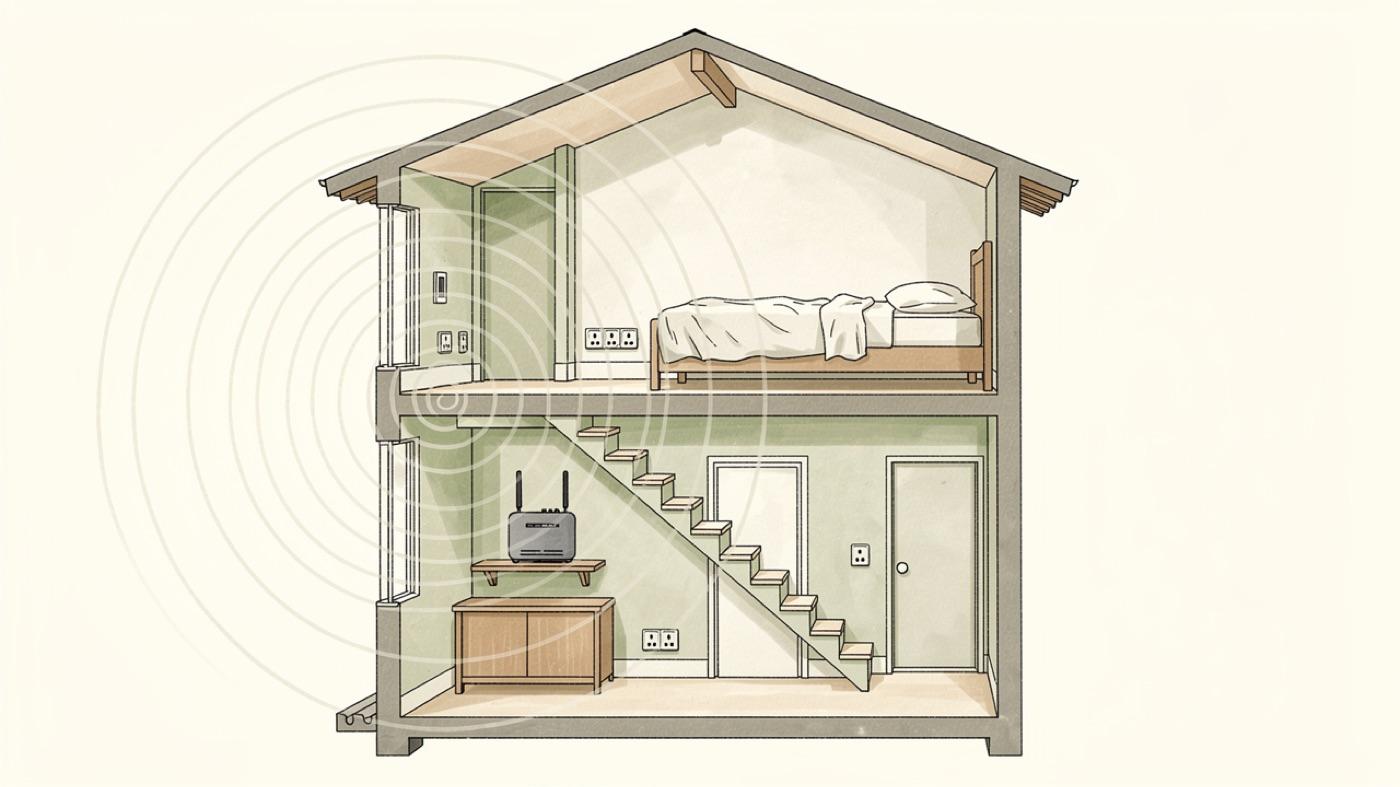
As 5G technology expands, IoT integration will require high-frequency wireless connections, increasing the number of electromagnetic fields (EMFs) present in the home.
Despite these advancements, these meters are unnecessary for implementing renewable energy or smart grid modernization. Instead, they primarily serve to reduce operational costs for utility companies while introducing potential health, security, and privacy concerns for consumers.
RF Radiation From Smart Meters
Smart meters emit high-intensity, pulsed RF radiation that fluctuates based on utility settings and environmental factors. Studies have recorded radiation levels ranging from 3,000 μW/m² to several hundred thousand μW/m², with peak emissions occurring multiple times daily.
- Beacon signals occur every few seconds to maintain network connection.
- Data transmission surges happen 1-4 times per day but release significantly higher radiation levels.
- Even when not actively transmitting, smart meters still emit low-level RF exposure 24/7.
What health agencies say
The National Institute of Environmental Health Sciences, in its overview of electric and magnetic fields, notes that the WHO's International Agency for Research on Cancer has classified radio frequency electromagnetic fields as possibly carcinogenic to humans (Group 2B), based on an increased risk for glioma associated with wireless phone use.
The American Cancer Society's page on smart meters gives the other side. It notes that meters are usually installed on the outside of the home, that walls block some of the radiation, and that the FCC says current evidence does not show that using wireless devices causes cancer or other illnesses. It also says scientists continue to study the possible health effects of RF radiation.

Dirty Electricity and Health Concerns
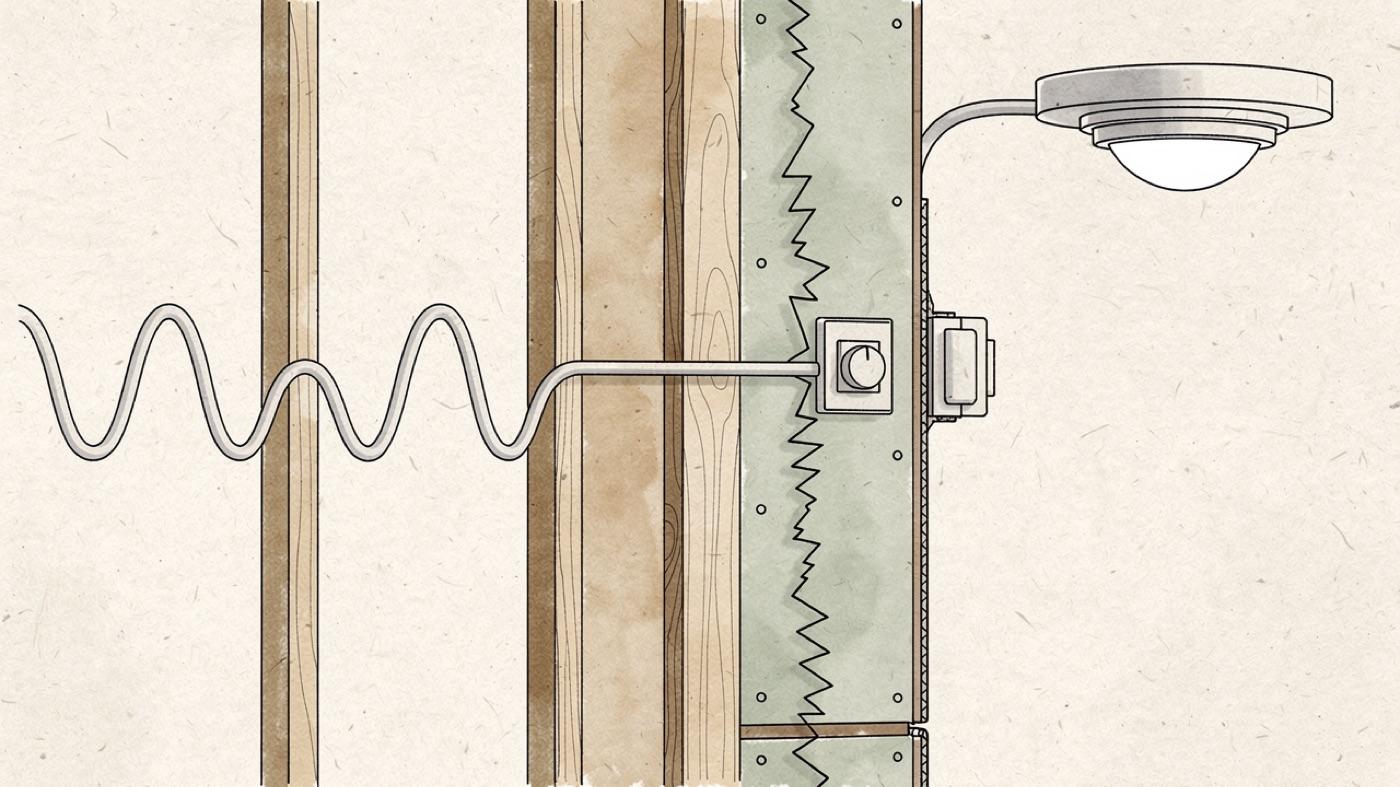
Beyond direct RF exposure, smart meters introduce electrical pollution into the home's wiring system. This results in dirty electricity and high-frequency EMF pollution on household wiring. Our post on what dirty electricity is explains how it is measured.
Shielding a smart meter can sometimes redirect radiation into electrical circuits, making the problem worse.
Some individuals report electromagnetic hypersensitivity (EHS) symptoms immediately after installation, even before RF transmissions begin. We cover the condition in electromagnetic hypersensitivity.
Smart meters have not been shown to improve energy efficiency or reduce costs for consumers.
Long-term effects of high-frequency, pulsed radiation are still under investigation, but evidence suggests cumulative harm to human health and wildlife.
With WiFi, cell towers, 5G, and smart devices, smart meters increase total exposure to EMFs in everyday life.

How to Reduce Smart Meter Exposure
- Many utility companies offer analog meter opt-outs for a fee.
- Use EMF shielding strategies like placing smart meters away from bedrooms or using Marion panels for protection.
- Turn off unnecessary WiFi devices, use wired internet, and incorporate EMF mitigation solutions.
In some places where smart meters are being installed, people have the choice to opt out of having them, but this isn't an option everywhere.
For room-by-room steps, see how to reduce EMF at home and in the bedroom.
The Bigger Picture
Smart meters are not just about automation. They are part of a larger movement toward increased wireless connectivity and data tracking.
While they benefit utility companies, they pose significant consumer concerns regarding health, privacy, and environmental impact.
If avoiding a smart meter is not an option, shielding and smart home design strategies can help minimize exposure and protect your well-being.
If you want hard numbers instead of guesswork, our Healthy Home Inspection measures RF exposure from smart meters and every other source in the home.