August 3, 2024
By Brian Johnson, Building Biologist and Licensed General Contractor
5 Powerful Solutions to Eliminate Why Your House Smells Musty

That smell! You know it right away when you walk through your front door after being away for a few days, and there it is: that stale, damp odor that makes you wrinkle your nose.
Maybe it's strongest in the basement, or perhaps it hits you when you open a closet door. Either way, it's not exactly the welcoming scent you want to greet guests.
I'm Brian Johnson, founder of SENERGY360. For mold, we work with Indoor Environmental Professionals and mold professionals, and SENERGY360 works on the rebuild process to rebuild a healthy home. Trust me, you're not the first person to ask me about this problem. In fact, it's one of the most common complaints I hear from homeowners.
What That Musty Smell Really Means
Let's get straight to the point. That musty odor almost always means you've got mold or mildew somewhere.
These little fungi love damp spots, and when they set up shop in your house, they release chemicals that create that unmistakable smell. Think of it as their calling card.
The tricky part? Mold doesn't always announce itself with visible spots on your walls. Sometimes it's playing hide-and-seek behind your drywall, under that carpet in the spare room, or even in your air ducts.
Smell these areas too; sometimes a musty smell is your only clue that you have a mold problem.
Our list of sneaky signs your home has mold covers the other clues to watch for.
Where Musty Smells Hide
Through our rebuild work, I've learned that certain spots in houses are like magnets for moisture problems.
- Basements and crawl spaces are obvious culprits. They're underground, often poorly ventilated, and tend to collect moisture like nobody's business.
- Bathrooms get steamy every day. If your exhaust fan sounds like a dying airplane engine (or doesn't exist at all), you're asking for trouble.
- Under kitchen sinks where pipes might have small leaks you haven't noticed yet.
- Attics where a small roof leak can create big problems over time.
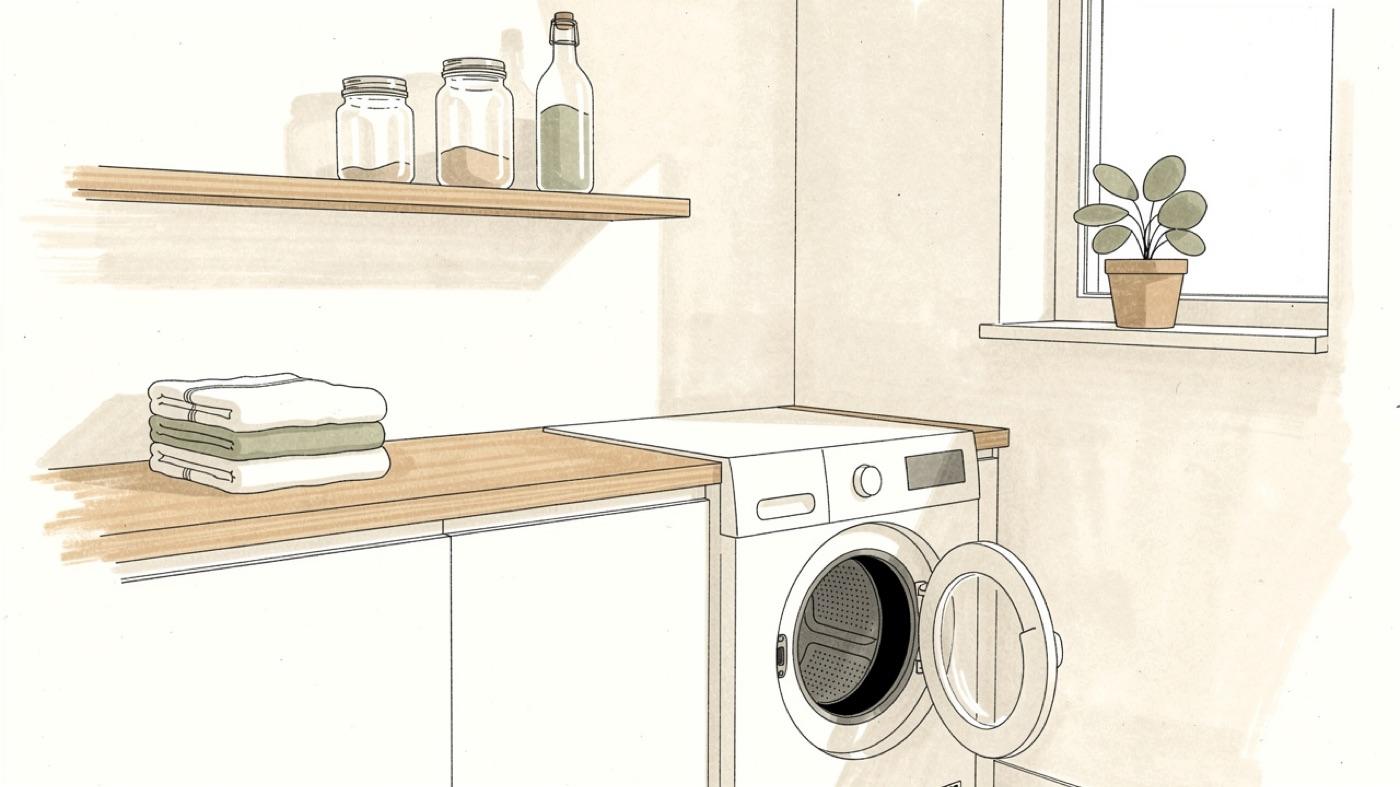
- Laundry rooms combine heat, moisture, and all that lint: basically a spa day for mold.

The U.S. EPA's A Brief Guide to Mold, Moisture and Your Home adds a few less obvious places: the back side of drywall, wallpaper or paneling, the underside of carpets and pads, walls around leaking or condensing pipes, the surface of walls behind furniture, and inside ductwork. It says you may suspect hidden mold if a building smells moldy but you cannot see the source.
How to Find the Source
Before you start spraying air freshener everywhere (spoiler alert: that won't actually fix anything), you need to do some investigating.
Walk around your house with your nose. Sounds weird, but smell is often your best diagnostic tool. Is it stronger in certain rooms? Does it get worse when it's humid outside?
Look for the obvious stuff: water stains, peeling paint, or that black spotty stuff that definitely isn't part of your décor. Check your windows for condensation that never seems to go away.
Here's something most people don't think to do: grab a cheap humidity meter from the hardware store. If your house is consistently above 50% humidity, you've found part of your problem right there.
5 Solutions to Eliminate a Musty Smell
Now that we've played detective and found the source, here are five proven methods I use to help homeowners kick that musty smell to the curb for good.
Control the Moisture
This is your heavy hitter, the solution that actually addresses the root cause. Without fixing the moisture problem, everything else is just window dressing. Our guide on how to reduce moisture in your house has a simple daily routine.
Start with a good dehumidifier in your problem areas. I recommend keeping humidity between 30-50%. Get one with auto-drain if possible. Trust me, you don't want to be emptying buckets every day.
Fix any leaks immediately. That slow drip under the kitchen sink? It's not "just a little moisture." Over time, it's creating a perfect breeding ground for mold. Same goes for that bathroom faucet that's been "slightly loose" for six months.
Upgrade your ventilation game. Run bathroom fans for at least 30 minutes after showers. Install exhaust fans in areas that don't have them. If you're dealing with a whole-house humidity issue, consider a whole-house ventilation system. It's an investment, but it pays off in the long run.
Clean Up Existing Mold and Mildew
Once you've got moisture under control, it's time to tackle what's already there. For more gentle options, see our natural mold removal techniques.

White vinegar is your best friend here. Mix equal parts water and vinegar, spray it on affected surfaces, let it sit for about 15 minutes, then scrub and wipe clean. It kills mold without the harsh chemical smell of bleach.
For non-porous surfaces like tile or metal, you can use a bleach solution (one part bleach to ten parts water), but make sure the area is well-ventilated and wear gloves.
Don't forget about your HVAC system. Change filters regularly, and I mean religiously. Have your ducts professionally cleaned if they haven't been touched in years. Mold in your ductwork means you're basically air-conditioning spores throughout your entire house. Our post on HVAC system inspections for mold-sensitive homes explains what a proper duct inspection looks at.
Use Natural Odor Absorbers
These aren't just cover-ups. They actually neutralize odors while you're working on the bigger fixes.
Baking soda is the classic for a reason. Place open boxes or bowls around musty areas and replace them monthly. For carpets, sprinkle it on, let it sit overnight, then vacuum it up.
Activated charcoal bags work amazingly well, especially in closed spaces like closets or storage areas. They absorb both odors and excess moisture, and you can recharge them by putting them in direct sunlight once a month.
Cedar blocks aren't just for keeping moths away. They naturally absorb moisture and leave a clean, woodsy scent. Toss them in closets, drawers, or storage bins.
Prevent It From Coming Back
This is where you get ahead of the problem instead of always chasing it.
Keep furniture a few inches away from exterior walls so air can circulate behind it. Stagnant air pockets are mold magnets.
Use moisture-absorbing products in problem areas. Those little desiccant packets work great in toolboxes, storage containers, or anywhere you store seasonal items.
Monitor humidity levels regularly with that cheap humidity meter I mentioned earlier. Make it part of your routine, and check it when you're doing other maintenance tasks.
Inspect potential problem areas monthly. A quick walk-through of your basement, crawl space, and other vulnerable spots can catch small problems before they become big, smelly ones.
Make Larger Improvements
Sometimes the problem is bigger than what basic fixes can handle. That's when it's time to think about larger improvements.
Consider foundation drainage improvements if you're dealing with basement moisture issues. French drains, sump pumps, or better foundation waterproofing can solve problems that keep coming back.
Upgrade to a more efficient HVAC system with better humidity control. Modern systems can maintain consistent temperature and humidity levels throughout your house.
Add proper attic ventilation with ridge vents and soffit vents. Poor attic ventilation can cause moisture problems throughout your entire house.
Install vapor barriers in crawl spaces or consider full encapsulation. This creates a controlled environment that prevents moisture from becoming a problem in the first place.
When to Call a Professional
Look, I'm all for DIY solutions, but sometimes you need professional help. If you've tried everything and that smell keeps coming back, or if you're finding mold covering large areas, it's time to bring in someone with the right equipment.
At Senergy360, we use thermal cameras to find moisture you can't see and test your air quality to figure out exactly what you're dealing with. Sometimes the problem is bigger than what's visible on the surface.
That musty smell isn't just annoying. It's your house trying to tell you something. The good news is that most of these problems are totally fixable once you know what you're dealing with.
I've seen houses go from smelling like old socks to actually being pleasant to walk into. It takes some work, but the difference it makes for your health and comfort is worth every bit of effort.
Got questions about your specific situation? For mold, we work with Indoor Environmental Professionals and mold professionals to trace a musty smell back to its source, and SENERGY360 works on the rebuild process to rebuild a healthy home. After all, everyone deserves a house that smells like home, not like a damp basement.