



In depth: Electrical Systems & Low-EMF Design
What low-EMF home design is
Every home creates its own electromagnetic environment. The wiring in the walls, the panel, the appliances, the wireless devices and the utility service outside all contribute. Low-EMF home design means planning those systems so that the places where people sleep and spend the most time have the lowest practical exposure, without giving up modern electrical convenience or code compliance.
It is a design discipline, not a product. Most of the reduction comes from where things go and how they are wired, decisions that cost little during design and a great deal after drywall.
The four kinds of EMF a house creates
The Building Biology approach separates electromagnetic exposure into distinct categories, because each one has a different source and a different fix. The published article on dangerous EMF categories walks through them in depth.
- AC magnetic fields come from current flow: the service drop, the panel, wiring errors, and any circuit carrying unbalanced current. They pass through walls and are reduced by distance and by correcting the wiring.
- AC electric fields come from voltage on wiring and cords, even when nothing is switched on. Standard plastic-sheathed cable radiates them into bedrooms. See our guide to alternating current electric fields.
- Radio frequency (RF) radiation comes from Wi-Fi, cell phones, smart meters, cordless phones, and wireless devices inside and outside the home.
- Dirty electricity is high-frequency noise riding on the wiring, produced by dimmers, inverters, switching power supplies and some LED drivers.
Design decisions that lower exposure
Panel and service placement
The main panel, subpanels, meter and the service entrance are the strongest magnetic-field sources in the home. SENERGY360 locates them away from bedrooms, home offices and nurseries, ideally on a garage or utility wall with no occupied room on the other side, and plans the service route so it does not run beneath sleeping areas.
Circuit planning and wiring methods
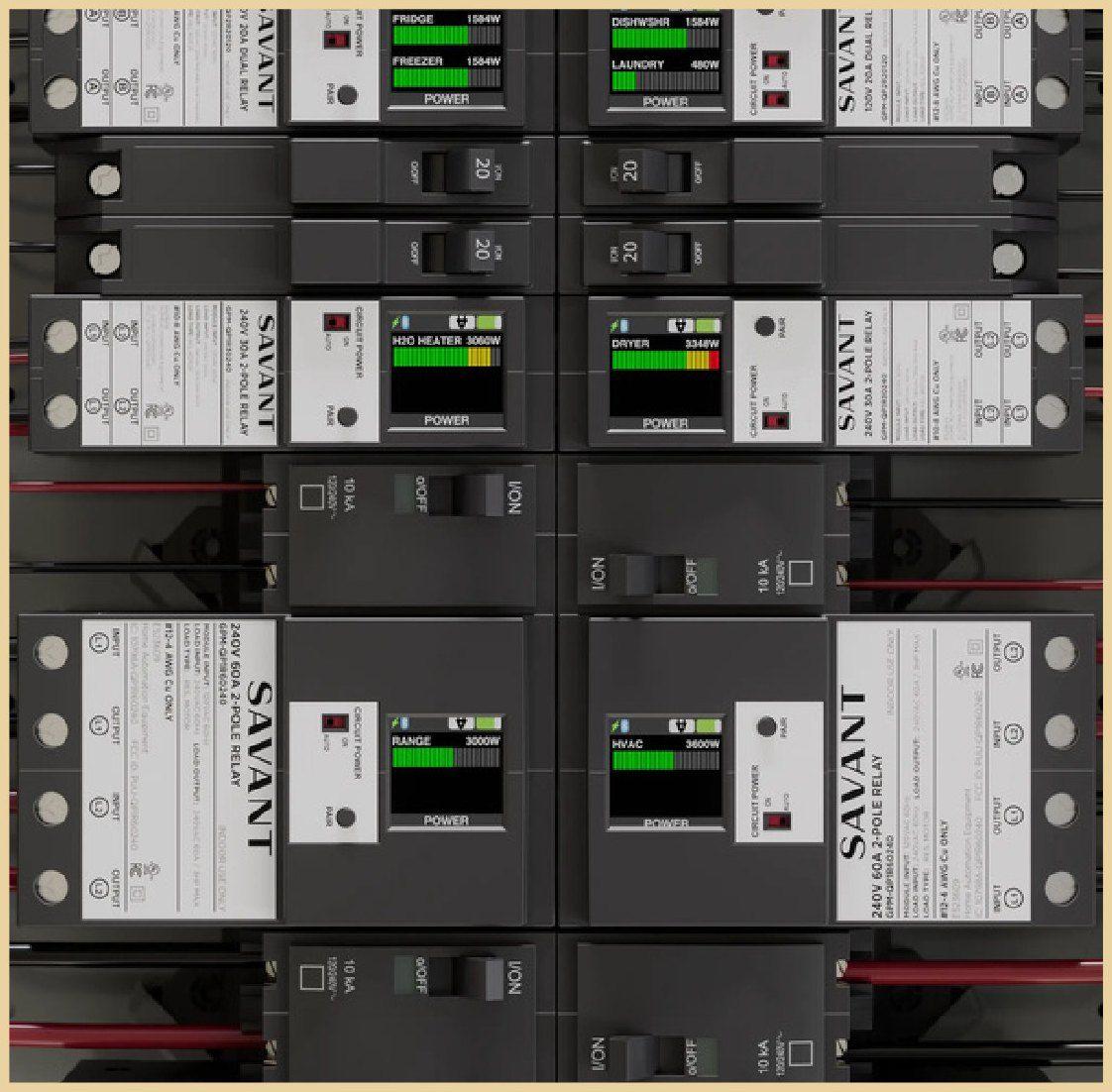
Bedroom circuits are laid out so they can be de-energized at night, either with a demand switch at the panel or by keeping sleeping-area circuits separate from the loads that must stay on. Shielded or metal-clad cable is specified where electric fields matter most. Wiring errors that create magnetic fields, such as neutrals shared between circuits or bonded at more than one point, are prevented by design and checked before drywall.
Grounding, bonding and power quality
Correct grounding and bonding is a safety issue first and an EMF issue second. Net current on water pipes, gas lines or the grounding system creates magnetic fields throughout the home. The design specifies dielectric isolation where appropriate, a single bonding point, and surge protection at the panel. Filters for dirty electricity are added where measurements show they are needed.
Equipment and technology placement
Refrigerators, induction cooktops, heat pump compressors, inverters, battery systems and network equipment are placed so their fields fall off before they reach a bed or a desk. The solar and battery design in Principle 08 and the hardwired-first technology plan in Principle 07 are coordinated here, because inverters and wireless access points are among the largest sources in a modern home.
The sleeping environment
Sleep is where exposure reduction has the clearest benefit, so bedrooms get the most attention: no panel or major appliance on a shared wall, circuits that can be switched off, hardwired network ports instead of a router in the room, and lighting on quality drivers rather than dimmers that create electrical noise.
Wired first, wireless where it earns its place
The single most effective RF strategy is structured Ethernet cabling to every workstation, television and streaming device, with wireless access points placed deliberately and switchable at night. A home designed this way still has Wi-Fi. It simply does not depend on it, and the family can turn it off in the bedrooms without losing anything.
Measurement and verification
Low-EMF design is verified, not assumed. Brian Johnson holds the Electromagnetic Radiation Specialist (EMRS) certification from the Building Biology Institute, and SENERGY360 measures magnetic, electric, RF and dirty-electricity levels before drywall, after the electrical is complete, and again with the home fully powered. Measurements are compared against the Building Biology guidelines for sleeping areas, which are far more conservative than the exposure limits used by safety codes.
For an existing home, the same measurements are part of a Healthy Home Inspection and often reveal a wiring error or a poorly placed device that can be corrected in an afternoon.
Is it worth it?
The design cost is small: some thought about where the panel goes, a few extra feet of conduit, shielded cable in three rooms, and a network closet. The cost of doing it after the home is finished is opening walls. Whether or not a family is sensitive today, a home with a quiet electromagnetic environment is easier to sleep in, easier to sell to a growing group of buyers who ask about it, and ready for whatever the science says in twenty years.
Low-EMF electrical design is one of the 12 CORE Principles for Healthy Building Design. It is designed alongside solar and backup power, the smart-home plan, and circadian lighting, because all four share the same wires.