

In depth: Circadian & Healthy Lighting Systems
Light is a biological signal
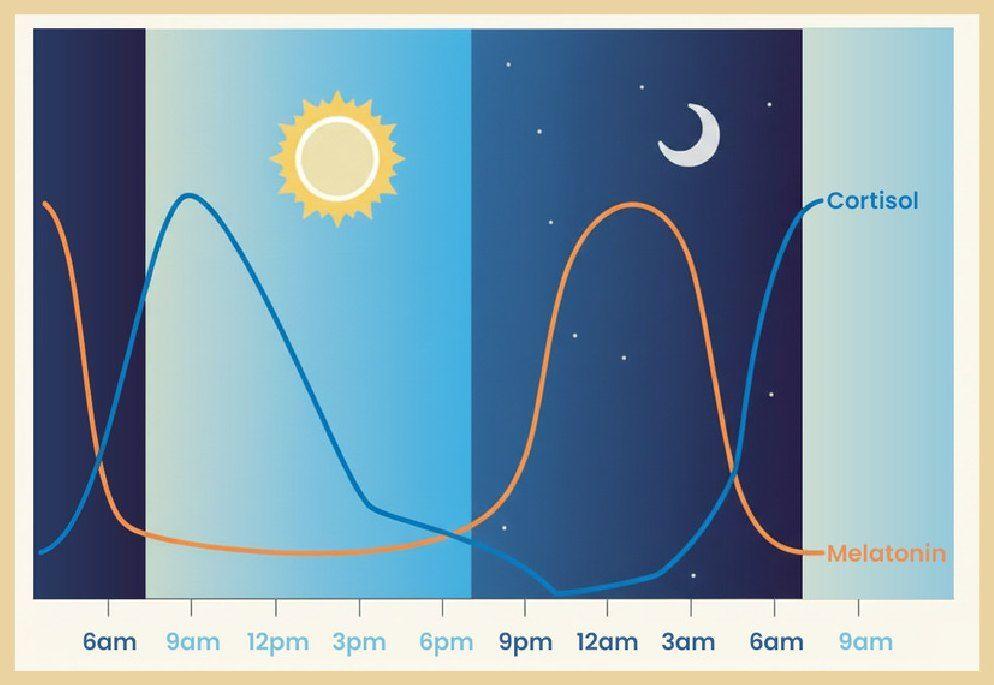
For most of human history the only bright light was the sun, and it followed a pattern: cool and bright by day, warm and dim toward evening, dark at night. The body still expects that pattern. Specialized receptors in the eye read the intensity and color of light and set the internal clock that governs sleep, hormone release, alertness and digestion. Bright, blue-rich light at night tells that clock it is noon.
Healthy lighting design gives the home a daily rhythm that matches the one the body is looking for. The published article on circadian lighting benefits covers the science. This page covers how it is designed into a house.
Daylight first
No fixture competes with the sun. The first lighting decisions in a SENERGY360 project are architectural: where the windows go, how deep the overhangs are, which rooms face the morning, and how light reaches the interior of the plan. Bright daylight exposure in the morning is the strongest circadian cue there is, so kitchens, breakfast areas and workspaces are oriented to receive it. Shading is designed so that daylight arrives without glare or overheating, and interior finishes are chosen to carry it deeper into the room.
Spectrum and color temperature through the day
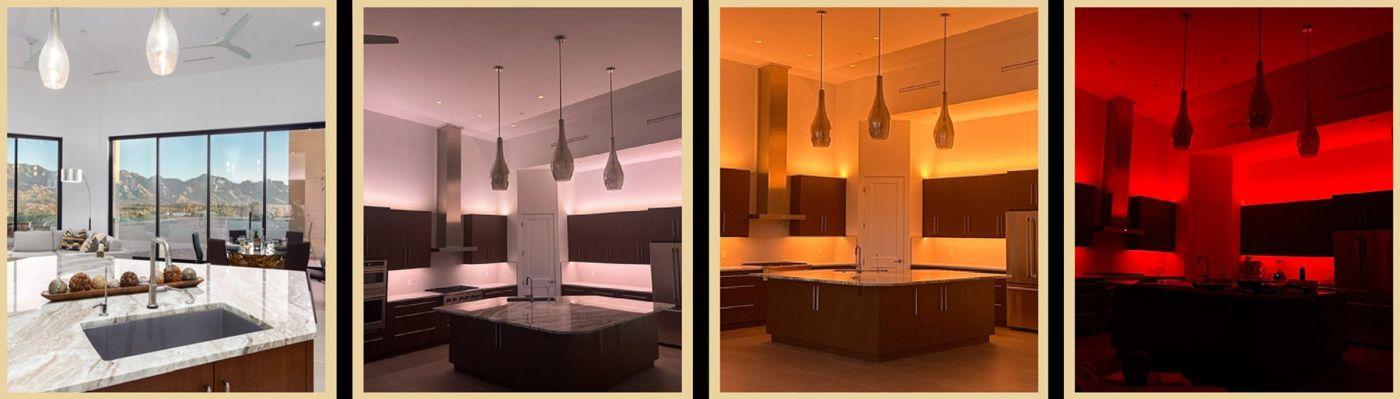
Artificial lighting is designed in layers, and each layer has a time of day.
- Daytime task lighting in cooler, brighter tones supports alertness in kitchens, offices and workshops.
- Evening ambient lighting shifts warmer and lower, in the range of candlelight, so the body can begin producing melatonin.
- Nighttime navigation lighting is very dim, very warm, and placed low, so a trip to the bathroom does not reset the clock.
Tunable systems make this automatic, adjusting color temperature and intensity on a schedule. Where a tunable system is not warranted, fixed fixtures are selected by room and by use so the home still has a warm evening and a bright morning.
Flicker: the invisible problem
Many LED fixtures flicker at rates the eye cannot see but the nervous system registers, contributing to headaches, eye strain and fatigue. The cause is the driver, the electronics that convert household power for the LED, and the dimmer it is paired with. SENERGY360 specifies fixtures and drivers with low measured flicker, pairs them with compatible controls, and verifies flicker with an instrument during commissioning. This is also an electrical quality issue: poor drivers and dimmers add electrical noise to the wiring, which is addressed in Principle 05.
Glare, layering and the quality of light
Healthy light is comfortable light. Design details that matter:
- Indirect and shielded sources so the eye never looks straight at a bright diode.
- Multiple layers of ambient, task and accent light, so no single source has to do everything.
- High color rendering so food, skin and materials look natural.
- Placement that supports the room, such as task light at the counter rather than a grid of downlights overhead.
Controls and automation
The best circadian lighting is the kind nobody has to think about. Scenes for morning, day, evening and night are programmed once. Schedules follow sunrise and sunset. Motion sensors handle night navigation. Where the smart-home plan in Principle 07 provides the backbone, lighting joins it on a wired control network, avoiding the reliability and RF drawbacks of a house full of wireless bulbs.
Outdoor lighting and the neighbors
Exterior lighting is designed to light the path, not the sky. Warm color temperatures, full shielding, low mounting heights and timers protect sleep inside the home and dark skies outside it, which matters to wildlife, to the view, and to communities such as ELEMENT by SENERGY360 where the night sky is part of the design.
Verification
At completion, SENERGY360 measures light levels and color temperature in key rooms, verifies flicker on the installed fixtures and dimmers, confirms the scenes and schedules, and walks the homeowner through the system. The comprehensive lighting guide is a good companion for homeowners who want to understand what they are looking at.
Circadian lighting is one of the 12 CORE Principles for Healthy Building Design, coordinated with the architecture, electrical system, interior design and technology plan.