

In depth: Water Quality & Advanced Filtration
Test the water before you buy anything
The most common water treatment mistake is buying a system before knowing what is in the water. Municipal supplies vary by city and by season. Private wells vary by geology and by neighbor. Two homes a mile apart can need entirely different treatment. SENERGY360 begins every water design with a laboratory test of the actual source, and in the case of a municipal supply, with the utility's own water quality report as a starting point.
The test looks for the things that matter to health and to the home: disinfectants and their byproducts, metals such as lead, copper and arsenic, nitrates, hardness, total dissolved solids, sediment, bacteria, and where the region calls for it, PFAS, radon and pesticides. Then the treatment is designed to remove what is actually there.
What is typically in the water
- Chlorine and chloramine are added by utilities to control bacteria. They dry skin and hair, off-gas in the shower, and react with organic matter to form byproducts. Chloramine is harder to remove than chlorine and needs specific media.
- Metals. Lead from older service lines and fixtures, copper from plumbing, arsenic in many Western groundwaters, including parts of Arizona.
- Hardness minerals that scale water heaters and fixtures and reduce the life of appliances.
- Nitrates, bacteria and sediment in well water, along with iron, manganese and sulfur in some regions.
- PFAS and pharmaceutical residues that standard treatment does not remove.
Our comprehensive water guide explains each of these in plain language.
Whole-home treatment, staged
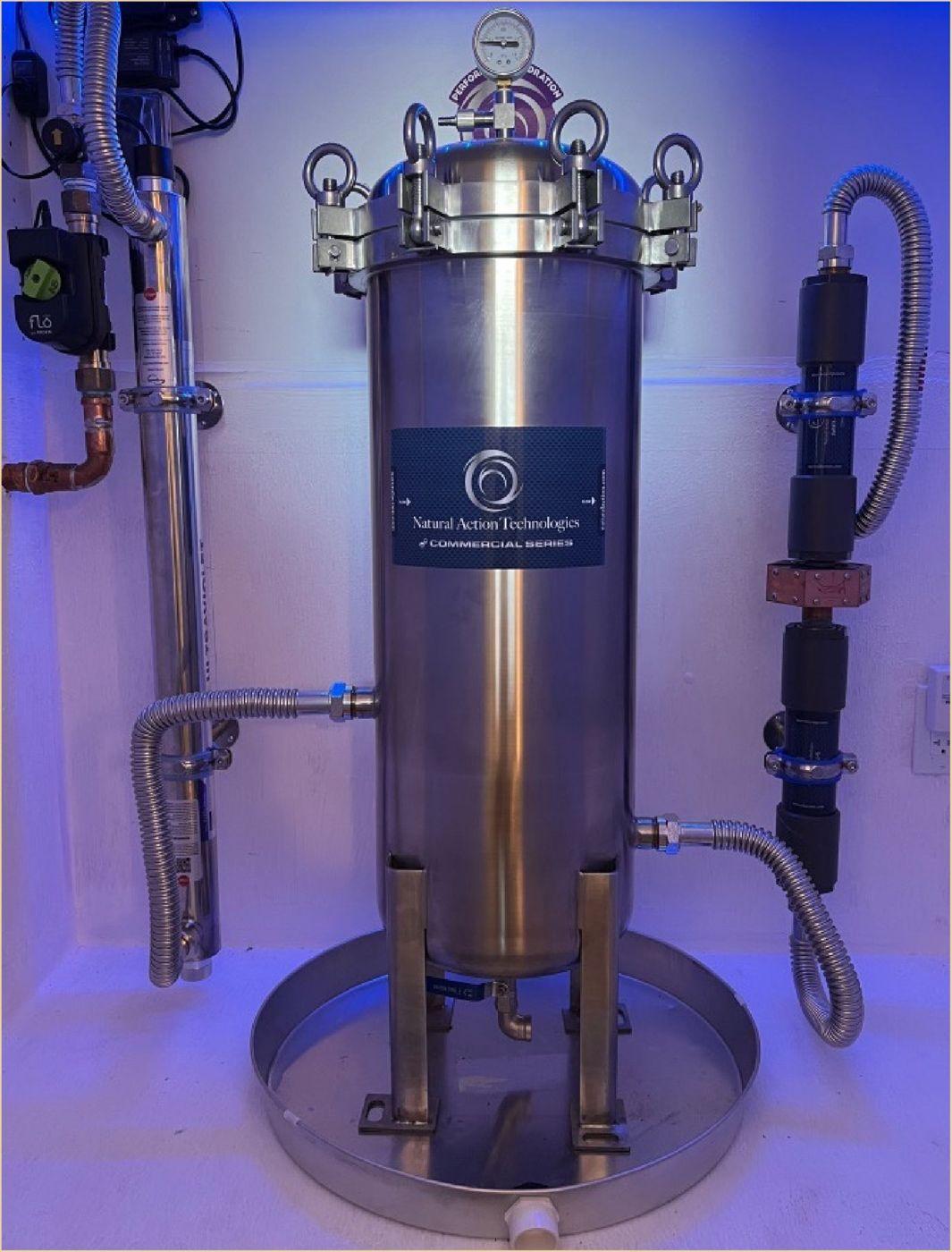
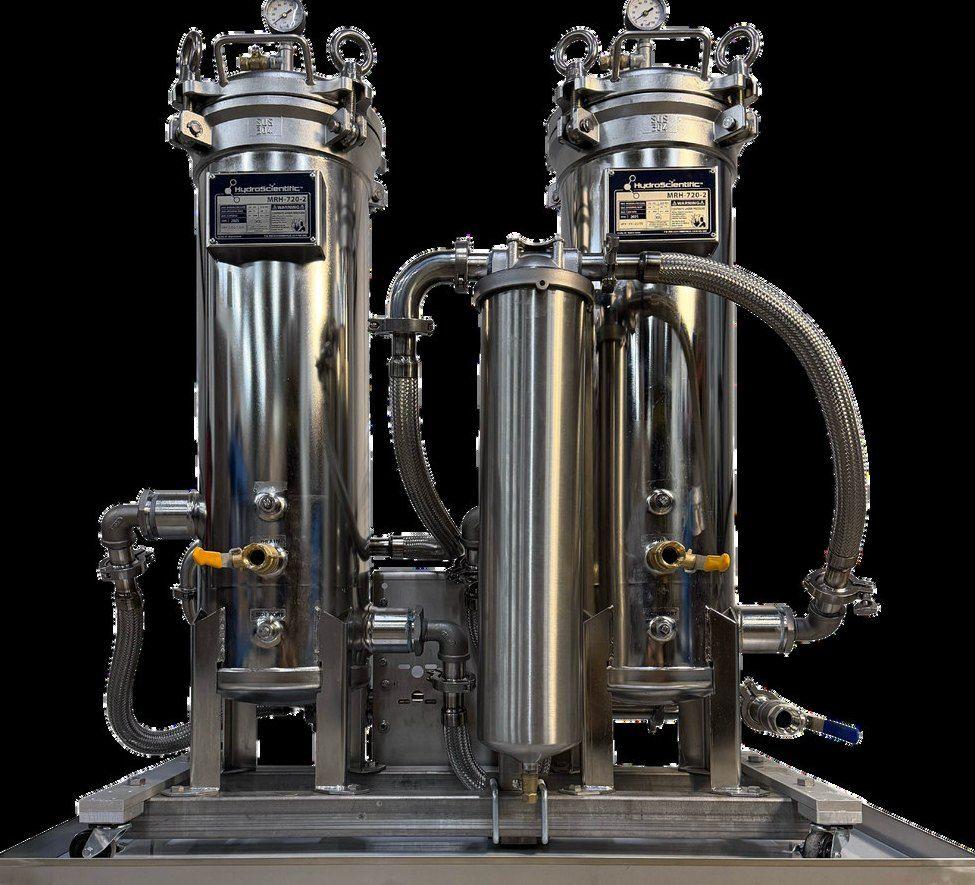
A whole-home system is a sequence, and the order matters.
- Sediment filtration first, to protect everything downstream.
- Carbon filtration, with catalytic carbon where chloramine is present, to remove disinfectants, byproducts, taste and odor and many organic contaminants. This is the stage that changes the shower and the laundry.
- Specialty media for specific problems: arsenic, iron, manganese, nitrates or fluoride, selected from the test results rather than a catalog.
- Softening or conditioning where hardness would damage the plumbing and appliances, chosen with the plumbing materials and the discharge in mind.
- Microbial control, such as ultraviolet treatment, where a well or a storage tank makes it necessary.
Drinking water at the point of use
Whole-home filtration makes the water good to bathe in and cook with. Drinking water often warrants one more step at the kitchen. Reverse osmosis removes dissolved solids, metals, nitrates, PFAS and most of what carbon leaves behind. Because it also removes minerals, SENERGY360 pairs it with remineralization so the water tastes right and is not aggressively pure. Where a family prefers to keep the minerals, high-performance carbon block systems are an alternative. Water conditioning or structuring is specified when a client asks for it, and it is added after the filtration, never in place of it. The published guide to healthy water walks through the options.
Equipment location and service
Treatment equipment is designed into the home, not squeezed into a corner after the fact. It needs floor space, a drain for backwash and reject water, an electrical outlet, protection from freezing and heat, and enough clearance to change a filter without a contortionist. It is placed after the main shutoff and the leak detection valve, and before any branch that serves the house, so every tap benefits. Bypass valves allow service without shutting off the home.
Filters have schedules
A water treatment system is only as good as its maintenance. Every design SENERGY360 delivers comes with a filter-replacement schedule, the specific replacement parts, and the water tests that should be repeated periodically to confirm the system is still doing its job. Test results at the tap, after the plumbing, are the number that matters; the article on mold and bacteria in water systems explains why.
Designed with the plumbing
Water quality and plumbing design are one conversation. The pipe materials, the layout and the hot water strategy in Principle 09 determine whether the water that leaves the treatment system arrives at the tap in the same condition. The treatment design is also coordinated with the building: drains, power, floor protection and the leak detection valve are placed in the plans, not improvised on site.
Water quality is one of the 12 CORE Principles for Healthy Building Design. Test first. Design the treatment around the water, not around the marketing claims of the equipment.