
In depth: Healthy Plumbing Design
The plumbing decides what happens to clean water
Filtration equipment gets the attention, but the water people actually drink and bathe in has traveled through the plumbing system after treatment. Along the way it sits in pipe, contacts pipe materials, warms and cools, and waits in fixtures that are used once a week. A plumbing system designed only to pass inspection can undo a good treatment system. A plumbing system designed for health protects it.
Plumbing is also the leading cause of mold in homes. Slow leaks behind walls, condensation on cold lines, and failed supply connections are the usual culprits. The design choices below address both concerns at once.
Pipe materials
Every pipe material has a chemistry, and water spends hours in contact with it.
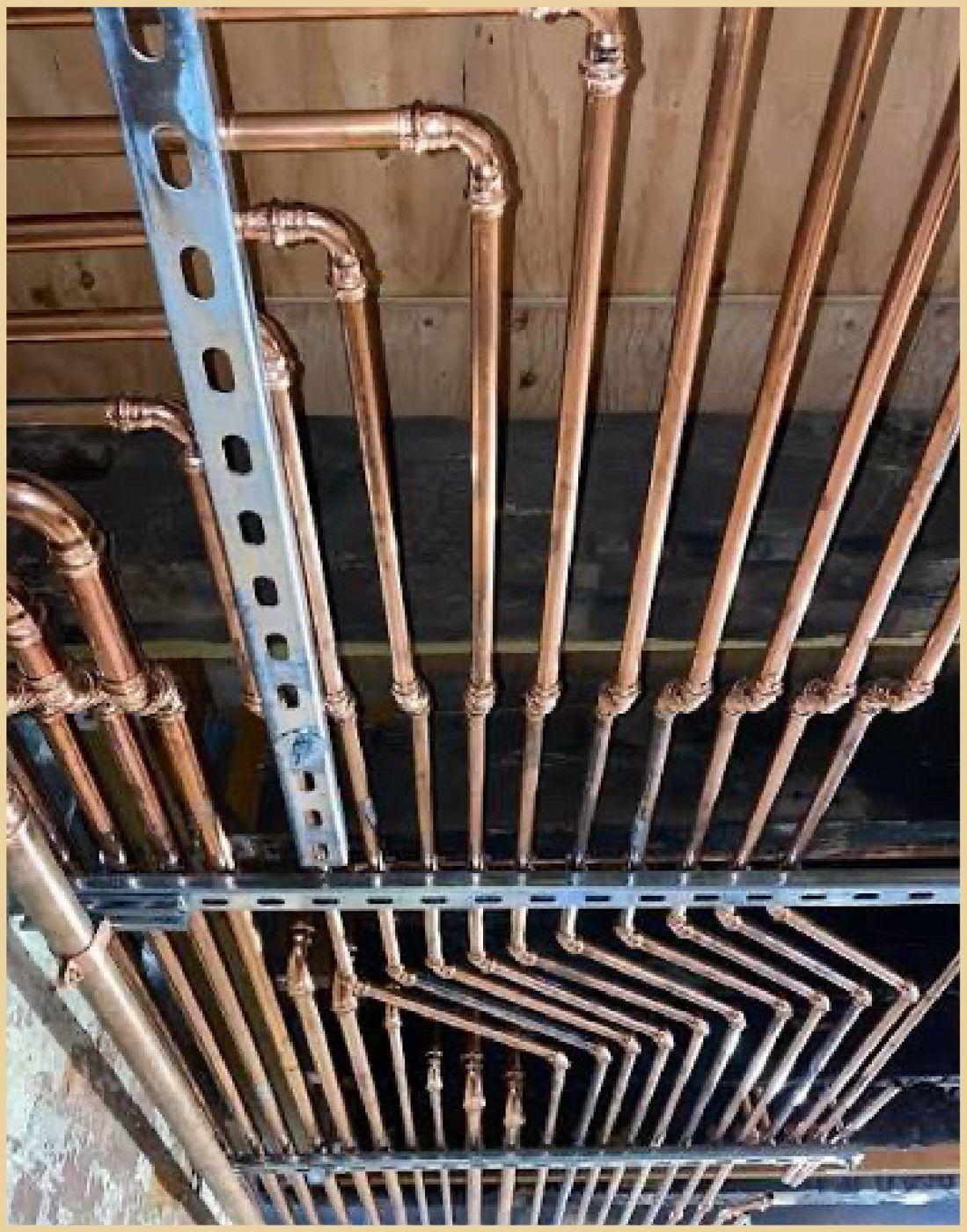
- Copper is durable and has a long track record, but it can leach copper into water with certain chemistries, and soldered joints must be lead-free.
- PEX is flexible, freeze-tolerant and inexpensive, and some formulations can impart taste and trace compounds, especially when new and in hot water. Brand and type are specified, not left to the plumber.
- Polypropylene systems are inert, heat-fused rather than glued, and increasingly used in health-focused homes.
- Fittings, valves and flexible connectors are reviewed for lead content and elastomer chemistry, because a system is only as clean as its smallest part.
SENERGY360 selects materials for the water chemistry of the site, the temperature they will carry, and the family that will live with them.
Layout: short runs, no dead legs
The shape of the system matters as much as the material.
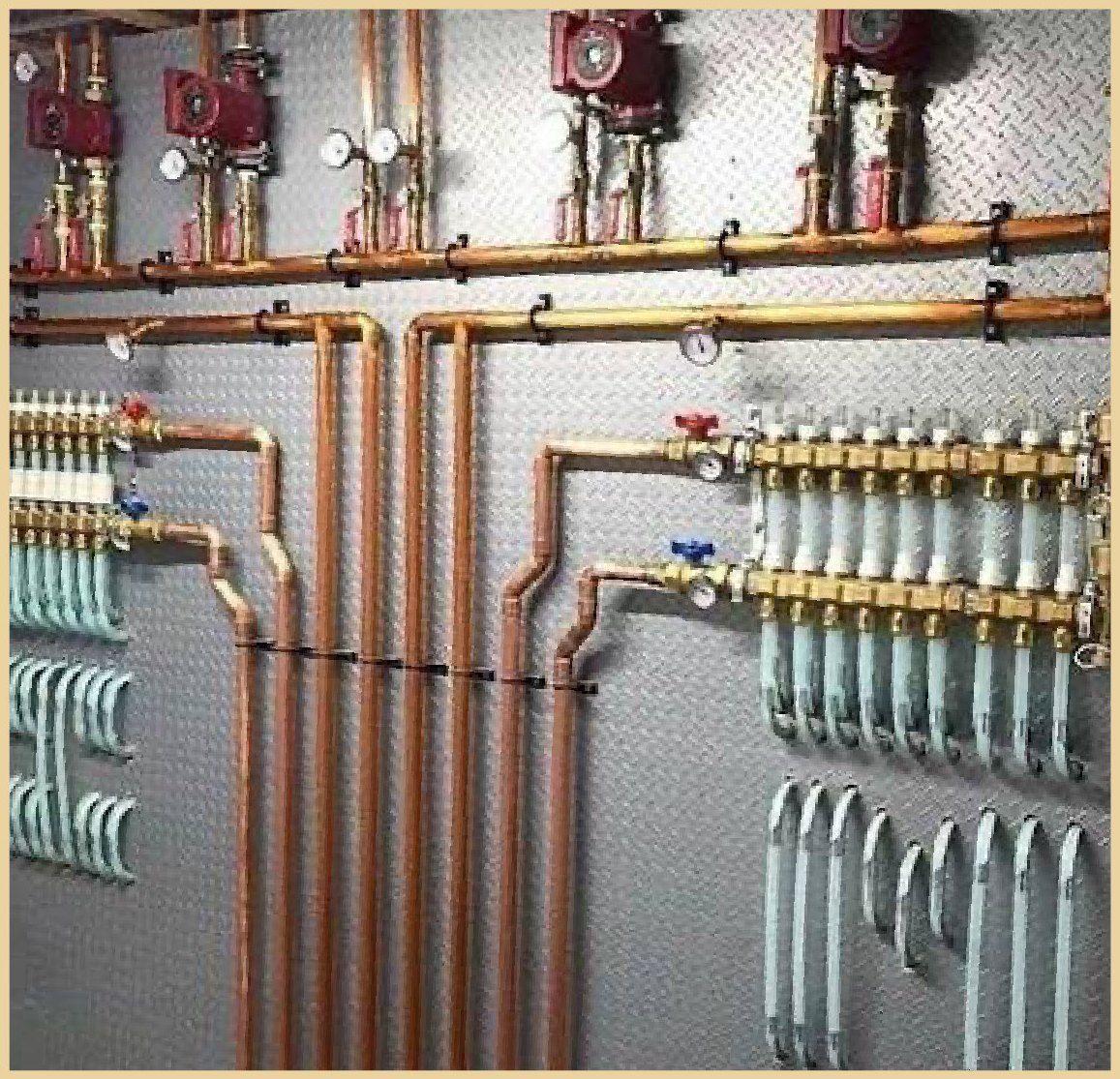
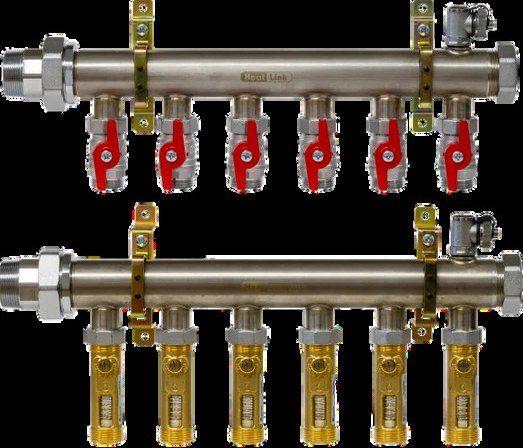
- Manifold or home-run layouts give each fixture its own line from a central manifold, so water reaches the tap quickly and no fixture waits behind another.
- Short runs mean less water sitting in pipe and faster hot water, which also saves water and energy.
- No dead legs. Capped stubs, abandoned lines and rarely used branches are where water stagnates, biofilm forms, and bacteria such as Legionella can grow. They are designed out.
- Fixtures that are used are placed on the main flow path, and guest bathrooms are laid out so a weekly flush keeps them fresh.
Hot water without the wait or the stagnation
Long waits for hot water waste water and encourage people to leave taps running. Continuous recirculation solves the wait but keeps a large volume of warm water moving through pipe all day, which raises energy use and can encourage microbial growth in the wrong temperature range. SENERGY360 prefers demand-controlled recirculation, which moves hot water to the fixture only when someone asks for it, along with water heater temperatures set to control bacteria at the tank and tempered at the fixture.
Leak protection built in
A healthy home assumes a leak will eventually happen and makes sure it cannot become a mold problem.
- Whole-home leak detection that monitors flow and pressure and closes an automatic shutoff valve when it sees a burst or a slow, continuous leak.
- Isolation valves at every fixture and appliance so a repair does not require shutting the house down.
- Drain pans with drains or sensors under water heaters, washing machines and air handlers.
- Accessible connections instead of supply lines buried where a failure would go unseen for months.
- Insulated cold lines in humid spaces to stop condensation from feeding mold inside walls and ceilings.
The published guide to essential moisture management covers what happens when these details are missed.
Coordination with treatment and the building
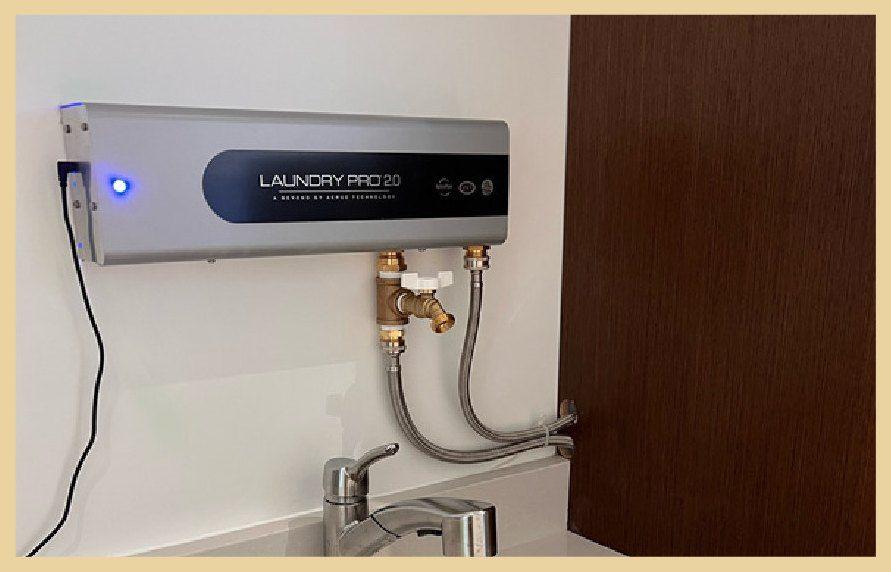
Plumbing is designed together with the water treatment system in Principle 10, so equipment has space, service access, drains and power, and the pipe after treatment does not reintroduce what the treatment removed. It is coordinated with the enclosure so that lines stay out of exterior walls in cold climates, and with the mold prevention plan so that wet rooms are detailed to dry.
Commissioning and flushing
New plumbing carries flux, debris, manufacturing residues and stagnant water from construction. Before the family moves in, the system is flushed by procedure, the treatment equipment is started and verified, the leak detection is tested, and water is sampled at the tap, not just at the treatment outlet. The homeowner receives a filter schedule and a list of which valves do what.
Healthy plumbing is one of the 12 CORE Principles for Healthy Building Design. Good filtration and good plumbing are designed as one system, because water quality is only as good as the last pipe it touched.