


In depth: Mold Prevention & Construction Health
Mold is a moisture problem with a biology symptom
Mold spores are everywhere, indoors and out. They become a problem only when a building gives them water and something to eat. Wood, paper-faced drywall, dust and many adhesives are food. Water arrives as rain, groundwater, plumbing leaks, condensation and the moisture built into new materials. A mold-resistant home is one designed and built so that water cannot reach food and stay there long enough for anything to grow.
That is why mold prevention in a SENERGY360 project starts at the site plan, runs through every day of construction, and ends with verification before the family moves in. The comprehensive mold guide covers what mold does to people and buildings. This page covers how a home is built so it never gets the chance.
Design: manage water in this order
Building science ranks the ways water enters a building by volume, and the design addresses them in that order.
- Bulk water. Grading that slopes away from the house, roof overhangs sized for the climate, gutters and downspouts that discharge well away from the foundation, and drainage planes and flashing that shed every drop that gets past the cladding.
- Groundwater and soil moisture. Capillary breaks, under-slab vapor retarders, foundation drainage and waterproofing detailed for the actual soil conditions.
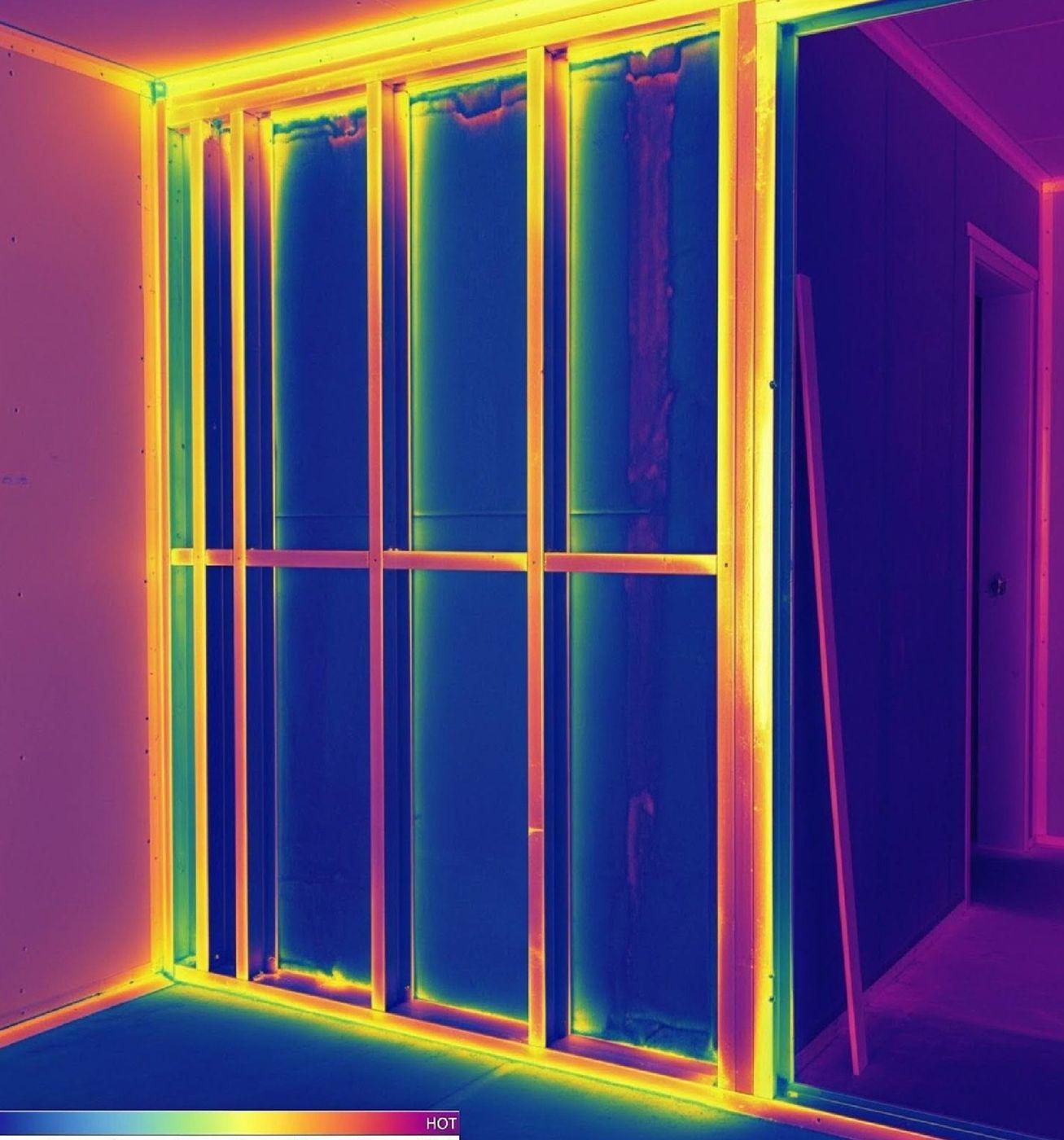
- Air-transported moisture. A continuous air barrier so humid air is not carried into wall and roof cavities, where it condenses on cold surfaces.
- Vapor diffusion. Assemblies that can dry in at least one direction, with vapor control layers on the correct side for the climate.
- Interior sources. Bathrooms, kitchens and laundries that exhaust to the outdoors, and humidity control designed into the mechanical system in Principle 04.
Mass wall systems such as insulated composite concrete forms have a structural advantage here: the wall itself does not feed mold, and the assembly has no cavity for moisture to hide in. The moisture management guide goes deeper on assemblies.
Construction: the months that decide the next thirty years
A perfectly designed home can be built wet. Mold that shows up in year two was often planted during framing. SENERGY360 writes construction moisture management into the specifications and inspects for it.
Material delivery and storage
Lumber, sheathing, drywall and insulation are delivered dry, stored off the ground, covered, and inspected before use. Material that arrived wet or grew visible mold in the yard does not go into the home.
Dry-in sequencing
The roof, weather barrier and windows are completed before the interior is closed in. If the structure gets rained on, and structures do, it is dried to measured moisture content before insulation and drywall go in. Framing lumber is checked with a moisture meter, and the target is well below the level where mold can grow, not "it looks dry."
Protecting the HVAC
Ducts and air handlers are sealed during construction and are not used to condition the jobsite while drywall is being sanded and floors are being cut. A brand-new system full of construction dust and drywall gypsum is a common finding in homes that develop air quality problems within the first year.
Clean jobsite practices
HEPA vacuuming instead of sweeping, dust containment during sanding and cutting, no smoking or solvent storage in the enclosed home, and a defined water-intrusion response so that a burst hose or a storm is dried and documented within hours. These practices also protect the trades.
Integrated pest management
Pests bring moisture, waste and allergens with them. Sealing the enclosure against entry, screening vents and detailing the foundation for pest exclusion avoid the chemical treatments that would otherwise be used later.
Verification before move-in
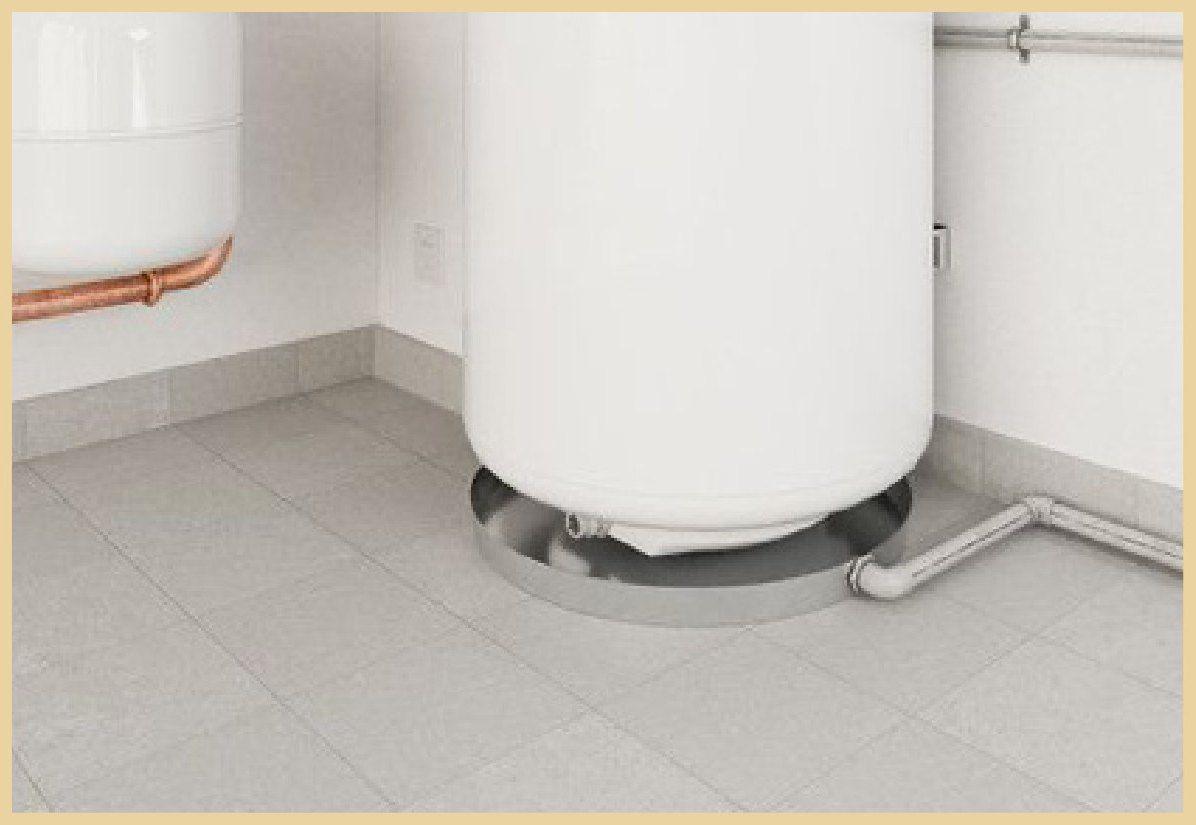
The last step is proving it worked. Before occupancy, SENERGY360 inspects the enclosure, checks moisture content of framing and concrete, verifies humidity and ventilation performance, reviews construction cleanliness, and where the project scope includes it, samples indoor air and settled dust so the family moves into a home with a documented baseline. The homeowner receives maintenance guidance covering the things that matter most: humidity targets, exhaust fan use, water heater and appliance pans, and what to do the first time something leaks.
When mold has already happened
For an existing home, the same understanding runs in reverse. For mold, we work with Indoor Environmental Professionals and mold professionals to trace the moisture to its source and map the actual extent of the problem, and SENERGY360 works on the rebuild process so the repair follows the same principles as new construction.
Mold prevention is one of the 12 CORE Principles for Healthy Building Design. The objective is not to remediate mold well. It is to build a home where the conditions for mold never line up.