September 14, 2026
By Brian Johnson, Building Biologist and Licensed General Contractor
How to Reduce EMF at Home, in the Bedroom and in a New Build
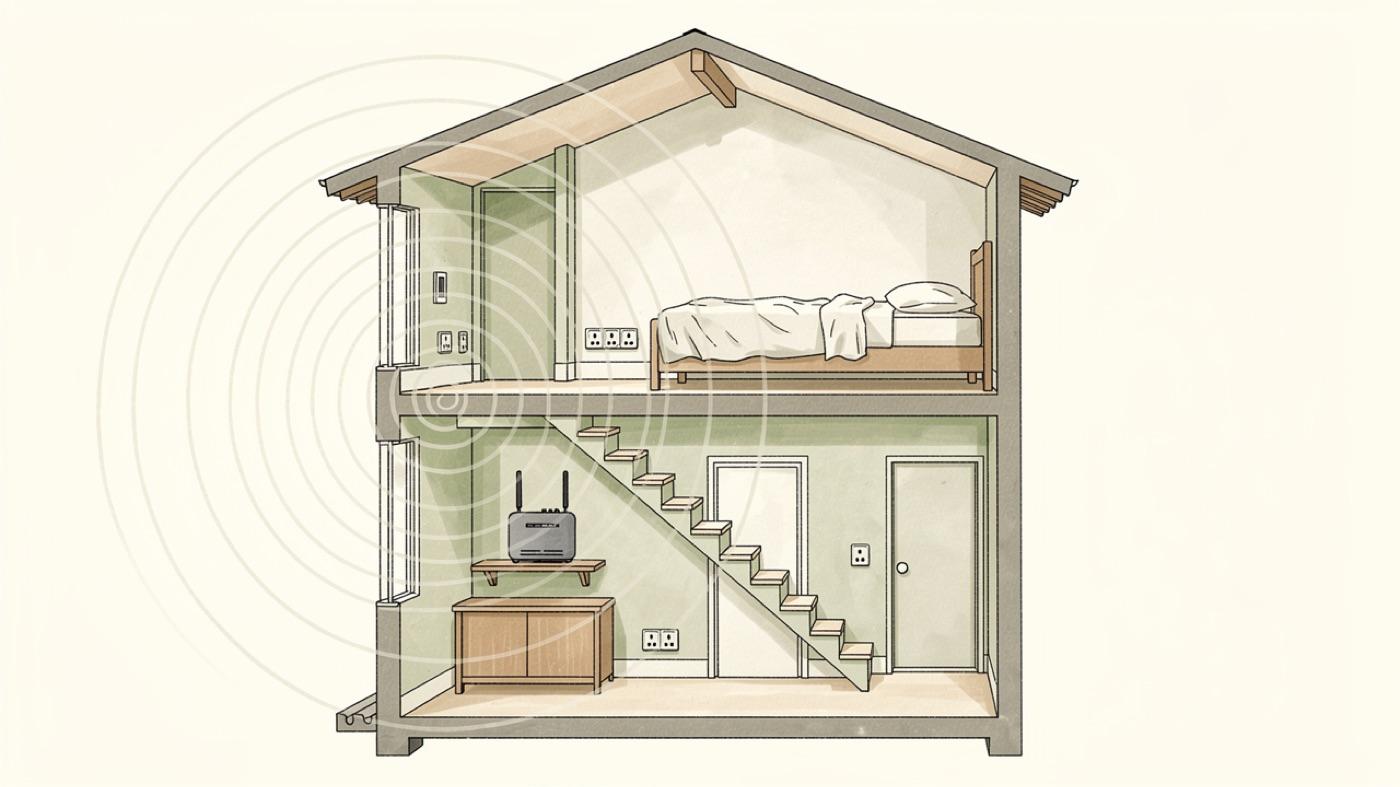
Electromagnetic fields, or EMF, are produced by everything that carries electricity or sends a wireless signal. Phones, routers, chargers, wiring and appliances all contribute. Knowing how to reduce EMF at home comes down to three things: distance, time and design.
This guide works in layers. It starts with habits that cost nothing, moves into the bedroom where you spend a third of your life, and ends with what we specify in a low-EMF new build.
Where EMF comes from at home
Most homes carry two kinds of fields. Wired sources like panels, cables and appliances produce electric and magnetic fields. Wireless sources like routers, phones and smart devices produce radiofrequency, or RF, signals.
The National Institute of Environmental Health Sciences summarizes the research on both kinds of fields on its electric and magnetic fields page, and it points to the same practical gap this guide tries to fill.
Now, in the age of cellular telephones, wireless routers, and the Internet of things, all of which use EMF, additional research is needed on practical ways to reduce exposures to EMFs.
The wireless side is easy to underestimate. A typical wireless access point carries two to four radios on the 2.4, 5 and 6 GHz bands. Each radio sends about ten beacon pulses per second, all day, even when every device in the house is asleep or hardwired.
- Wi-Fi routers and mesh nodes
- Phones, tablets and laptops on wireless
- Wireless chargers and phone chargers left plugged in
- Smart speakers, smart meters and smart appliances
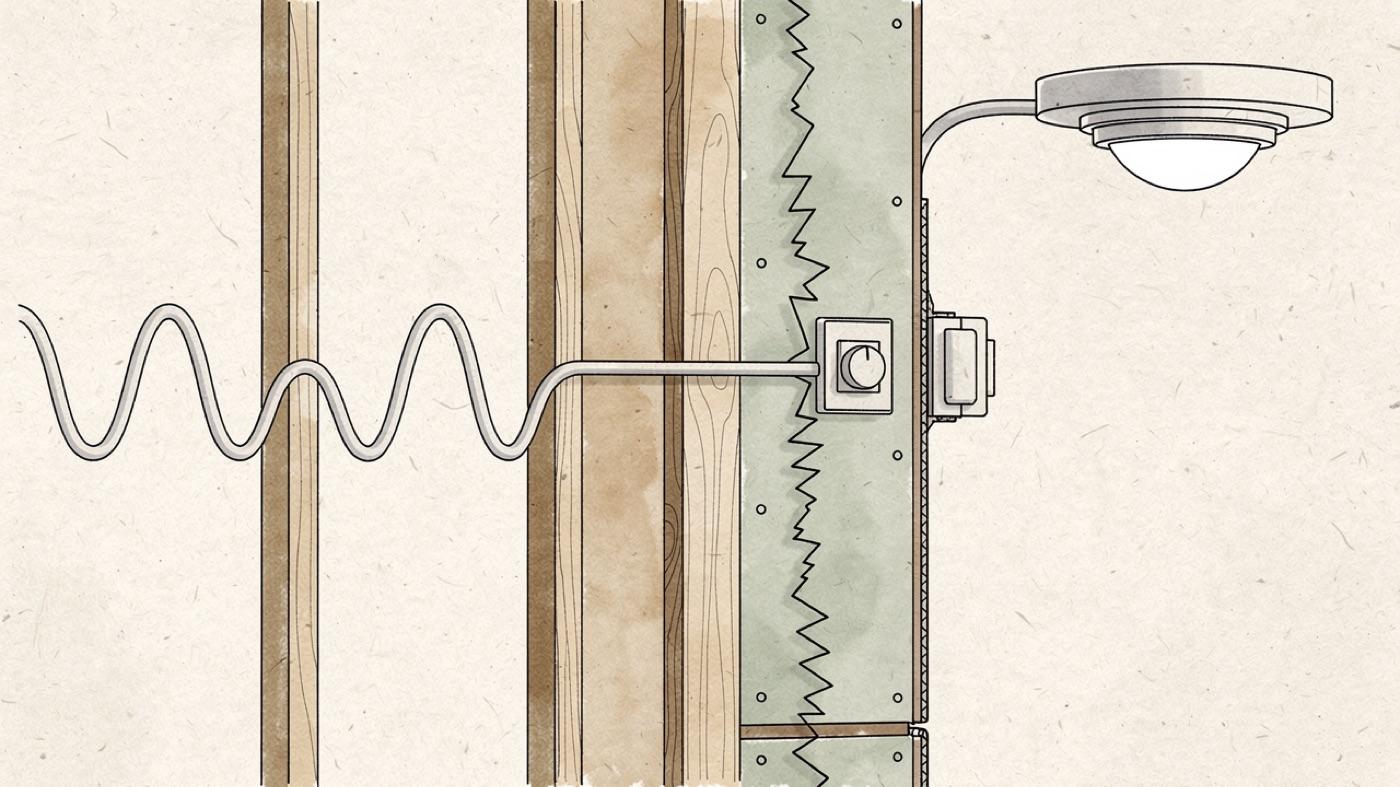
- Dimmer switches and cheap power supplies that create dirty electricity
If you want to see the wired side of this list explained, start with our post on dirty electricity.
Whole-home steps to reduce EMF
Put distance between people and devices
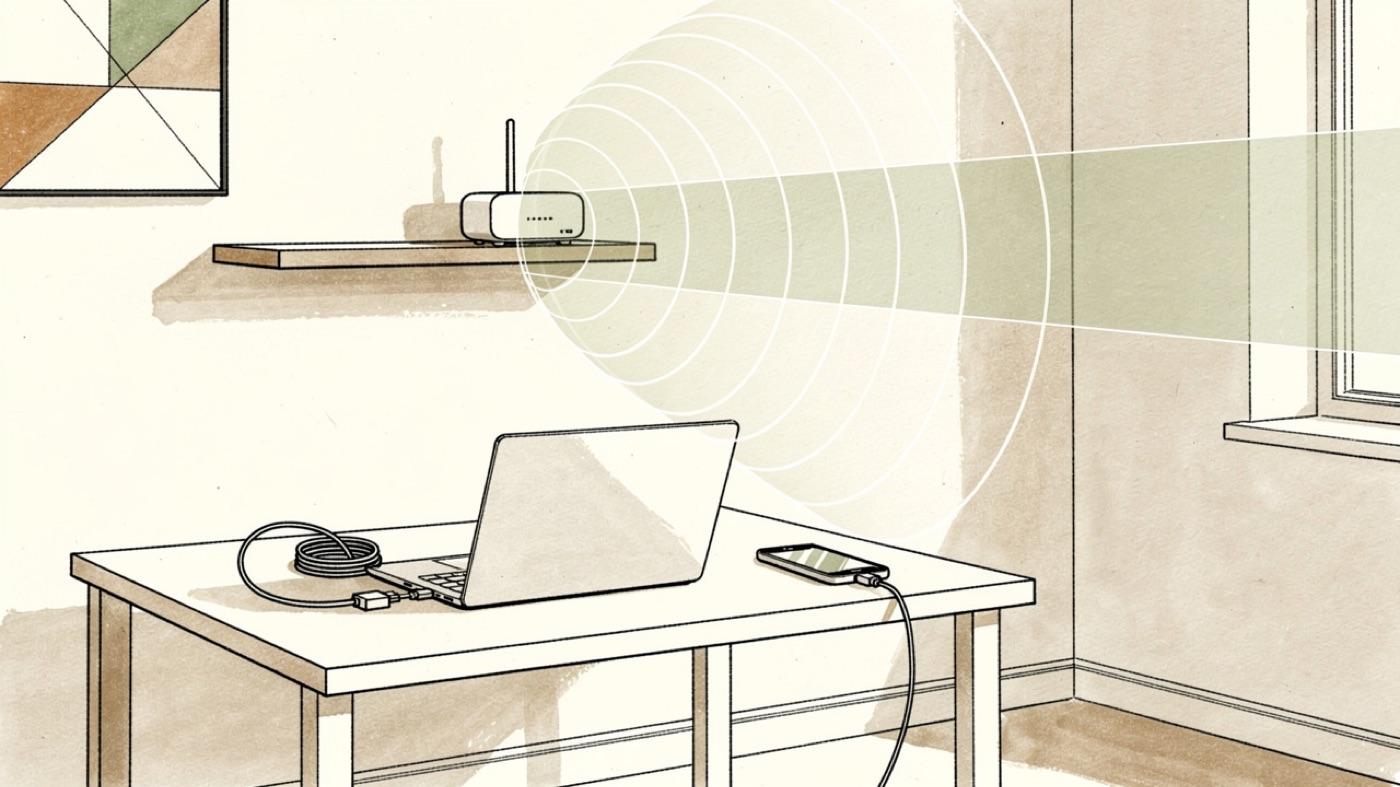
Field strength falls off quickly with distance. Move the router out of bedrooms and living rooms and onto a shelf in a hallway, closet or office. Keep chargers and power strips away from chairs, sofas and beds where people sit for hours.
The National Cancer Institute makes the same point about phones. Its fact sheet on cell phones and cancer risk notes that the absorbed dose decreases very quickly with distance, and it lists FDA suggestions such as using speaker mode or headphones and avoiding calls when the signal is weak.
Turn things off when they are not in use
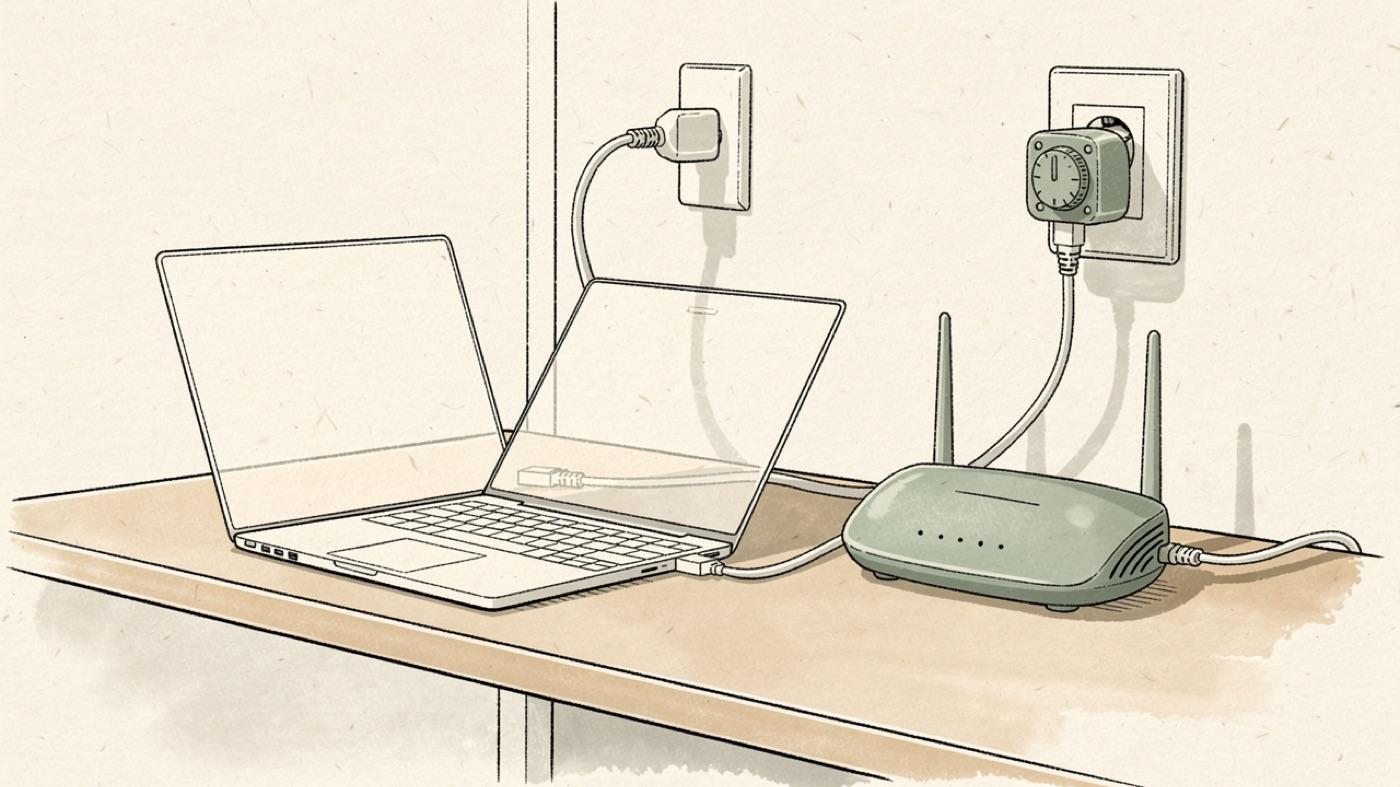
A router that is off emits nothing. Put it on a simple outlet timer so it powers down overnight. Turn off gaming consoles, smart speakers and printers rather than leaving them in standby.
Go wired wherever you can
Ethernet to the desk and the TV removes the biggest wireless load in the house. It also gives faster, more stable internet. Running cable is a one-time job that pays back every day.
Limit screen time, especially for children
Fewer hours on wireless devices means less exposure. It also builds the habit of unplugging. Outdoor time and non-screen hobbies do more for a child than any shielding product.
How to reduce EMF in the bedroom
Sleep is when the body repairs itself. It is also the longest stretch you spend in one spot, so the bedroom is where small changes add up.
Keep devices six feet from the bed
Phones, tablets, laptops and alarm clocks all belong at least six feet away. Move the bed away from the wall that carries the panel or the router on the other side. Replace the smart alarm with a battery clock and the tablet with a printed book.
Airplane mode and no bedside chargers
Put the phone in airplane mode overnight. Alarms still work. Charge it with a wired charger across the room, never under the pillow or on the nightstand.
Shielding products
Bed canopies, curtains and shielding paints create a barrier against RF from outside the room. They help most when the source cannot be removed, such as a neighbor's router or a nearby cell antenna. Choose products with published test data and pair them with a meter so you can confirm the result.
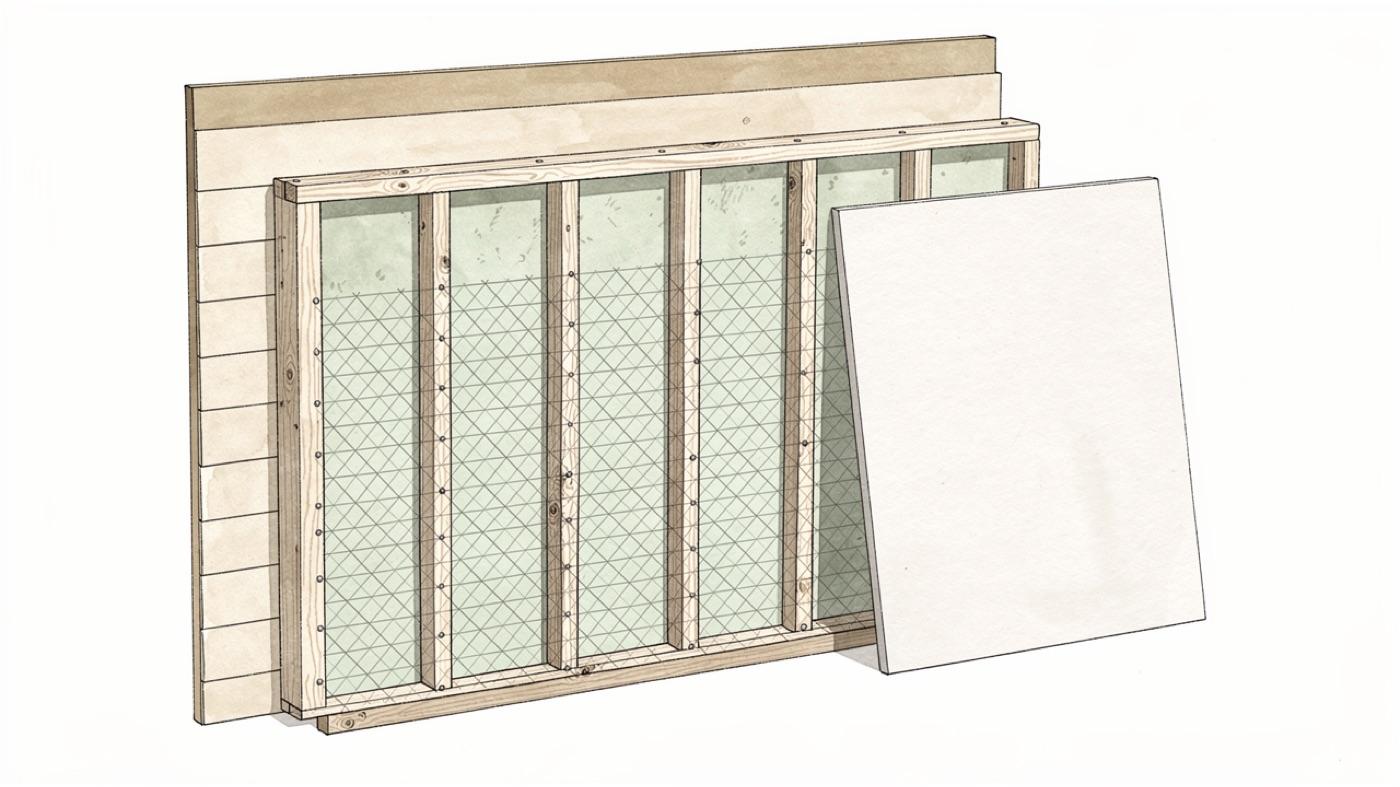
For a new build or remodel, our post on EMF shielding fabric and RF mesh shows how we shield a wall.
Our post on EMF protection for home and office covers which products hold up and which do not.
Fix the wiring behind the wall
Old or faulty wiring raises the electric field around a bed and adds dirty electricity. A qualified electrician can check the bedroom circuits and add a demand switch that cuts power to the room while you sleep. This is one of the most effective bedroom fixes and one of the least known.
A tech-free hour
Make the last hour before bed technology-free. Reading, stretching or quiet conversation calms the nervous system and gets the devices out of the room at the same time. The bedroom becomes a place for sleep, not screens.
Measure it
An RF meter turns guesswork into numbers. Take a reading at the pillow with everything on, then again with the router on its timer and the phone in airplane mode. The difference will tell you which change mattered most.
What a low-EMF new build specifies
When we design a home from scratch we do not rely on habits alone. We build the network so the wireless signal exists only when someone needs it. This is the approach in our low-EMF electrical design principle.
Hardwired access points
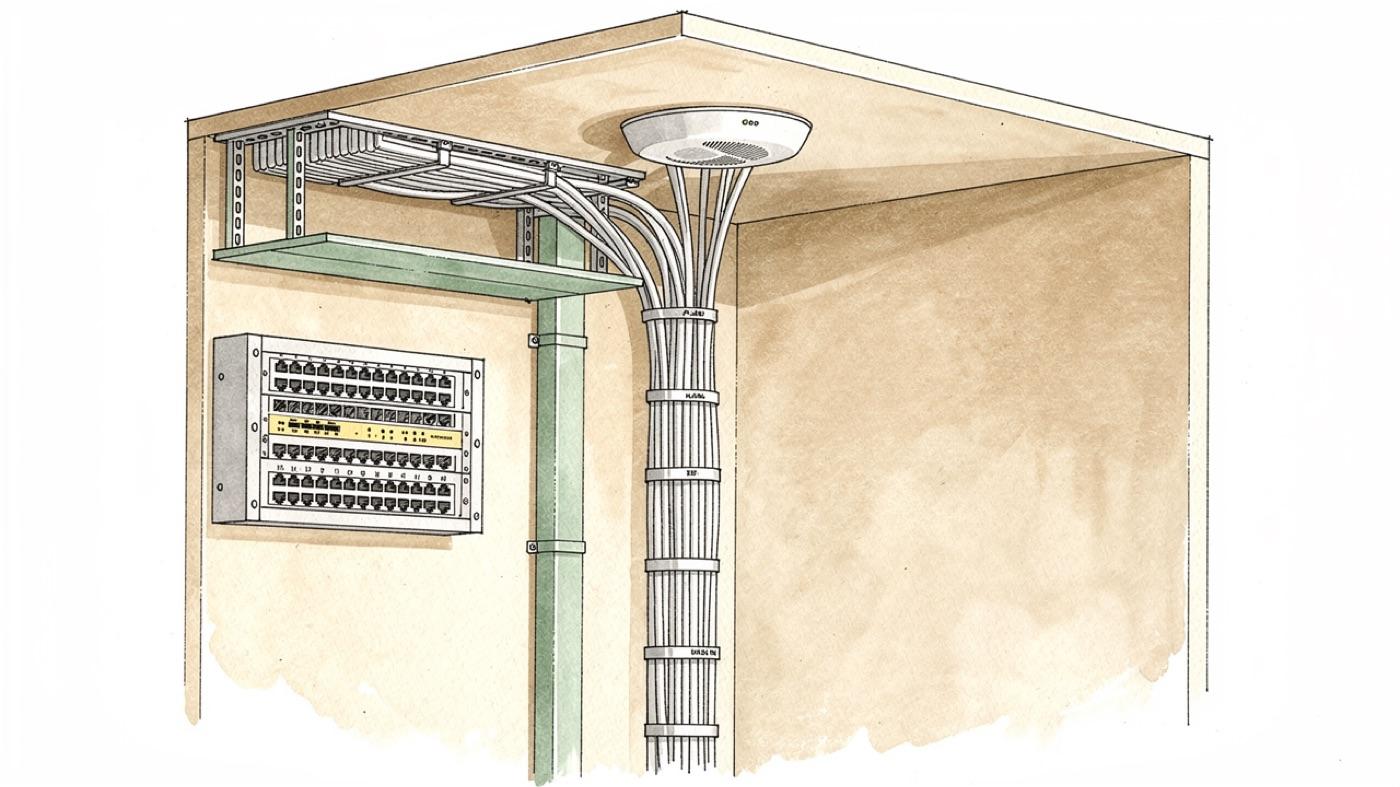
Most mesh systems talk to each other wirelessly, which multiplies the RF in the house. We run shielded Cat6 cable to every access point instead. The access points talk over copper, not air, and coverage improves because there is no interference between nodes.
PoE+ switches that power Wi-Fi down
Power over Ethernet Plus delivers 48 volt DC power and data over the same low-voltage cable. The switch is programmable. It can cut power to every access point at night or on demand, which stops the beacon signal completely instead of just disabling the internet.
On-demand Wi-Fi
Wi-Fi runs on a schedule, such as on during work hours and off overnight, or from a switch in the app. Devices that need constant connection stay on Ethernet. Everything else gets a signal only when a person asks for one.
Equipment we specify
- Access points that support PoE+ and adjustable transmit power, such as the Ubiquiti UniFi U6-Enterprise or the TP-Link Omada EAP670
- The JRS Eco 100 router for ultra-low-EMF rooms, which cuts beacon pulses by about 90 percent and sleeps when idle
- A programmable PoE+ switch sized to the number of access points
- Shielded Cat6 cable for every run, which also limits interference on the line
- Transmit power set to the lowest level that still covers the room, with non-overlapping channels
Testing before and after
We take baseline RF readings before the network goes in and again after setup. The meter we use covers 200 MHz to 8 GHz, which spans every Wi-Fi band. The goal is a bedroom that reads well under 10 microwatts per square meter with the network off.
Start with the bedroom, finish with the plan
You do not need a new house to reduce EMF at home. Distance, timers and a wired desk cut most of the exposure in a weekend. The bedroom deserves the most care, because it is where you spend the most hours.
If you are planning a build or a major remodel, the network design belongs in the drawings, not as an afterthought. A healthy home inspection gives you the numbers to start from.