September 14, 2026
By Brian Johnson, Building Biologist and Licensed General Contractor
What Is Dirty Electricity and How Do You Reduce It at Home?
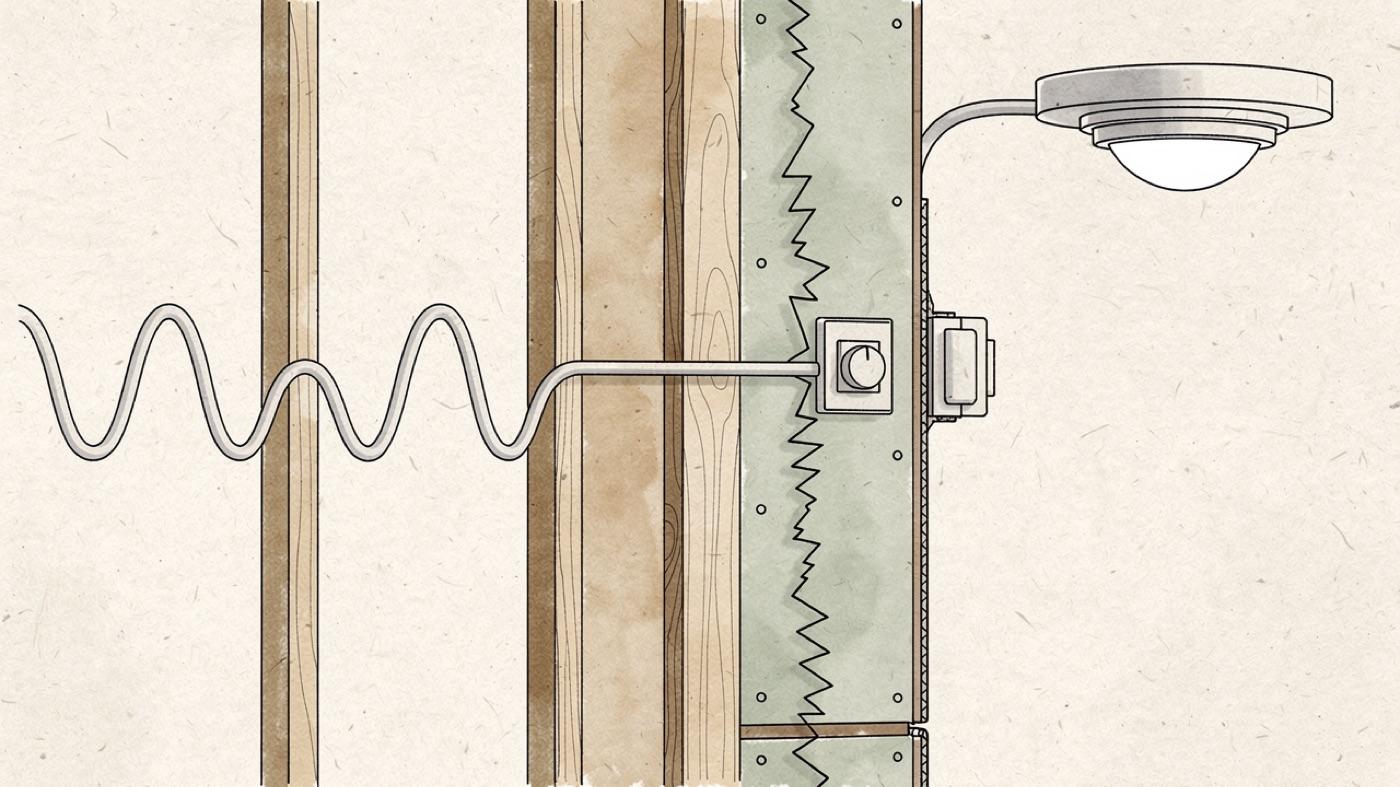
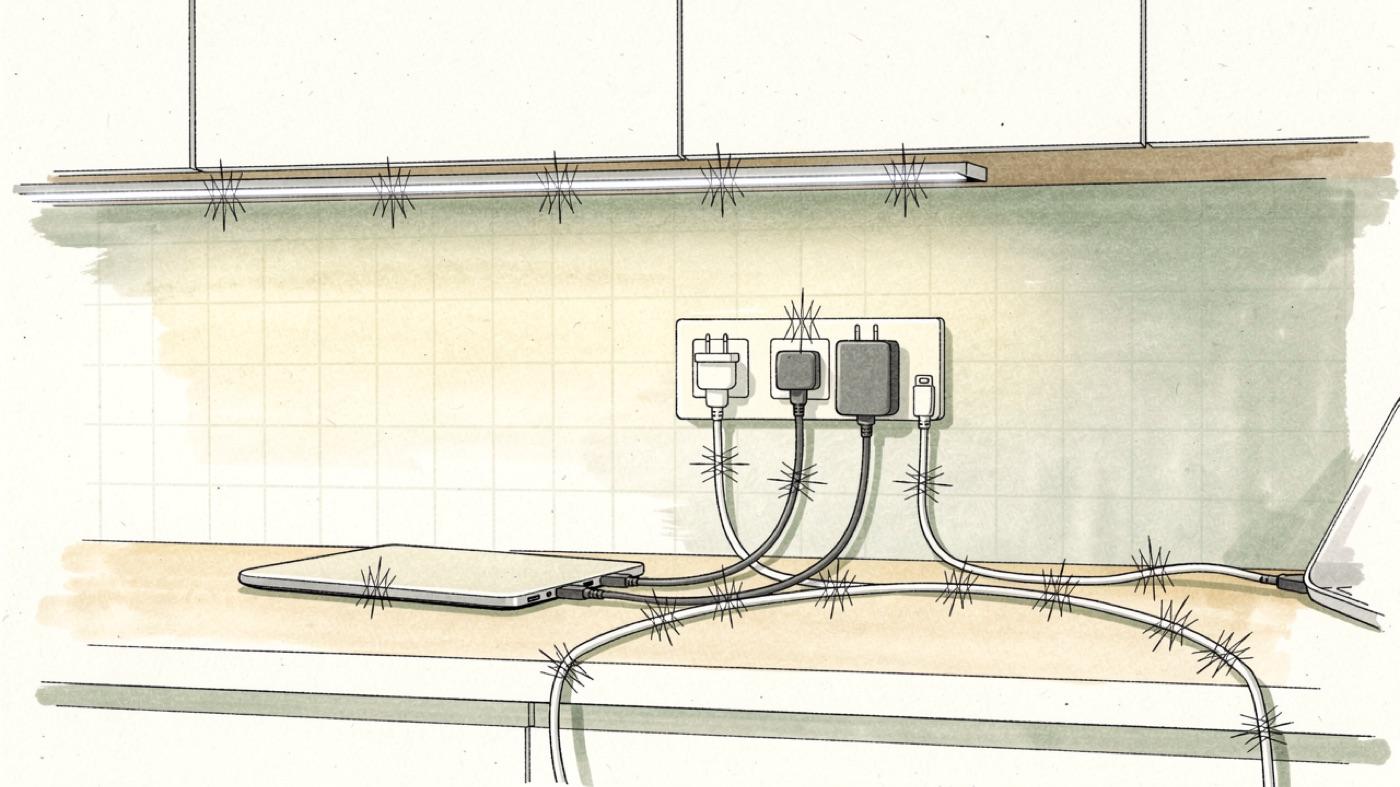
Dirty electricity is electrical noise inside a home's wiring. Power should arrive as a smooth 60 Hz signal. Modern electronics chop and switch that power so fast that they leave small spikes and disturbances riding on the wires.
In plain terms, dirty electricity is electrical pollution traveling through the wiring of the house. It is one of the things we test for in a healthy home inspection, and one of the easiest to design out of a new build.
Clean power versus dirty power
Picture the wiring as a pipe. Clean electricity is smooth water flowing through it. Dirty electricity is turbulence in that same pipe.
The turbulence has a technical name. Engineers call it high-frequency transients or harmonics. Instead of a single clean 60 Hz wave, the wiring carries that wave plus a layer of much faster noise, often in the kilohertz range.
Where the noise comes from
Almost every modern device converts power before it uses it. That conversion is what creates the noise.
- LED lights and their drivers
- Dimmer switches, which cut the wave into pieces to lower brightness
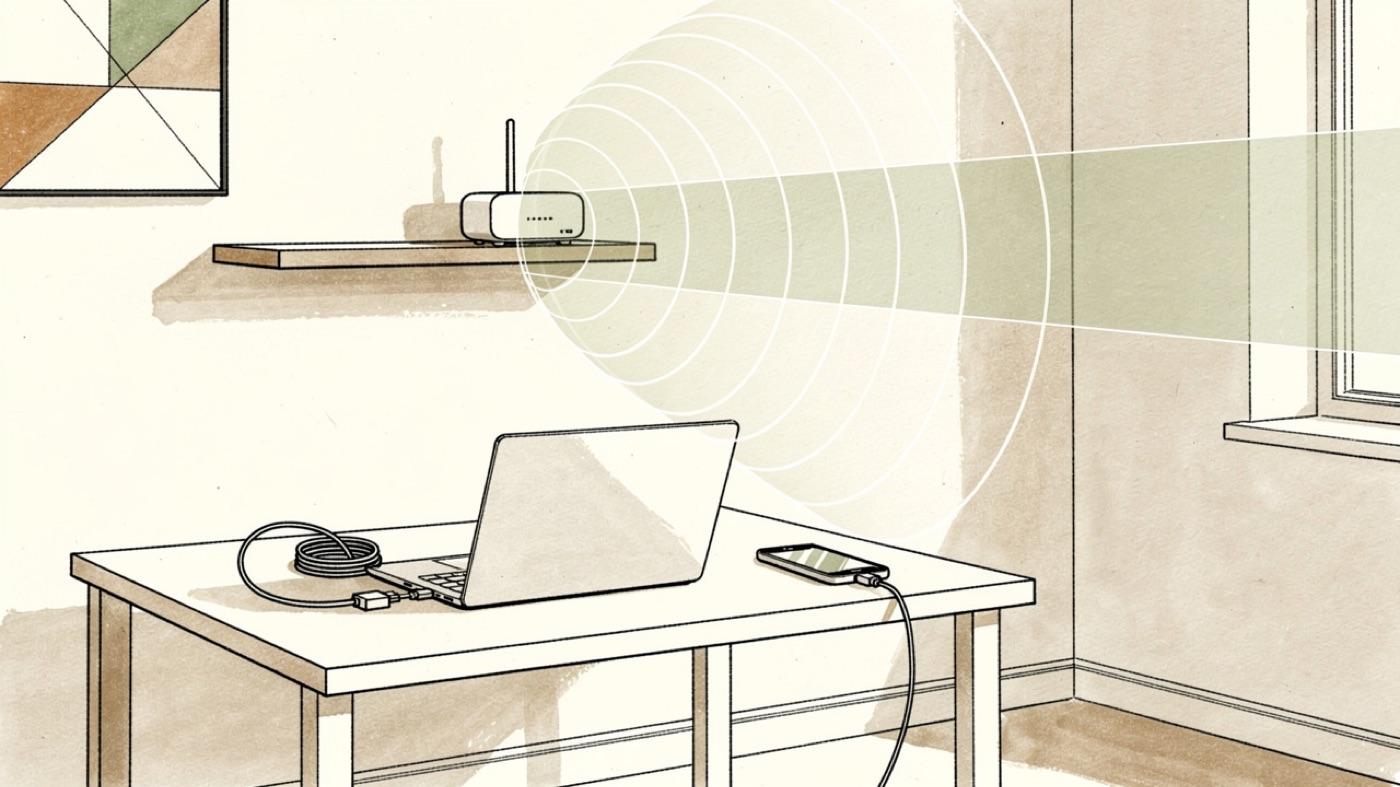
- Phone and laptop chargers
- Solar inverters, which turn DC from panels into AC for the house
- Variable-speed HVAC motors and pumps
- Smart electronics and any device with a switch-mode power supply
A switch-mode power supply turns power on and off thousands of times a second to regulate voltage. Each switch leaves a small kick on the line. Multiply that by dozens of devices and the wiring of an entire home is humming with noise.
Dirty electricity and EMI
You will also hear the term EMI, which stands for electromagnetic interference. EMI is unwanted electrical energy that disturbs electronics. It is the broad engineering category.
EMI can travel three ways.
- Through wires, as conducted noise
- Through the air, as radiated noise
- From nearby equipment, by coupling into other circuits
Common sources include radio transmitters, motors, power supplies, lighting drivers, and wireless devices.
Federal rules recognize this category too. The FCC classes digital devices, including electronics that switch at more than 9,000 pulses per second, as "unintentional radiators" and defines the term this way:
A device that intentionally generates radio frequency energy for use within the device, or that sends radio frequency signals by conduction to associated equipment via connecting wiring, but which is not intended to emit RF energy by radiation or induction.
Under 47 CFR 15.107, most equipment designed to plug into the AC power line must keep the radio frequency voltage it conducts back onto the line within set limits in the 150 kHz to 30 MHz band. Those limits exist to prevent interference with other equipment. They are not health limits.
The simple relationship
Think of EMI as the big category of electrical noise. Dirty electricity is one specific type of that noise, the kind that lives inside a home's wiring.
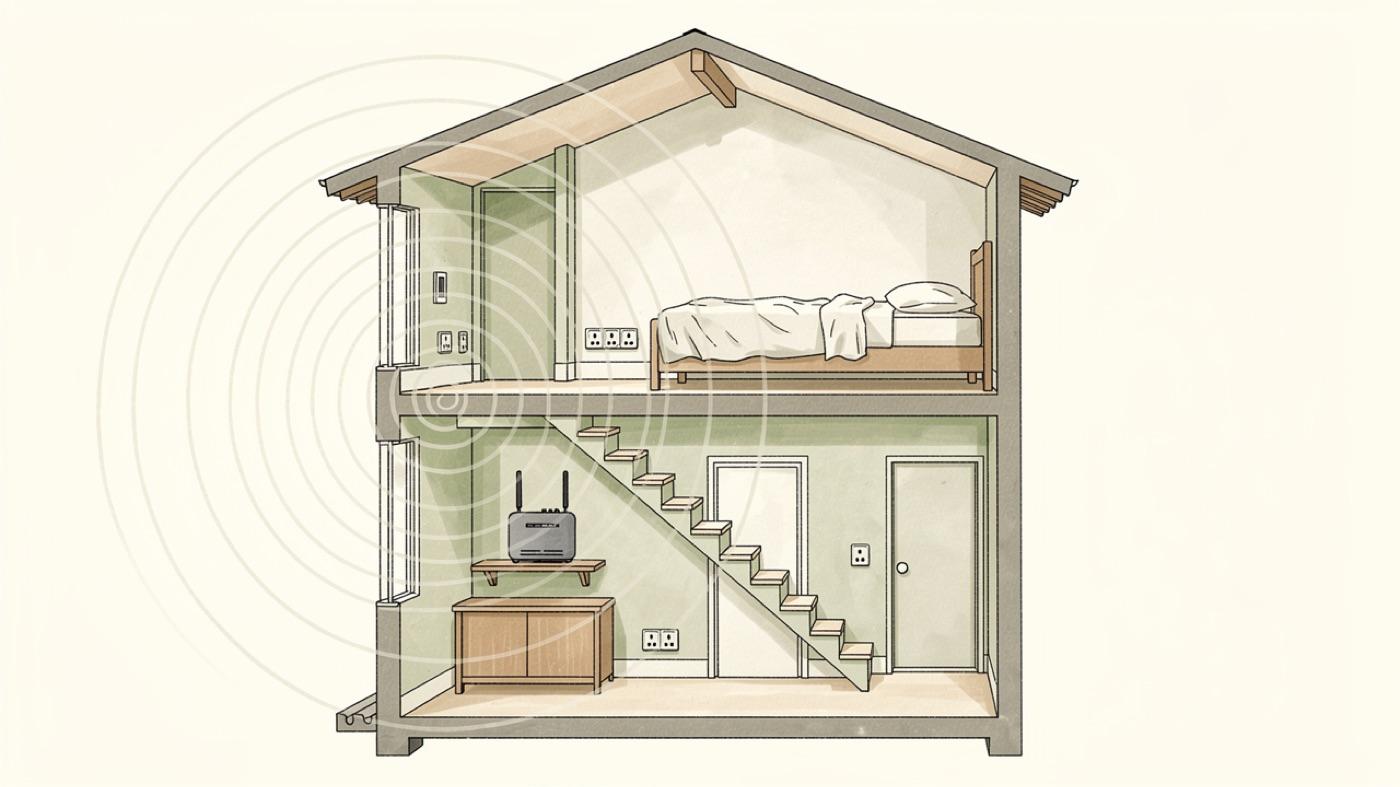
So dirty electricity is electrical noise in the wiring. EMI is electrical noise in general. Once the noise is on the wires, the wiring itself acts like an antenna and radiates it into rooms, which is why it belongs in any low-EMF electrical design.
Why it matters in a healthy home
Building biology treats dirty electricity as one of several electromagnetic stressors in a home, alongside AC electric fields, AC magnetic fields, and radio frequency. Every wire in the house carries the noise, so every room is exposed. Bedrooms matter most because that is where the body spends hours resting and repairing.
The research on health effects is still developing, and we do not overstate it. Our approach is practical. The noise is measurable, it is avoidable, and a quieter electrical system costs little when it is planned early.
How dirty electricity is measured
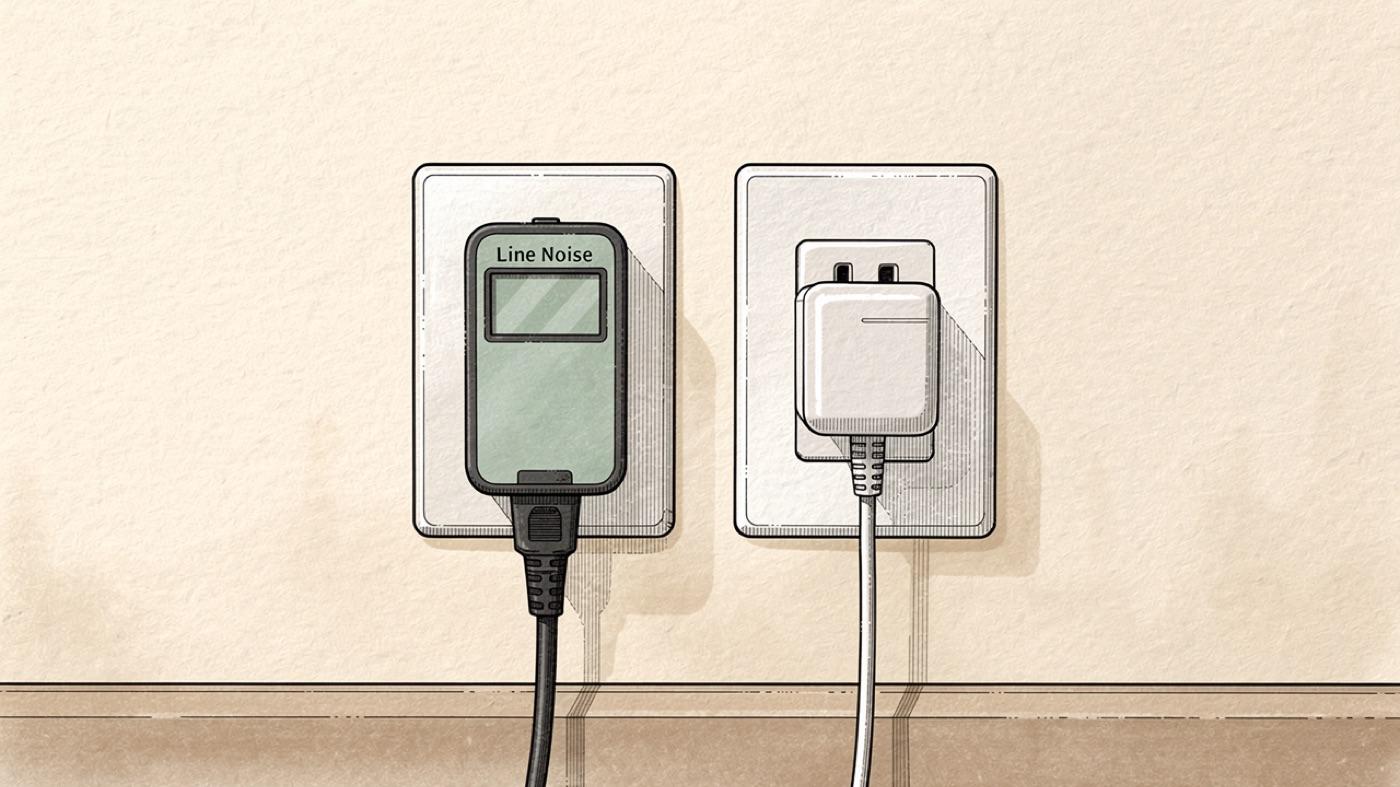
Dirty electricity is measured with a line EMI meter. The meter plugs into an outlet and reads the high-frequency noise present on that circuit. Different meters use different units, so the number matters less than the comparison between outlets and the change after a fix.
A meter reading tells you two things. It shows which circuits and rooms carry the most noise, and it shows which devices create it. Unplug a suspect device, watch the reading drop, and you have found a source.
What a walkthrough looks like
We measure room by room, starting with bedrooms and the home office. We flip dimmers, turn solar inverters on and off where possible, and unplug chargers to see what moves the reading. The result is a map of the home's noisiest circuits and a short list of the devices behind them.
How to reduce dirty electricity
The goal for healthy home design is simple. Keep the electrical system as clean and stable as possible by reducing the devices that create noise and by designing the wiring correctly. The fixes fall into two groups.
Remove or replace the sources
- Replace dimmer switches with plain on-off switches, or use dimmers and LED drivers rated for low noise.
- Choose LED fixtures with quality drivers, and avoid the cheapest bulbs.
- Unplug chargers and small power supplies when they are not in use, especially in bedrooms.
- Specify HVAC equipment and pumps with filtered variable-speed drives, or single-speed units where they make sense.
- Place solar inverters away from living space and specify inverters with low harmonic output. See how to design a low-EMF solar system.
Design the wiring to stay quiet
- Run dedicated circuits for known noise sources such as inverters, well pumps, and variable-speed equipment.
- Keep bedroom circuits separate from circuits that feed electronics and chargers.
- Use plug-in line filters on the noisiest circuits, then re-measure to confirm they help.
- Install demand switches or kill switches so bedroom circuits can be shut off at night.
- Ground the system with a single-point star topology so noise has a clean path out instead of circulating. Our Ufer ground guide explains how.
Plan it before the walls close
Every one of these choices is cheap during design and expensive as a retrofit. On a design-build project we specify the panel layout, dedicated circuits, switch types, and inverter location before the electrician pulls a single wire. For an existing home, a measured walkthrough and a handful of filters usually solve most of the problem.