February 25, 2025
By Brian Johnson, Building Biologist and Licensed General Contractor
7 Essential Facts About Alternating Magnetic Fields: The Hidden Danger in Modern Homes

Invisible alternating magnetic fields from modern technology constantly surround us, potentially impacting our health.
Among these, alternating magnetic fields stand out as a particularly concerning environmental factor that demands our attention.
At Senergy360, we're committed to helping you create a truly healthy home environment by addressing this often-overlooked health risk.
What Are Alternating Magnetic Fields
Alternating magnetic fields (AMFs) are fluctuating electromagnetic fields created when alternating current (AC) flows through wires, appliances, and electrical systems. Unlike static magnetic fields (like those from permanent magnets), alternating magnetic fields change direction and strength many times per second, typically 50 or 60 times per second in household electricity.

These invisible fields penetrate most building materials and can extend several feet from their source, creating potential exposure zones throughout your home. What makes alternating magnetic fields particularly concerning is their ability to induce electrical currents within the human body, potentially disrupting natural biological processes at the cellular level.
The Science Behind the Risk
The journey to understanding alternating magnetic field health effects began in 1979 when epidemiologist Nancy Wertheimer first identified a potential link between childhood leukemia and proximity to power lines. Though initially ridiculed by the scientific community, her pioneering work has been validated by decades of subsequent research.
By 2001, the evidence was compelling enough that the International Agency for Research on Cancer (IARC) classified extremely low frequency (ELF) magnetic fields as "possibly carcinogenic to humans." This classification came after reviewing studies that consistently showed a doubling of childhood leukemia risk when residential exposure exceeded 0.4 microtesla (4 mG).
The Working Group classified ELF-EMFs as "possibly carcinogenic to humans," based on limited evidence from human studies in relation to childhood leukemia.
Federal health agencies describe the evidence cautiously. The National Institute of Environmental Health Sciences notes that the 1990s studies of power lines, substations and appliances pointed to a possible link with childhood leukemia but found the association weak, and the National Cancer Institute calls the meaning of the higher-exposure findings unclear. That uncertainty is why building biologists lean on prudent avoidance rather than waiting for a final verdict.
The biological effects of alternating magnetic fields are now documented in thousands of scientific studies spanning multiple decades. The evidence suggests these fields may contribute to:
Key Studies on Exposure
The Swedish Karolinska Institute conducted one of the most thorough studies on alternating magnetic fields, involving 500,000 people. Their findings revealed a dose-dependent relationship between magnetic field exposure and cancer risk:

These findings align with the Ontario Hydro Study (1996), which examined 30,000 utility workers and found that combined exposure to magnetic and electric fields was associated with an 11.2-fold increased risk of leukemia, while magnetic field exposure alone increased leukemia risk by 1.6 times.
Common Sources at Home
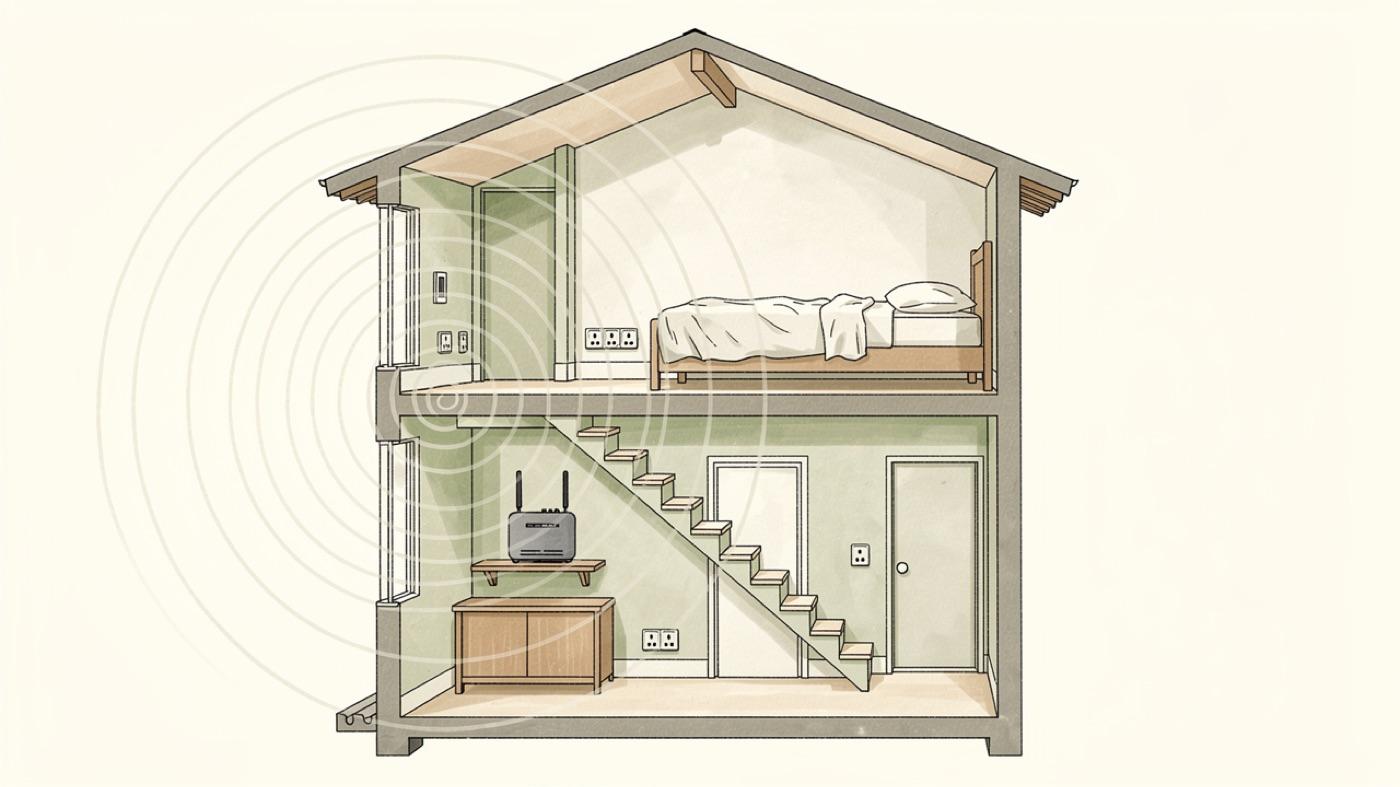
Common sources of alternating magnetic fields in modern homes include:
- Power lines
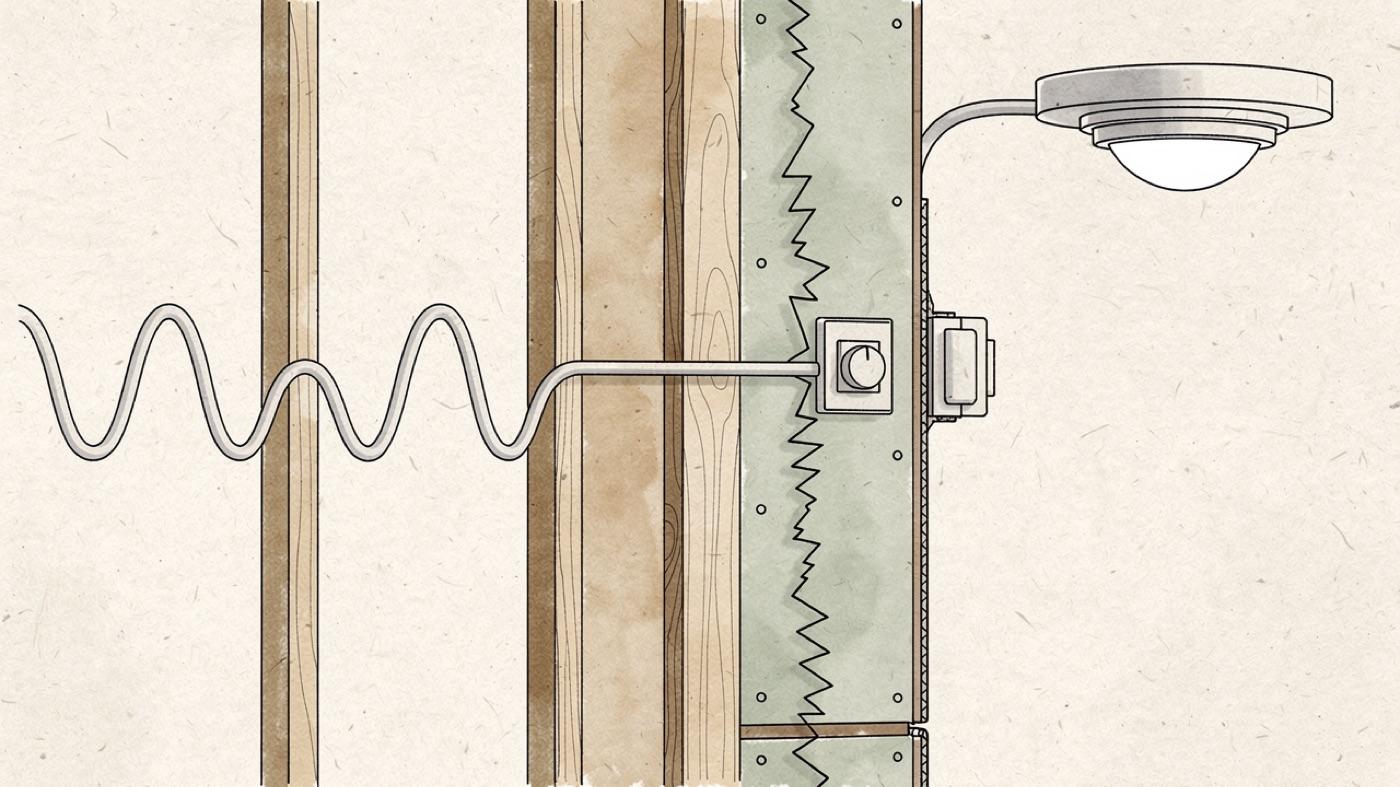
- Electrical wiring
- Electrical appliances such as shavers, hair dryers, and electric blankets
Those are the sources the National Cancer Institute names for ELF fields. It also notes that the strength of a magnetic field decreases rapidly with increasing distance from its source. Distance is the simplest tool a homeowner has. Our glossary of EMF terms and definitions explains how these fields are measured.
The impact of alternating magnetic fields extends beyond human health. Multiple studies have found concerning effects on animals:
Assessing Your Exposure
The first step in addressing alternating magnetic field exposure is a professional EMF inspection. A building biologist or EMF consultant can conduct a thorough survey of your home to identify and measure sources of concern. At Senergy360, our Healthy Home Inspections include detailed alternating magnetic field measurements using laboratory-grade equipment.
Reduction Strategies
Unlike some environmental factors, alternating magnetic fields cannot be blocked by conventional shielding materials. Instead, reduction strategies focus on:
We cover practical options in 7 powerful ways to shield your home from magnetic fields.

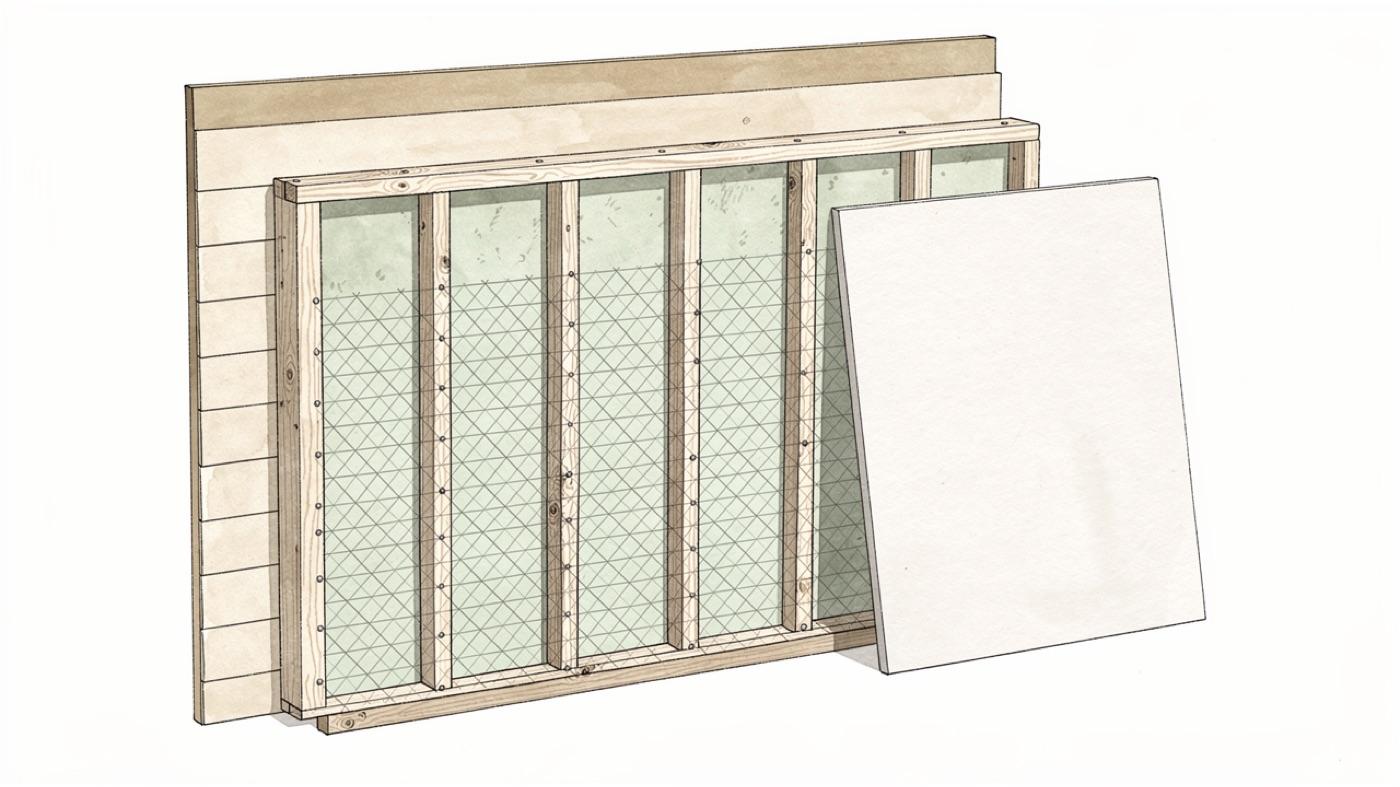
Building or renovating with alternating magnetic field awareness can significantly reduce your family's exposure. Key strategies include:
Building Biology Guidelines
While government regulations permit much higher exposures, building biology standards recommend these maximum alternating magnetic field levels for healthy living spaces:
For comparison, conventional building codes in most countries permit exposures of 1,000,000 nanotesla (10,000 mG) or higher, a level that building biologists consider biologically incompatible with human health.
Creating a truly healthy home environment requires addressing alternating magnetic fields along with other environmental factors. While the scientific evidence continues to grow, prudent avoidance makes sense given the potential health impacts associated with these ubiquitous fields.
At Senergy360, we're committed to helping families create living environments that support optimal health and wellness. Our thorough Healthy Home Inspections include detailed alternating magnetic field measurements, and our construction services incorporate EMF-reduction strategies from the ground up.