September 14, 2026
By Brian Johnson, Building Biologist and Licensed General Contractor
EMF Definition and Glossary: The Terms Behind a Low-EMF Home
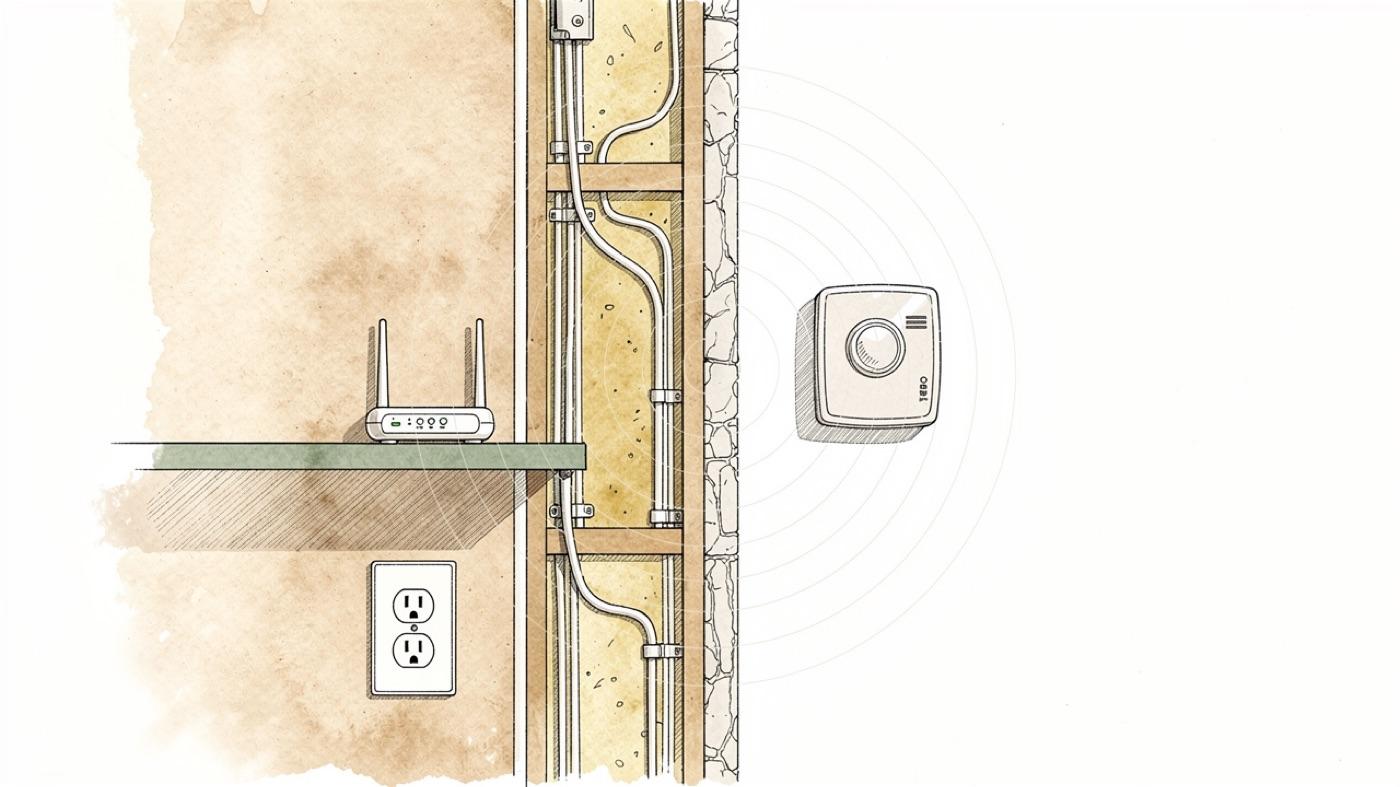
An EMF definition is simple on paper. EMF stands for electromagnetic field, an area of energy given off by anything that carries or transmits electricity. The hard part is the vocabulary around it, because a good EMF report uses a dozen terms that sound alike and mean different things.
This glossary is the list we wish every client had before their first inspection. Each term gets a short definition and, where it matters, a note on where you will meet it in a house. For what these fields do and which ones concern us most, see our post on dangerous EMF categories.
The EMF definition and its close cousins
EMF, electromagnetic field
An area of energy produced by electric charge, whether in a wire, a device or an antenna. In building biology we split it into the separate fields below, because each one is measured and reduced differently.
EMR, electromagnetic radiation
Energy traveling outward as waves. In practice the term covers electric and magnetic fields, dirty electricity and high-frequency signals from about 30 kHz to 300 GHz, which includes Wi-Fi, cell phones and towers, AM and FM radio and radar.
Electromagnetic pollution
The sum of all the EMFs and EMR in an environment. Other names for pieces of it include noise, high-frequency transients, harmonics, hash, voltage spikes, VLF and microsurges.
Hertz, Hz
Cycles per second. North American house power runs at 60 Hz, meaning the current reverses direction 60 times a second.
Non-ionizing and ionizing radiation
The two broad groups EMFs are sorted into by frequency. The National Institute of Environmental Health Sciences, in its overview of electric and magnetic fields, places extremely low frequency fields, radio frequency and microwaves in the non-ionizing group, and lists power lines, Wi-Fi networks, cell phones and smart meters as examples.
The low-frequency fields in your walls
AC electric field
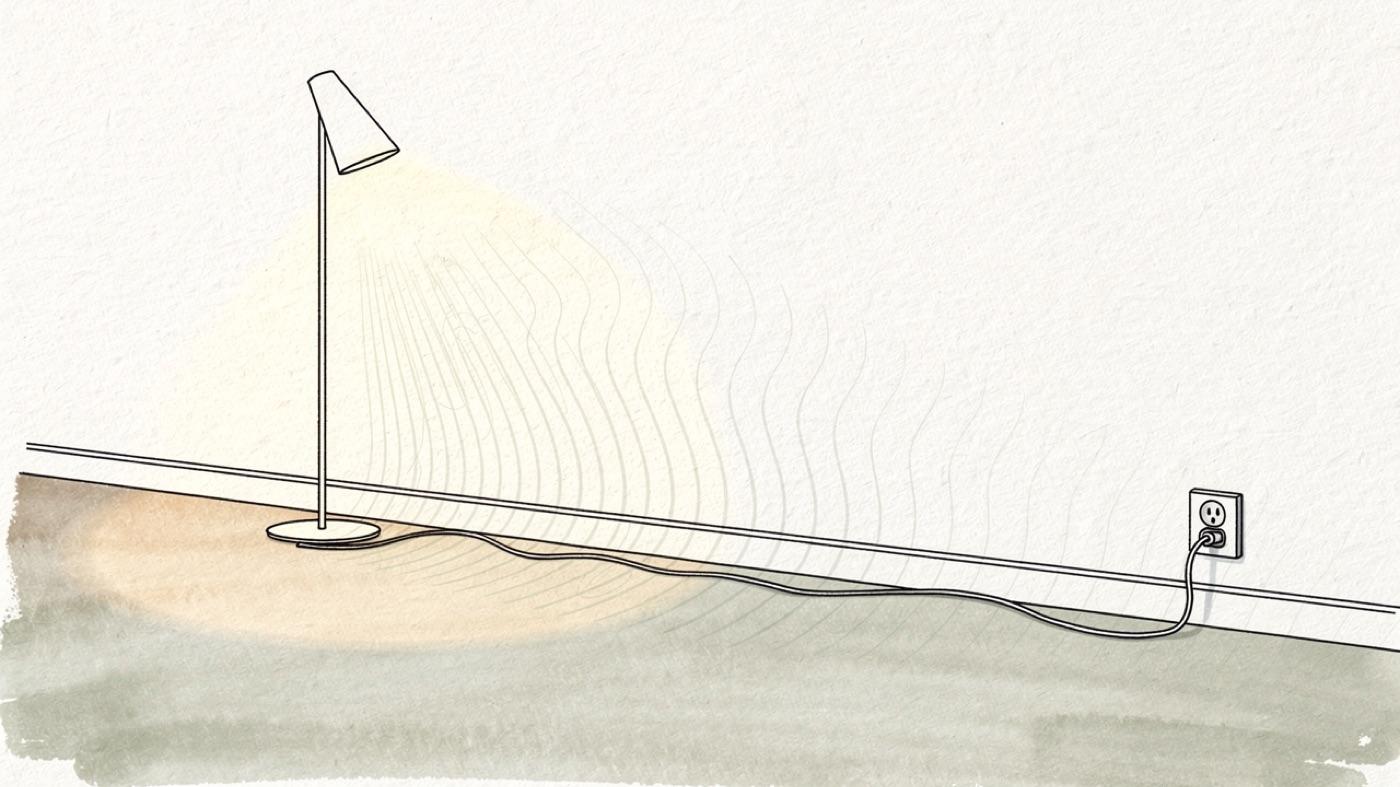
The field given off by any wire that is energized to 120 volts, which is nearly all house wiring nearly all of the time. It radiates from the hot wire along its whole length and can reach six to eight feet into a room, through the drywall. Power cords and extension cords produce it too, whether or not the device is on. Our post on the AC electric field goes further.
The World Health Organization explains the difference between the two AC fields this way:
Electric fields are created by differences in voltage: the higher the voltage, the stronger will be the resultant field. Magnetic fields are created when electric current flows: the greater the current, the stronger the magnetic field.
AC magnetic field
The field produced when current actually flows. Unbalanced current, common in wiring errors across North American homes, creates a magnetic field that radiates outward from the wires into the room. Both AC fields vibrate at the 60 Hz base frequency of the power supply. For sources and fixes, see alternating magnetic fields.
Ground current
Current returning to the utility through the earth or through metal water pipes instead of the neutral wire. It is a major source of magnetic fields, especially in rural areas, and one reason we spend so much time on grounding and electrical design.
Dirty power and dirty electricity
Dirty power
A term for the quality of power delivered by the utility from a central source to its customers. Voltage spikes on the grid cost money. The source material we work from cites an Electric Power Research Institute estimate of 4 to 6 billion dollars a year in losses to American industry.
Dirty electricity, DE
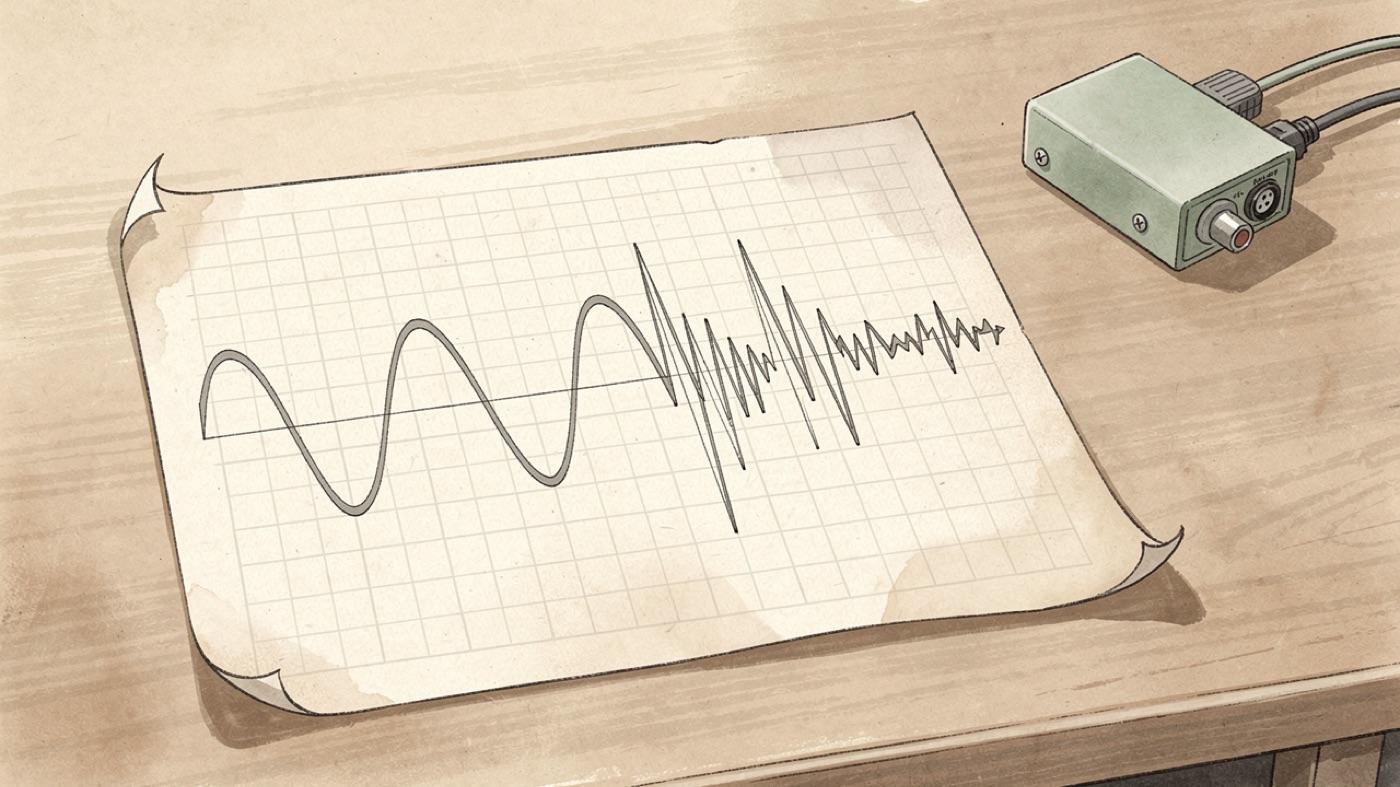
High-frequency signals riding on the wiring inside a building, roughly 2 kHz to 100 kHz. It is present nearly everywhere in modern life. Our post on what dirty electricity is covers it in depth.
Common sources of dirty electricity
- Utility power arriving already noisy
- Switch-mode power supplies in electronics and chargers
- AMI smart meters, which send pulsed high-frequency signals along the wiring
- Energy-efficient lights with built-in switch-mode supplies
- Variable speed motors in smart appliances
- Solar PV inverters
- Utility ground current
Switch-mode power supply, SMPS
The small, efficient power converter inside almost every modern device. It chops the incoming current on and off thousands of times a second, and those chops become the high-frequency noise above.
Transients, harmonics and microsurges
Different words for the same family of short, sharp distortions in the power waveform. Transients and spikes are brief jumps in voltage. Harmonics are multiples of the base frequency layered on top of it.
Interference
EMI and RFI, electromagnetic and radio frequency interference
Unwanted energy that disturbs equipment or, in a home, occupants. It can be conducted, traveling through contact along wires, or inductive, coupling through the air. Manufacturers, hospitals full of medical devices and astronomy observatories all treat EMI as a critical design problem.
Radio frequency, RF
The high-frequency band used for wireless communication. Cell towers, Wi-Fi routers, cordless phones and smart meters all transmit here. Reducing RF is the focus of our EMF protection guide. The NIEHS notes that the WHO's International Agency for Research on Cancer has classified radio frequency electromagnetic fields as possibly carcinogenic to humans (Group 2B), based on an increased risk for glioma associated with wireless phone use.
Health terms you will see in the literature
EHS, electromagnetic hypersensitivity
A condition in which a person reports symptoms such as headaches, sleep disruption and fatigue in the presence of EMFs. More than ten years ago, one estimate put about 3 percent of the American population as electrosensitive and up to 35 percent as having some EHS symptoms. Those figures are likely higher today given the growth in wireless devices and switch-mode electronics. Our post on electromagnetic hypersensitivity looks at the condition in more detail. For balance, the World Health Organization's EMF questions and answers page states that there is little scientific evidence to support the idea of electromagnetic hypersensitivity, and that research on the subject is difficult.
What the published research covers
Studies to date on dirty electricity are not extensive, but a body of published work links high-frequency transients to negative biological effects. The source material we rely on cites peer-reviewed papers and conference proceedings on cancer, diabetes, neurotransmitter levels, asthma, multiple sclerosis, headaches, childhood leukemia, attention deficit disorder, ALS and EHS symptoms. One study reported improved teacher well-being and student behavior after filters were installed.
We do not overstate that evidence. We measure the fields, reduce the ones that are high and re-measure. Knowing these terms is how you read the report we hand you when we are done.
Related reading: 7 critical insights into the BioInitiative Report.