December 22, 2024 · Updated September 21, 2026
By Brian Johnson, Building Biologist and Licensed General Contractor
7 Powerful Ways to Shield Your Home from Magnetic Fields

In our quest for creating the perfect home environment, we often overlook an invisible yet impactful factor: electromagnetic fields (EMFs), particularly AC magnetic fields. These unseen forces permeate our living spaces and can significantly influence our health and wellbeing.
At Senergy360, we believe that understanding and managing magnetic fields is important to creating a truly restorative home environment. This article explores how magnetic fields affect your recovery space and what you can do about it.
What Are Magnetic Fields?
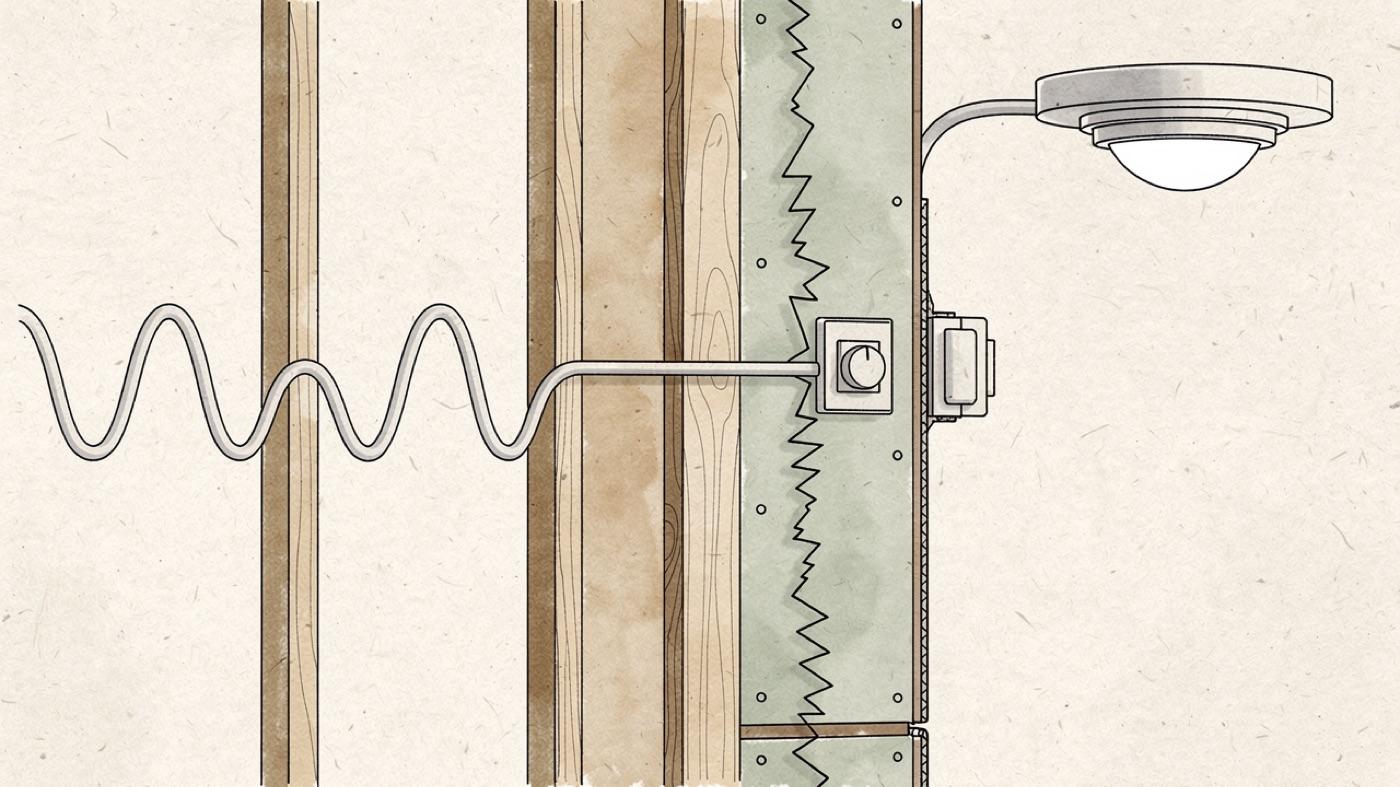
Magnetic fields are generated whenever electrical current flows through a conductor. Unlike some other forms of electromagnetic radiation, these fields can easily penetrate most building materials, making them particularly challenging to shield against.
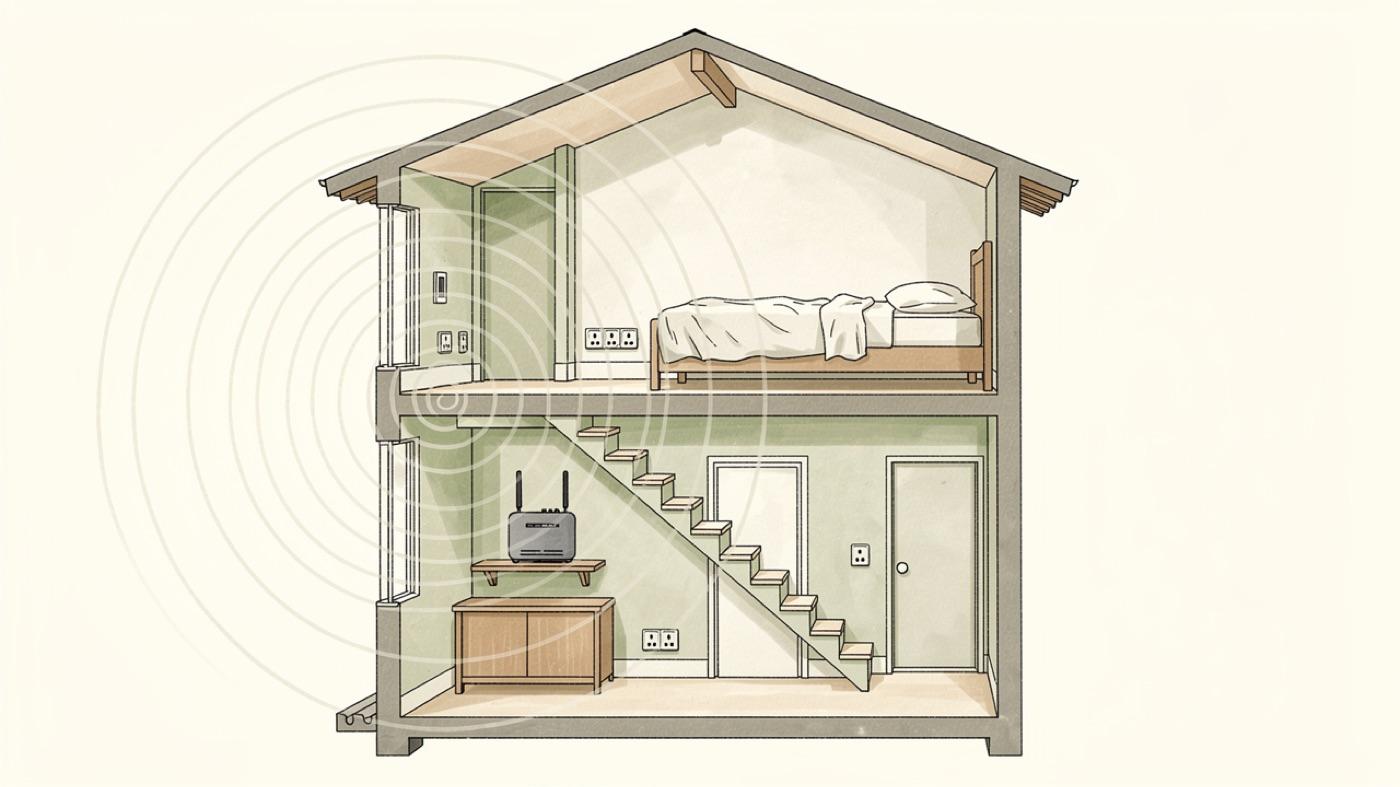
Common sources of magnetic fields in your home include household wiring, electrical appliances, power lines, and electronic devices.
The World Health Organization's questions and answers on electromagnetic fields explains that magnetic fields are created when electric current flows, and that the greater the current, the stronger the field. For the vocabulary used in a field report, see our EMF terms and definitions glossary.

Health Concerns Linked to Magnetic Fields
The World Health Organization's International Agency for Research on Cancer (IARC) classified extremely low frequency electromagnetic fields as a "possible carcinogen" in 2002.
This classification wasn't made lightly after extensive research showing potential correlations between prolonged exposure and health effects.
A landmark study by the Karolinska Institute in Sweden, involving over 436,000 participants, found concerning associations between magnetic field exposure and various health risks.
Beyond these concerns, research has identified potential impacts on sleep, cellular function, and overall well-being.
What the WHO and NIEHS say
The WHO's summary of the research is cautious, and worth reading in full.
A number of epidemiological studies suggest small increases in risk of childhood leukemia with exposure to low frequency magnetic fields in the home.
The same page adds that scientists have not generally concluded these results show cause and effect. The National Institute of Environmental Health Sciences, in its overview of electric and magnetic fields, describes the childhood leukemia association in power-frequency studies as weak, and reports no evidence of a link to adult cancers in the few adult studies.

How Magnetic Fields Are Measured
Magnetic field strength is typically measured in milligauss (mG) using a specialized device called a gaussmeter. In the United States, these readings are typically taken at 60 Hz (50 Hz in Europe).
The Building Biology standard for sleeping areas recommends maintaining magnetic field levels below 0.2 milligauss for optimal sleep environments. Unfortunately, many homes exceed these levels, especially in urban environments or homes with electrical issues.
Why Your Bedroom Matters Most
Your recovery environment, particularly your bedroom, should be a retreat for restoration. When magnetic fields are elevated in these spaces, they can potentially disrupt sleep cycles and impact cellular repair processes.
7 Ways to Shield Your Home from Magnetic Fields
Here are seven effective approaches to managing magnetic fields in your home recovery environment.
- Measure first. Use a gaussmeter to find where readings are high before changing anything, and measure again after each fix.
- Add distance. The World Health Organization notes that the magnetic field around household appliances rapidly decreases the further you get from them, so distance is the simplest fix.
- Move the bed. Keep the head of the bed away from walls that back onto the electrical panel, the meter or major appliances.
- Clear the nightstand. Move plug-in clocks, chargers and power adapters a few feet from where you sleep.
- Have wiring errors corrected. Some wiring mistakes, such as a neutral wire shared between circuits, let current flow unevenly and create strong fields throughout a room. A licensed electrician can find and fix them.
- Check for current on pipes. Current returning on metal water pipes or the grounding path can raise fields across a whole house. An electrician should diagnose this, since bonding and grounding are safety systems that must stay code compliant.
- Plan it in new construction. Locate the panel and service entry away from bedrooms, and route wiring so hot and neutral conductors run together, which keeps their fields low.
Our guides to alternating magnetic fields and how to reduce EMF at home and in the bedroom walk through sources and fixes in more detail.

When addressing magnetic fields, several technical factors must be considered.
- Where the field comes from: an appliance, the wiring, current on pipes, or outside power lines
- How close the source is to where you sleep and sit
- How many hours a day you spend in the space
- What the gaussmeter reads before and after each change
Investing in a Clean Electromagnetic Environment
Just as we wouldn't skimp on quality materials for our home's foundation, investing in a clean electromagnetic environment could be important for your long-term health and wellbeing.
At Senergy360, we specialize in creating living spaces that support optimal health by addressing not just magnetic fields, but all aspects of a healthy home environment, from air quality to non-toxic materials.
Ready to transform your home into a true recovery retreat? Contact our team at Senergy360 for a thorough EMF inspection and personalized recommendations for your specific situation.