August 3, 2024
By Brian Johnson, Building Biologist and Licensed General Contractor
7 Sneaky Signs Your Home Has Mold: Identifying Hidden Dangers
Mold can quietly infiltrate your home, often remaining undetected until it escalates into a significant issue.
Recognizing the subtle signs of mold is essential for preserving a healthy living space. Here are some key indicators to help you identify mold problems before they worsen.
These signs can be easily missed, ranging from unusual odors to unexpected stains on walls. Staying alert is vital, as mold can flourish in damp or humid areas without attracting much attention. Knowing what to watch for helps you take action early.
Explore these seven signs to learn how to protect your home from the hidden dangers of mold.
Understanding Mold in Your Home
Mold is a prevalent issue that can impact homes in various ways. It thrives in warm, moist environments and often goes unnoticed until significant damage occurs.
For the moisture sources behind most of the mold we find, see our post on what causes mold in a house.
Characteristics of Mold Growth
Mold typically grows in areas with high humidity and poor airflow. It can appear in various colors, including green, black, white, or orange. Common characteristics include:
- Texture: Mold may be fuzzy, slimy, or powdery.
- Odor: A musty or damp smell is often a telltale sign of mold.
- Growth Patterns: Mold can spread rapidly, covering surfaces in no time.
Monitoring areas prone to leaks, such as basements and bathrooms, is important, as mold requires moisture to thrive. Regular inspections of these spaces can help prevent extensive mold growth and protect your home’s structure.
Common Misconceptions About Mold
Several myths surround mold in homes. One common misconception is that all mold is harmful. While some molds can produce toxins, many are relatively harmless. It’s important to note that not all mold poses a serious health risk.
Another myth is that simply painting over mold resolves the issue. In reality, this only provides a temporary fix. Effective remediation involves removing the mold at its source and addressing the underlying moisture problem.
Do not paint or caulk moldy surfaces. Clean up the mold and dry the surfaces before painting. Paint applied over moldy surfaces is likely to peel.
Being aware of these misconceptions allows you to take appropriate action against mold and maintain a healthier living environment.
Early Signs of Mold Problems
You can identify early signs of mold issues in your home by watching for specific indicators, such as strange smells, visible growth, and unexplained physical symptoms.
Unusual Odors and Stains
If you detect a musty or damp smell in certain areas, it could indicate mold growth. These odors are often strongest in enclosed spaces like basements, bathrooms, or behind appliances.
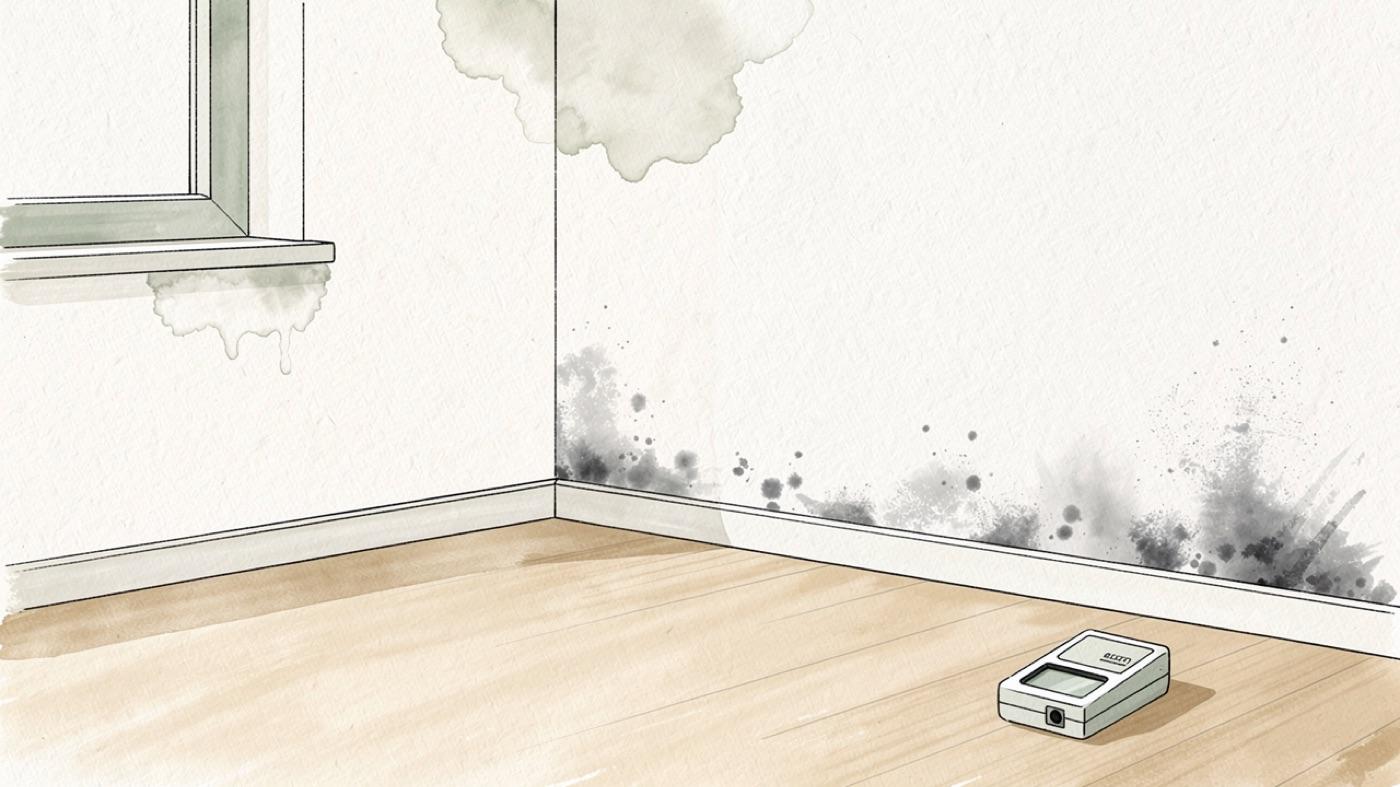
Additionally, keep an eye out for unexpected stains on walls or ceilings, which may appear as dark spots or discoloration. These can indicate a moisture problem that could lead to mold formation. Prompt investigation of these odors and stains is essential to prevent further issues.
Visible Growth Patterns
Mold often presents as visible growth on surfaces, appearing fuzzy, slimy, or discolored. If you notice spots on walls, ceilings, or corners, it typically signals a mold problem. These growths can vary in color, including black, green, or white.
Pay special attention to areas that frequently retain moisture, such as bathrooms and kitchens. Actively monitoring these spaces can help catch mold growth early before it spreads.
Persistent Physical Symptoms
You may experience ongoing physical symptoms without a clear cause, such as coughing, sneezing, or skin irritation. If these symptoms worsen in specific areas of your home, it could indicate mold exposure.
Respiratory issues may become more pronounced, especially for those with allergies or asthma. If you notice a connection between your symptoms and particular rooms, addressing those areas promptly is vital for your health and well-being.
High-Risk Areas for Mold Growth
Certain areas in your home are more susceptible to mold growth due to humidity and moisture levels. Here are three key locations where mold is likely to thrive.
Bathrooms and Kitchens
Bathrooms and kitchens are among the most humid spaces in the home. Water from showers, sinks, and cooking can create a damp environment.
Key monitoring aspects:
- Showers and tubs: Water tends to accumulate here. Check for leaks and use an exhaust fan.
- Sinks and countertops: Regularly wipe down surfaces to prevent moisture buildup.
- Grout and caulking: Look for signs of mold growth, as these areas can trap moisture.
Proper ventilation in these rooms is important for minimizing humidity levels. Regular checks for leaks and sealing any gaps can significantly reduce the risk of mold.
Basements and Crawl Spaces
Basements and crawl spaces often remain cool and damp, making them ideal for mold spores. Poor ventilation and water intrusion can worsen the problem.
Precautions to consider:
- Water leaks: Repair any plumbing issues immediately.
- Damp surfaces: Use a dehumidifier to maintain optimal humidity levels.
- Insulation: Properly insulate pipes and walls to prevent condensation.
Regular inspections are essential in these areas. Address any signs of water damage or musty odors promptly.
Windows and Ventilation Systems
Windows can harbor mold due to condensation forming on glass, especially during colder months. Additionally, poor ventilation systems can allow moisture to accumulate.
What to watch for:
- Condensation: Wipe away excess moisture on window sills and frames.
- Air ducts: Keep ducts clean and ensure proper airflow; clogged ducts can lead to moisture buildup.
- Filters: Regularly replace HVAC filters to maintain air quality.
Being proactive in these areas can minimize mold growth and maintain a healthier home environment. Regular checks and maintenance are key to mold prevention.
Damage Caused by Mold
Mold can lead to significant material damage in your home, particularly affecting wood, paint, and textiles.
Warped Wood and Peeling Paint
Mold thrives in damp conditions and often targets wooden structures. Wood can warp, losing its original shape and compromising the integrity of furniture, flooring, and structural beams.
Peeling paint is another common sign of mold presence. When mold grows beneath the surface, it can cause paint to loosen and flake off, affecting both aesthetics and the protection of underlying surfaces.
Deterioration of Textiles and Fabrics
Textiles are especially susceptible to mold. Mold can develop on clothes, curtains, and upholstery, leading to staining and unpleasant odors.
Fabrics can weaken over time, making them more prone to tearing. Regular checks in high-humidity areas like basements and bathrooms are advisable, as textiles often retain moisture.
In summary, promptly addressing mold damage can prevent escalation and protect physical materials and financial resources.
Health Risks Associated with Household Mold
Mold in the home can lead to various health issues, particularly affecting the respiratory system and triggering allergic reactions. Understanding these implications is vital for maintaining health and well-being.
According to the U.S. EPA's page on mold and health, molds produce allergens and irritants, and mold exposure can irritate the eyes, skin, nose, throat, and lungs of both mold-allergic and non-allergic people.
Allergic Reactions and Respiratory Issues
Exposure to mold can result in allergic reactions, including sneezing, coughing, and itchy eyes. Individuals with existing allergies may experience increased symptoms when exposed to mold spores.
Common respiratory issues include:
- Asthma attacks: Mold can trigger or exacerbate asthma symptoms.
- Chronic cough: A persistent cough can develop, often worsened by mold exposure.
- Shortness of breath: Some individuals may find breathing difficult, particularly those with pre-existing lung conditions.
Children and individuals with compromised immune systems are especially vulnerable. Promptly addressing mold issues can help alleviate these health risks.
Long-Term Health Effects
Prolonged exposure to mold may lead to serious long-term health consequences, including chronic respiratory illnesses or worsening existing conditions.
Notable concerns include:
- Lung infections: Increased risk for those with weakened immune systems.
- Sinus infections: Chronic sinusitis can develop from ongoing mold exposure.
- Neurological symptoms: In rare cases, cognitive issues and memory problems may arise.
Taking proactive measures to eliminate mold and reduce moisture levels is essential for long-term health. Regular checks and maintenance can prevent serious complications associated with mold exposure.
Effective Mold Prevention Strategies
Maintaining a clean and dry environment is important for preventing mold growth. Focus on two primary strategies: regular cleaning and maintenance, along with effective moisture control techniques.
Regular Cleaning and Maintenance
Prioritize regular cleaning throughout your home to minimize mold risk. Cleaning surfaces with soap and water helps eliminate dirt and potential mold spores.
Pay special attention to moisture-prone areas, such as:
- Bathrooms: Wipe down sinks and showers after use.
- Kitchens: Clean countertops and dining areas frequently.
- Basements and attics: Vacuum and dust regularly to prevent buildup.
Inspect and repair any leaks, as even minor ones can create ideal conditions for mold. Ensuring proper ventilation in these spaces is also vital. Using a dehumidifier in damp areas can help maintain a healthy environment.
Moisture Control Techniques
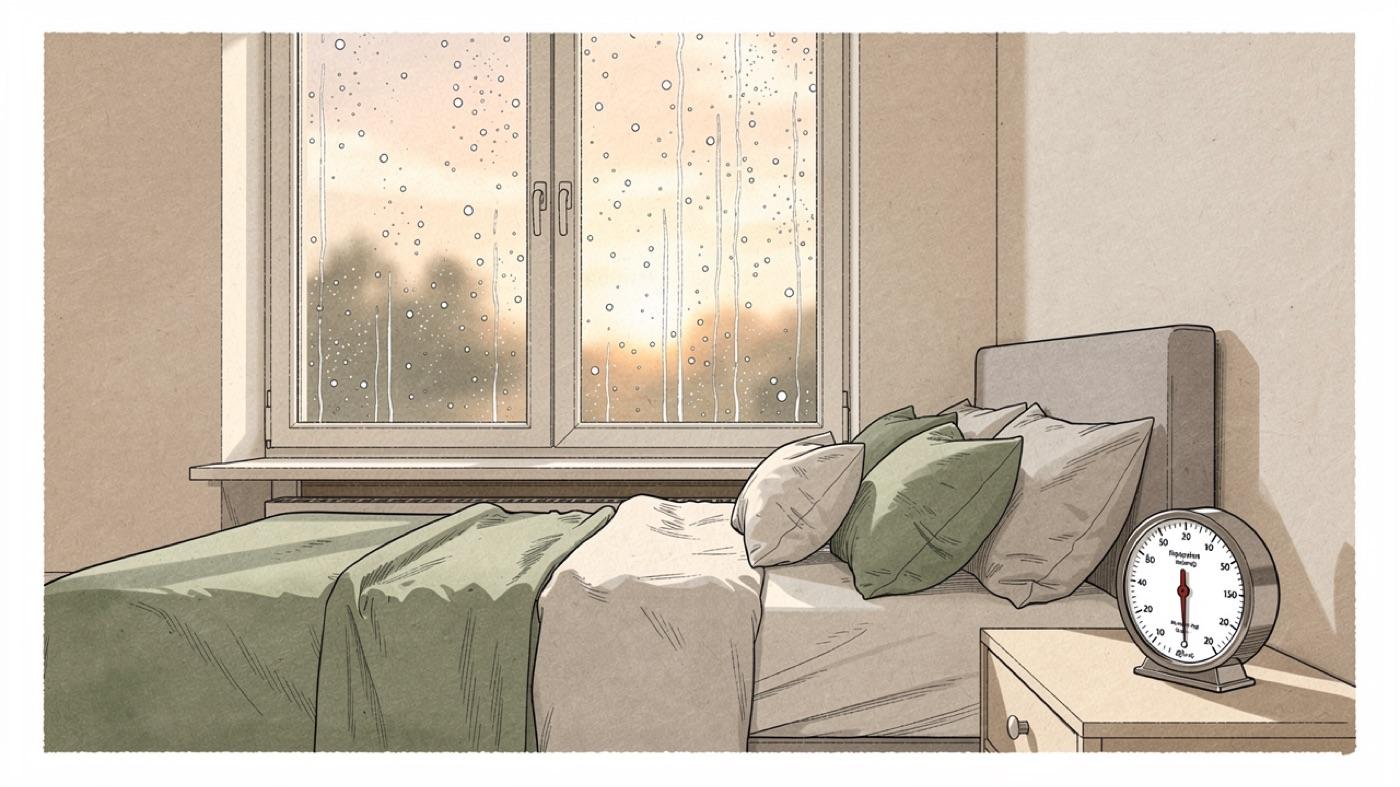
Controlling moisture is essential in preventing mold growth. Consider using a hygrometer to monitor indoor humidity levels, aiming for a range of 30% to 50%.
That matches the EPA's guidance to keep indoor humidity below 60 percent, ideally between 30 and 50 percent. Our post on how to reduce moisture in your house covers the fixes room by room.
Here are effective moisture control techniques:
- Use exhaust fans: Install them in bathrooms and kitchens to reduce humidity.
- Seal windows and doors: Check for gaps that may allow moisture to enter.
- Fix plumbing leaks: Address leaks promptly and ensure proper drainage.
Regularly inspect gutters and downspouts to direct water away from your foundation. Keeping surfaces dry and clutter-free also improves airflow throughout your home.
Professional Mold Inspection and Remediation
Identifying mold in a home can be challenging. If you notice persistent signs of mold, consider contacting Senergy360 for a professional inspection. Trained specialists can detect mold that you might overlook.
If you are weighing a home test kit first, our post on DIY mold kits vs a professional inspection explains what each can and cannot tell you. The EPA says most homeowners can handle a moldy area smaller than about 10 square feet themselves, but where there has been a lot of water damage, or growth covers more than 10 square feet, it points to its Mold Remediation in Schools and Commercial Buildings guidance.
What to Expect During Inspection
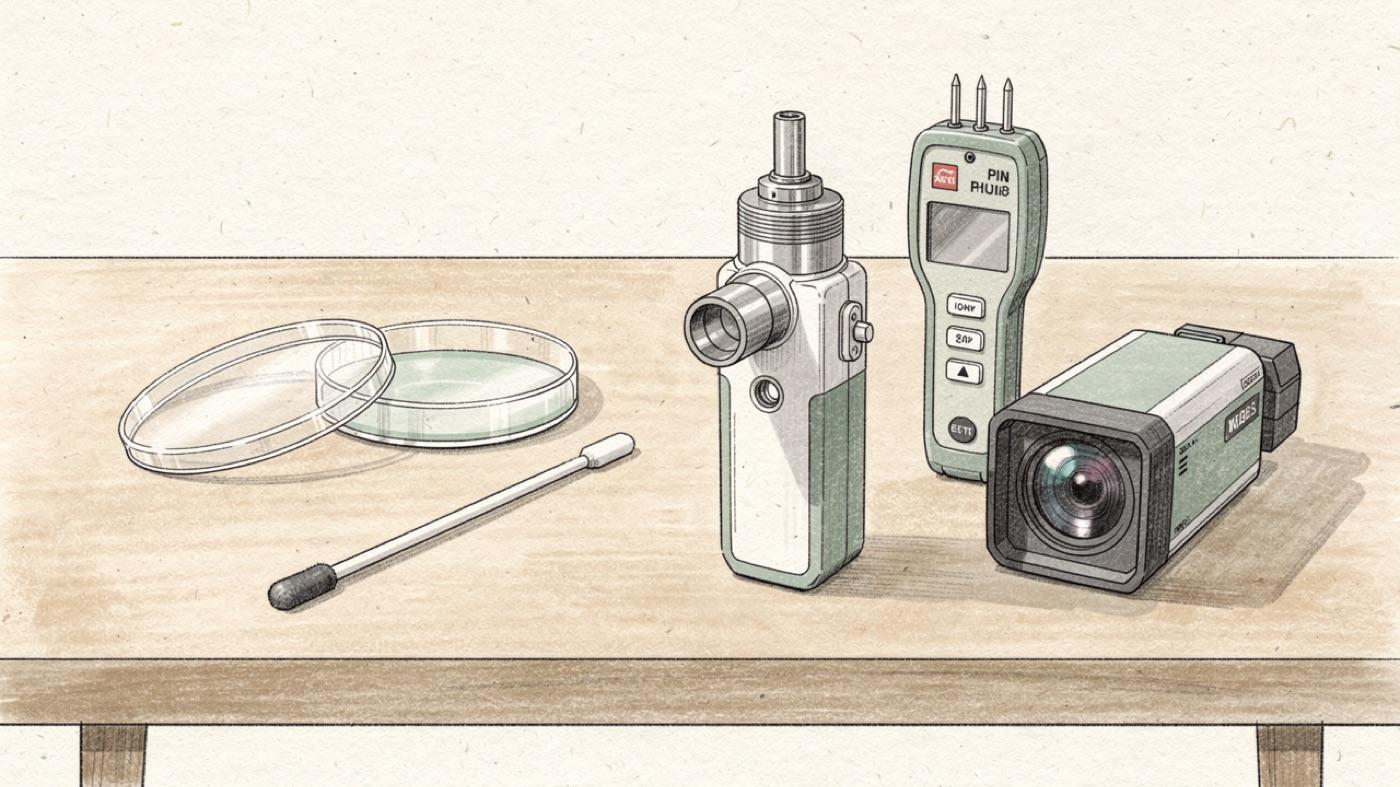
- Visual Inspection: Inspectors will examine visible areas for signs of mold.
- Moisture Testing: Tools will be used to measure humidity levels and identify moisture sources.
- Air Quality Testing: Samples may be taken from the air to detect mold spores.
Remediation Process
Mold Remediation Process
Once the mold is confirmed, remediation can begin. Senergy360 manages mold remediation projects, which typically involve:
- Containment: Preventing the spread of mold to unaffected areas.
- Removal: Safely disposing of contaminated materials.
- Cleaning: Applying antifungal solutions to affected surfaces.
Conclusion
Mold prevention is important for protecting your health and preserving your home. By understanding mold and its causes and implementing effective moisture management strategies, you can create a healthier living environment for you and your family.
Home Inspections
Are you ready to ensure your home is mold-free?
Enhance indoor air quality and overall well-being. Contact us for a thorough mold inspection. In Arizona, see mold inspection in Tucson and mold inspection in Phoenix.