September 14, 2026
By Brian Johnson, Building Biologist and Licensed General Contractor
Non Toxic Laundry Detergent and a Mold-Free Laundry Room
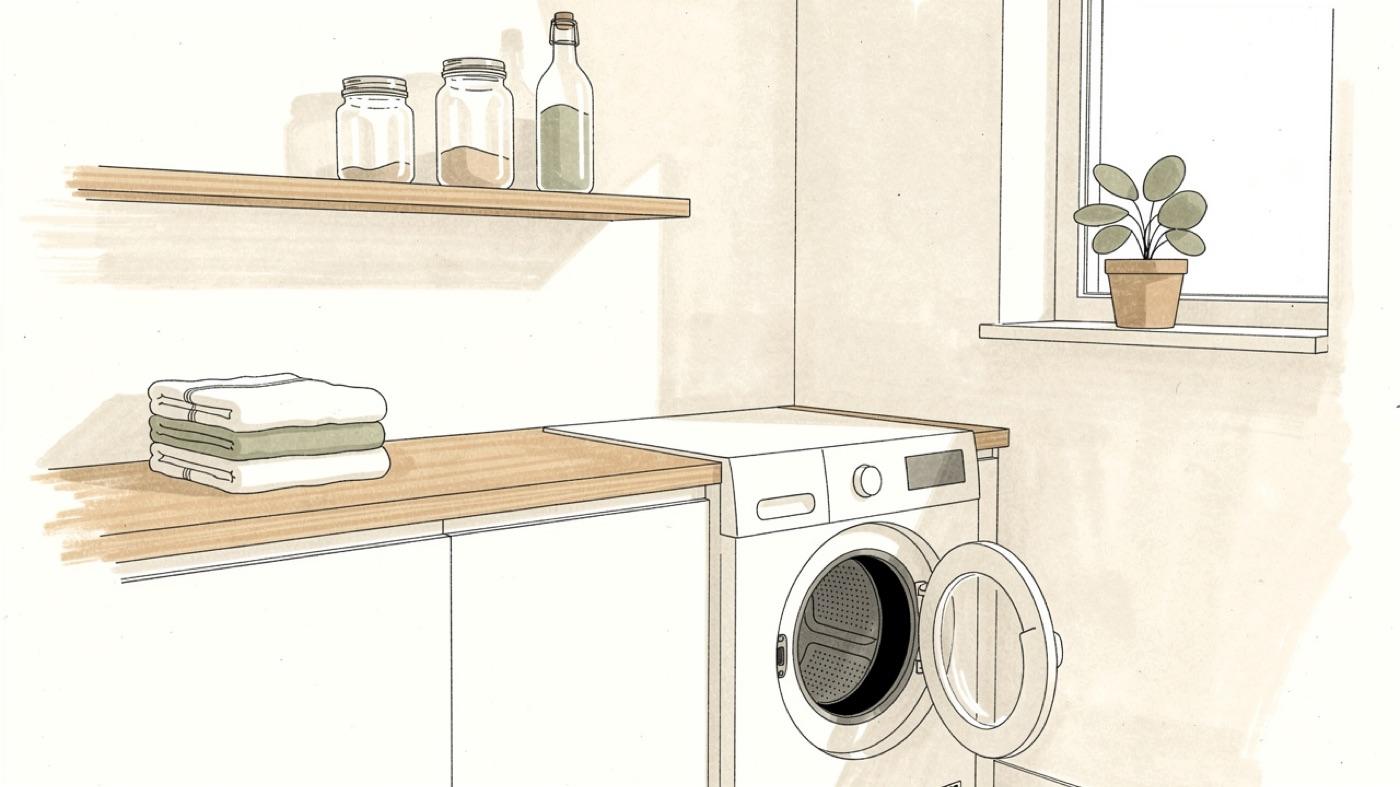
Most laundry aisles sell fragrance, brighteners and surfactants in a jug. A true non toxic laundry detergent does something simpler. It gets fibers clean without leaving a chemical film on the clothes you sleep in.
Affiliate disclosure: this post contains affiliate links. If you buy through them, SENERGY360 may earn a small commission at no extra cost to you, and it never changes what we recommend. Read our affiliate disclosure.
At SENERGY360 we look at laundry the same way we look at the rest of a healthy home. The detergent matters, but the machine matters more. A front-loading washer that never dries out will grow mold no matter what you pour into it.
What non toxic laundry detergent means
The label "natural" is not regulated. Read the ingredient list instead of the front of the bottle. If the maker will not list every ingredient, that is your answer.
One third-party label is worth knowing. The U.S. EPA's Safer Choice program certifies cleaning products with safer chemical ingredients, reviews performance, pH and packaging as well, and audits certified products every year. EPA also has a separate label for products that are fragrance-free.
Ingredients to avoid
- Synthetic fragrance, usually listed as "fragrance" or "parfum"
- Optical brighteners, which coat fibers so they reflect more light
- Chlorine bleach and bleach alternatives with added dyes
- Quaternary ammonium softeners, found in most fabric softeners and dryer sheets
- Preservatives such as methylisothiazolinone
These residues stay in the fabric after the rinse cycle. They sit against your skin all night and they release into bedroom air. People with sensitive skin or chemical sensitivity often notice the difference within a week of switching.
What a clean formula looks like
A short list is a good sign. Plant-based surfactants, washing soda, a simple enzyme blend and nothing else will handle a normal load. We cover the wider routine, including drying and storage, in our healthy laundry guide.
Start with the machine, not the bottle
Traditional detergents leave a film inside the drum and the hoses. That film feeds mold. It is the reason a front-loading washer can smell musty even when it is empty.
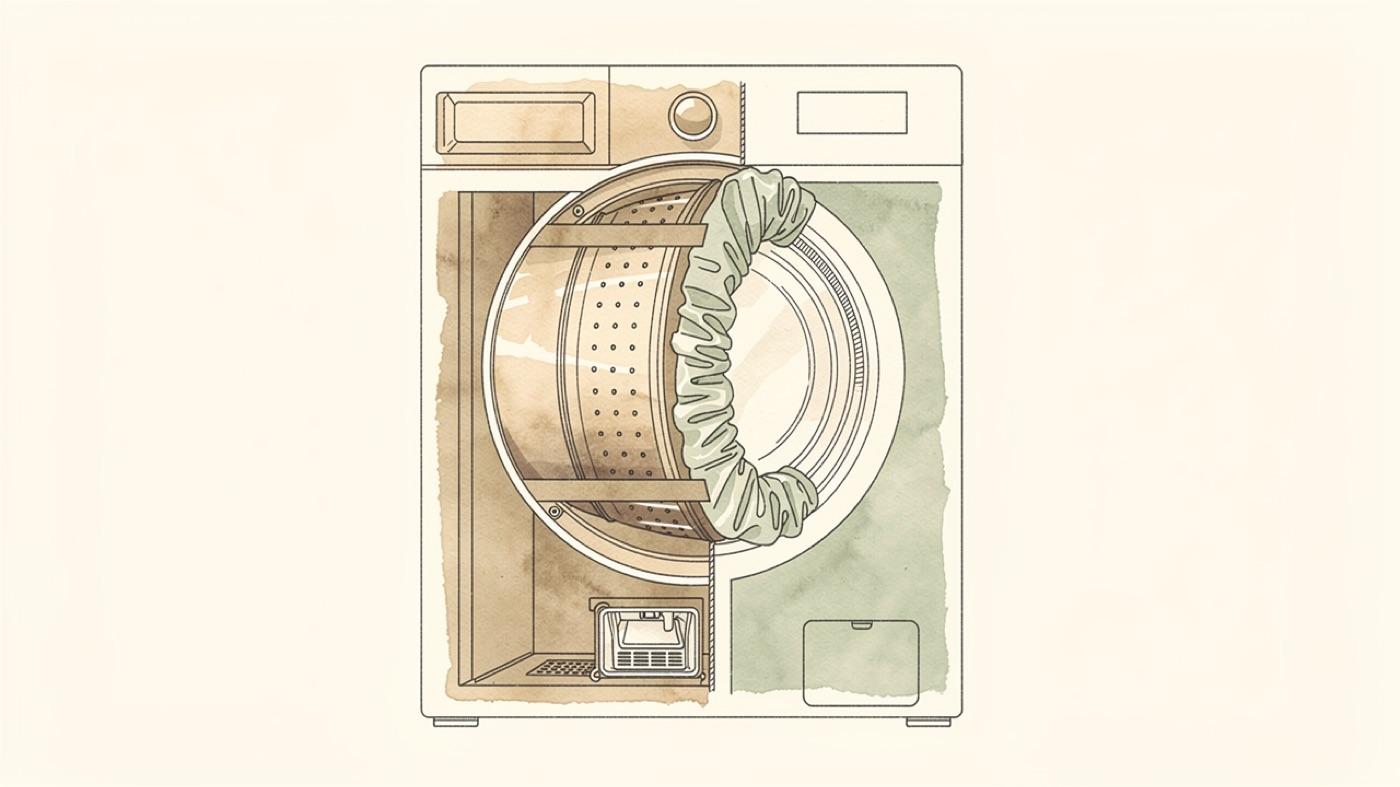
SENERGY360 recommends the Laundry Pure 3.0 system as the foundation of a non-toxic, mold-resistant laundry routine. It uses ActivePure technology to infuse cold water with hydrogen and oxygen based oxidizers, including molecular hydrogen peroxide that kills odor-causing bacteria and fungi. Those oxidizers bubble and lift dirt out of the fibers.
Why we specify it
- Third-party laboratory tested to neutralize mold spores, pollen, allergens, bacteria and pathogens
- Especially effective for front-loading washers, which are known for mold buildup
- Reduces or eliminates the need for detergent, bleach or hot water
- Brightens sheets and towels and leaves them softer without softener residue
For new builds, contractors and architects can spec Laundry Pure 3.0 into the laundry room from the start. For existing homes it is an easy retrofit on the cold water line.
Installation takes a pair of pliers and a screwdriver. The unit connects between the water supply and the washer with the included hoses and mounts to the wall. No plumber or electrician is needed.
You can order Laundry Pure 3.0 from our shop and use code s10%retail for 10% off. Our healthy plumbing design principle treats the laundry connection as part of the water system, not an afterthought.
Boosters for tough loads
Cold-water oxidation handles everyday laundry. Work clothes, athletic gear and towels that sat wet need a little more. We use a simple booster rotation instead of reaching for stronger chemicals.
- Branch Basics concentrate, a gentle non-toxic cleaner that works as a pre-treat and a booster, code SENERGY360 for 15% off
- Hydrogen peroxide, a strong natural disinfectant that breaks down into water and oxygen
- Baking soda to balance pH and deodorize fabric
- Dirty Labs enzymes to break down organic residues like sweat and food
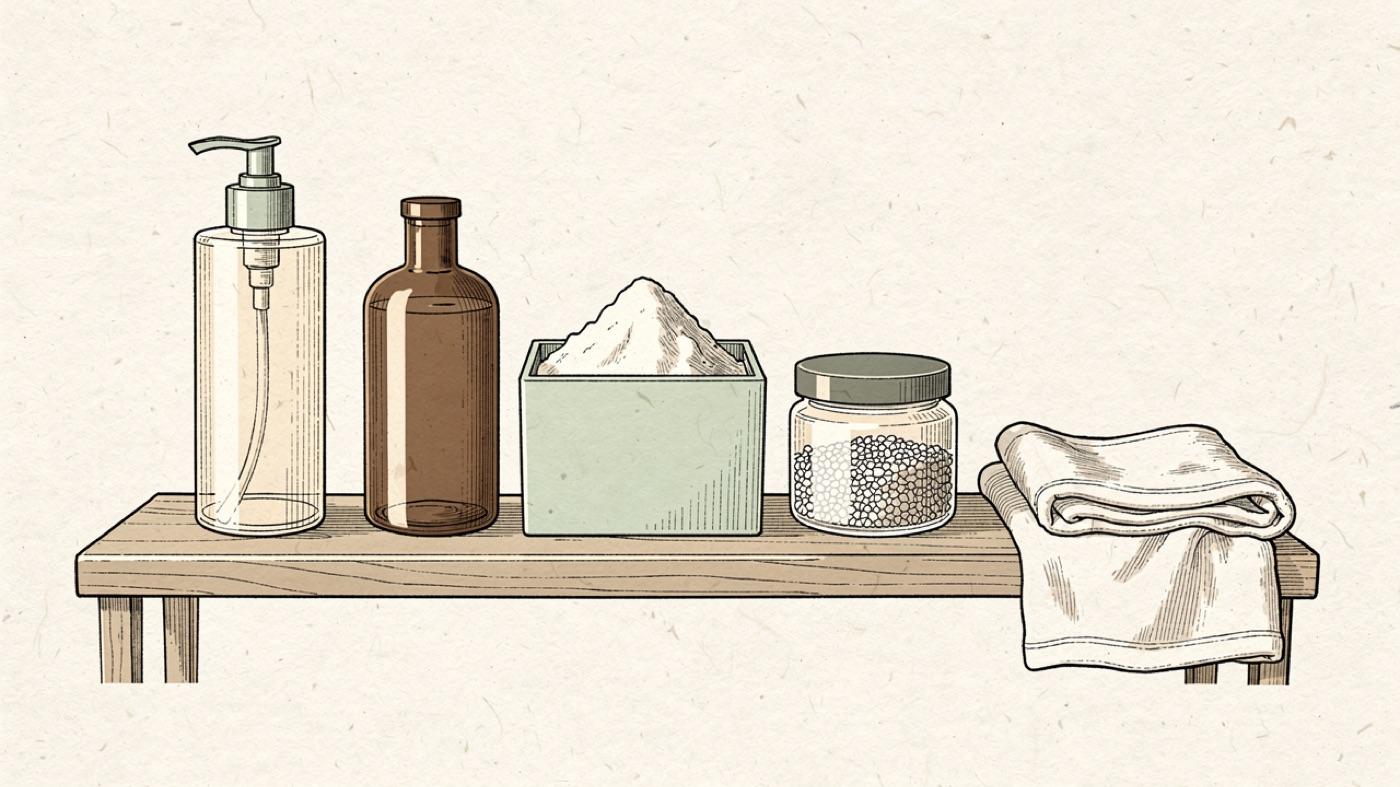
None of these leave a scent behind. That is the point. Clean laundry should smell like nothing.
Mold-resistant laundry habits
Good equipment still needs good habits. These three take less than a minute a week.
Leave the door open
A closed front-loader traps a warm, wet drum. Leave the door and the detergent drawer open between loads so the gasket dries.
Clean the gasket and the filter
Pull back the rubber gasket fold and wipe it out. Open the drain filter at the base of the machine and rinse it. On an older machine, do this before you switch to a new system so you are not washing clean clothes in an old biofilm.
Run a peroxide cleaning cycle
Once a month, run an empty hot cycle with a cup of hydrogen peroxide. With Laundry Pure 3.0 this refreshes an older machine and clears the last of the detergent film.
The laundry room as part of the healthy home
A laundry room is a wet room. It needs the same attention as a bathroom. Vent the dryer outdoors, keep the room under 55 percent relative humidity, and give the washer a drain pan with a floor drain.
The dryer vent advice comes straight from the EPA's brief guide to mold, moisture and your home, which lists it among the actions that help reduce humidity:
Vent appliances that produce moisture, such as clothes dryers, stoves, and kerosene heaters to the outside where possible.
For the rest of the house, our guide on how to reduce moisture in your house covers more ways to keep humidity down.
We treat moisture control as a design decision. Our mold prevention principle starts with keeping water where it belongs. In the laundry room that means a dry drum, a dry floor and clothes that come out clean without a chemical residue.
Switching detergent is a small change. Fixing the machine and the room it lives in is the change that lasts.
Related reading: LaundryPure 3.0 and a detergent-free laundry routine.