September 14, 2026
By Brian Johnson, Building Biologist and Licensed General Contractor
How to Reduce Moisture in Your House and Stop Mold Before It Starts
Mold needs water, and in most homes that water comes from the air. Knowing how to reduce moisture in your house is the cheapest mold prevention there is. It costs almost nothing and takes a few minutes a day.
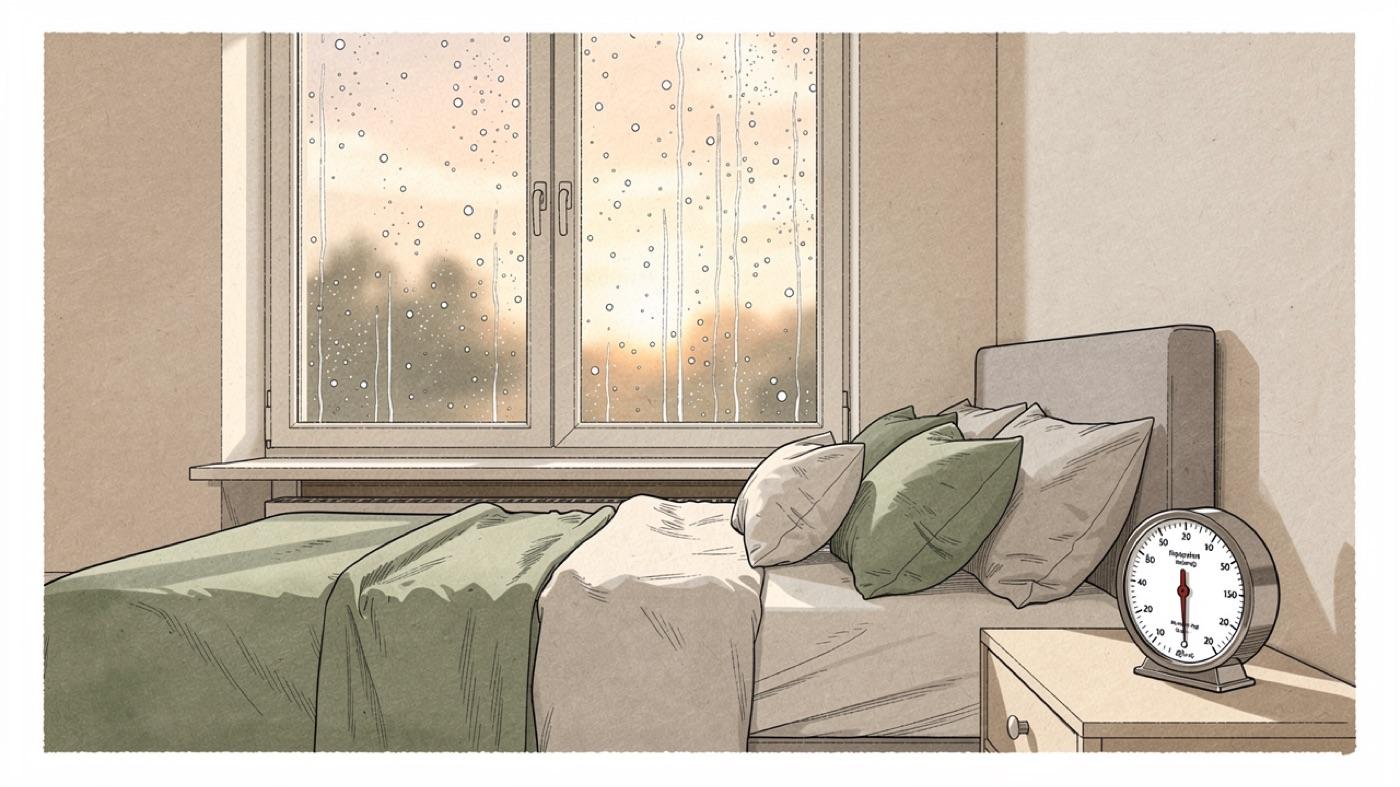
At SENERGY360 we see the same pattern in house after house. A cool bedroom, a closed door, two people breathing all night, and a damp corner by morning. This post explains why that happens and the six habits that stop it.
Why moisture builds up indoors
Every person releases water vapor by breathing, and most of it happens while sleeping. Over an average night one person exhales about half a pint of water. In a closed, cool room that moisture has nowhere to go.
Breathing is only one source. University of Minnesota Extension, in its guide to controlling moisture problems in your home, lists condensation on windows during the winter as one of the first symptoms of excess moisture.
Indoor activities such as bathing, cooking, dishwashing, and just breathing all produce moisture.
Why cold rooms grow mold
Warm air holds more moisture than cold air. When a room sits around 61 degrees, the walls and windows are often below the dew point. The moisture in the air condenses into liquid water on those surfaces.
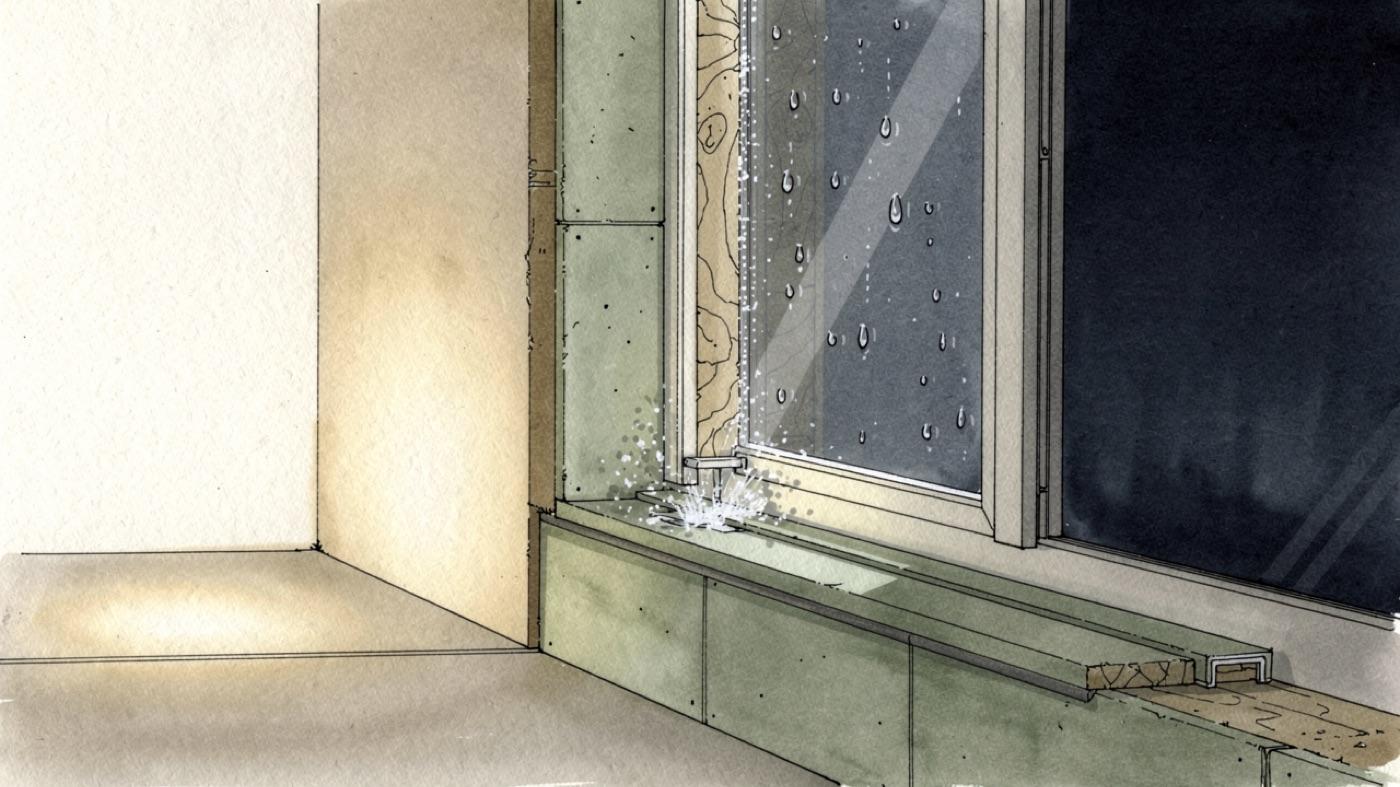
That damp film is all mold needs. Given a food source like drywall, dust or paint, growth can start within 24 to 48 hours. Keeping a home too cold, especially the bedrooms, quietly creates a mold-friendly environment.
What mold needs to grow
- Moisture on a surface
- A food source such as drywall paper, dust, paint or wood
- A surface to colonize
- About 24 to 48 hours of dampness
Take away the moisture and the other three do not matter. That is the whole strategy. The U.S. EPA says the same thing in A Brief Guide to Mold, Moisture and Your Home: the key to mold control is moisture control. For the full list of causes, see what causes mold in a house.
How to reduce moisture in your house
These six steps address the causes in order of impact. Most homes only need the first three done consistently.
Keep rooms at a stable temperature
Hold bedrooms between 67 and 70 degrees. Warmer air and warmer surfaces dramatically reduce condensation. Turning the heat down hard at night saves a little energy and costs a lot of drywall.
Improve ventilation
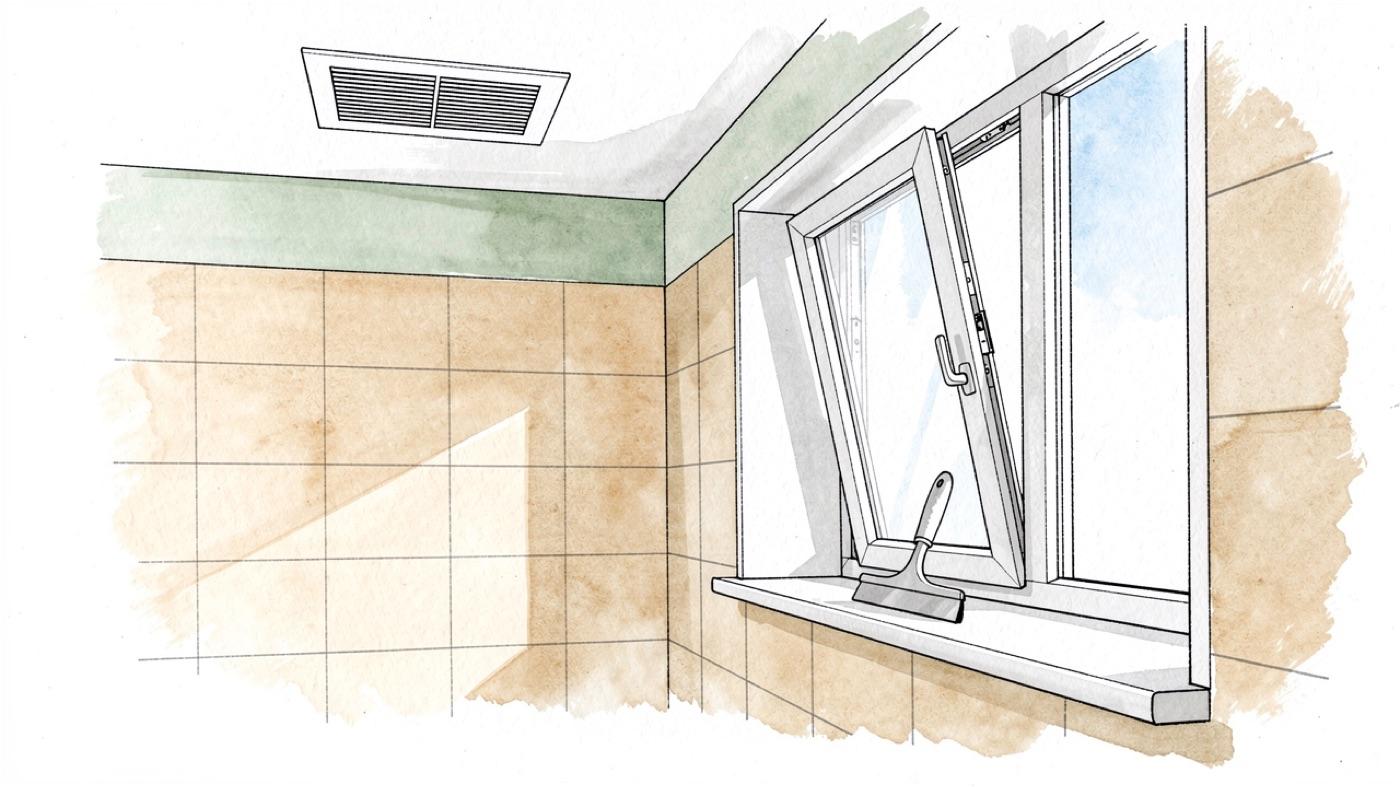
Open windows for five to ten minutes in the morning to flush the overnight moisture. Keep interior doors open where you can. Run bathroom and kitchen exhaust fans during showers and cooking, and for ten to fifteen minutes afterward.
Homes with an ERV or HRV should run them every day. That equipment exists to move this exact moisture out. Our post on fresh air intake covers how much air a home actually needs.
Manage humidity
Keep indoor relative humidity between 30 and 45 percent. A small hygrometer tells you where you stand. If the house feels damp or stuffy, add a dehumidifier in the worst room first. The EPA's guidance is to keep indoor humidity below 60 percent, ideally between 30 and 50 percent, and it notes that a humidity meter costs about $10 to $50 at many hardware stores.
Reduce cold spots
Move beds and furniture a few inches away from exterior walls so air can circulate. Open blinds and curtains during the day to let the sun warm the coldest surfaces. Find and seal air leaks around windows and along exterior walls.
Keep surfaces dry
Wipe down windows and sills when condensation appears. Check corners, closets and the wall behind furniture for recurring damp spots. Those are the places mold starts unseen. Our post on the sneaky signs your home has mold covers what to look and smell for.
Fix leaks fast
Roof leaks, plumbing drips and clogged gutters put bulk water into the structure. Even small leaks cause big problems over time. Our guide to essential moisture management goes deeper on keeping water out of the building.
A daily routine that takes five minutes
Habits beat equipment. This is the routine we give every client.
Morning
- Crack a window for five to ten minutes
- Wipe any condensation off the windows
- Open blinds and curtains to warm the surfaces
Bedrooms
- Do not let bedrooms run cold overnight
- Leave a gap between the bed and the exterior wall
- Leave the door ajar if privacy allows
Kitchen and bathroom
- Run the exhaust fan every time you cook or shower
- Keep it running ten to fifteen minutes afterward
- Squeegee the shower walls if you can
The short version
When a home is too cold, the moisture you breathe out overnight condenses on walls and windows. That dampness can allow mold to grow in as little as a day. Keeping the house slightly warmer, improving airflow and managing humidity keeps surfaces dry and stops mold before it starts.
If you already see growth or smell it, cleaning is only half the job. A Healthy Home Inspection finds the moisture source so the mold does not come back.