September 14, 2026
By Brian Johnson, Building Biologist and Licensed General Contractor
Is PEX Safe? The Facts Behind Five Fear-Based Claims
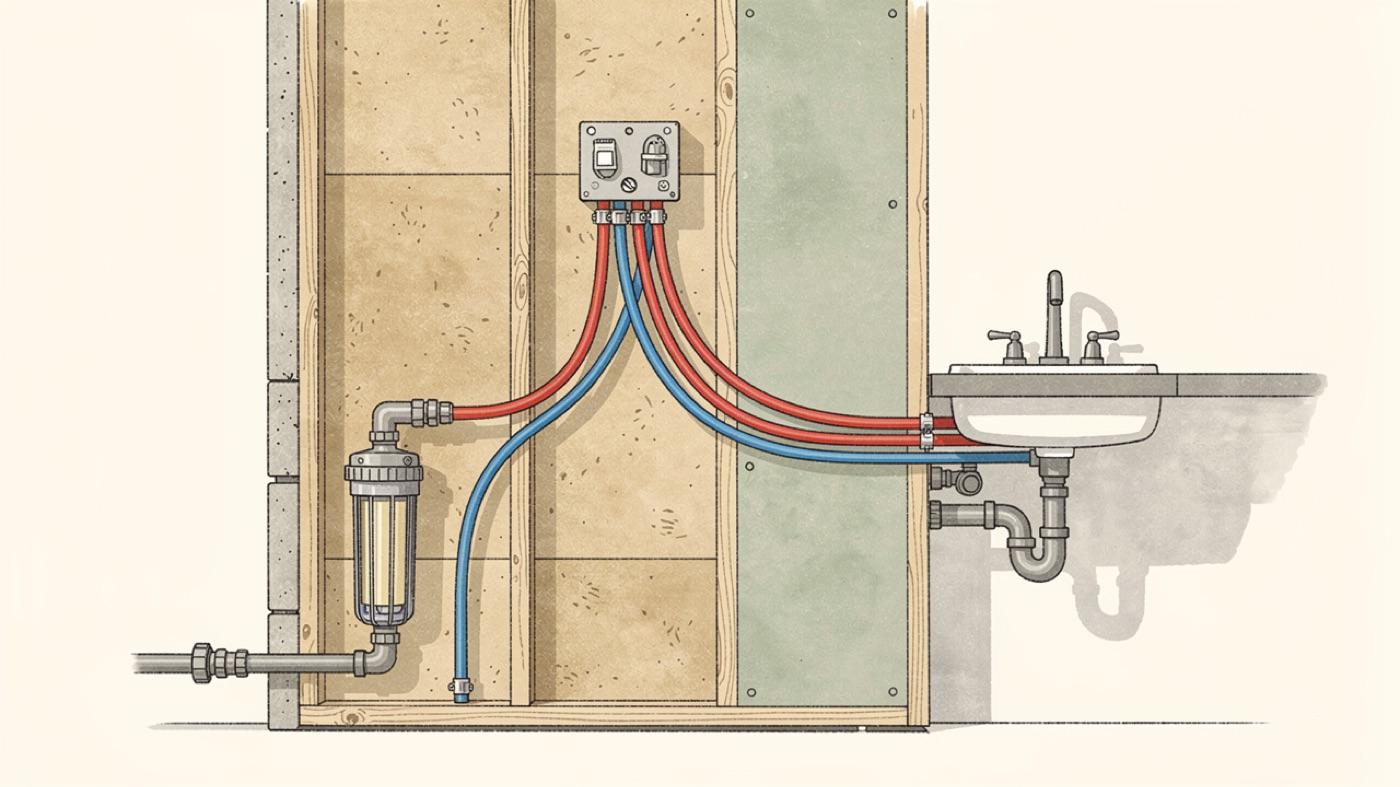
Is PEX safe? It is one of the most common questions we get about plumbing, and the online answers range from reassuring to alarming. Most of the alarming ones are missing context.
SENERGY360 does not dismiss the concern or amplify the fear. Our job is to separate what is factually supported from what is misunderstood, and to explain why cross-linked polyethylene remains a defensible choice inside our healthy plumbing design. Fear thrives in the absence of context, so here is the context.
How PEX is tested for drinking water
PEX used for potable water is not approved casually. It goes through independent, third-party health-effects testing under NSF/ANSI 61, the same standard applied to copper pipe, brass fittings, valves, faucets and municipal water system components.

What NSF/ANSI 61 evaluates
- Chemical extraction into drinking water
- Worst-case conditions, including hot water exposure and extended stagnation
- Compounds measured at parts-per-billion levels
- Results compared against health-based toxicological thresholds
- Conservative safety factors built into the pass criteria
Certification does not mean nothing migrates from the pipe. It means migration stays below levels considered harmful over a lifetime of exposure. That distinction is where most of the fear-based claims fall apart.
Is PEX safe? Five claims, checked
Each of these circulates in media, forums and casual conversation. Here is what holds up.
Claim one: PEX was never properly tested
PEX has undergone decades of laboratory testing, accelerated aging analysis, field performance evaluation and ongoing certification review. It has been in widespread residential and institutional use for over 30 years. Continued approval reflects ongoing compliance, not historical oversight.
Claim two: PEX leaches toxic chemicals into drinking water
Some studies do show trace organic compounds in new PEX systems. They appear during early service life, after stagnation, and in hot water lines. The levels are very low, the presence is temporary, and concentrations decline with flushing and use.
Health-based standards already account for this worst-case exposure. Early chemical presence is a commissioning issue, not evidence of long-term danger.
The research behind this claim is real and worth knowing. A 2014 study in the journal Water Research, indexed on PubMed, found eleven PEX-related contaminants in a six-month-old plumbing system, including toluene. In new pipes monitored over 30 days, odor and total organic carbon decreased for all brands tested, although odor stayed above the EPA's secondary maximum contaminant level. That pattern, highest early and falling with use, is why flushing and commissioning come first.
Claim three: filtration does not stop VOCs from PEX
Filtration reduces many compounds, but it does not replace system commissioning, and nobody should claim it does. Professional water systems in healthcare and commercial buildings never rely on filtration alone. They commission the plumbing before anyone drinks from it.
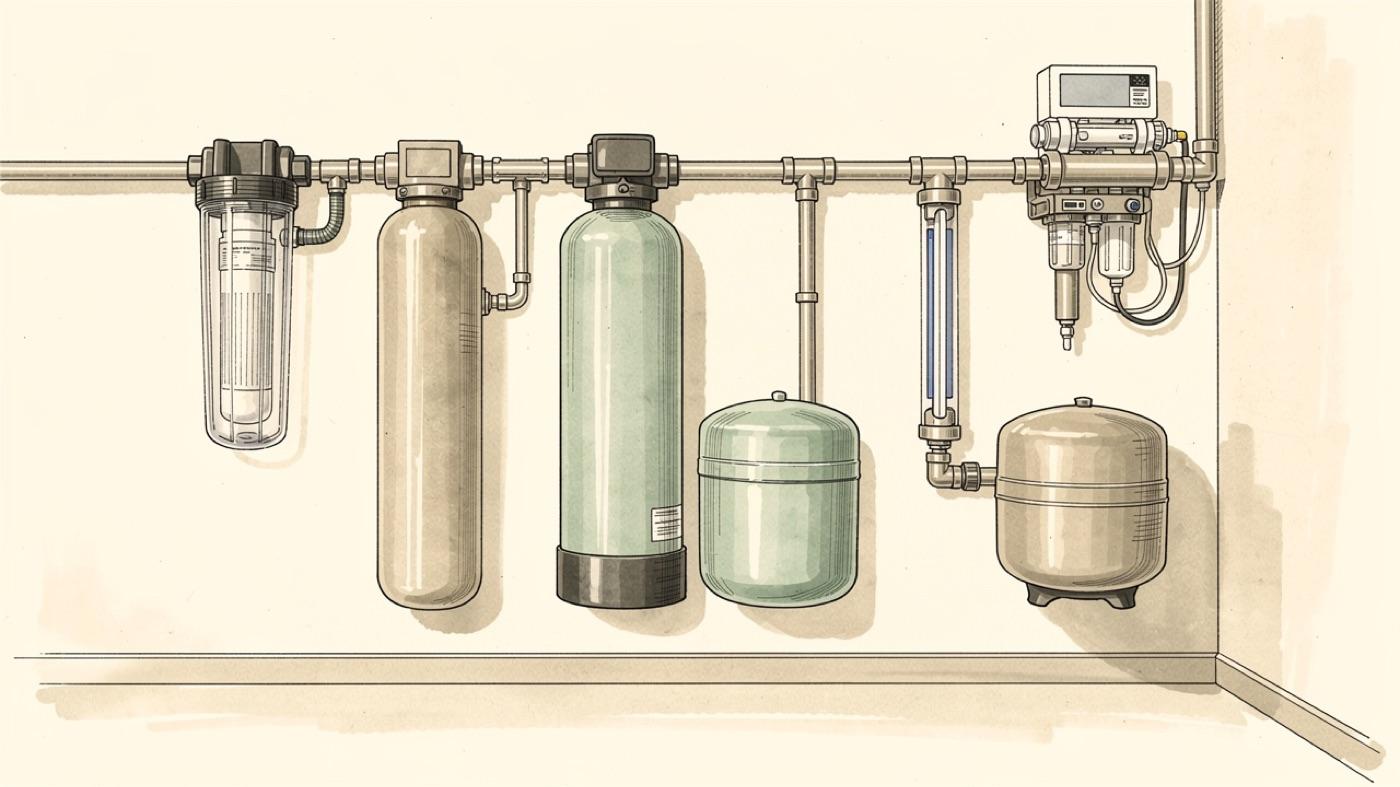
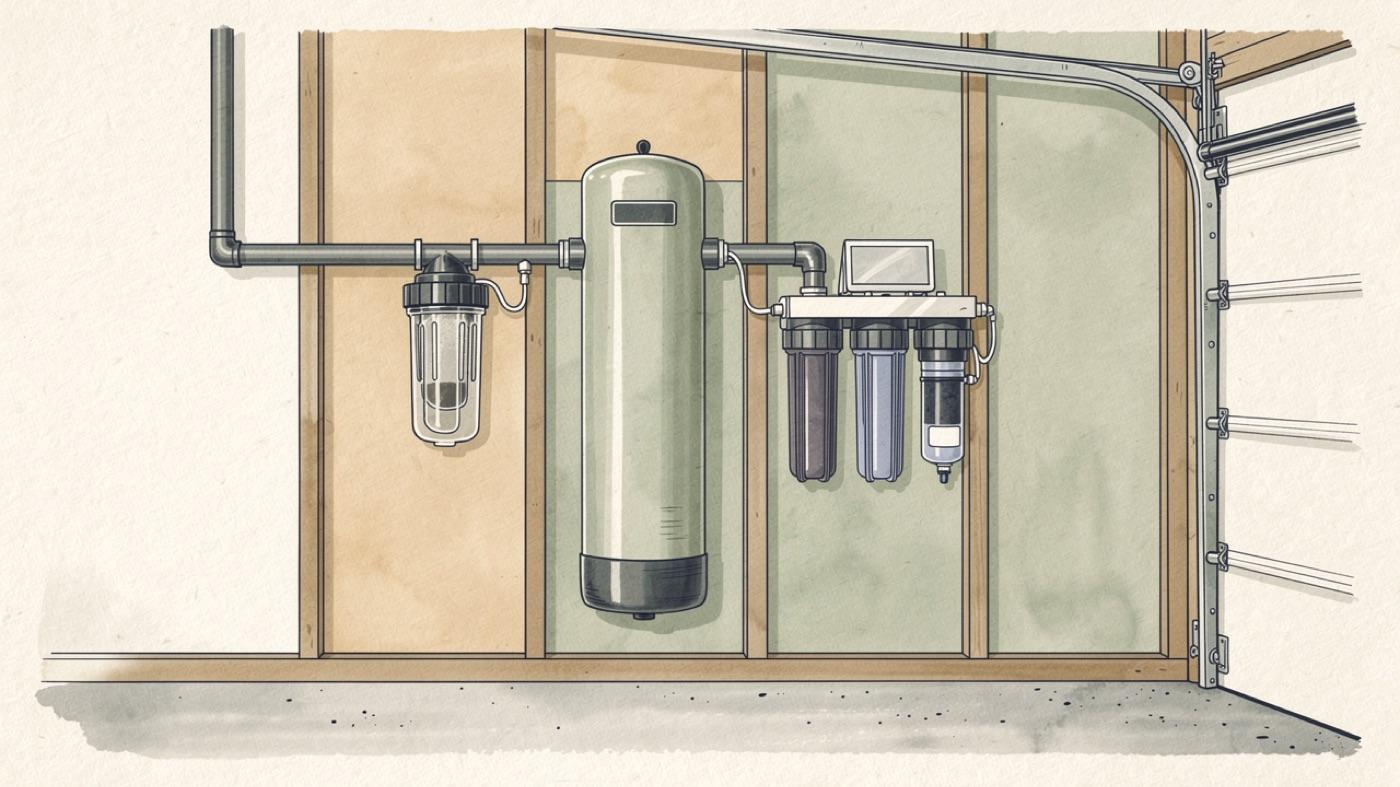
SENERGY360 does the same with mandatory pre-occupancy flushing, controlled disinfection and whole-house filtration. Together they dramatically reduce early exposure pathways.
Claim four: microplastics from PEX are a proven health threat
Microplastics are an active area of research, not a settled conclusion. They are found in air, food, textiles and bottled water. Drinking water plumbing is not the dominant exposure pathway, and no causal link has been established between PEX plumbing and disease.
The World Health Organization reached a similar view in its 2019 review of microplastics in drinking water, while calling for more research:
Based on the limited information we have, microplastics in drinking water don’t appear to pose a health risk at current levels. But we need to find out more.
The responsible position is monitoring and risk management, not alarm.
Claim five: PEX is worse than copper because it is plastic
This comparison ignores what copper does. Copper is chemically reactive and can leach metals over the long term depending on water chemistry. It is electrically conductive and vulnerable to stray-current corrosion.
Pinhole leaks in copper are common in modern homes.
The U.S. EPA's Lead and Copper Rule exists because lead and copper enter drinking water primarily through plumbing materials, and it requires water systems to control corrosion. Our guide to non-toxic plumbing solutions compares the other pipe materials.
PEX shifts the risk from long-term metal exposure to short-term system conditioning. The second one can be controlled. The first one cannot.
Why we specify PEX
We recommend PEX not because it is perfect but because it performs predictably and controllably inside a health-managed system.
- No heavy metal leaching
- Electrically non-conductive, which eliminates stray-current corrosion
- Designed for hot and cold potable water
- Tolerates thermal cycling and freeze conditions
- Compatible with modern filtration and commissioning
- Performance less dependent on regional water chemistry
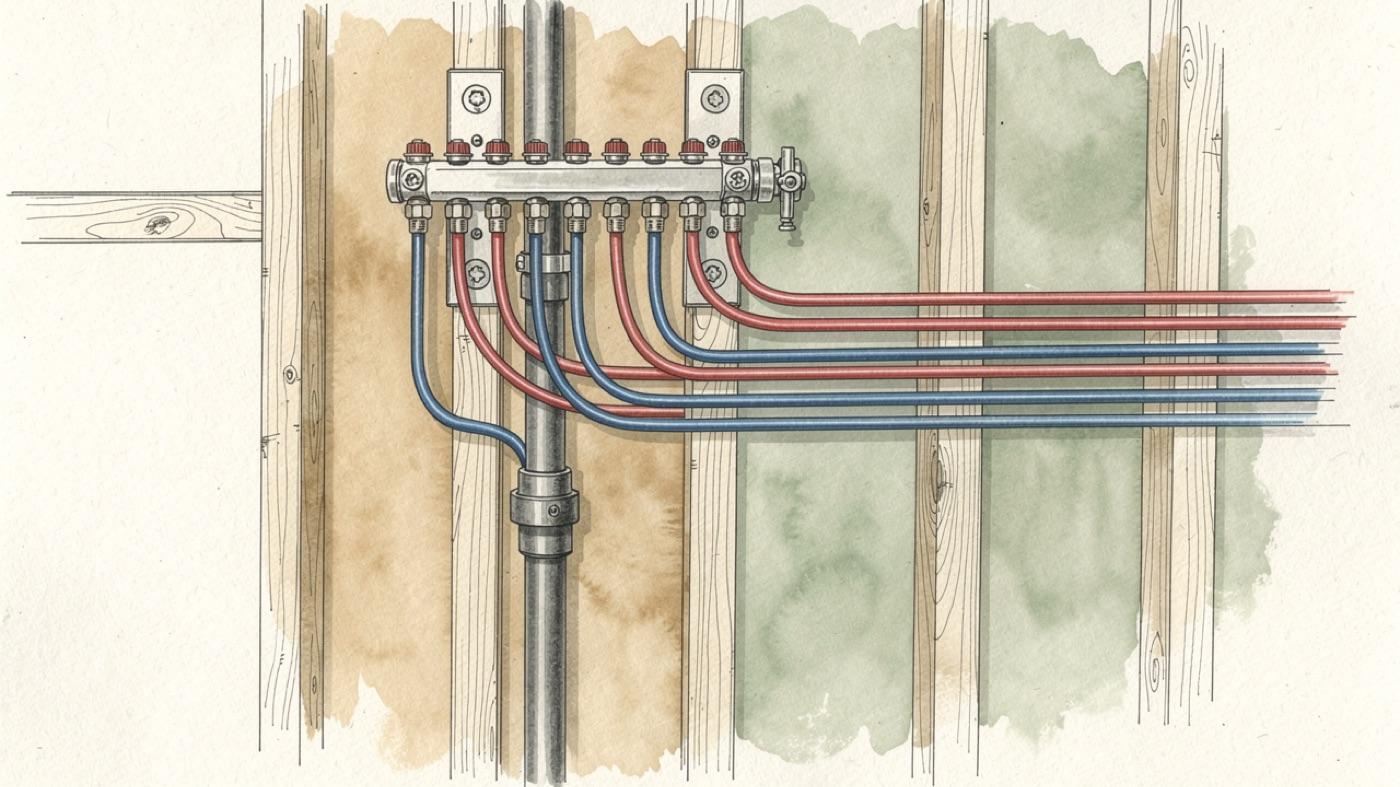
It also pairs naturally with a home-run manifold, which we cover in our post on plumbing manifold systems.
Commissioning is the answer to most of the fear
Nearly every fear-based argument assumes no flushing, no filtration, no commissioning and a long stagnation before move-in. That is not how a SENERGY360 system is delivered.
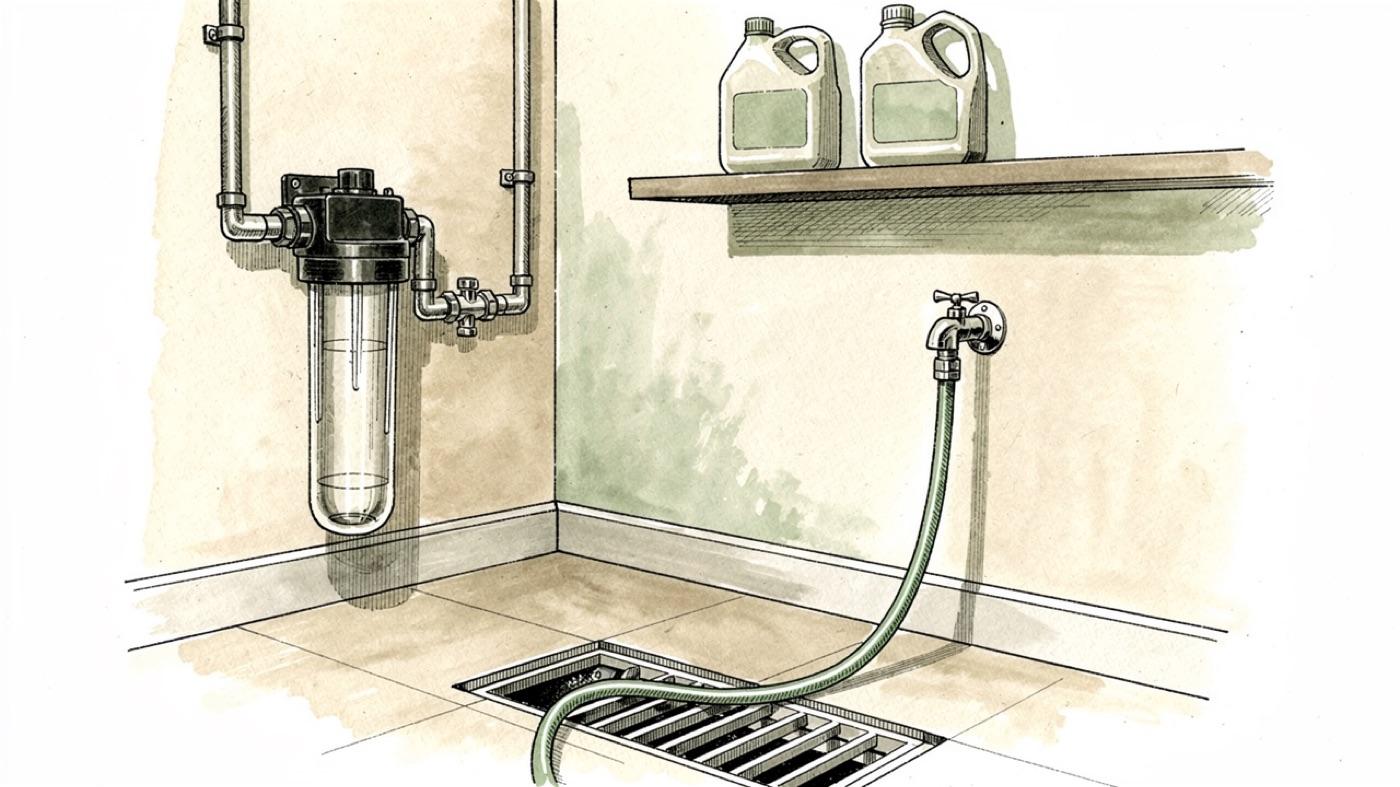
Our commissioning protocol
- Whole-house point-of-entry filtration
- Full system flushing
- Disinfection using hydrogen peroxide and chlorine dioxide
- Removal of all stagnant water before occupancy
- Conditioning of the internal pipe surfaces
Occupants are not used as the break-in period. The pipe is conditioned before the first glass is poured.
Why the fear persists
Fear narratives tend to ignore dose and duration. They treat "detectable" as "dangerous," pull findings out of regulatory context, confuse precaution with proof of harm, and compare materials without any system controls. We reject that binary thinking in favor of risk-managed design.
Our position on PEX
PEX is code-approved and independently tested. Health-effects standards account for worst-case exposure. Early VOC presence is temporary and manageable, and commissioning significantly reduces it.
PEX eliminates the electrical and metal-leaching risks that come with copper. System management determines the outcome.
PEX is not blindly trusted. It is engineered, tested, commissioned and managed. When it is paired with filtration and proper commissioning, it provides a safe, cost-effective and predictable potable water system, and that is the standard we build to on every design-build project.