September 14, 2026
By Brian Johnson, Building Biologist and Licensed General Contractor
Whole House Water Filtration System: What to Know Before You Install
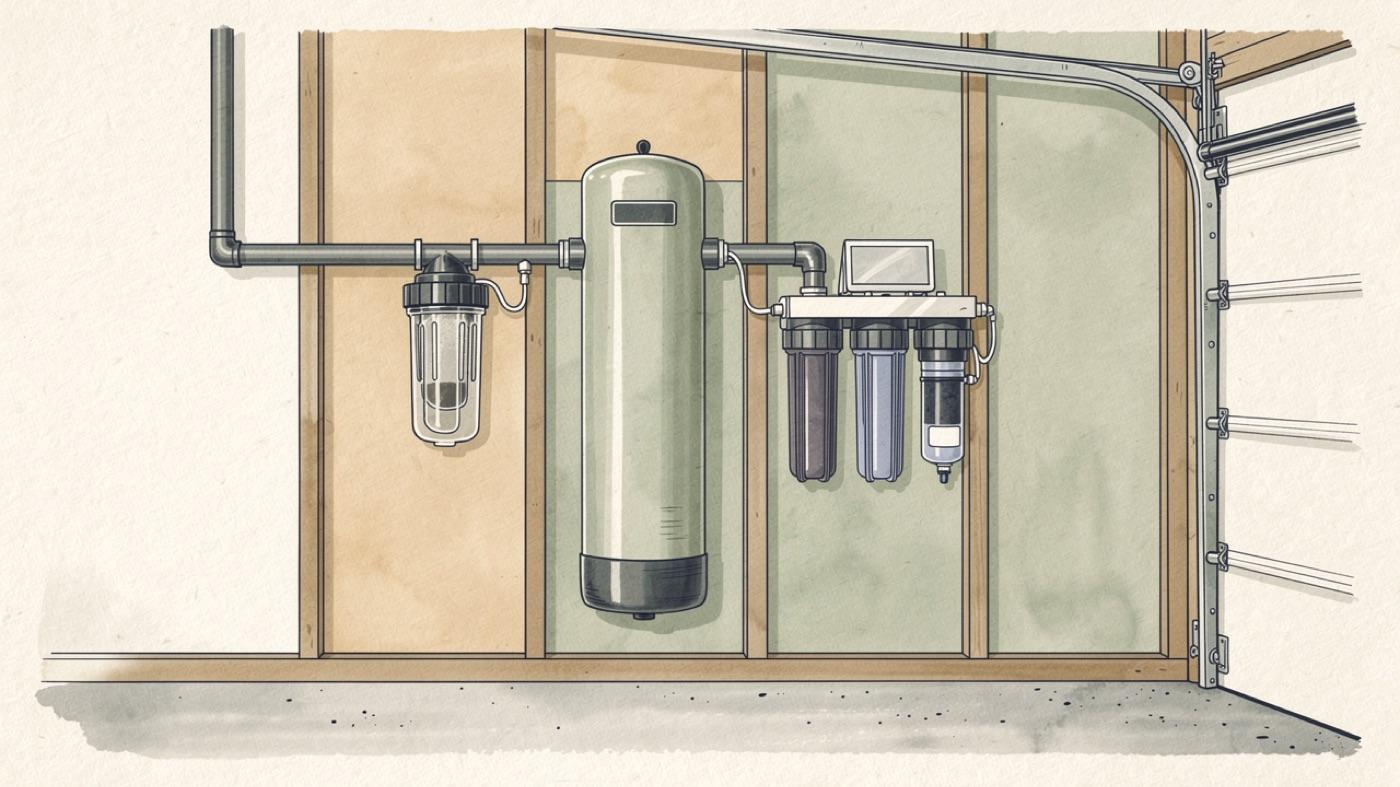
Clean water is basic to a healthy home. Contamination concerns keep growing, and a whole house water filtration system is the most complete answer for most families. It treats every tap, every shower and every appliance, not just the kitchen faucet.
We install these systems as part of our water quality and advanced filtration principle. The systems that work are the ones planned around real water data. Here are the five factors we check before anything gets plumbed in.
Start With a Water Test
You cannot choose a filter until you know what is in the water. Every water supply is different, and a filter that is perfect for one house can miss the main problem in another. Testing first turns a guess into a specification.
Where to get a test
Your local health department can point you to a certified lab. Professional water testing services offer broader panels. We include water testing in our Healthy Home Inspections so the filtration plan is built on numbers, not assumptions.
If you are on city water, start with the report you already receive. The U.S. EPA requires community water systems to deliver a Consumer Confidence Report, an annual drinking water quality report, to their customers each year by July 1. It shows what the utility measured, though not what your own pipes add between the street and the tap.
What a test commonly finds
- Lead from older service lines and fixtures
- Bacteria, especially on well water
- Chlorine and chloramine from municipal treatment
- Sediment, rust and scale
- Hardness minerals that shorten appliance life
Well owners carry the testing job themselves. The EPA's guidance for private well owners is specific:
Test your private well annually for total coliform bacteria, nitrates, total dissolved solids, and pH levels.
Match the Whole House Water Filtration System to Your Water
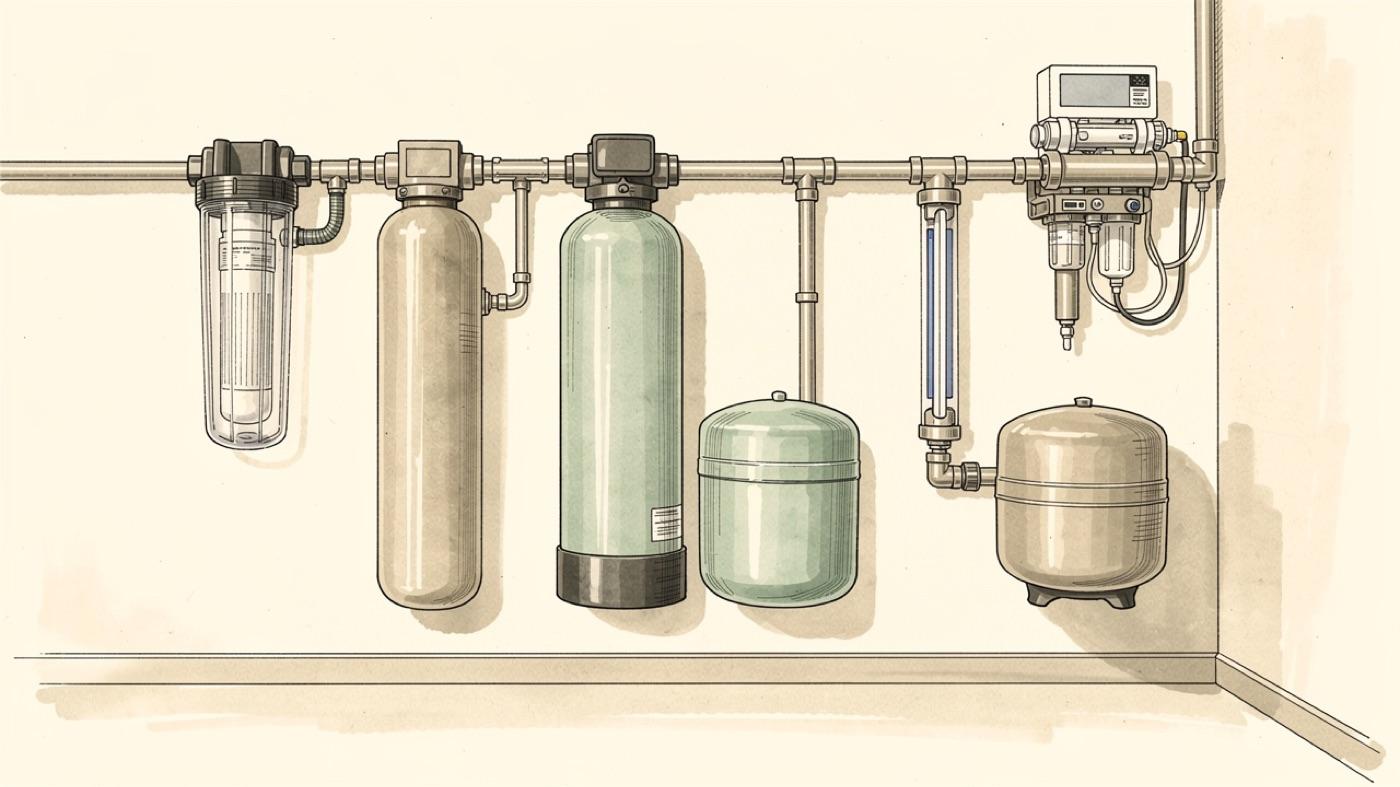
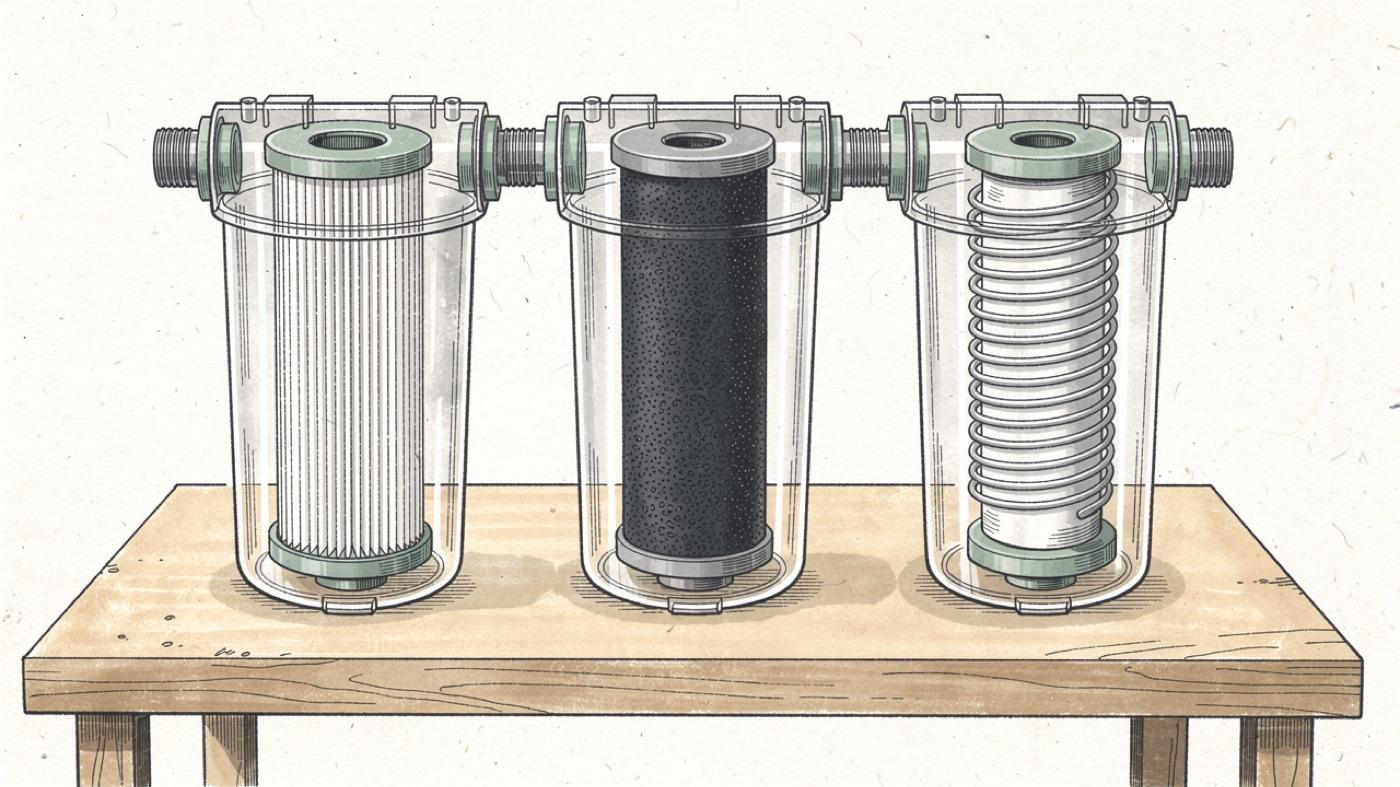
There is no single best filter. Each technology handles a different class of contaminant, and most whole house systems stack two or three in sequence. The test results tell you which stages you need. Our guide to water filtration methods explains each technology in more depth.
Sediment and carbon
A sediment prefilter catches rust, sand and scale before they reach anything else. Activated carbon removes chlorine, many organic chemicals and the taste and odor problems that come with them. Together they are the base of nearly every system.
Reverse osmosis
Reverse osmosis pushes water through a membrane that blocks a very wide range of dissolved contaminants. It is the most thorough option for drinking water. It also produces reject water and needs adequate pressure, so it is usually applied at the point of use rather than the whole house.
Ultraviolet
An ultraviolet lamp disinfects water by disrupting bacteria and viruses as they pass. It removes no chemicals at all. On a well with a bacteria result, UV is often the missing piece behind sediment and carbon.
Plan the Installation
Installation varies more than most homeowners expect. The system has to fit the house, the plumbing and the local rules. Sorting this out early avoids surprises on install day.
Space and plumbing
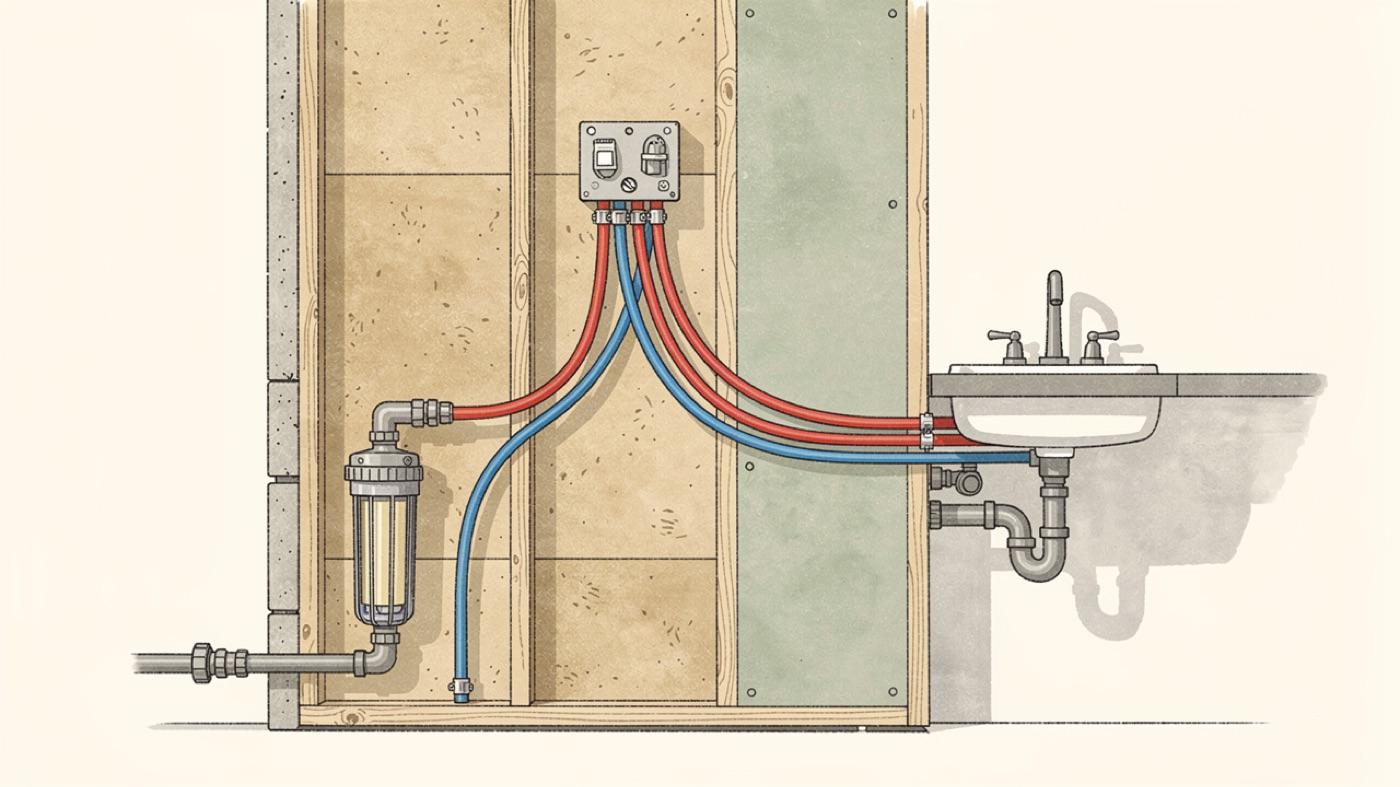
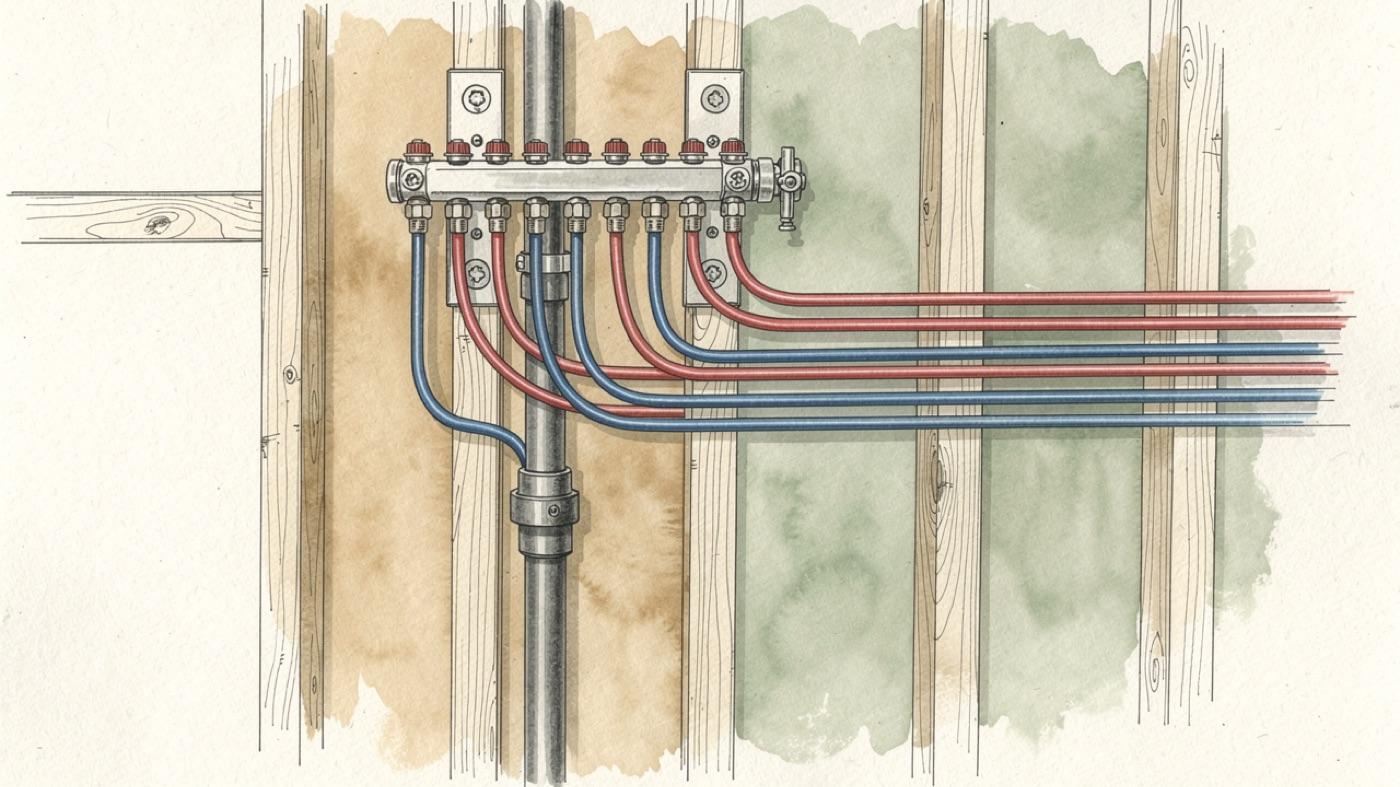
A whole house system goes on the main line where water enters the house. It needs wall space, a drain for backwash or reject water, and a power outlet for UV or a pump. In a new build we plan a dedicated mechanical alcove as part of healthy plumbing design.
Permits and who installs it
Some jurisdictions require a permit and a licensed plumber for work on the main line. Check before you buy. A DIY install can save money, but a bypass valve, a pressure gauge and correct drain routing are easy to get wrong.
Budget for Maintenance, Not Just the Purchase
A filtration system is not a one-time purchase. Filters load up, membranes wear and UV lamps lose output. The system only protects you if it is maintained on schedule.
What ongoing care looks like
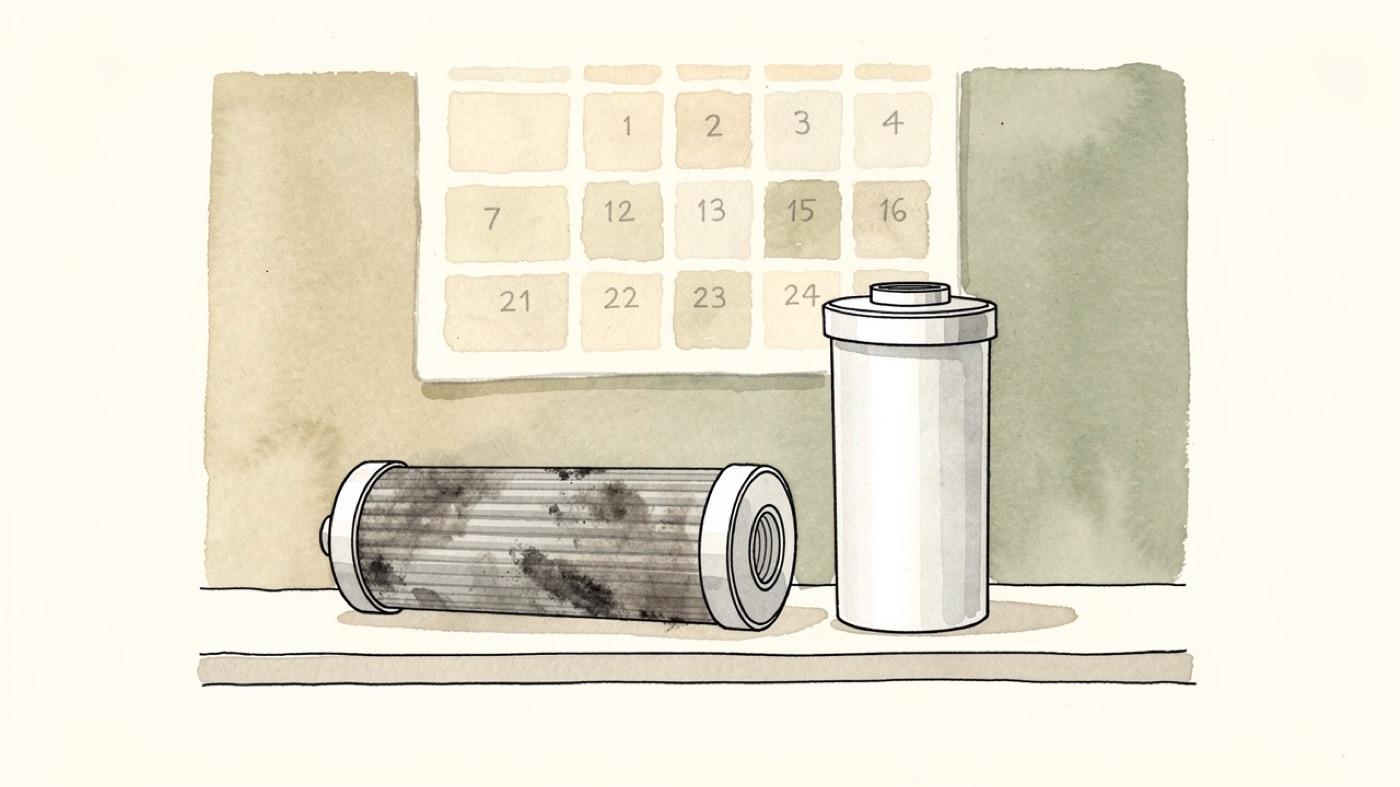
- Sediment and carbon cartridges replaced on the manufacturer's interval
- Reverse osmosis membranes replaced every few years
- UV lamps replaced yearly, even if they still glow
- Tanks and housings cleaned or descaled as directed
- Pressure checked before and after the system
Signs a filter needs attention
Reduced water flow is the first clue. Unusual taste or odor returning is the second. If either shows up early, the water may have more load than the system was sized for, and the test should be repeated.
Count the Total Cost of Ownership
The sticker price is only part of the cost. Replacement filters, lamps, membranes and any service calls add up over the life of the system. Compare systems on what they cost per year, not what they cost on day one.
Clean water also pays back. Families that stop buying bottled water recoup part of the cost quickly. Fewer contaminants in the water means less strain on plumbing, appliances and the people drinking it, a theme we cover in our healthy water guide. We compare the two in filtered water vs bottled water.
The Short Version
Test first, then match the stages to the results. Plan the space, the drain and the permit, and put filter changes on the calendar. A whole house water filtration system chosen this way protects the whole home for years instead of becoming a forgotten box on the wall.