September 14, 2026
By Brian Johnson, Building Biologist and Licensed General Contractor
Negative Ions Benefits: Why Indoor Air Needs Them and How to Get Them

Stand next to a waterfall and you feel something change. The air is different, and most people describe it as easier to breathe. Part of that feeling comes from negative ions, and the negative ions benefits that people notice outdoors are mostly missing inside a sealed home.
At SENERGY360 we treat air ionization as one more property of a healthy room. It sits alongside temperature, humidity and pollutant levels, and it responds to the same design choices.
What negative ions are
A positive ion is a molecule that has lost one or more electrons. A negative ion is an oxygen molecule that carries an extra electron.
Nature produces negative ions in abundance. Waterfalls, ocean surf, mountain air, evergreen forests, a running shower and the air after a thunderstorm all carry high counts.
In pristine mountain air, up to 15,000 small negative ions per cubic centimeter can be counted. In urban outdoor air and in most indoor air, the count can drop to 25 per cubic centimeter or less, paired with a very high positive ion count.
Negative ions benefits for the body
Building biology treats balanced atmospheric electricity as essential to cell respiration and metabolism. When you breathe, the charge on inhaled air is neutralized, and the body takes up electrons in the process.
That electron uptake matters for the charge of individual cells, blood pressure, metabolic reactions and the beat of the cilia that clean the airways. Building biology literature associates negatively charged fresh air with improved well-being, relaxation, oxygen uptake and lung function, though controlled studies are mixed, as the review below shows.
What a positive ion excess does
Building biology sources link air dominated by positive ions to a feeling of pressure in the head, fatigue, low blood pressure and breathing difficulty. Positive ions slow the ciliary beat in the lungs and impair oxygen uptake.
Older research, much of it from the 1960s and 1970s, proposed that positive ions raise serotonin levels and that negative ions counter this. That theory is still cited, but later studies have not confirmed it consistently.
High-density negative ion generators have been tested for winter depression, with some positive results. A Cochrane review of air ionizers for asthma found no evidence that they help.
The controlled research on mood is narrower than that. A 2013 review and meta-analysis in BMC Psychiatry looked at 33 human studies of air ionization published between 1957 and 2012.
No consistent influence of positive or negative air ionization on anxiety, mood, relaxation, sleep, and personal comfort measures was observed. Negative air ionization was associated with lower depression scores particularly at the highest exposure level.
Why indoor air runs short of negative ions
A sealed room uses up its negative ions quickly. In one monitored classroom, the positive ion count stayed constant over an hour while almost all the negative ions were consumed within 30 minutes.
Several common features of modern homes make it worse.
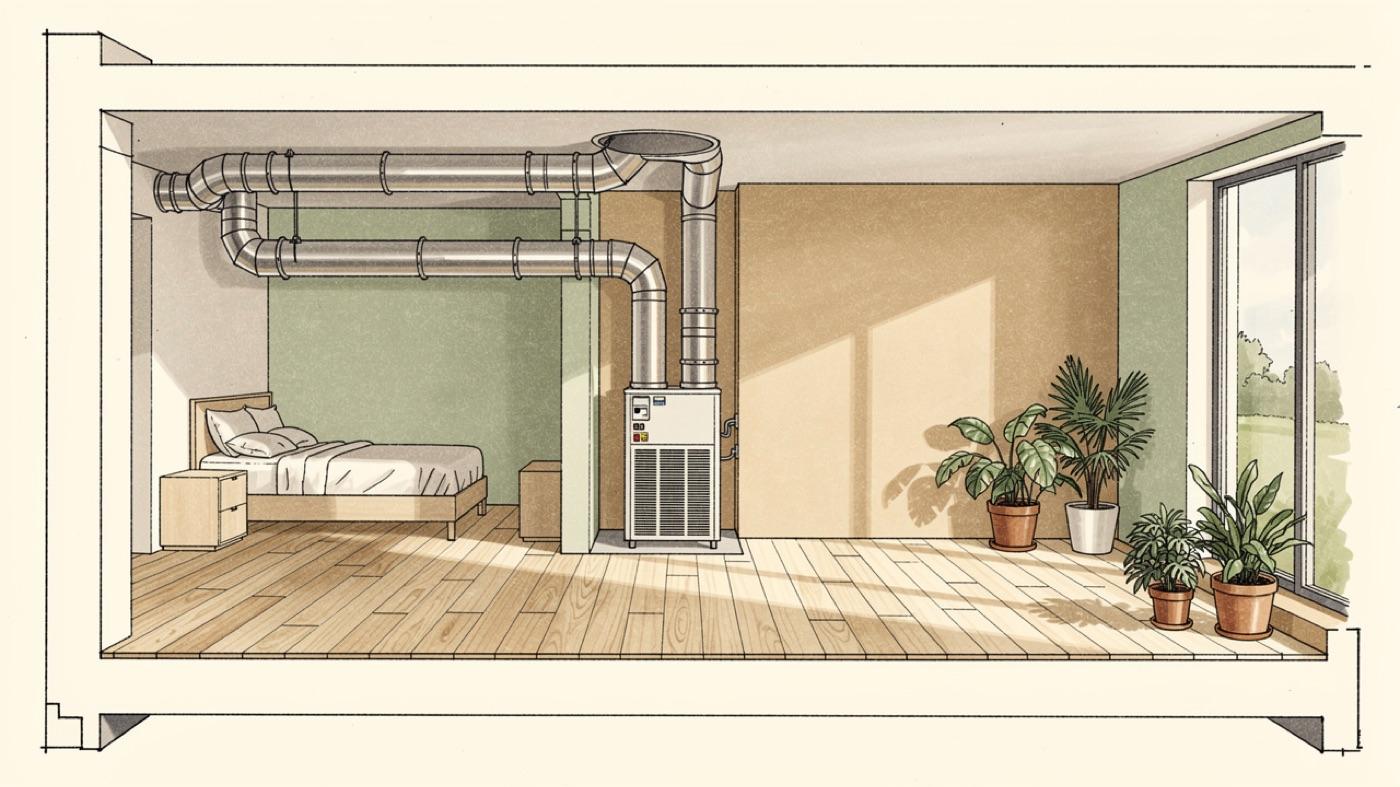
- Central forced-air heating fills indoor air with positive ions
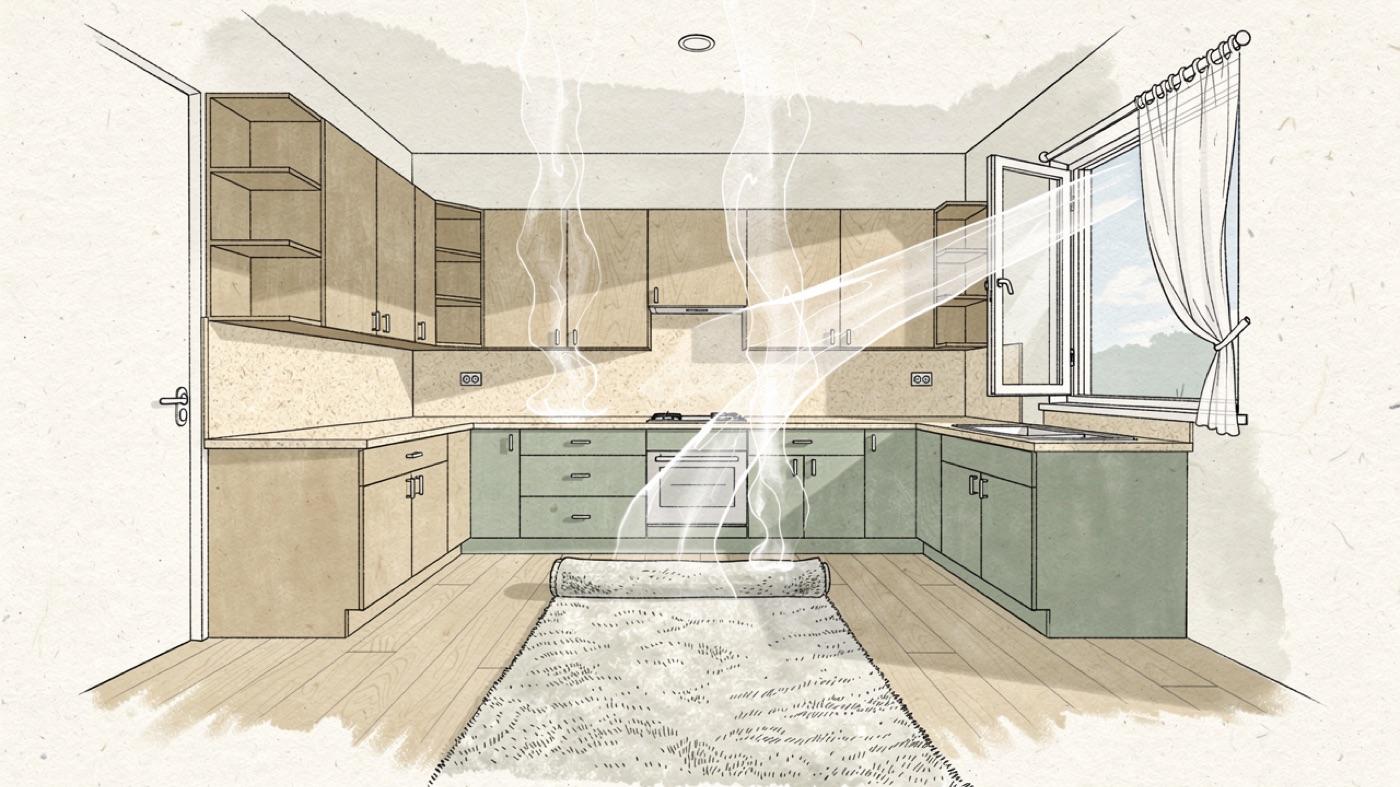
- Synthetic wall-to-wall carpet and plastic finishes carry high static charges that pull small ions out of the air
- Rising carbon dioxide from breathing in a poorly ventilated room depletes small ions further
- Sealed windows cut off the outdoor supply
The result is stale air that leaves people tired and unable to concentrate even when the room is clean and the temperature is comfortable.
How to keep negative ions in a home
The fix is mostly about ventilation, materials and heating, in that order. A device comes last.
Ventilate with outdoor air
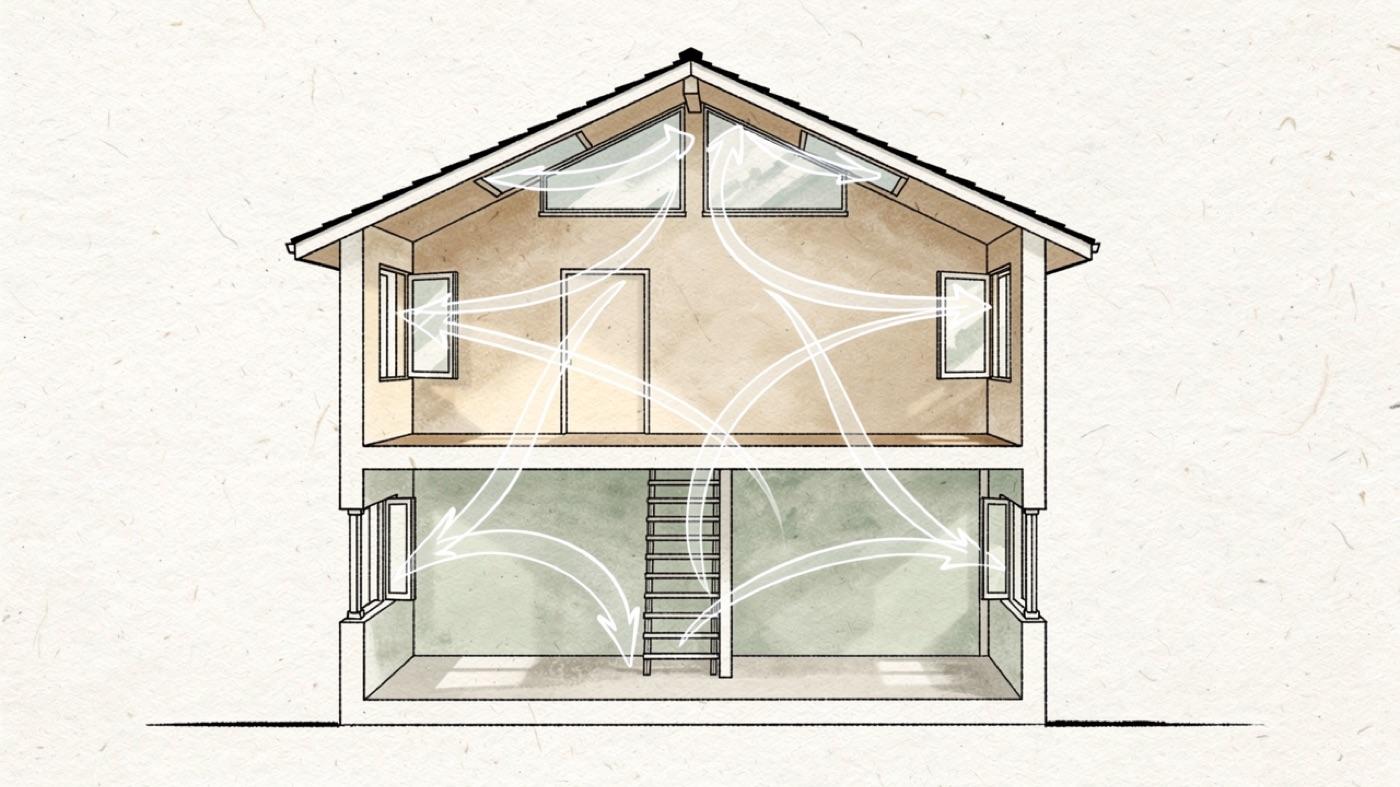
Fresh air is the main source of negative ions. An adequate air exchange rate keeps the indoor count from collapsing the way the classroom count did.
Open windows when outdoor air is good. When it is not, a mechanical system with a proper fresh air intake keeps the supply moving. An indoor air quality monitor that tracks carbon dioxide tells you when the room has gone stale.
Choose low-static materials
The source material is blunt on this point. Adding an ionizer only helps if surfaces with high static charge, especially synthetic carpet, are removed from the living space.
Wood, wool, cotton, lime plaster, clay and stone hold little static charge. That is one more reason the healthy building materials principle favors them over plastics.
Heat by radiation, not forced air
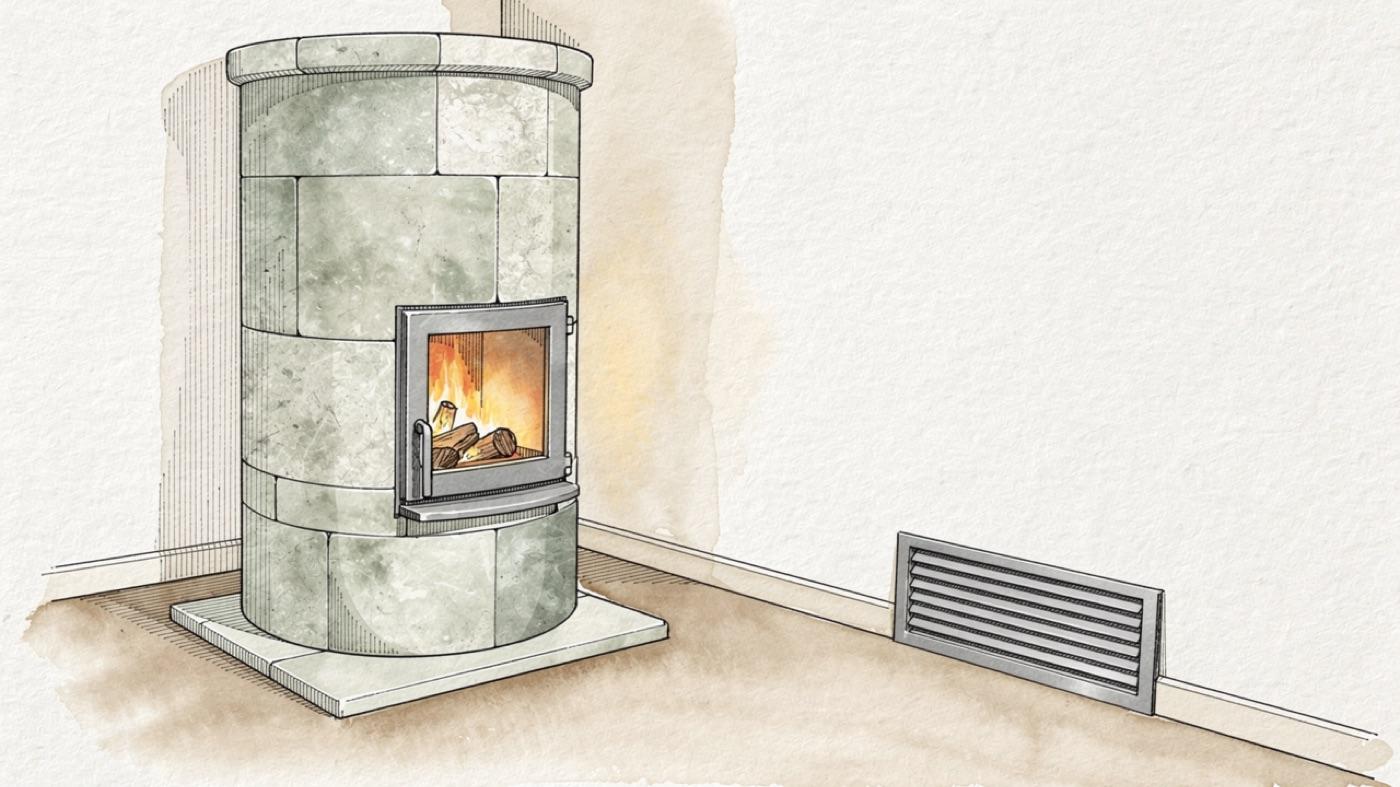
Forced-air furnaces move ionized air across hot metal and ductwork and leave it positively charged. Masonry heaters and radiant panels made of soapstone contribute negative ions instead.
Radiant floor heat and radiant panels are not identical to a masonry heater, but they avoid the blown air that strips ions from a room. If forced air is unavoidable, the ventilation and materials steps above matter even more.
Ground the body
Clint Ober, who popularized grounding, proposes that contact with the earth supplies the body with free electrons that neutralize free radicals. Grounding is a separate practice from air ionization, but it addresses the same electron balance from a different direction.
Our post on the benefits of grounding covers how to bring that contact indoors safely.
Use an ionizer last, and choose carefully
A negative ion generator can raise the count in a room that has already been ventilated and stripped of static surfaces. Choose a model that produces no ozone, because ozone is a lung irritant and undoes the benefit.
Treat the device as a supplement. It cannot fix a sealed room full of synthetic finishes.
The U.S. EPA adds its own cautions. It notes that ion generators produce ozone indirectly, that they do not remove gases or odors, and that while some have suggested these devices help by correcting an ion imbalance, no controlled studies have confirmed that effect.
Measuring instead of guessing
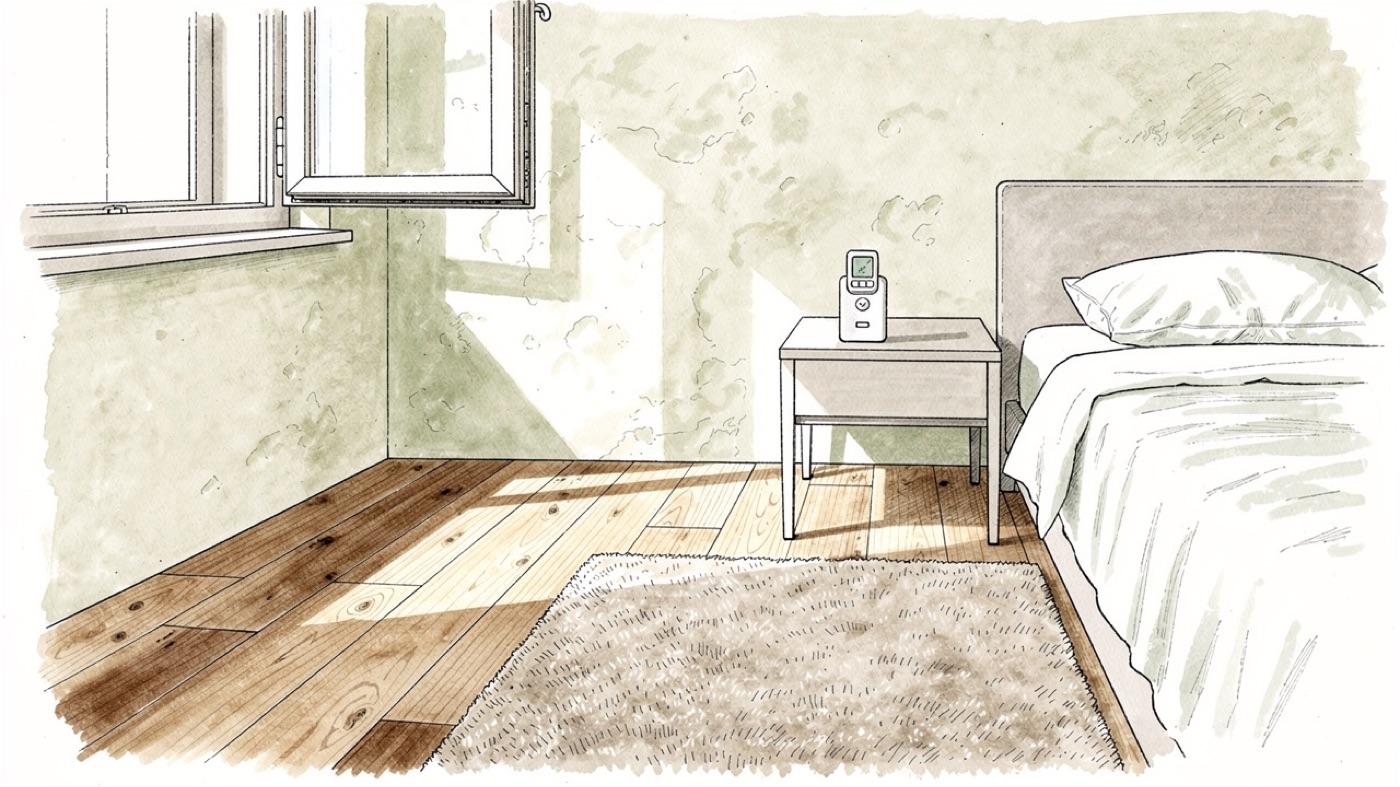
A handheld air ion counter reads small ion concentration directly. Take a reading outdoors, then in each room, and the difference shows how much the house is costing you.
We include air ionization in a full healthy home inspection alongside particulates, chemicals and electromagnetic fields. It is one of the cheapest things to fix once you know it is wrong.