September 14, 2026
By Brian Johnson, Building Biologist and Licensed General Contractor
Indoor Air Quality Monitor Guide: What to Measure and Where
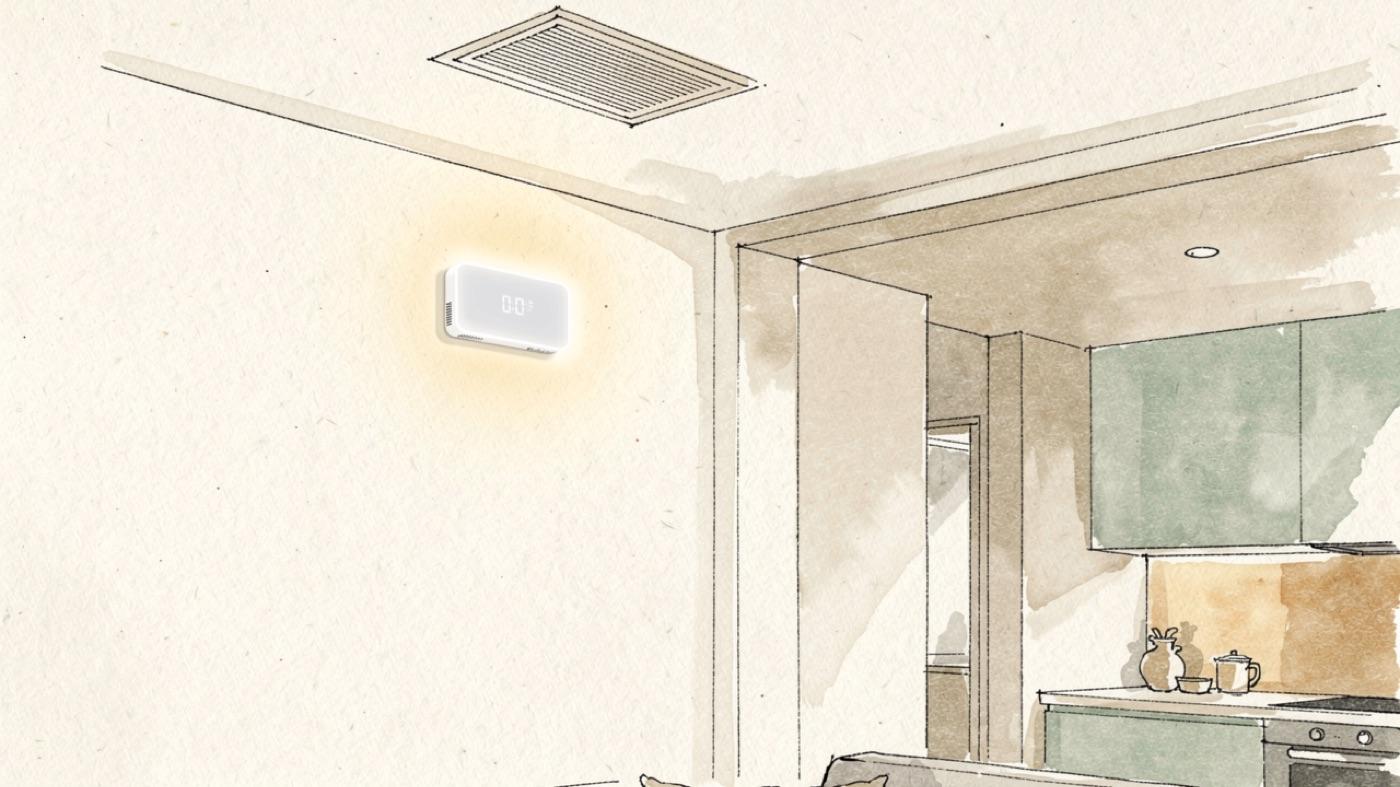
Indoor air does not stay the same after a single test. It changes every time someone cooks, showers, cleans, sleeps or opens a window. An indoor air quality monitor turns those changes into numbers you can act on.
SENERGY360 recommends continuous monitoring as part of the CORE 360 healthy-home strategy. The goal is not a green light on an app. The goal is a home that tells you when conditions change so you can respond before anyone feels it.
What an indoor air quality monitor should measure
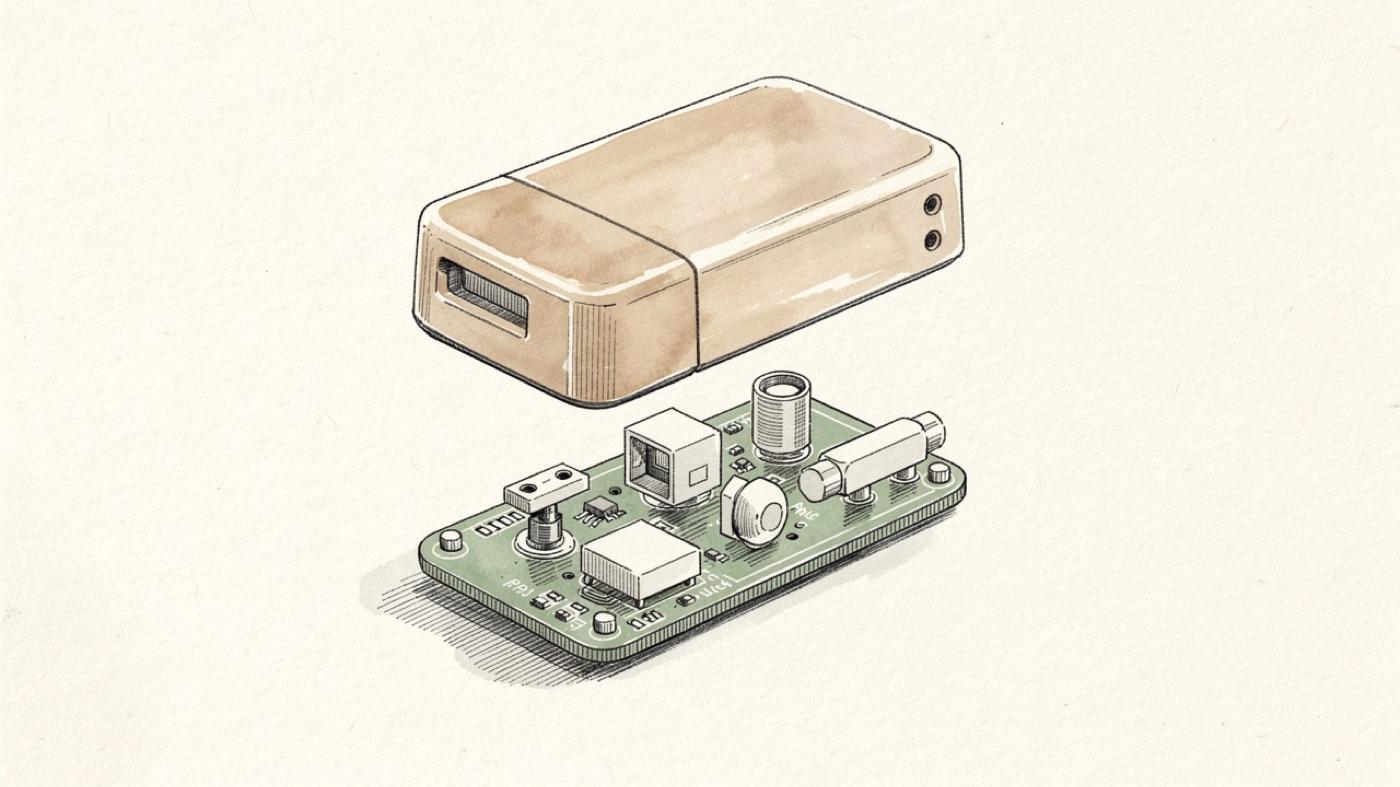
Choose a monitor by the sensors inside it, not by the manufacturer's blended "air quality score." No residential device measures every contaminant. A good one covers the parameters below.
Particulate matter
PM2.5 is the single most important reading for a home. It captures fine particles from cooking, smoke, candles, dust, outdoor pollution and construction. Where available we prefer monitors that also report PM1 and PM10 so you can see which size is rising.
Indoor PM can be generated through cooking, combustion activities (including burning of candles, use of fireplaces, use of unvented space heaters or kerosene heaters, cigarette smoking) and some hobbies.
The EPA also points out that indoor PM includes particles of outdoor origin that migrate indoors, which is why a PM2.5 spike can come from a wildfire or traffic as easily as from the kitchen. Our six-step method to reduce dust and particulate in your house picks up from there.
Carbon dioxide
CO2 is a proxy for ventilation. It climbs overnight in bedrooms, in home offices and in tightly built homes without enough outdoor air. Look for a true NDIR sensor, not a device that estimates CO2 from VOC readings. Our guide to CO2 levels in a house explains what the numbers mean.
Volatile organic compounds
Most monitors report TVOC, a total figure, rather than naming individual chemicals. Use it to spot trends and unusual events. A persistent high reading is a reason to investigate sources and, if needed, order lab testing.
Formaldehyde
Formaldehyde comes from composite wood, cabinetry, adhesives, flooring and some insulation. Where materials or sensitivity are a concern, add a monitor with a dedicated HCHO sensor. Treat it as a screening tool, not a lab result. See where formaldehyde hides and how to cut it.
Combustion gases
Carbon monoxide matters wherever there is a gas appliance, fireplace or attached garage. Nitrogen dioxide matters with gas cooktops.
Neither reading replaces a code-required CO alarm. Install the life-safety alarm first.
The U.S. EPA's carbon monoxide page relays the Consumer Product Safety Commission's recommendation that every home have CO alarms on each level outside each sleeping area, along with an annual professional inspection of fuel-burning appliances. Our guide to carbon monoxide sources in modern homes covers where it comes from.
Humidity, temperature and dew point
Relative humidity drives mold risk, dust mites and condensation. We design occupied spaces around roughly 40 to 50 percent when climate allows. Dew point, where the platform supports it, shows true moisture content and predicts condensation on cold surfaces better than RH alone.
Radon and ozone
Radon fluctuates with weather, soil moisture and building pressure, so a continuous reading is useful in radon-prone areas. Ozone sensing is worth adding near wildfire zones or where any ozone-producing device has been used. We do not recommend generating ozone indoors as an everyday cleaning strategy.
The U.S. EPA calls radon the second leading cause of lung cancer, and our radon testing and mitigation guide explains how to confirm a monitor's reading with a proper test.
What a monitor cannot tell you
A standard monitor is not a mold detector. It cannot see whether viable growth is present behind a wall. What it can show is the conditions that lead to mold, such as sustained high humidity or a moisture event.
The same applies to pollen, pet dander and dust mites. A particle sensor sees more particles, but it does not know what they are.
When readings point to a problem, the next step is a building investigation, which is what our healthy home inspection is built for.
The SENERGY360 minimum package
For each primary occupied area we start with five readings.
- PM2.5
- CO2 using NDIR sensing
- TVOC
- Relative humidity
- Temperature
Where the platform offers them, we add PM1, PM10, formaldehyde, carbon monoxide, nitrogen dioxide, radon, dew point, barometric pressure and ozone as site conditions warrant. The final list depends on climate, combustion sources and the mechanical design.
Where to put it
Location changes the reading. We recommend permanent monitors in the primary bedroom, other bedrooms, the main living area, the home office and the basement or conditioned crawl space where present. Larger homes need several zones, not one sensor speaking for the whole house.
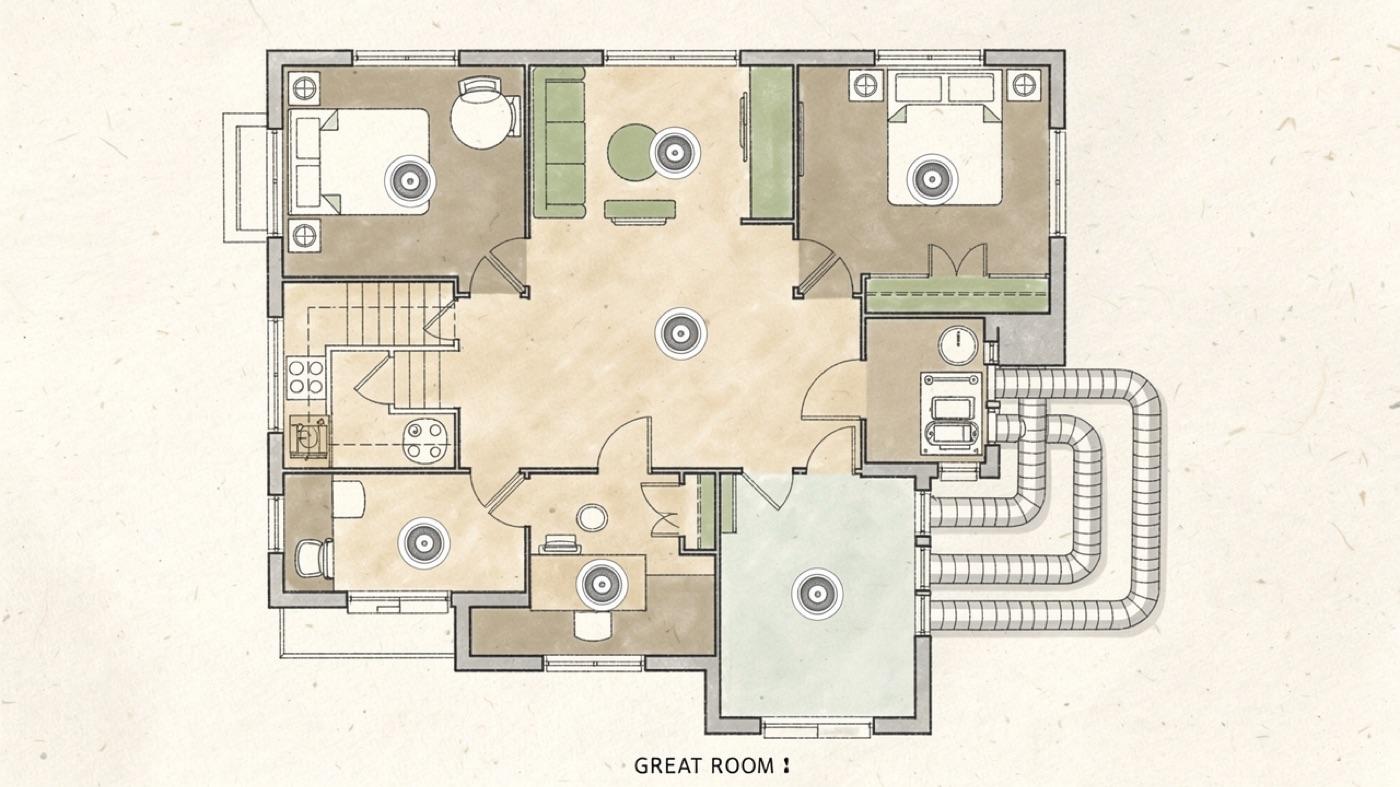
Mount sensors in the breathing zone. Keep them away from supply registers, return grilles, exterior doors, windows, direct sun, the range hood, showers, humidifiers and air purifiers. You want the room's average, not one source next to the sensor.
Monitoring versus professional testing
Consumer monitors are excellent at catching trends, spikes and equipment problems. They are not laboratory instruments.
The monitor tells us something changed. Building science tells us why.
When a monitor shows a persistent concern, professional testing follows. That can mean sampling for mold, individual VOCs, formaldehyde, combustion gases or radon, plus checks on building pressure, HVAC performance and moisture intrusion.
Tie it into the house
In a new SENERGY360 home, monitoring is part of the mechanical and low-voltage plan, not a gadget added later. Where feasible the sensors talk to the ERV or HRV, the whole-home filtration, the dehumidifier and the kitchen exhaust.
A bedroom CO2 rise can raise outdoor-air ventilation. A humidity alert can prompt a look at the dehumidifier.
Every automatic response is engineered so one fix does not cause another problem, such as pulling in humid outdoor air on a hot day without coordinating the dehumidification. This is the heart of our climate control and ventilation principle.
Hardwire it where you can
For new construction, give monitors dedicated power, wired data, low-voltage pathways and a central logging point. Battery-powered wireless units still have a place in existing homes and for temporary diagnostics.
Log the data
An instant reading is not enough. Choose a platform with continuous logging, history graphs, adjustable alerts, multi-room comparison and export.
Most building problems are intermittent. Nobody notices a humidity spike at three in the morning, but logged data does.
Sensor quality over sensor count
Compare the sensor technology, stated accuracy, range, drift, calibration options and long-term support. A device showing twenty numbers is not better than one showing five accurate ones.
One last distinction. A monitor measures the air, and a purifier cleans it.
Clean Air Delivery Rate applies to purifiers, not monitors. Judge each device by its own job.