September 14, 2026
By Brian Johnson, Building Biologist and Licensed General Contractor
Healthy Home Design: Five Ways to Build Better Indoor Air
Healthy home design begins with the air. Most of us now spend the majority of our time indoors. The condition of that air, and the pollutants in it, shapes how we sleep, think and feel every day.
The U.S. EPA's Report on the Environment puts numbers on it: Americans, on average, spend approximately 90 percent of their time indoors, where concentrations of some pollutants are often 2 to 5 times higher than typical outdoor concentrations.
At SENERGY360 we do not treat air quality as a feature to add at the end. It is built into the plans from the first sketch. This post walks through why it matters and the five techniques we build into every home.
Why healthy home design has to start with air quality
Indoor air pollutants are common in ordinary homes. Volatile organic compounds come off paints, finishes and cleaning products. Particulate matter and mold add respiratory irritation and allergies.
Concentrations of many VOCs are consistently higher indoors (up to ten times higher) than outdoors.
Short-term exposure shows up as headaches, fatigue and irritated eyes. Long-term exposure is associated with chronic respiratory disease and reduced mental clarity. Poor air also affects mood and stress, so the case for clean air is mental as much as physical.
The health and wellness connection
Clean, breathable air lowers stress and supports clear thinking. A home that supports the body also tends to support the mind. That is the whole idea behind wellness-focused design.
Technique one: source control
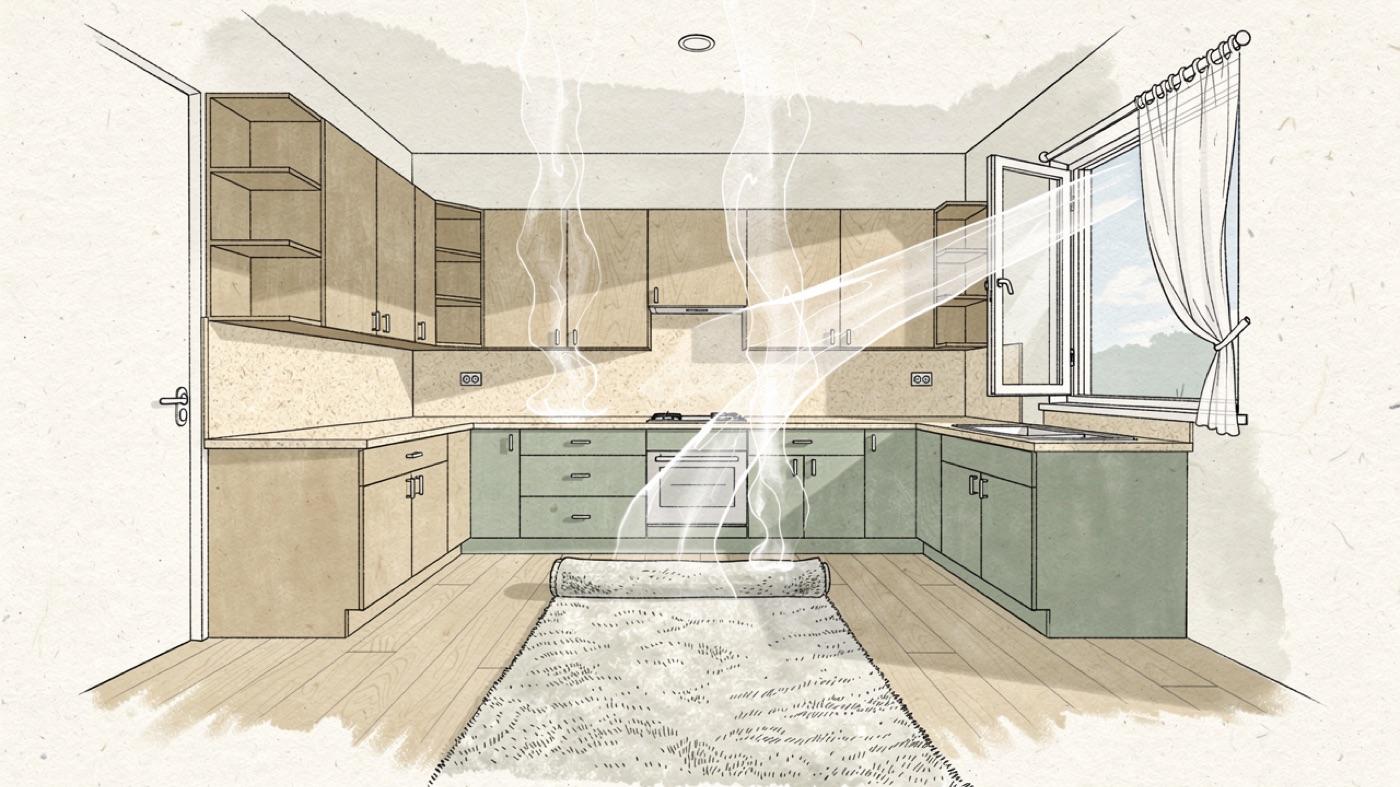
The cheapest pollutant to remove is the one you never bring in. Source control means choosing materials that have little or nothing to give off.
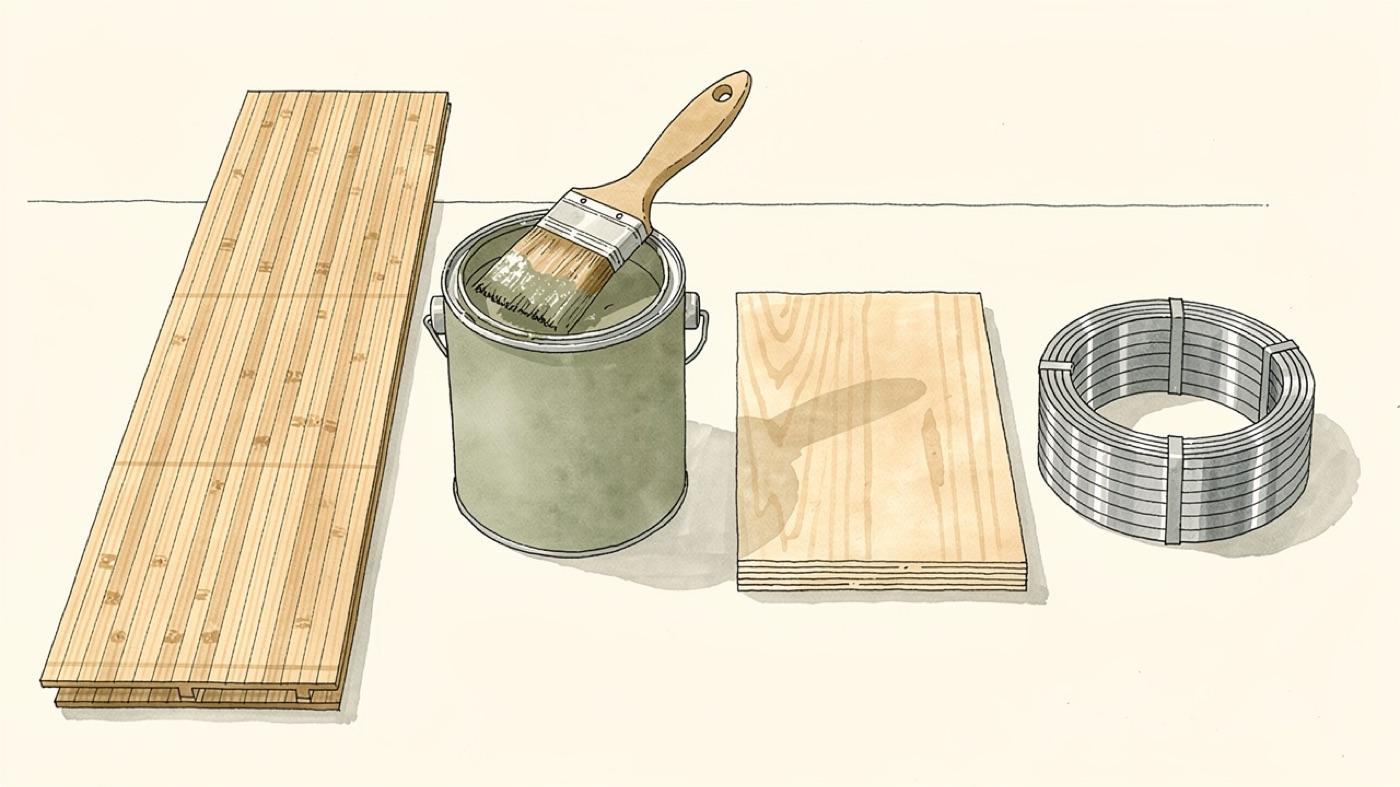
- Low-VOC or zero-VOC paints and finishes
- Formaldehyde-free plywood and cabinet boxes
- Water-based adhesives and sealers
- Natural, sustainable materials such as bamboo flooring, clay paints and recycled steel
Our healthy building materials principle sets the standard for every product that goes into a SENERGY360 home. If a material fails the standard, it does not get specified.
Technique two: mechanical ventilation
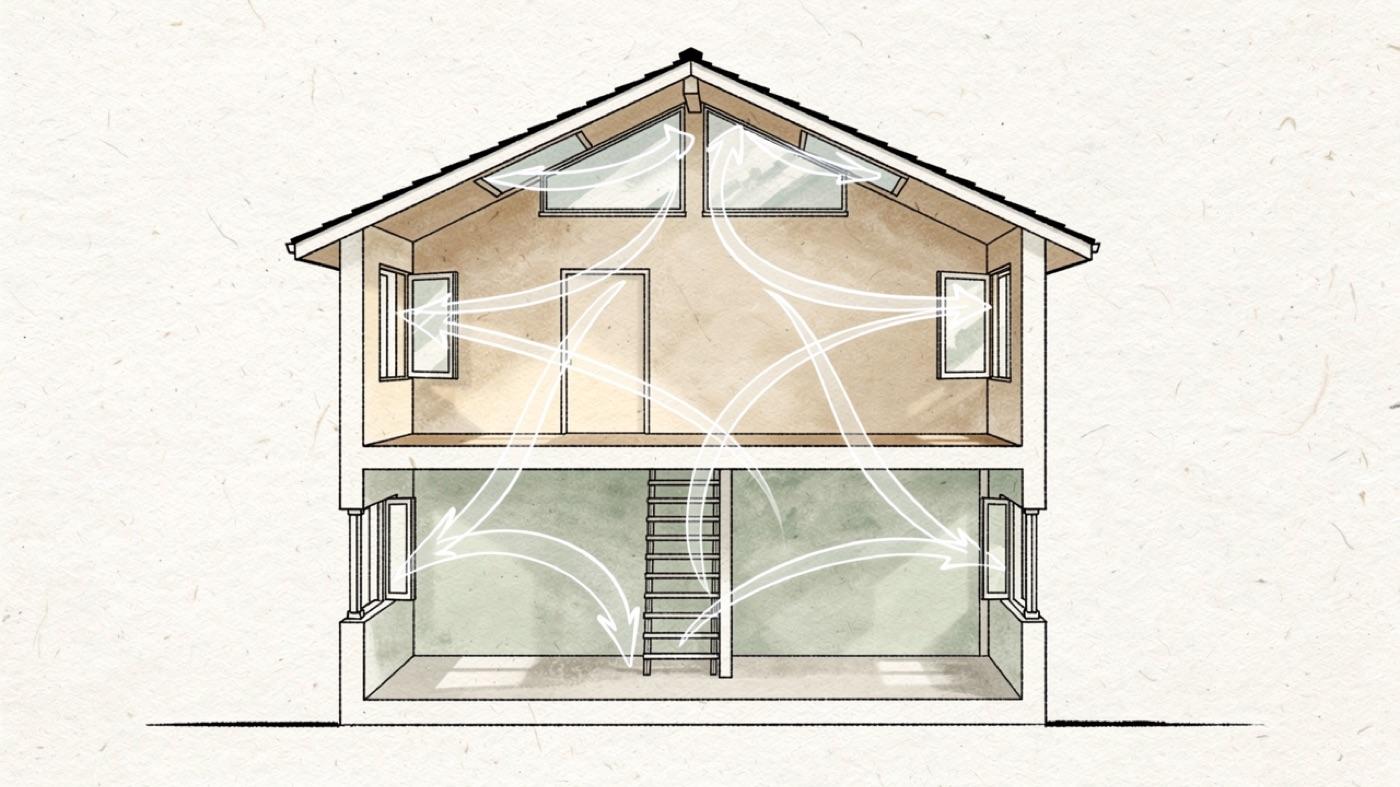
A tight, well-built home cannot rely on leaks for fresh air. It needs a mechanical system that brings in outdoor air on purpose and removes stale air on purpose.
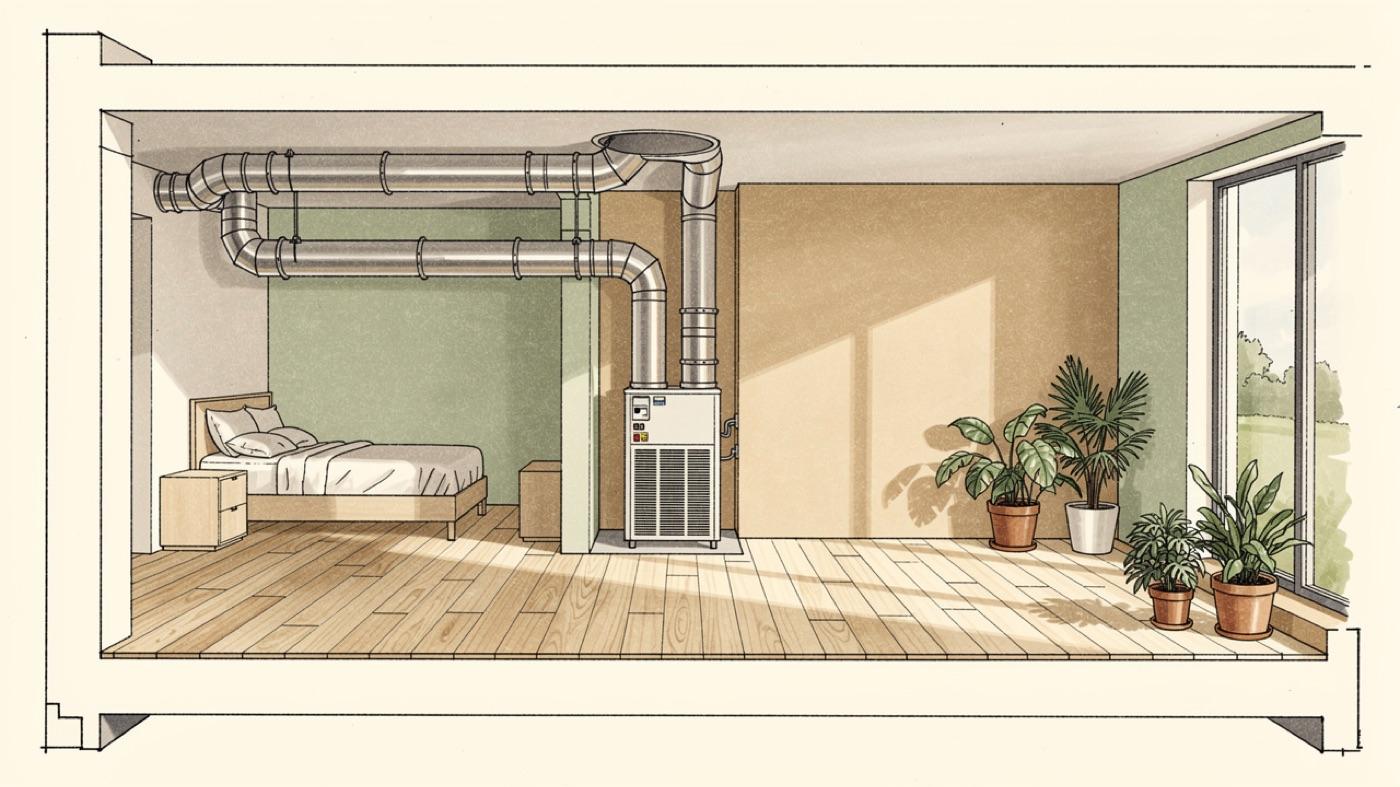
Energy recovery ventilators and heat recovery ventilators do this while managing energy use. They exchange stale indoor air for fresh outdoor air and recover most of the heat in the process.
The layout matters as much as the unit. Supply and exhaust points are placed to move air through every room, not just the hallway.
Our climate control and ventilation principle covers how we size and place these systems. The fresh air intake guide explains how much air a home actually needs.
Technique three: humidity control
High humidity is the single biggest driver of mold growth. Keeping indoor humidity between 30 and 50 percent sharply reduces the chance of mold and makes the air feel more comfortable.
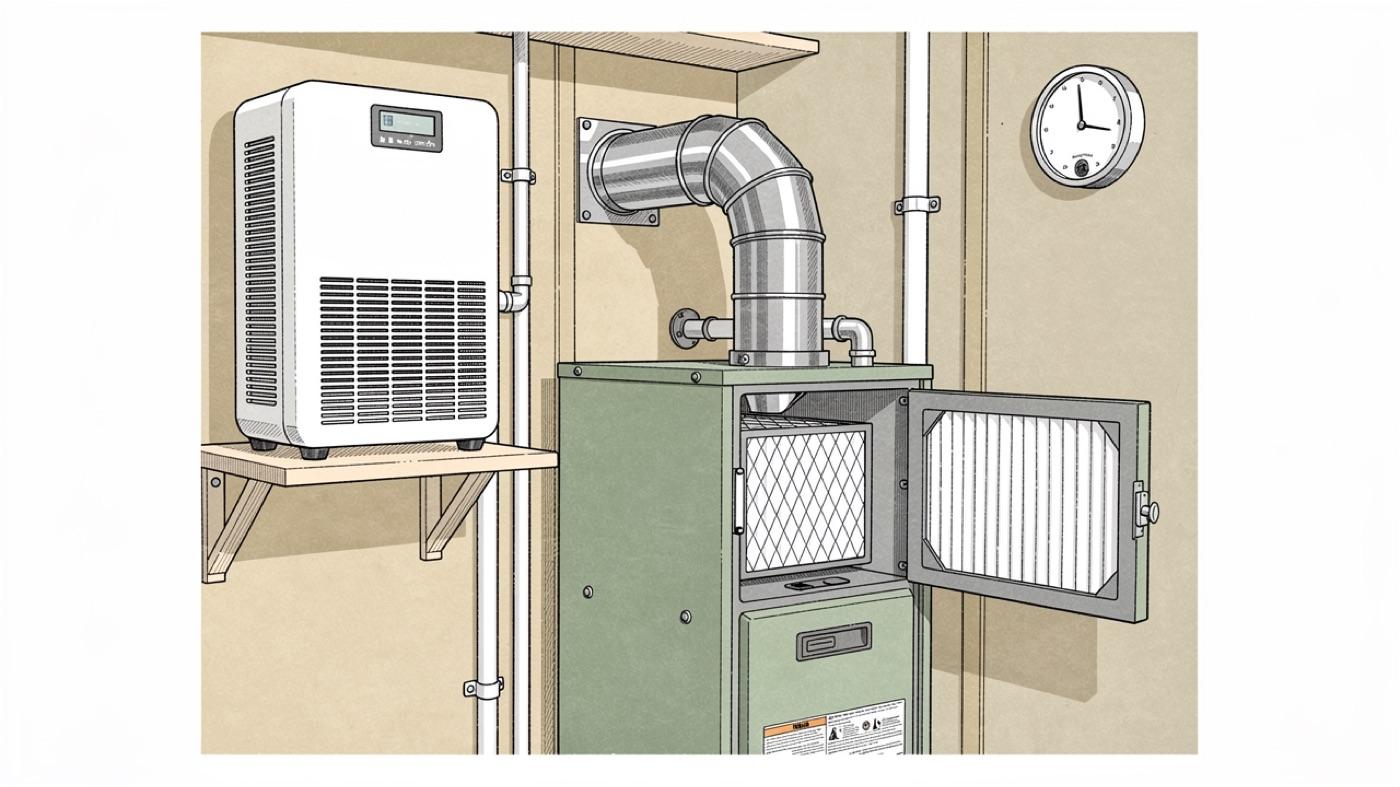
In dry climates the challenge flips in summer, when the air conditioner cannot run long enough to pull moisture out. A whole-home dehumidifier or an HVAC system designed to manage humidity solves that. A simple hygrometer in the main living area tells you whether it is working.
That target range follows federal guidance. The EPA's guide to mold, moisture and your home recommends keeping indoor humidity below 60 percent, ideally between 30 and 50 percent, and notes that a humidity meter is a small, inexpensive instrument available at many hardware stores.
Technique four: air filtration
Filtration catches what source control and ventilation miss. HEPA filters trap fine dust, pet dander and pollen. Activated carbon captures odors and some VOCs.
The catch is maintenance. A filter only works while it is clean.
We spec deep media filter cabinets on the air handler so filters last longer and restrict airflow less. Then we put replacement dates on the calendar.
Technique five: wellness design
Air quality does not stop at the mechanical room. The rest of the design either supports it or works against it.
Natural elements and daylight
Biophilic design brings water features, natural wood and greenery into the home. Houseplants such as snake plants, spider plants and peace lilies are often cited for filtering pollutants. We think of them as a bonus, not a filtration strategy, but they do make a space feel calmer.
Open layouts that flood rooms with natural light support both mood and daylighting. Our biophilic design products guide covers specific items you can buy or specify.
Acoustics
Noise is a pollutant too. Soft furnishings and sound-absorbing materials lower the background stress of a busy household. Choose them with the same care as any other material, since some acoustic products off-gas.
Assess first, then design
A new build starts from a clean sheet. An existing home does not. Before changing anything, it helps to know exactly which pollutants are present.
Air sampling kits and formaldehyde detectors give a rough picture. A professional Healthy Home Inspection gives a full one. We measure air quality, moisture, EMF and water, then lay out a prioritized plan for improvement.
Managing the project
Improving air quality in a home is a project like any other. It goes better with clear goals, research and the right team.
- Set the outcome you want before choosing products
- Work with contractors and designers who understand indoor air quality
- Budget for long-term benefits, not just the initial cost
- Invest in the materials and systems that last
Healthy home design is not a luxury add-on. It is the difference between a house that looks finished and a house that supports the people who live in it. Start with the air, and the rest of the design follows.