September 14, 2026
By Brian Johnson, Building Biologist and Licensed General Contractor
10 Toxic Chemicals in Cleaning Products and What to Use Instead
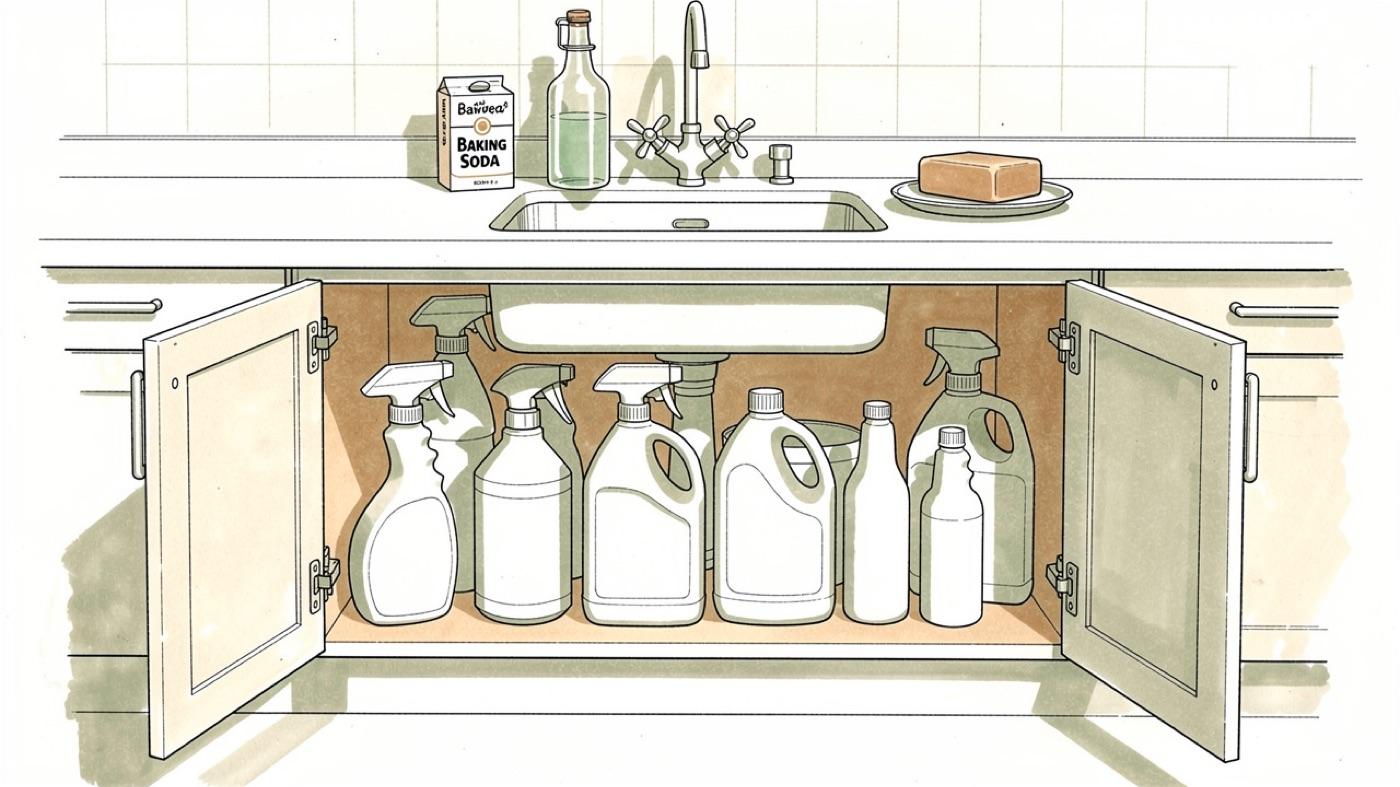
The toxic chemicals in cleaning products are the exposure most people can fix fastest. You bought them, you can stop buying them. Yet the cabinet under the sink is often the most contaminated spot in an otherwise careful home.
Studies keep linking household cleaner exposure to respiratory problems, skin irritation and hormone disruption. Regular exposure can run from headaches and dizziness to long-term problems like asthma. Many of these products also end up in waterways, where they harm wildlife.
A "green" or "natural" label does not settle the question. Some companies use those words while the ingredient list still carries the same chemicals. The only fix is to know what you are looking for.
The 10 toxic chemicals in cleaning products to avoid
Each one below is common, and each one has a simple substitute. Read the label, or the safety data sheet if the label is vague.
Phthalates
Phthalates help dissolve other ingredients and carry fragrance. They are linked to hormone disruption and reproductive harm. You absorb them through skin contact and by breathing scented air, so "fragrance" on a label is the warning sign.
Sodium lauryl sulfate
SLS is a surfactant that makes cleaners foam. It removes dirt well, but it irritates skin and eyes in sensitive people. Long exposure can lead to more serious skin problems.
Triclosan
Triclosan is an antibacterial agent in hand soaps and surface cleaners. Its overuse raises concerns about hormone disruption and antibiotic resistance. Plain soap does the same job without it.
The FDA agrees on the soap. In 2016 it issued a final rule under which triclosan and triclocarban were among 19 active ingredients that can no longer be marketed in consumer antiseptic wash products such as hand soaps and body washes.
Formaldehyde
Formaldehyde shows up as a preservative and disinfectant. It is a known carcinogen with prolonged exposure and it triggers allergic reactions. It is also a major contributor to indoor air pollution, which is why our formaldehyde post treats it as a whole-house problem.
Ammonia
Ammonia cuts grime and tough stains. It is also a strong irritant to the eyes, skin and lungs. Anyone using it needs real ventilation, and nobody should mix it with bleach.
Never mix chlorine bleach solution with other cleaning solutions or detergents that contain ammonia because toxic fumes could be produced.
Chlorine bleach
Chlorine bleach kills germs and degrades indoor air quality at the same time. It can cause breathing problems, especially for anyone with a compromised respiratory system. For most jobs, a safer disinfectant does the same work.
2-Butoxyethanol
This solvent is common in glass and multi-surface cleaners. Exposure by inhalation or skin contact can cause headaches, throat irritation and nausea. It is rarely named on the front of the bottle.
Perchloroethylene
PERC is the dry cleaning solvent, and it appears in some household spot removers. Breathing it can cause dizziness and headaches, and heavy exposure can cause neurological damage. Limit it and choose alternatives.
Ethylene glycol
Ethylene glycol appears in a range of cleaners. Swallowing it can cause kidney damage, and small amounts are dangerous. In a home with children or pets it has no place under the sink.
Sodium hypochlorite
Sodium hypochlorite is the active ingredient in bleach. It disinfects, but mixed with other cleaners it produces toxic fumes. If you keep it at all, keep it alone and use it in a ventilated room.
Why the chemicals stay in the house
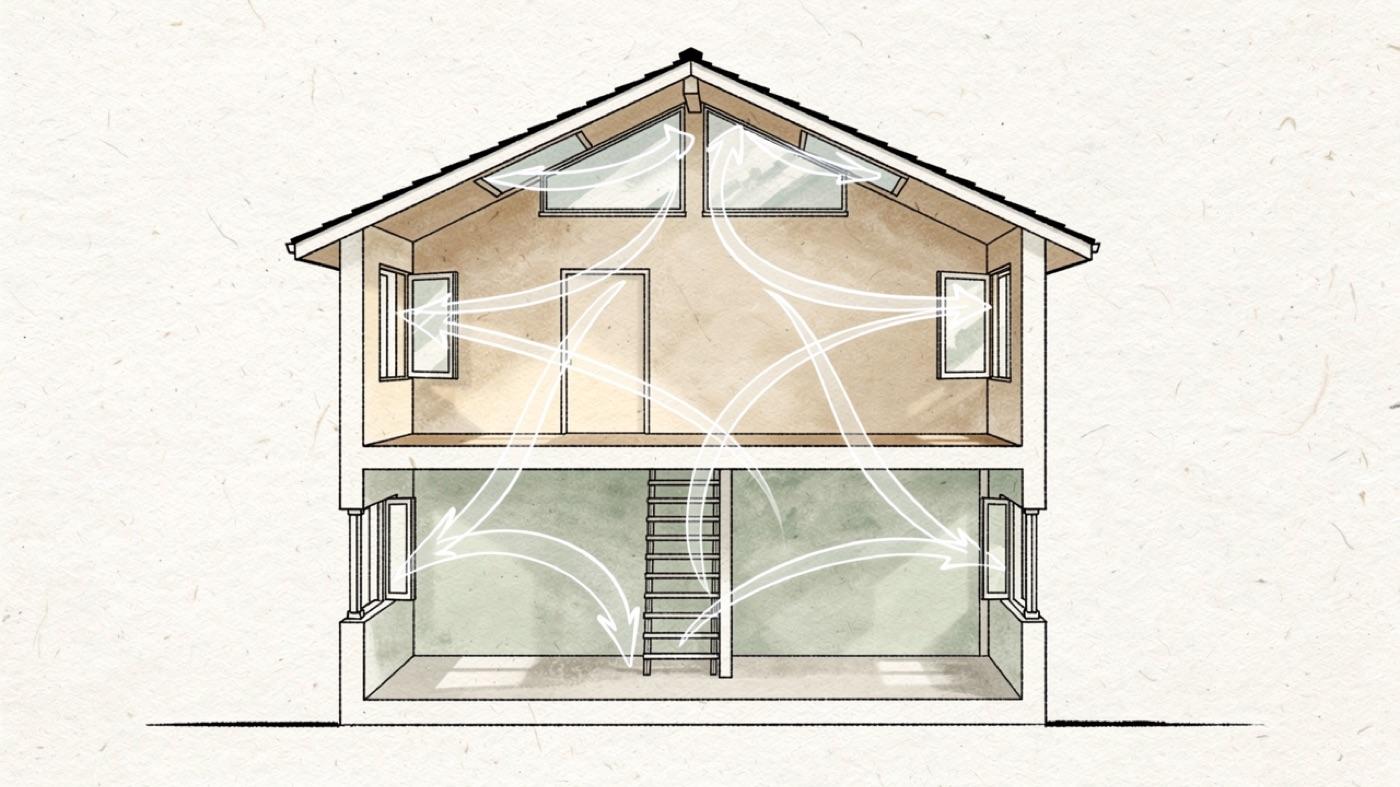
A cleaner does not vanish when the surface dries. Fragrance carriers, solvents and preservatives keep evaporating for hours. They settle into dust, where they get stirred up again every time someone walks through the room.
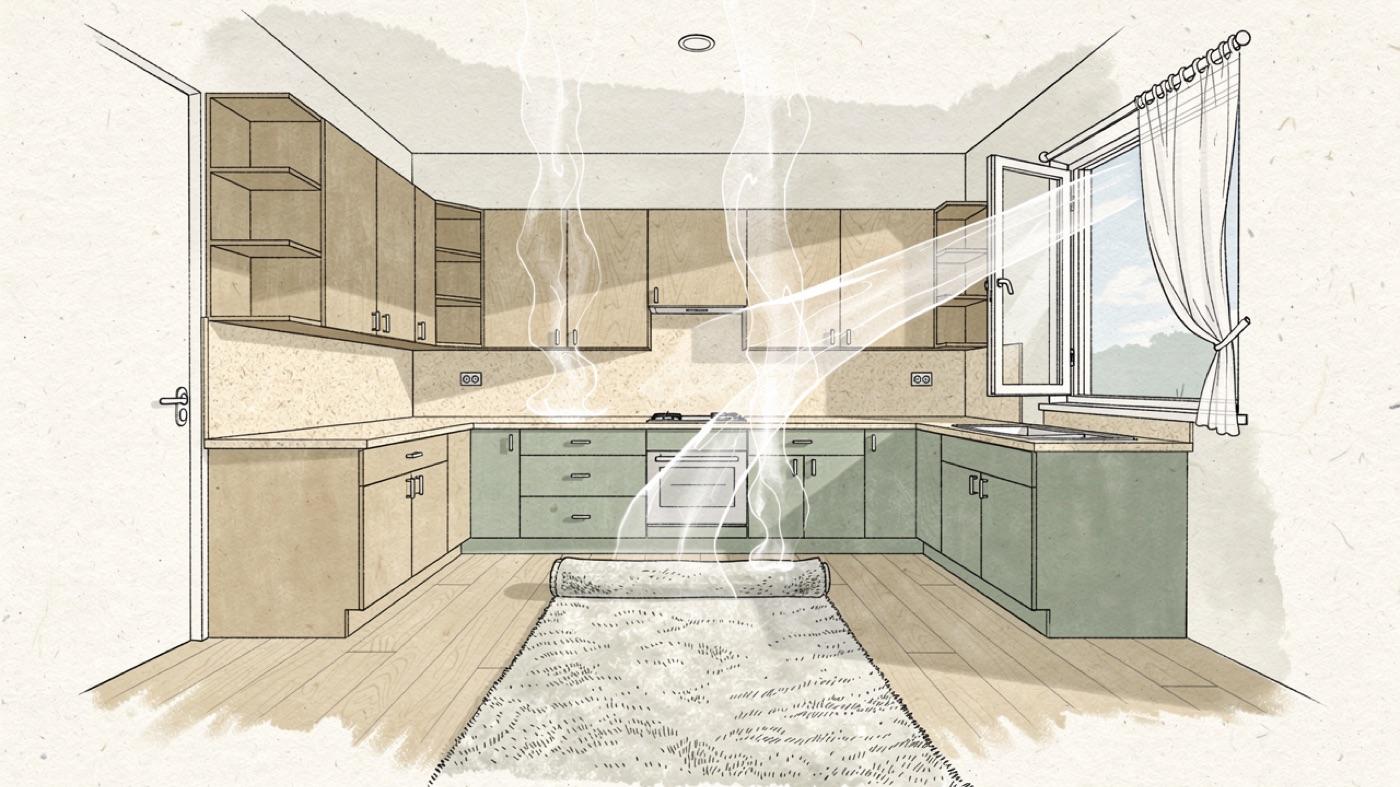
The U.S. EPA lists many cleaning, disinfecting and degreasing products among the household products that contain organic solvents, and it recommends increasing ventilation when using products that emit VOCs.
That is how cleaning products show up in indoor air testing days after the last cleaning. If you want to see it for yourself, a VOC test will usually show the fingerprint of whatever is under the sink.
How to reduce exposure
Start by reading labels and removing the products that list any of the ten above. Then replace them with a short list of basics:
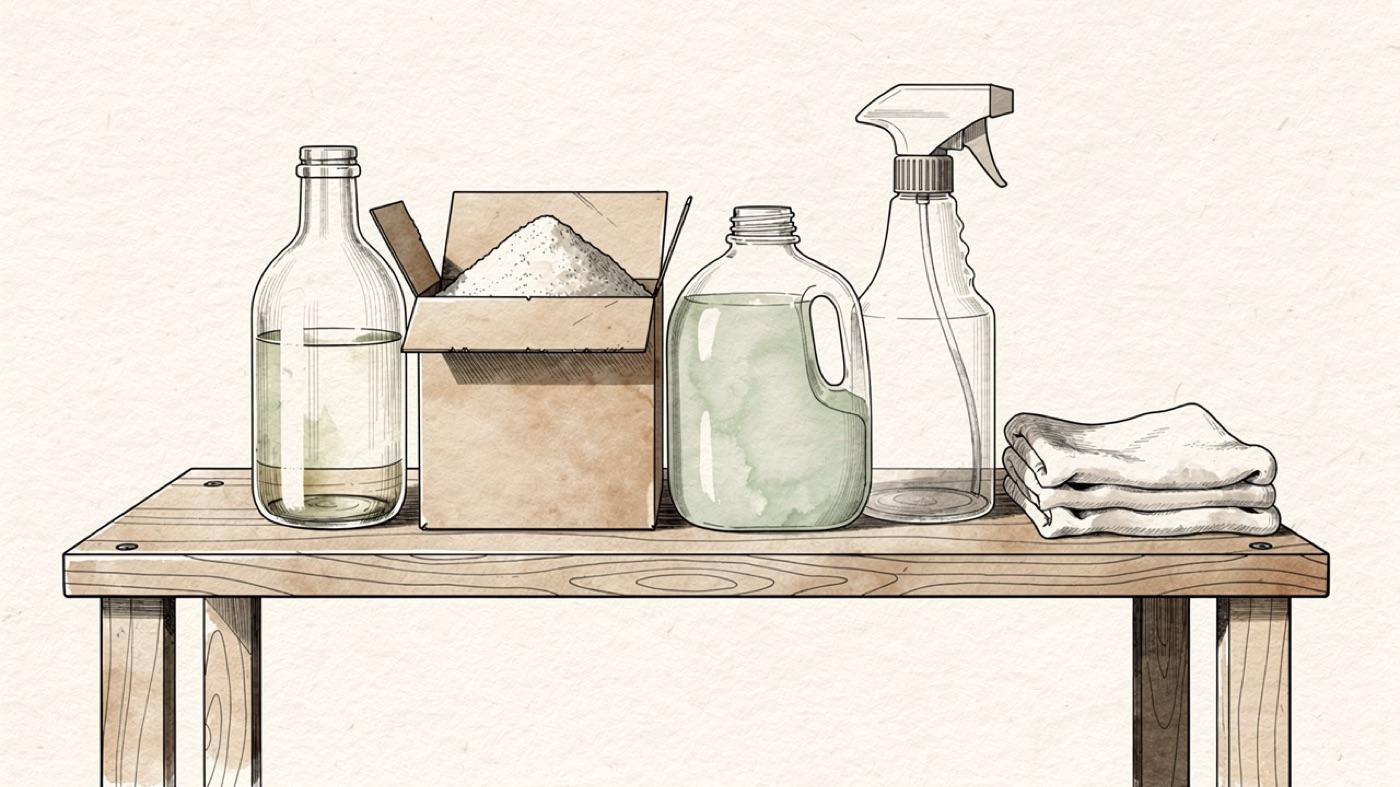
- White vinegar for glass, mineral deposits and general surfaces
- Baking soda for scrubbing, deodorizing and drains
- Castile soap for floors, dishes and hands
- Hydrogen peroxide as a disinfectant that breaks down into water and oxygen
- Plain hot water and a cotton cloth for most daily wiping
DIY cleaning solutions built from these ingredients keep a home clean without adding new chemicals to the air. The switch takes a few weeks of habit change. The health benefit lasts.
If you would rather buy than mix, the EPA's Safer Choice program helps consumers find products that perform and contain ingredients that are safer for human health and the environment.
The laundry room deserves the same review. Detergents, softeners and dryer sheets carry many of the same fragrance and surfactant chemicals, which we cover in our non-toxic laundry post.
When to bring in an inspection
Cleaning products are one source among many. If someone in the house keeps reacting and the cabinet cleanout did not fix it, the cause may be building materials, furnishings or a hidden moisture problem instead.
A healthy home inspection identifies the actual sources so you stop guessing. It also gives you a baseline to compare against once the changes are made. For the broader picture of chemical sources in a house, see our post on how to avoid toxic chemicals at home.
Related reading: the home microbiome and why it matters.