September 14, 2026
By Brian Johnson, Building Biologist and Licensed General Contractor
The Home Microbiome: What Lives in Your House and Why It Matters
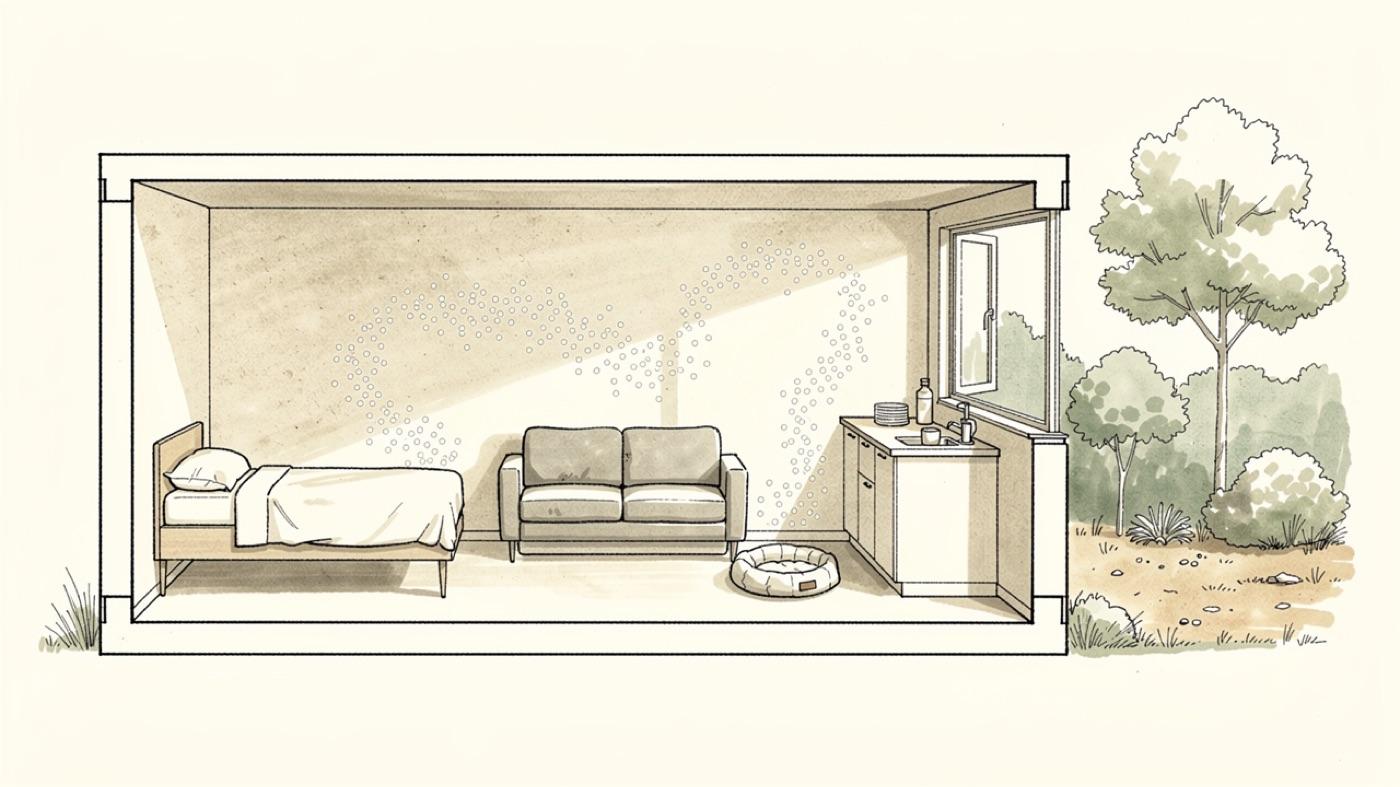
The home microbiome is the full community of microorganisms living on the surfaces, in the dust and in the air of your house. It is a new field. Researchers are still mapping what lives there and what it means for our health.
We bring it up because it changes how you think about cleaning, moisture and materials. A healthy home is not a sterile home. This post covers what is known, what is not, and the one piece of advice the research supports today.
What the home microbiome is
The microbiome is defined as the complete array of microorganisms and their genetic material on a person or in an environment. Trillions of these organisms live on and in us. Researchers are trying to understand which ones are present, in what ratios, and what a healthy community looks like.
Homes have a microbiome too. According to researchers, it is defined by the occupants. A family populates a new home with its own microbial community within a few days of moving in.
That finding matches a 2014 study of seven families and their homes published in Science and indexed on PubMed. The researchers found that each home's microbes were identifiable by family and came largely from the people living there.
After a house move, the microbial community in the new house rapidly converged on the microbial community of the occupants' former house, suggesting rapid colonization by the family's microbiota.
From yogurt to the whole house
Most people already accept the basic idea. Eating yogurt or taking acidophilus is understood to be good for the gut because it is rich in biological activity. That is the tip of the iceberg.
Once researchers can map these microscopic cohabitants, they hope to measure a person's health, or a home's health, by who is present and who is missing. The long-term hope is that biological medicine and biological applications inside a building could resolve health problems. That day is not here yet.
What it means for your health
Here is the honest answer. At this stage of the research, we do not know exactly how the microbiome of our bodies or our homes works. We do not yet know what is present, in what quantities, or what defines a healthy composition.
That uncertainty matters when someone tries to sell you a solution. There are no functional microbiome remedies or sprays that can rebalance a home.
Some marketers already claim otherwise. Until the full microbiome is understood, using a product that claims to balance it is a risk, not a fix.
Where the research points
The clearest signal so far comes from research on moisture. More data shows that the combination of molds and other microbial organisms may affect health during a wetting event and in damp conditions.
The working theory is imbalance. Normal, healthy microbial communities get altered by the new living conditions a leak creates. Organisms that thrive in damp take hold.
Their mycotoxins and microbial volatile organic compounds are what affect the people in the house.

This is why we treat moisture as the first line of defense. Our mold prevention principle is really a microbiome principle. Keep the building dry and the community stays in balance.
How to support a healthy home microbiome
The research offers one piece of advice with confidence. Everything else follows from it.
Go easy on antimicrobials
Heavy use of antibacterial products can create a serious imbalance in the microbiome. Continued use of antimicrobials leads to a predominance of resistant species. At this stage in the research, minimizing antimicrobials in residential settings remains the only appropriate advice.
The U.S. Food and Drug Administration reached a related conclusion about hand soap. In its consumer update, Skip the Antibacterial Soap; Use Plain Soap and Water, the FDA says there isn't sufficient evidence that over-the-counter antibacterial soaps are better at preventing illness than washing with plain soap and water.
That means a few practical changes.
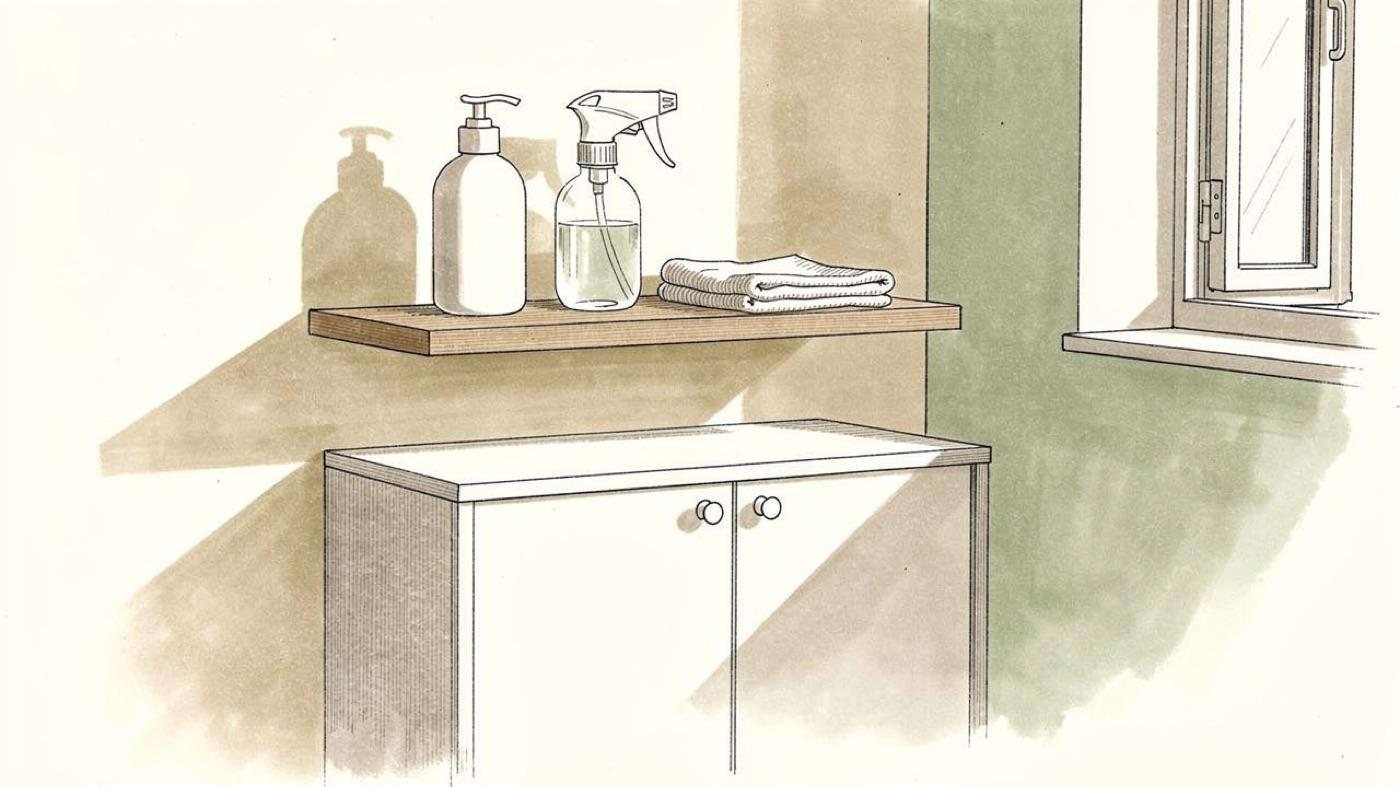
- Clean with plain soap, water and simple cleaners
- Skip antibacterial sprays and wipes for routine cleaning
- Question building products marketed with built-in antimicrobial treatments
- Save disinfection for an actual illness or a contamination event
Watch the antimicrobial treatments in materials
Many fixtures, countertops and finishes now advertise antimicrobial coatings. Those coatings are biocides by definition. Our post on biocides and where they hide in a home explains why we ask manufacturers what the treatment is before we specify a product.
Keep it dry
A dry building is a balanced building. Control humidity, fix leaks fast, and dry out anything that gets wet within a day or two. That single habit does more for the home microbiome than any product on the shelf.
Let the outside in
Homes with pets, gardens and open windows tend to carry a more diverse microbial community than sealed apartments. Diversity is not the same as a proven benefit, but it is the direction most researchers find interesting. A natural ventilation plan gives the house a steady connection to the outdoors.
The takeaway
The home microbiome is a real layer of the indoor environment. It will take years of research before anyone can say exactly what a healthy one looks like.
Until then, the guidance is simple. Keep the house dry. Clean with gentle products.
Avoid heavy antimicrobials and the products that claim to fix what science has not yet mapped. A Healthy Home Inspection can find the moisture problems that push a home's microbiome out of balance before they show up as symptoms.