July 22, 2024
By Brian Johnson, Building Biologist and Licensed General Contractor
Harmful Chemicals in the Home: Where They Hide and What to Do
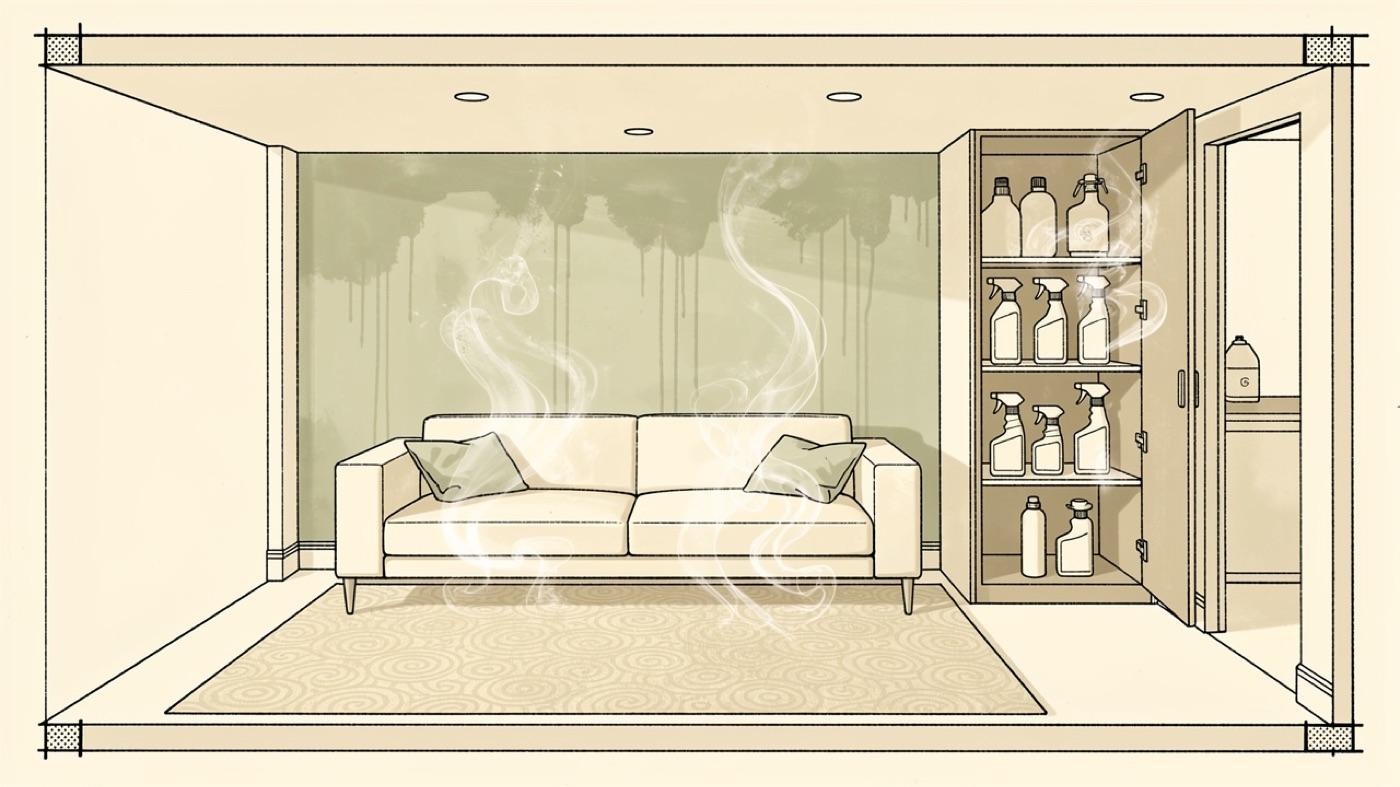
Harmful chemicals in the home affect every family, and most people never see them. They sit in the carpet, the cabinets, the couch and the cleaning bucket. Knowing where they hide is the first step to cutting exposure.
There are six major groups of chemicals commonly found in homes. They do not cover every concerning substance, but they are the ones most often built into household goods and building products. Working with someone like SENERGY360 helps you recognize where each group shows up.
How chemicals in a home affect our health
We are bio-chemical-electrical creatures. When we interact with chemicals in our environment, they affect us. Each person is unique and reacts differently to the same exposure.
A combination of factors decides how you react. Genetics, exposures over a lifetime, gender and general health at the time of exposure all play a part. Childhood exposures matter most, because the immune system is still developing.
Two people in the same house can also get different doses. Time spent in the house, distance from the source and personal sensitivity all change the exposure.
Symptoms to watch for
Aerosolized chemicals mostly affect the respiratory system, because we inhale them. They can affect cognition as well. Skin exposures are possible at home, but less common.
Any symptom that seems out of the ordinary and gets worse when you are in the house deserves attention. Long-term exposure to some chemicals is harmful because they can act as endocrine disruptors, carcinogens, mutagens or teratogens.
One caution from our inspections: mold and particulate can cause similar symptoms. Homeowners often blame mold when chemicals or dust are the larger problem. A healthy home inspection looks at all three.
What counts as a chemical
Chemicals are part of everyone's life. A pesticide is a chemical, and so is a lavender oil spray. Even water fits the dictionary definition of a distinct compound or substance.
That broad definition confuses people. Most of us call pesticides and fragrances chemicals and give natural products a pass. The truth is that any chemical, including water, becomes toxic above a certain threshold.
The useful question is not whether something is a chemical. It is what the substance is, how much of it is present and how long you are exposed.
Two sources of exposure
Chemical exposure at home comes from either the occupant or the building itself. Occupants bring in toxic products for cleaning and personal care, often without knowing it.
The building contributes the rest. Conventional construction uses significant quantities of chemicals, and the materials take years to off-gas. Both sources matter to the well-being of the people inside.
Six groups of chemicals found in homes
- Highly fluorinated chemicals, or PFAS, are toxic and found in over 3,000 products and materials used in home building and furnishings
- Antimicrobials are finishes and additives in fixtures and paints that resist bacteria; avoid products that contain them
- Flame retardants such as organohalogens and organophosphates, including chlorinated tris (TDCPP) and PBDEs, are common in insulation, carpeting, fabrics and furnishings; safer alternatives have been tested to burn at similar rates
- Bisphenols and phthalates are added to plastics and are known collectively as endocrine disrupting chemicals; cheap building practices that lean on plastic raise your exposure
- Solvents dissolve or disperse other substances and show up in plastics, glues, adhesives and mortars; non-VOC solvents exist, so ask for them
- Metals such as lead, mercury, arsenic and cadmium are naturally occurring but highly toxic; check that materials meet minimum safety levels and think about where the exposure would happen
For plastics and furnishings, choose minimally processed, natural materials and read the labels. The formaldehyde in pressed wood products belongs on this list too.
Federal health agencies describe several of these groups in similar terms. The EPA calls PFAS widely used, long lasting chemicals, components of which break down very slowly over time, and notes that many PFAS are found in the blood of people and animals all over the world. The National Institute of Environmental Health Sciences explains that endocrine disruptors are found in many everyday products, including carpet, and that some chemicals that act as flame retardants may also be endocrine disruptors. For lead, the EPA notes that a home built before 1978 is more likely to have lead-based paint, and that dust and paint chips from it are one of the most common sources of lead exposure in homes.
How chemicals get into the body
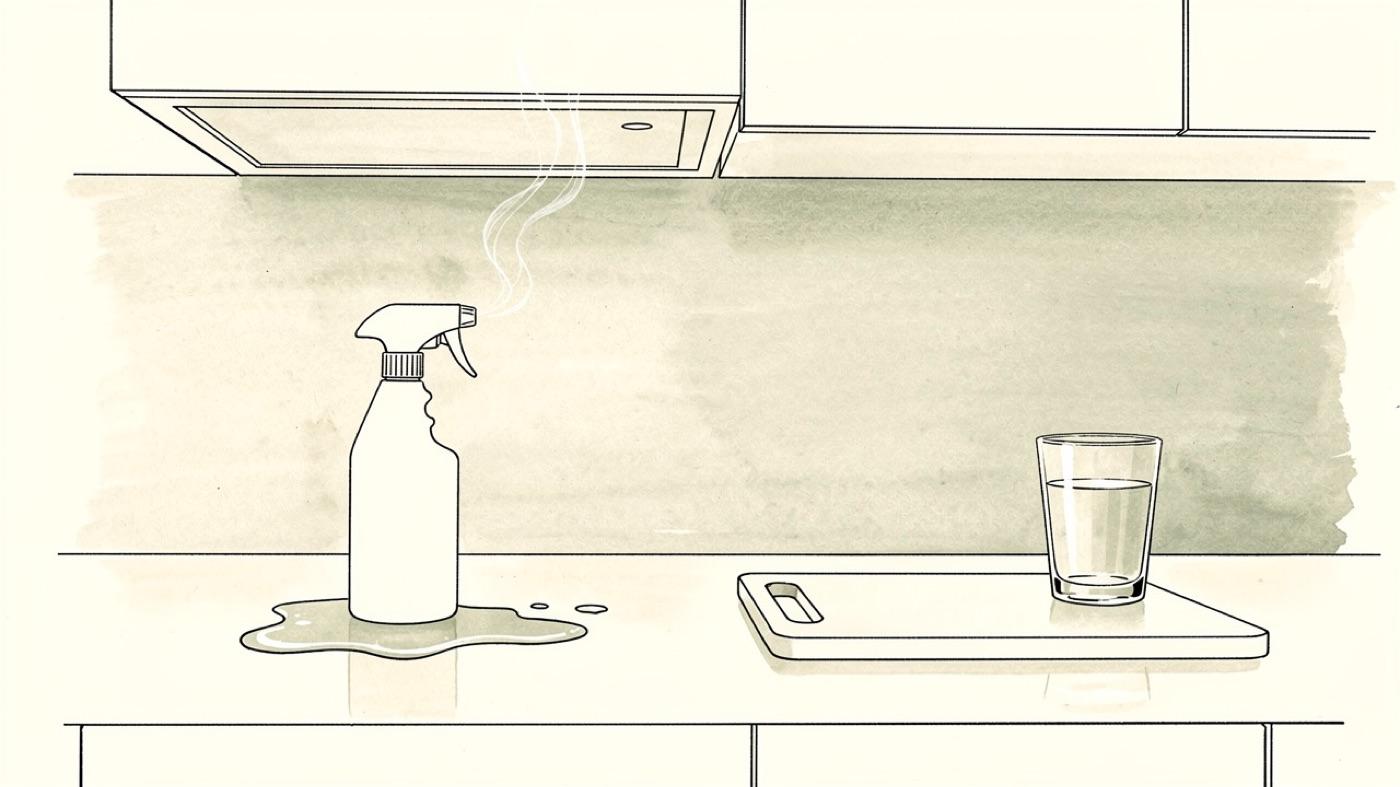
There are four routes of chemical entry. Only three of them matter much inside a home.
- Inhalation, the major route, through vapors, gases, mists and particulates
- Absorption, through the skin or eyes into the bloodstream
- Ingestion, through the mouth and the gastrointestinal tract
- Injection, which is rare at home and more relevant on job sites
Inhalation is the primary concern
Chemicals you inhale are either exhaled or deposited in the respiratory tract. From there they can damage tissue or pass into the bloodstream.
Once in the blood, they travel to organs where they can cause further harm. That is why the air in a home is the first thing we test.
Skin and eye exposure
Chemicals can penetrate the skin or enter through the eyes. Effects range from mild irritation or a rash to organ damage in severe cases.
Protective measures and safe materials keep this route small. Gloves for cleaning products and low-toxicity finishes go a long way.
Ingestion
Ingested chemicals can be corrosive, irritating or toxic. Soluble chemicals absorbed through the intestinal tract can damage internal organs.
A clean, contaminant-free living space limits this route. Dust that settles on counters and toys is a common carrier.
Why building codes and safe limits fall short
Building codes do not address chemical exposure at all. Setting safe exposure levels falls to the Environmental Protection Agency, which approves products and bans substances once they are proven harmful.
Those safe levels are often set too high. They are a compromise between concerned citizens and the industries that make the substances. Only in the face of overwhelming evidence do the limits come down.
In some cases the codes all but mandate harmful chemicals, such as fire retardants, in the name of occupant safety. The pesticide industry has shown that chemicals combined can potentiate each other. No study has ever tested the synergistic effect of several toxic chemicals inside one building envelope.
The chemical soup of a new house
A newly built or renovated conventional home creates a mix of emissions we recognize as new house smell. Standard materials commonly contain carcinogens, mutagens, immune sensitizers and chemicals that harm the nervous system.
A study titled Body Burden looked at how well the EPA protects us. For the 88,000 chemicals on the market, the agency can request data only when a chemical is already causing harm. Eight of ten new chemicals win approval in less than three weeks, at an average of seven per day.
Of the roughly 2,800 chemicals produced in quantities over one million pounds a year, 43 percent have no tests. Half have incomplete screening. Only 7 percent have total screening.
Chemical sensitivity and respiratory health
Cases of multiple chemical sensitivity have risen over the last two decades. Chemical hypersensitivity overlaps with asthma.
A significant portion of asthmatics report sensitivity to scented products and air fresheners. If someone in your home reacts to fragrance, that is a signal, not a quirk.
What you can do
Reducing exposure is mostly a matter of choosing well and cleaning well. These are the steps we give every client.
EDCs cannot be completely avoided or removed; however, you can make informed choices to reduce exposure and risk of any potential health effects.
- Specify non-toxic, low-emission building materials and finishes
- Test the air, then fix the sources a VOC test points to
- Reduce the number of chemical products you bring into the house
- Store household chemicals outside the living space in a well-ventilated area
- Filter incoming outside air to catch particulate and drifting pesticides
Do not overlook the outdoors
Many chemicals come from outside the walls. Biocides, fungicides and pesticides drift on the air and settle as dust. That is one more reason to filter outdoor air before it enters the house.
Household cleaning chemicals deserve the same scrutiny as building materials. Swap the harsh ones for simpler formulas, and keep what remains sealed and stored away from where the family lives.