September 14, 2026
By Brian Johnson, Building Biologist and Licensed General Contractor
What Are Biocides, and Where Do They Hide in Your Home?

A biocide is any substance used to kill, repel or control a form of plant or animal life considered a pest. That definition comes from the National Institute of Environmental Health Sciences. Most people asking what are biocides are surprised by how many they already live with.
At SENERGY360 we treat biocides as a building material issue, not just a lawn care issue. They are in framing, in carpet, in caulk and in the air. This post covers what they are, how they affect health, and how to reduce them at home.
What are biocides
The word covers five product groups. Each targets a different pest, and each raises the same concerns.
- Herbicides for destroying weeds and unwanted vegetation
- Insecticides for controlling insects
- Fungicides used to prevent mold and mildew growth
- Disinfectants for preventing the spread of bacteria
- Pesticides used to control mice and rats
The EPA regulates the disinfectant group as antimicrobial pesticides: substances used to destroy or suppress the growth of harmful microorganisms such as bacteria, viruses, or fungi on inanimate objects and surfaces.
The exposure routes, the health concerns and the case for removing them are similar across all the "cides." The sections below focus on the insecticide families because they are the ones most often used in and around homes.
The three pesticide families
Insecticides are generally sorted into three chemical families. Knowing which one is in a product tells you a lot about how it behaves.
Organophosphates
There are about 40 organophosphate pesticides. As a group they account for roughly half of insecticide use in the United States. Most goes on food crops, but they are also used around homes for termites, lawn insects, ants, cockroaches, fleas, ticks and mosquitoes.
Examples include chlorpyrifos, azinphos methyl, methyl parathion and phosmet.
Organochlorines
Organochlorines are persistent, bio-accumulative pesticides. The group includes DDT, dieldrin, heptachlor, chlordane, endosulfan and dicofol. They were used widely through the 1950s and 1960s until western countries banned most of them in the 1970s.
They resist chemical, physical and biological breakdown. Their half-lives run from months to years, and in some cases decades. They are toxic to humans and animals and highly toxic to most aquatic life.
Older homes and soils can still carry them.
Pyrethrins and pyrethroids
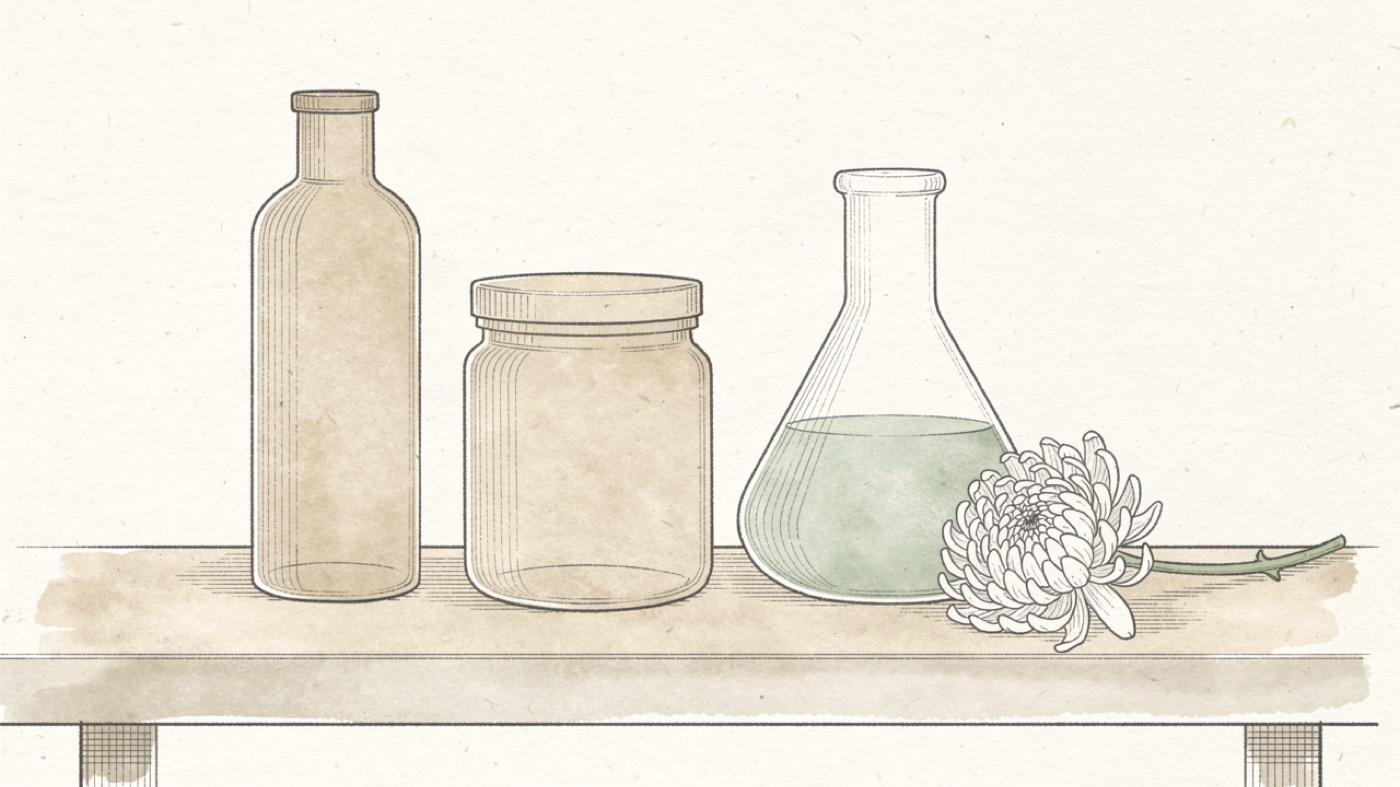
Pyrethrins are botanical insecticides derived from chrysanthemum flowers. They alter nerve function in insects, causing paralysis and death. Pyrethroids are synthetic versions with a similar structure, modified to hold up in sunlight.
Together they appear in over 3,500 registered products, including pet treatments, treated clothing and mosquito control. Their use has grown as organophosphate use has declined, since they are less acutely toxic to birds and mammals. The trade-off is urban runoff that can reach harmful levels for aquatic life in water and sediment.
How exposure happens
A pesticide has to make contact to affect a pest. The same is true for people. There are four major routes.
- Orally, usually by accident or through food
- Through the eyes, from aerosolized dust and sprays
- Through the skin, which accounts for roughly 97 percent of exposures
- By inhalation of aerosolized dust and sprays
Some figures on household use in the United States put the scale in perspective. About 85 percent of households store three to four pounds of pesticides. Around four billion individual applications happen each year.
In 2005 there were 101,000 reported injurious exposures, and 46 percent involved children under six. Roughly 20,000 household products contain harmful pesticides.
What the health research shows
Biocides are designed to kill living things by attacking the nervous system or blocking reproduction. Those strategies work on chinch bugs and dandelions. They also act on human cells.
One study compared two groups of preschool children in the Yaqui Valley of Mexico. Both groups shared the same culture, water and food.
The valley children lived with about 90 crop pesticide applications a year, while the foothill children came from a ranching community using traditional intercropping for pest control. The valley children showed significantly less stamina, eye-hand control and short-term memory.
Research has associated several cancers with pesticide exposure, including breast, thyroid and ovarian cancer. Exposure to glyphosate, the main ingredient in Roundup, has been linked to a more than 40 percent increase in the risk of some cancers. Another study found professionally applied lawn pesticides associated with a 70 percent higher risk of canine malignant lymphoma in dogs, a disease nearly identical to non-Hodgkin's lymphoma in people.
Where biocides hide in a home
We bring biocides indoors on purpose and by accident. Indoors they settle into carpet, synthetic fabrics and household surfaces, where they persist far longer than they would in sunlight.
Many construction products contain biocides to extend shelf life. They contribute to that "new house" smell. Pesticides are also applied to new homes as a preventive step, even when nothing needs treating.
Our post on chemicals used in building a home covers where else they turn up in the materials list.
Until manufacturers and the EPA ended its use for most residential products at the end of 2003, wood treated with water-soluble arsenic compounds was standard lumber, even in playground equipment.
According to the EPA, wood treated with chromated arsenicals was used in residential structures such as decks and playsets before 2004, after manufacturers voluntarily stopped making it for homeowner uses in December 2003. The EPA does not require removal of existing structures, so an older deck or play set can still be made of it.
This is why our healthy building materials specifications screen products for biocide content, and why our post on non-toxic pest and termite control covers physical barriers instead of chemical ones.
Reducing biocides you already have
Cleaning helps, and one study measured how much. Researchers sampled ten farmworker homes for six organophosphate pesticides, applied a standardized cleaning routine, then re-sampled within 24 to 48 hours and again at 12 months.
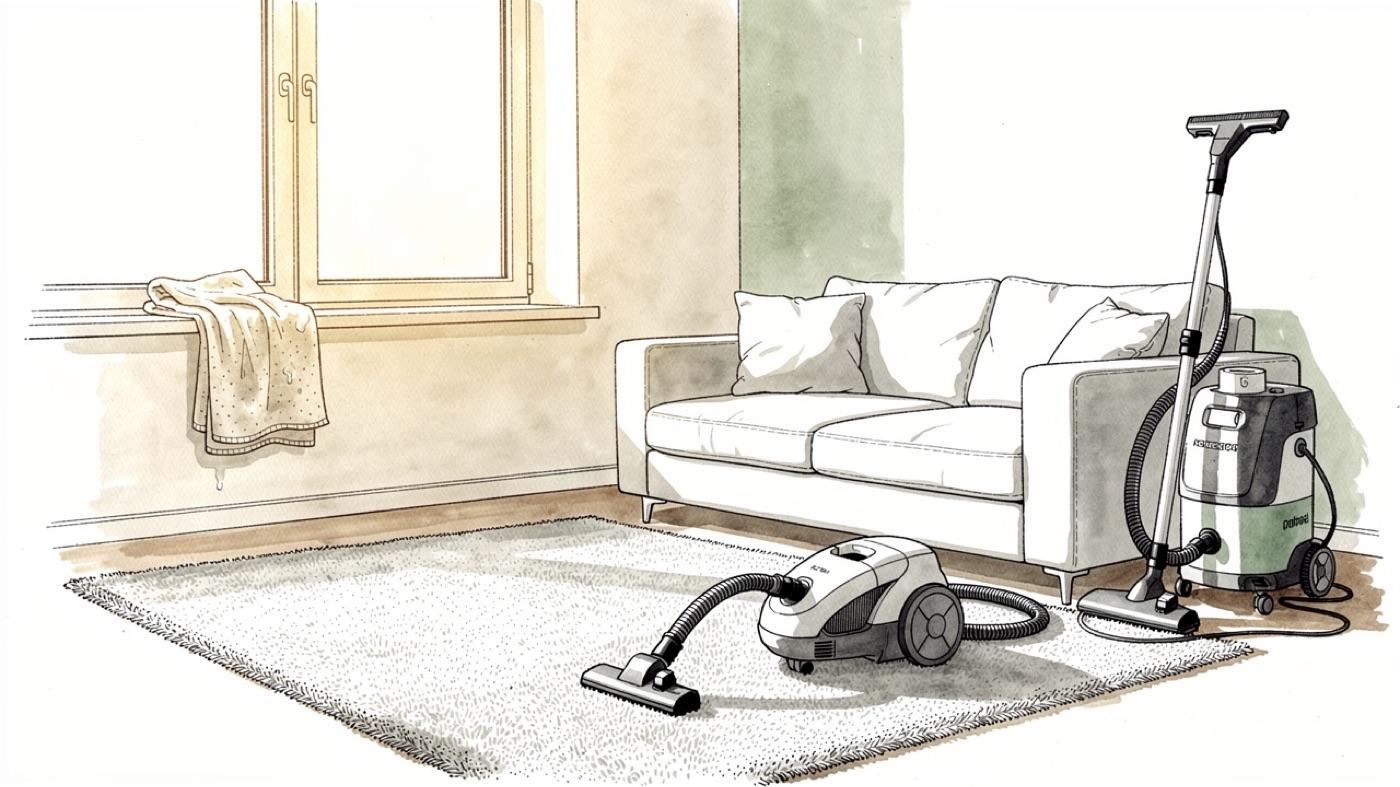
Every home had detectable residue on floors and windowsills at baseline. Cleaning linoleum floors was found ineffective at removing total residue. Wiping windowsills worked.
Steam cleaning carpets reduced levels to non-detectable, though carpets had climbed back to one-third of baseline after 12 months.
- Vacuum often with a low-emission or zero-emission vacuum
- Damp wipe windowsills and hard surfaces
- Steam clean carpets, or replace carpet with hard flooring where you can
- Stop bringing new biocides in: skip preventive sprays and treated products
The same thinking applies to mold. EPA guidance does not treat a biocide as the first answer, and our healthy building approach to mold remediation puts removal ahead of any treatment.
The use of a chemical or biocide that kills organisms such as mold (chlorine bleach, for example) is not recommended as a routine practice during mold cleanup.
A Healthy Home Inspection can identify where residues and treated materials sit in your home. Knowing what biocides are is the first step. Knowing where they hide is what lets you get them out.