September 14, 2026
By Brian Johnson, Building Biologist and Licensed General Contractor
Asbestos Testing and Removal: A Homeowner's Guide
Asbestos is a naturally occurring mineral that builders used for decades because it resists heat and lasts. The health risks are severe. Inhaled fibers are linked to asbestosis, lung cancer and mesothelioma, and the risk climbs with repeated exposure.
If your home was built or remodeled before the 1980s, asbestos testing belongs on your list before any renovation. This guide covers where it hides, how testing works and how removal is done safely.
What Asbestos Is and Where It Was Used
Asbestos is a group of six silicate minerals with a fibrous structure. Those fibers were mixed into hundreds of building products for fire resistance and durability. Most homes built before the 1980s contain it somewhere.
According to the National Cancer Institute's asbestos fact sheet, the U.S. EPA banned all new uses of asbestos in 1989, but uses developed before 1989 are still allowed. That is one reason older materials keep turning up during renovations.
Common materials that may contain asbestos
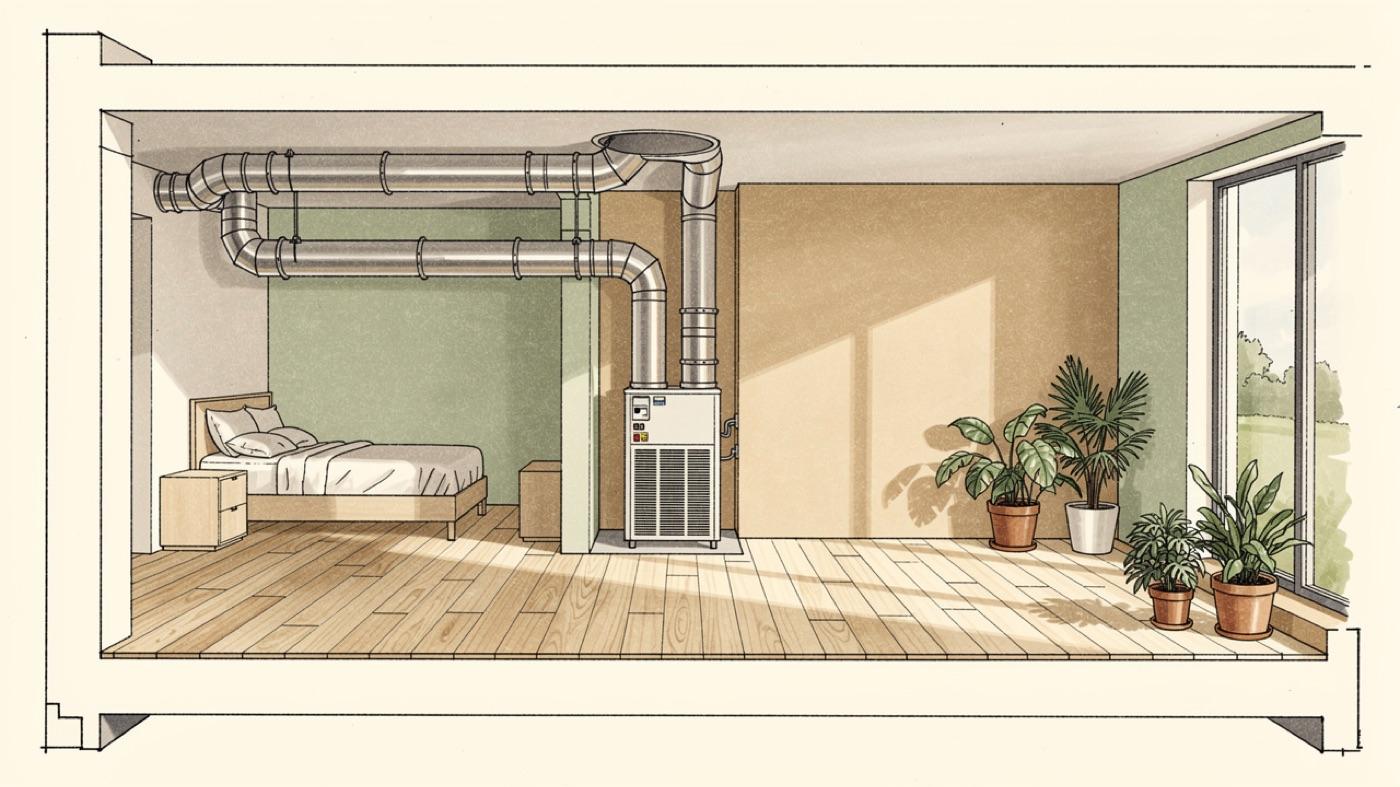
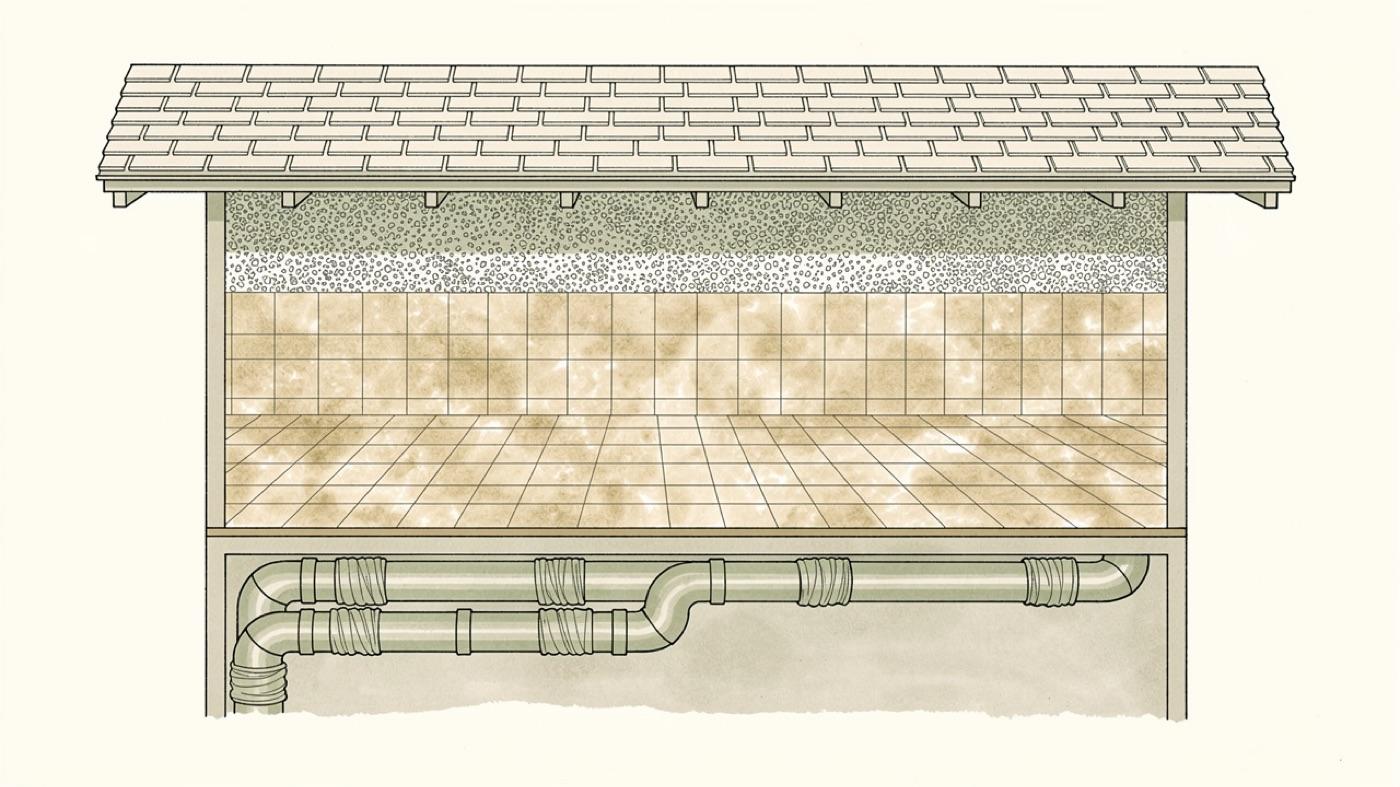
- Pipe and duct insulation
- Vinyl floor tiles and the adhesive under them
- Textured ceiling and wall finishes
- Cement siding, roofing and backer sheets
- Some older joint compounds and plasters
Signs of Asbestos in Your Home
You cannot identify asbestos by eye. What you can identify is the age of the material and its condition. Both matter.
Age
A home over 30 years old that has not been fully renovated should be treated as a possible source. Pay attention to areas that were repaired or remodeled along the way, because those repairs may have used asbestos products too.
Condition
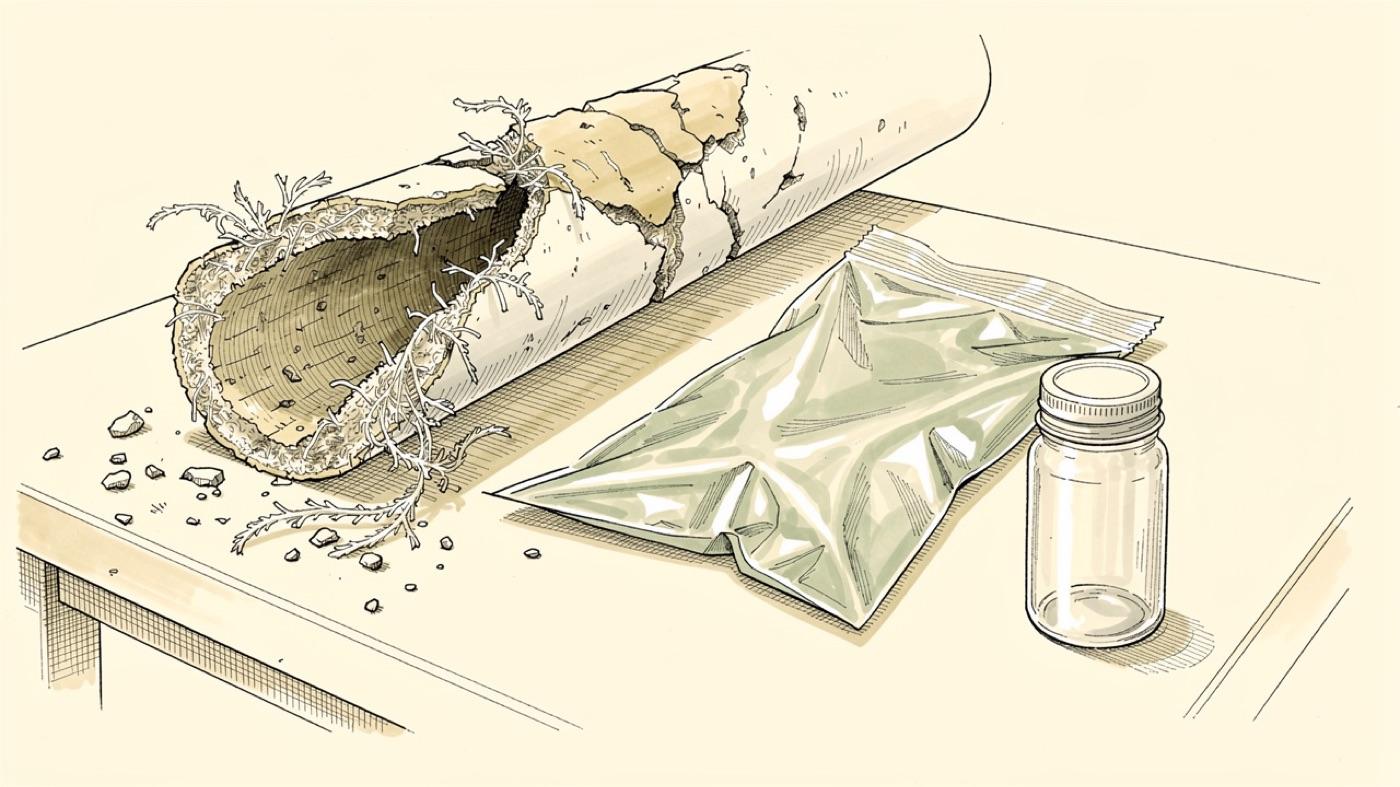
Intact asbestos material that is left alone releases little. The danger is friable material, meaning it crumbles or powders easily. Damaged insulation, cracking tile and deteriorating texture are the warning signs.
How Asbestos Testing Works
Testing means collecting a small sample of the material and sending it to a laboratory that analyzes the fibers. Homeowners have two ways to get there.
DIY sample kits
Kits let you collect a piece of the material and mail it to a lab. They are inexpensive. The risk is in the sampling itself, because cutting or breaking suspect material can release the very fibers you are trying to avoid.
The U.S. EPA gives homeowners the same warning in its guide to protecting your family from asbestos exposure:
In fact, if done incorrectly, sampling can be more hazardous than leaving the material alone. Taking samples yourself is not recommended.
Professional testing
A trained inspector knows which materials to sample, how to wet and seal them, and how to document the location. Results are more reliable and the process is safer. We include suspect-material screening in our Healthy Home Inspections for older homes.
Preparing for a test
- Seal off the area being sampled
- Do not sand, scrape, drill or cut suspect material
- Keep children and pets out until the sample is bagged
- Note the location and material type for the lab
Reading the results
A positive result means asbestos is present in that material. It does not automatically mean removal. The next decision depends on the material's condition and whether it is going to be disturbed by living in the home or by planned work.
Asbestos Removal Options
There are two ways to manage confirmed asbestos. Which one fits depends on where the material is and what you plan to do with the space.
Encapsulation
A sealant or covering locks the fibers in place. It suits intact material that is not going to be disturbed. It is not a fix for damaged material, and it has to be monitored over time.
The EPA groups sealing (encapsulation) and covering (enclosure) together as repair, and notes that with any type of repair, the asbestos remains in place. That is why encapsulated material needs to stay on your inspection list.
Full removal
A licensed abatement crew removes the material entirely. This is the answer before a remodel, when the material is deteriorating, or when a family simply wants it gone.
Why DIY removal is a bad trade
Some homeowners consider pulling old tile or insulation themselves to save money. The fibers released during removal are the exposure event everyone is trying to prevent.
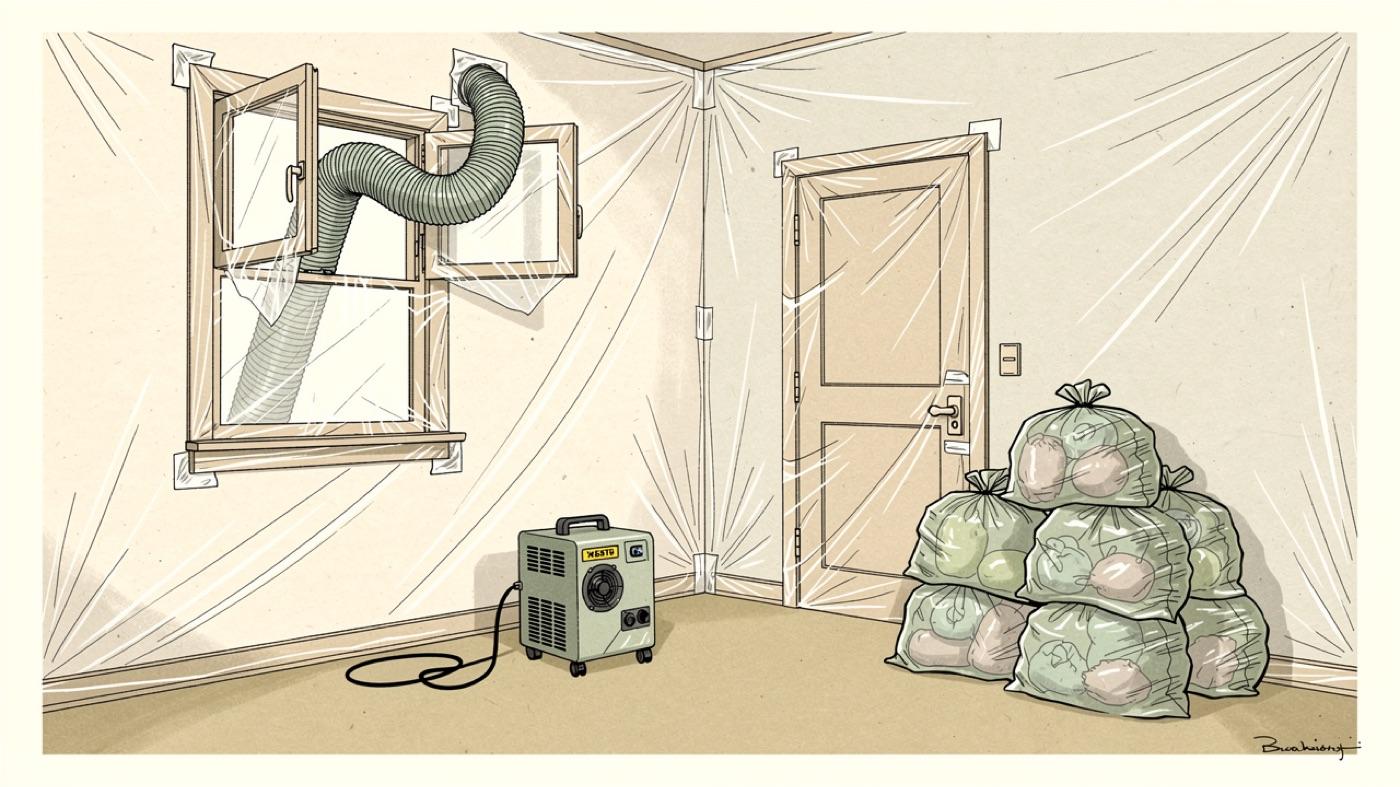
Certified crews work inside sealed containments under negative air pressure, with wetting, respirators, sealed disposal and clearance testing afterward. That equipment and training is what you are paying for.
Rules and Responsibilities
Asbestos testing, removal and disposal are regulated at the federal and state level. Rules cover who may do the work, how waste is bagged and where it can go. Homeowners are responsible for making sure work on their property follows them, which in practice means hiring licensed people and keeping the paperwork.
Keeping the Home Healthy Afterward
Removal or encapsulation is not the end of the story. A healthy home is maintained, not just fixed once.
Ongoing habits
- Check encapsulated material for wear or damage yearly
- Have a professional reinspect before any future renovation
- Control dust with HEPA filtration and good ventilation
- Keep records of what was tested, what was found and what was done
Asbestos is one of several legacy hazards we look for in older homes, alongside lead paint and mold. Knowing what is in the walls before the work starts is the whole point of a healthy building materials approach. Test first, then plan.
For the other common problems we find in older houses, see our guides to harmful chemicals in the home and the most common home inspection fails.