February 1, 2025
By Brian Johnson, Building Biologist and Licensed General Contractor
8 Top Home Inspection Fails: Common Deal-Breakers From a Building Biologist’s Perspective
Knowing when a home inspection fails is an important first step in buying a home, one of life's most significant and exciting investments.
A thorough home inspection can reveal critical issues affecting your purchase decision or requiring substantial repairs.
Being informed about potential deal-breakers helps you make a more confident and informed choice while avoiding costly surprises.
Mold Inspection
The home inspection is the ultimate eye-opener among all the steps in the process. Various issues can cause a home inspection to fail, such as plumbing problems, outdated building materials, and building code violations, which buyers should be aware of before purchasing a home.
It’s your chance to see beyond the surface of a property and uncover the potential challenges that could affect its value, safety, or even your health.
As a building biologist and licensed home inspector, I’ve walked countless clients through inspection results that have revealed everything from minor inconveniences to major deal-breakers. Understanding these common home inspection failures can help you make a more informed, confident choice.
Introduction to Home Inspection Fails
A home inspection is an important step in the home buying process. It is a thorough review of the home’s physical condition, conducted by a licensed home inspector.
The inspection is based on visually evaluating and testing the home’s systems and components. The result is a home inspection report, which details the current condition of the home and alerts buyers to any major issues.
What is a Home Inspection?
A home inspection is not a “pass” or “fail” test, but rather a description of the home’s physical condition.
Home inspectors check for issues such as proper drainage, foundation problems, plumbing and pipe issues, leaks, mold, termite damage, rotting wood, electrical problems, safety and security features, HVAC problems, roofing issues, asbestos, radon, lead paint, and certain building code violations. A home inspection can save homeowners an average of $14,000 in unexpected repairs after closing.
1. Home Inspection Fails - Structural and Foundation Issues
The foundation is the backbone of any home, and structural problems like horizontal cracks and foundation shifts often signal significant issues.
During inspections, structural concerns such as horizontal cracks, foundation shifts, or signs of improper grading often signal significant issues. If left unaddressed, these problems can escalate into costly repairs or compromise the livability of the home.
Be wary of poor drainage around the property, as it can weaken foundation walls over time. When cracks or deterioration appear, it’s important to investigate further and consider hiring a structural engineer to assess the damage.
2. Home Inspection Fails - Indoor Air Quality, Lead Paint, and Health Risks
The health of your home extends far beyond aesthetics. Lead-based paint, common in homes built before 1978, and spray-on surfacing materials can present serious health risks if disturbed. According to the U.S. EPA's page on protecting your family from exposures to lead, approximately three-quarters of the homes in the United States built before 1978 still contain some lead-based paint.
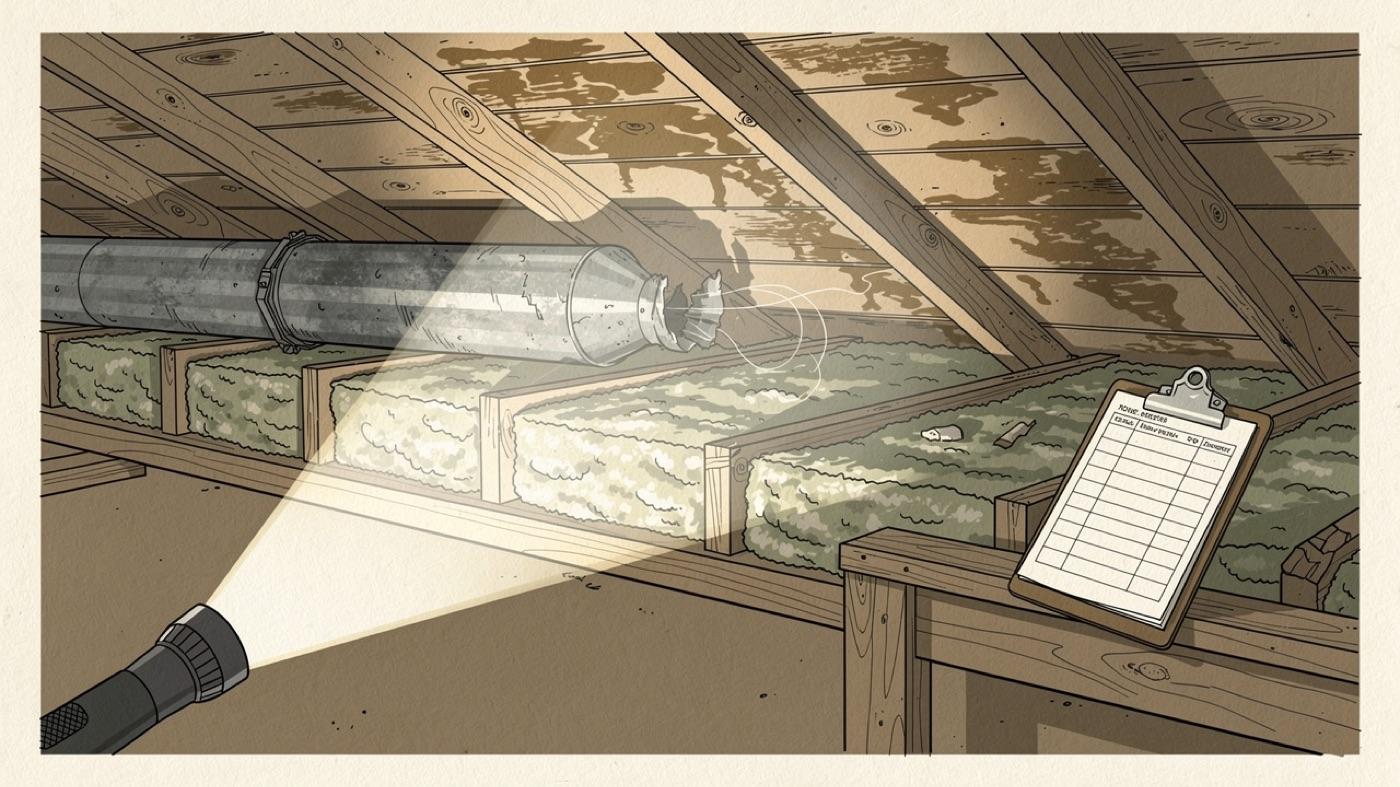
Another major concern is indoor air quality. Old, crumbling insulation can release harmful particles, and malfunctioning ventilation systems may exacerbate air pollution within the home.
Always check for functional carbon monoxide detectors and ensure the home is free from environmental hazards that could compromise your family’s well-being. Our article on carbon monoxide sources in modern homes covers where CO comes from and how to find it.
3. Home Inspection Fails - Plumbing, Leaky Pipes, and Moisture Problems
Plumbing problems are among the usual suspects during inspections. Leaky pipes, insufficient water pressure, and incorrect installations often indicate underlying problems.
Moisture, in particular, can wreak havoc on the natural integrity of a home. Crawl spaces, for instance, are prime areas for moisture buildup, which can lead to termite infestations, mold growth, and rotting floor joists. Inspecting drainage systems is important to ensure water isn’t pooling near the home’s foundation or seeping into vulnerable areas.
4. Electrical Systems and Safety Hazards
Few things can derail a sale faster than outdated or unsafe electrical systems. Examinations typically uncover issues such as over-fusing, improper grounding, or old wiring that is no longer up to code.
Preventable electrical hazards not only pose risks to your safety but also raise red flags for home insurance providers. Ensuring that the electrical systems meet local building codes is vital to protecting both the property and its occupants.
5. Roofing and Ventilation Issues
Roof problems often turn up during inspections and can lead to a cascade of other issues if unaddressed. Inspectors may uncover missing shingles, improper ventilation, or deteriorating asphalt shingles.
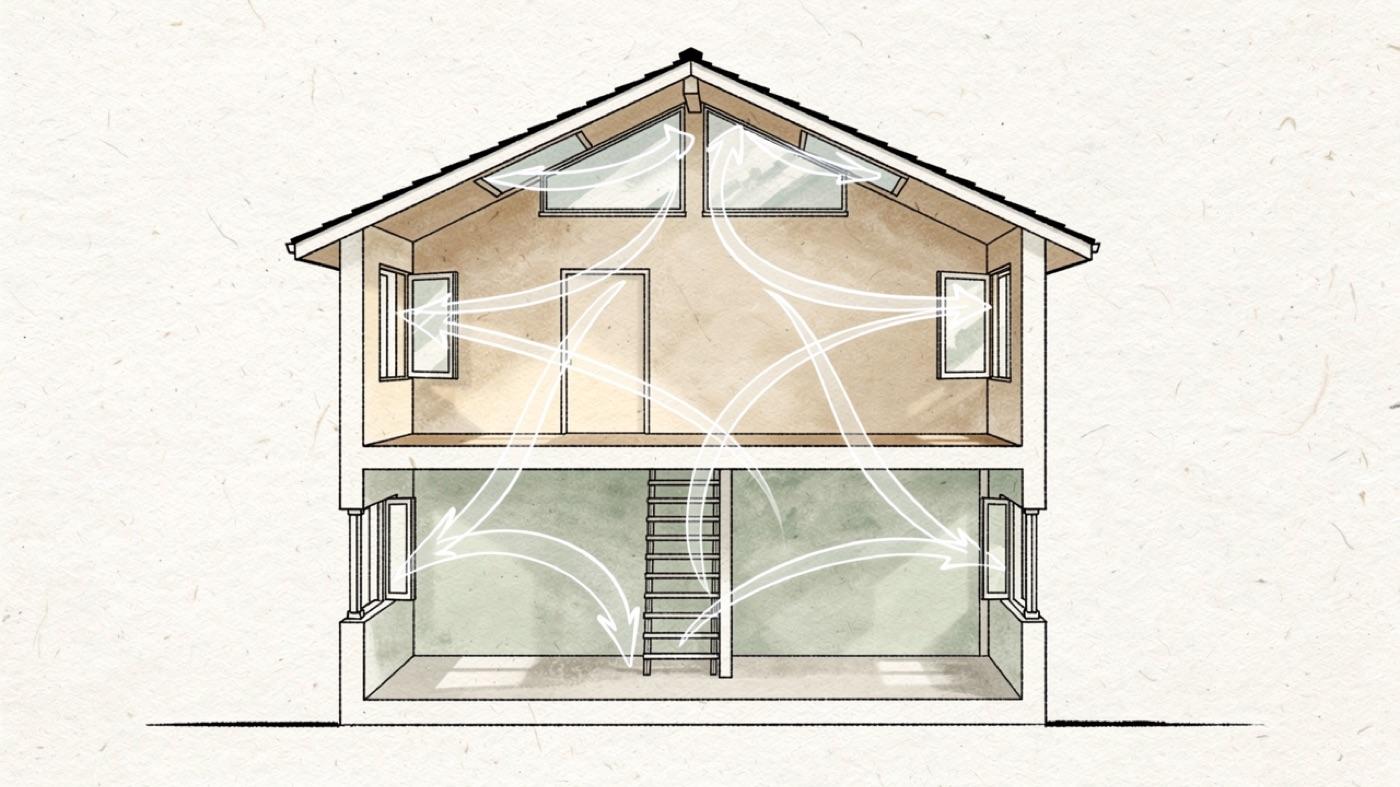
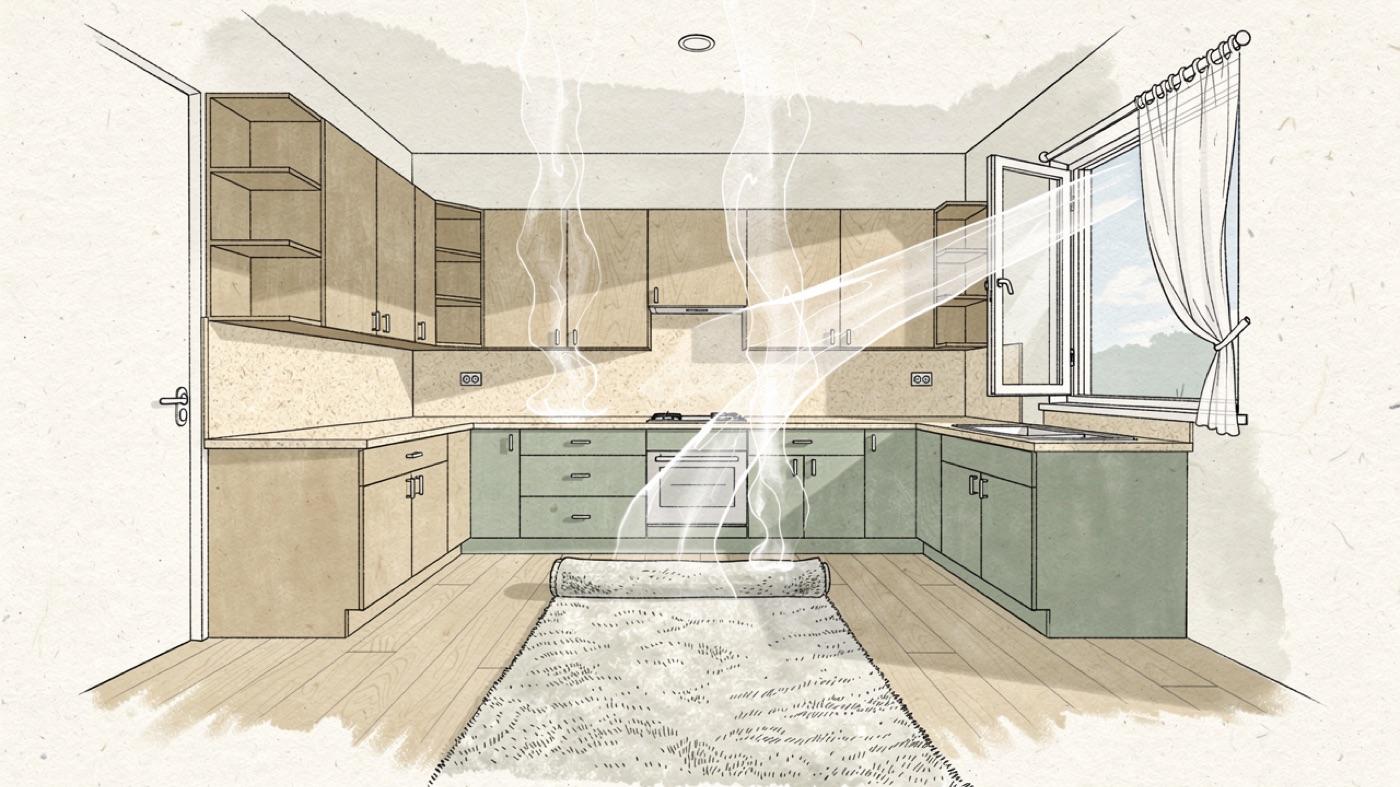
Improper ventilation—notably from poorly installed bathroom or kitchen vents—can result in moisture accumulation, which undermines air quality. A healthy, well-ventilated roof, along with timely repairs, enhances longevity and sustainability.
6. HVAC and Environmental Controls
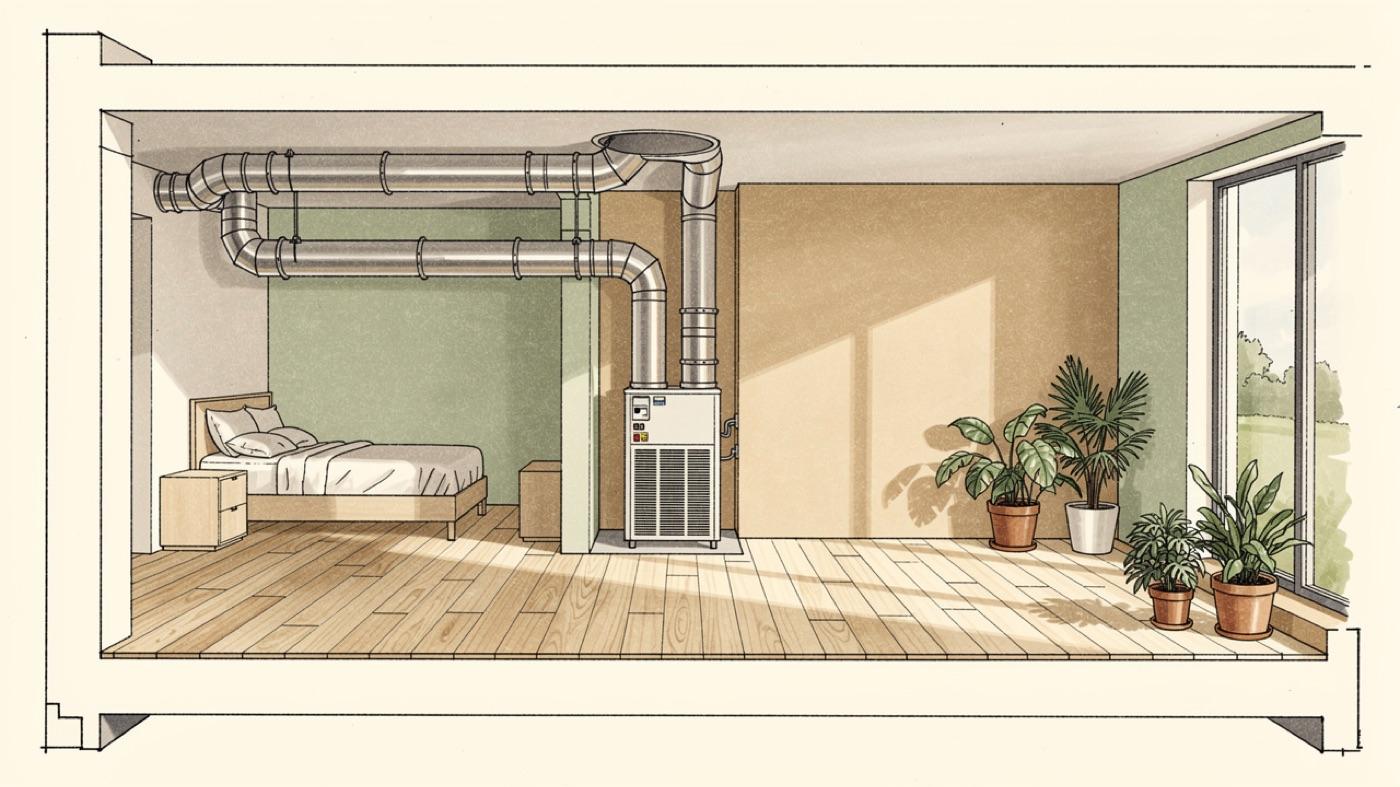
The comfort and safety of a home are closely tied to its HVAC system. Whether it’s heating, cooling, or air quality control, a malfunctioning system spells trouble. Inspections often reveal inefficient systems, outdated units, or poor ventilation that allows the buildup of harmful pollutants such as carbon monoxide.
Beyond functionality, these issues could significantly affect your monthly utility bills. Upgrading to a modern, energy-efficient system makes sense both for your health and your wallet.
7. Building Code Violations
Building code violations can be a serious issue because they can compromise the safety and integrity of a home. Home inspectors check for signs that the construction was done improperly, such as handrails that don’t turn and stop at a wall, bathroom exhaust fans that don’t vent outside, roof trusses that don’t sit flush to the roof ridge, and more. Local building codes vary, but home inspectors are trained to identify potential violations. If a building code violation is found, the buyer may request repairs or negotiate the purchase price.
8. Harmful Building Materials
Home inspectors check for harmful and outdated building materials, such as asbestos, lead-based paint, and carbon monoxide and radon.
Asbestos can be found in older homes' insulation, flooring, and other materials. Lead paint can be found in homes built before 1978.
Generally, you can't tell whether a material contains asbestos simply by looking at it, unless it is labeled.
That is why EPA recommends that a trained and accredited asbestos professional take any samples. Our asbestos testing and removal guide walks through that process.
Home inspectors look for signs of these materials, such as old insulation, chipping or peeling paint, and crumbling insulation.
Radon is different, because there is nothing to see. EPA's page on the health risk of radon states that radon is the number one cause of lung cancer among non-smokers, according to EPA estimates, and the second leading cause of lung cancer overall. A radon test is worth adding to any purchase, and our guide to radon testing and mitigation explains the options.
The buyer may request repairs or negotiate the purchase price if harmful building materials are found.
What Happens After a Failed Home Inspection?
When an inspection uncovers major issues, don’t give up hope; failed inspections don’t have to end negotiations. Here are your options:
- Request Repairs from the seller before closing the deal.
- Negotiate a Repair Credit to offset the costs associated with addressing the issues.
- Walk Away if the scope of the repairs outweighs the home’s potential. A home inspection contingency ensures you can back out while retaining your earnest money.
Investing in Your Home’s Health
Some inspection concerns go beyond what’s visible, impacting not just the structure but the well-being of those who live there.
For example:
- Pest infestations can compromise the health and safety of your family.
- Indoor air quality directly affects respiratory health.
- Framing problems or weakened floor joists undermine stability and longevity.
At Senergy360, we emphasize examining every element of a property to ensure it supports a healthy living environment. From safe structural designs to air quality improvements, we’ve made home wellness our mission. Our explainer on what a healthy home inspection includes shows how it differs from a standard inspection.
Make an informed decision
A thorough home inspection is as much about gaining insight as it is about avoiding surprises down the road.
A failed home inspection doesn't have to end negotiations when it uncovers major issues.
Some issues—like peeling paint or minor plumbing concerns—can be easily resolved.
Others, like severe foundation damage, gas leaks, or extensive termite infestations, may signal that it’s time to move on.
Your future home is more than just a building. It’s the place where your family will grow, rest, and thrive.
That’s why avoiding home inspection fails, and a quality home inspection is your best chance to ensure it’s a space that is as safe and healthy as it is beautiful.
Avoid Home Inspection Fails - Let us help you navigate the Inspection Process.
Avoid home inspection fails! Understanding inspection results can be daunting. At Senergy360, our experts go beyond the basics, thoroughly evaluating your property’s health and safety features.
Contact us today to schedule your Healthy Home Inspection from Building Biologist Brian Johnson and ensure your next home is a haven for you and your family.