September 14, 2026
By Brian Johnson, Building Biologist and Licensed General Contractor
Biophilic Design Products That Make a Home Healthier
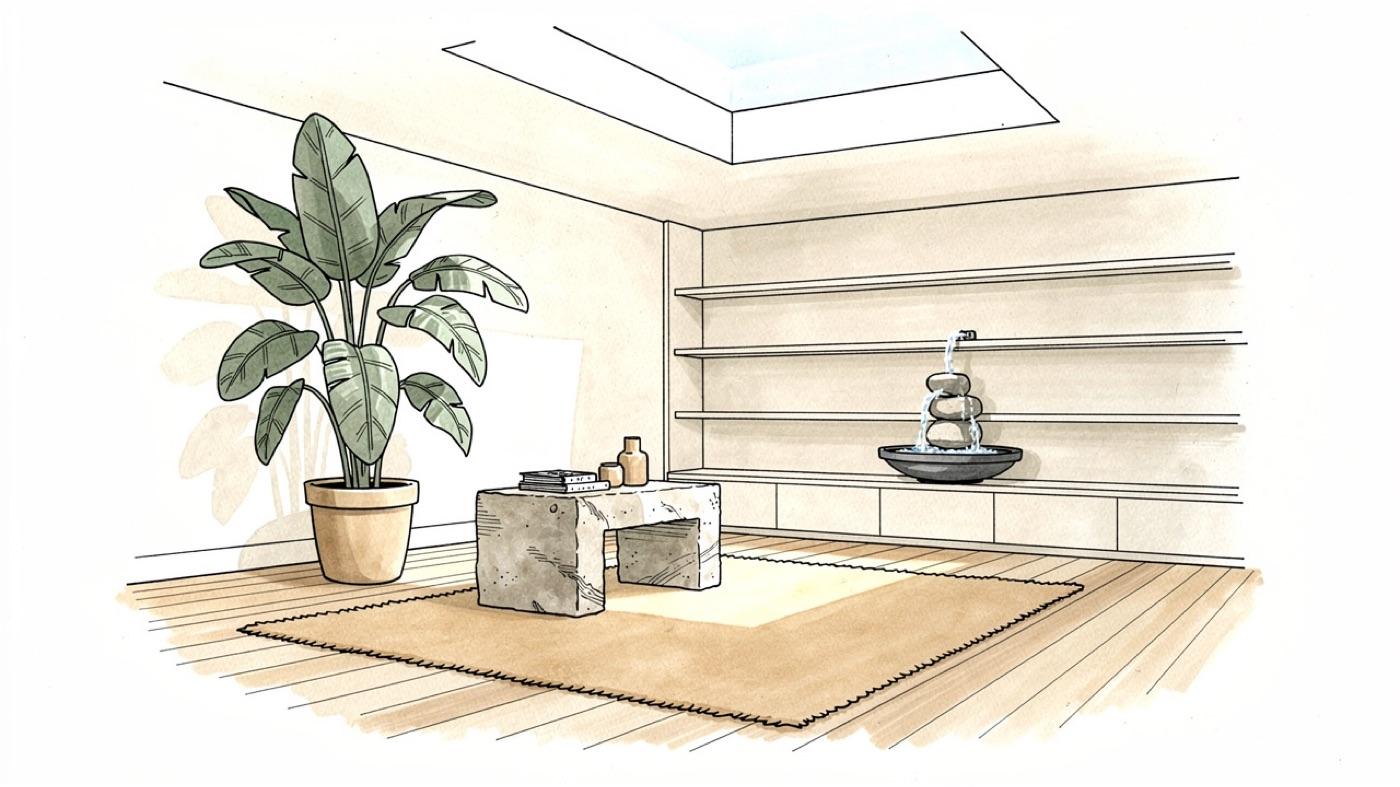
Biophilic design brings the natural world into the rooms where you live. It is not decoration for its own sake. Done well, it lowers stress, improves the air you breathe and makes a house feel like somewhere you want to be.
We covered the ideas behind it in our post on 15 biophilic design elements. This post is about the products themselves. These are the things you can buy today or specify on a set of plans.
Why biophilic design belongs in a healthy home
Research has linked time in natural settings with lower cortisol, the body's main stress hormone. Bringing natural elements indoors lets you draw on that effect every day. The result is better mood, better focus and a calmer household.
In that 2019 University of Michigan study, city residents who spent time outdoors in a place that felt like nature saw their salivary cortisol fall, and the drop per minute spent was greatest at 20 to 30 minutes. Indoor elements are not the same as a walk outside, but they keep that contact with nature in front of you every day.
At SENERGY360 we treat biophilic design as part of building for health, not a finishing touch. The same choices that make a room feel alive, such as wood, stone, daylight and clean air, also tend to be the choices that keep it non-toxic. Our healthy building materials principle starts from the same place.
Living products: plants and planters
Indoor plants are the cornerstone of biophilic design. They add color, movement and a sense of life that no synthetic finish can copy.
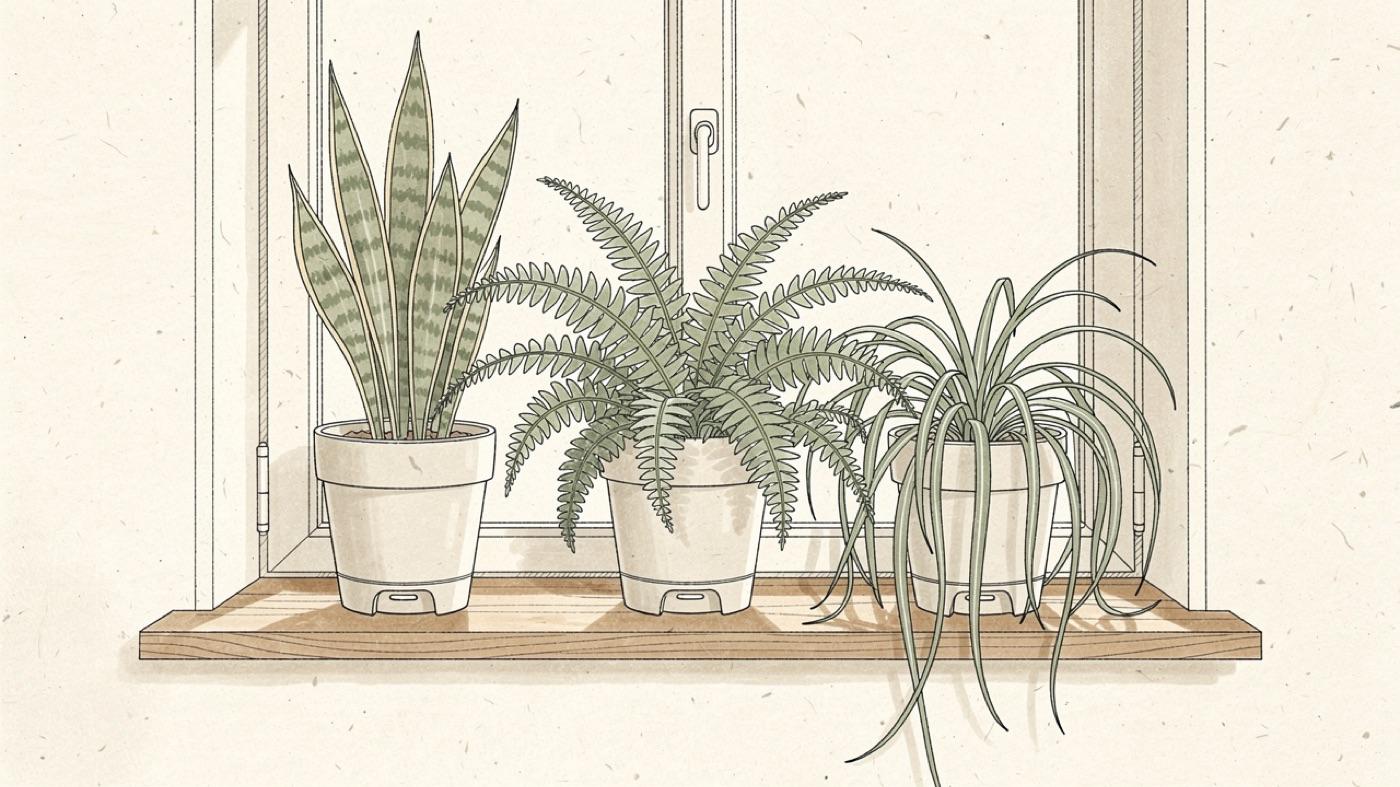
Easy plants that earn their space
- Snake plant, tolerant of low light and irregular watering
- Spider plant, fast growing and forgiving
- Boston fern, happiest in a bathroom or other humid room
- Peace lily, a good choice for shaded corners
- Pothos, a trailing vine for shelves and high spots
Give each plant the light it prefers and water on its schedule, not yours. Self-watering pots take the guesswork out of it. Skip decorative pots with no drainage, because standing water invites the mold we work so hard to keep out of a home.
Natural materials you can specify
Wood, stone and clay carry texture and warmth that people respond to on contact. They also age well and rarely off-gas the way plastics and pressed-wood products do.
Wood and stone
Choose solid wood furniture and trim over veneered particleboard. Look for stone or clay accents such as a hearth, a countertop or a plaster wall. Ask where the material came from and choose sustainably sourced options when you can.
Textiles
Fabric is the easiest place to add nature-inspired pattern. Look for wool rugs, organic cotton cushions and linen curtains in earthy greens, browns and blues. Our post on non-toxic furniture and furnishings covers what to avoid in fills and finishes.
Water and sound
An indoor fountain or a wall-mounted water feature adds the sound of moving water. That sound is one of the oldest calming signals we know. A small tabletop unit does the job in a bedroom or office, while a larger feature can anchor an entry.
Keep the water clean and the reservoir sealed. A neglected fountain becomes a humidifier for mold, so treat it like any other water source in the house.
Products that bring in daylight
Natural light is the one biophilic element you cannot buy in a pot. You can, however, buy the products that let more of it in.
- Sheer curtains that filter light without blocking it
- Mirrors placed to bounce daylight deeper into a room
- Solar tubes for hallways and interior bathrooms
- Skylights in rooms that face the wrong way
Every one of these also cuts the hours you run electric lights. Exposure to sunlight supports serotonin, which helps regulate mood, so this is health as much as it is aesthetics.
Building materials that carry the idea into the walls
The biggest biophilic decisions happen before anyone picks a plant. They happen in the material schedule.
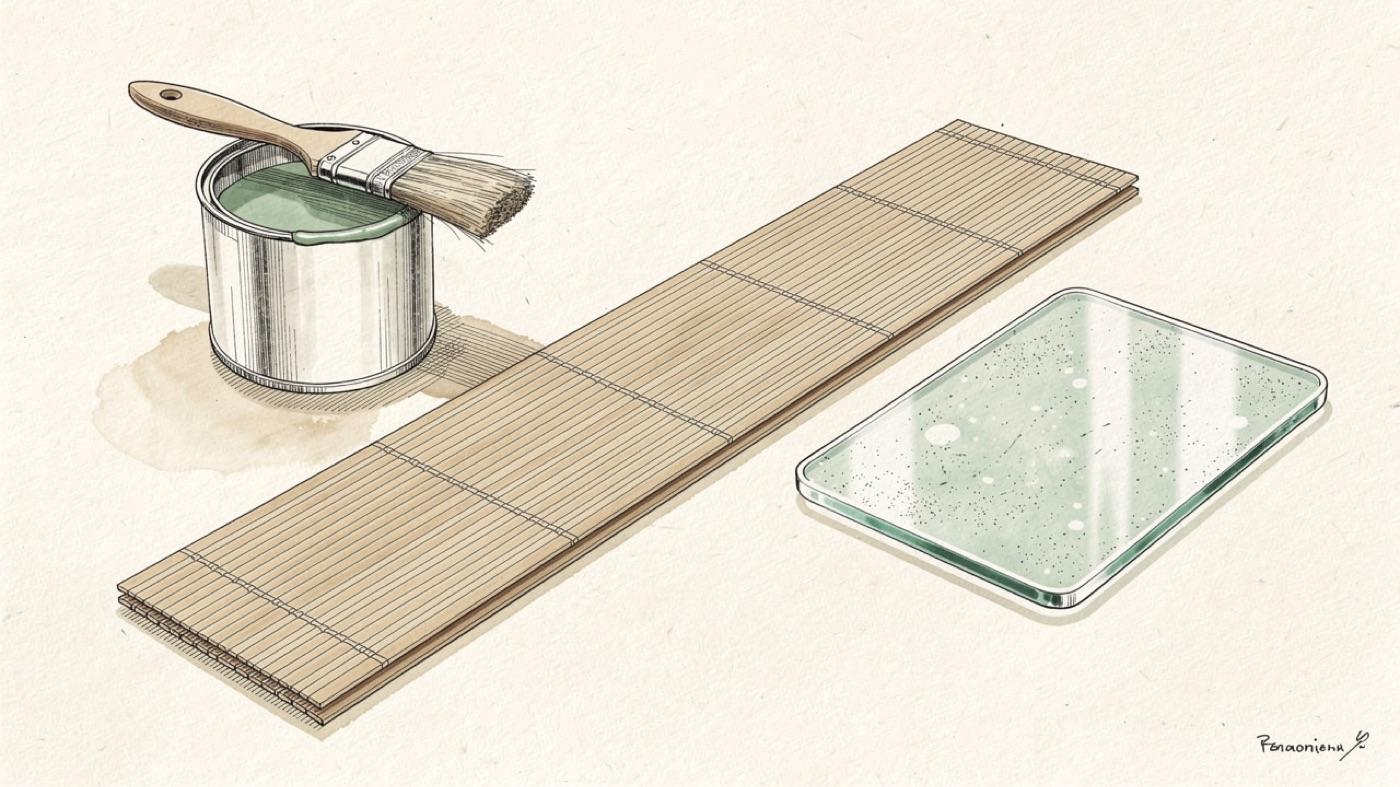
Materials worth specifying
- Bamboo or solid hardwood flooring instead of laminate
- Recycled glass or natural stone countertops
- Low-VOC or zero-VOC paints and finishes
- Lime or clay plaster in place of vinyl wallcovering
- Large glass doors that open the house to a garden or patio
These choices protect indoor air quality as well as the planet. When we design and build a home, this is the list we hand the client first.
The U.S. EPA notes that paints, varnishes and wax all contain organic solvents, and it lists building materials and furnishings among the everyday sources of VOCs.
Concentrations of many VOCs are consistently higher indoors (up to ten times higher) than outdoors.
Scent, color and quiet corners
A few smaller products round out the set. Pure essential oils such as lavender, chamomile and eucalyptus in a diffuser add a natural scent without synthetic fragrance. Paint palettes drawn from landscapes, soft greens with sand or the blues of water, keep the eye calm.
Nature-inspired art gives the mind a place to rest. A reading nook with a wool throw or a meditation corner with soft lighting turns a spare corner into a mindful space.
How to choose the right products for your space
Start with what you have. Note which rooms get real daylight and which sit in shadow, then match plants and finishes to those conditions.
Three questions before you buy
- Does it suit your routine, or will it become a chore you resent?
- Is it made from a material that will off-gas, shed fibers or grow mold?
- Was it sourced in a way you are comfortable with?
A product that fails any of those tests is not biophilic, no matter how green it looks on the shelf. Nature indoors should make the house healthier, not add another source to manage.