September 14, 2026
By Brian Johnson, Building Biologist and Licensed General Contractor
Home Salt Room and Salt Cave Construction: A Healthy Build Spec
Dry salt rooms have moved from spas into homes. Halotherapy is used for respiratory, skin and stress-related complaints, and a dedicated room lets a family use it daily. A home salt room only delivers that benefit if the room itself is non-toxic, well ventilated and built to stay dry.
At SENERGY360 we build salt rooms to the same healthy design specification as the rest of the house. What follows is that spec, from room size to maintenance.
The clinical research on halotherapy is still thin. A 2014 review of halotherapy for COPD in the International Journal of Chronic Obstructive Pulmonary Disease concluded that recommendations for halotherapy as a COPD therapy could not be made yet and called for high quality studies. That is one more reason the room itself has to be clean: the air must be safe to breathe whatever the therapy does for a given person.
Purpose and room requirements
A salt room is a place to rest, and it has to feel like one. Quiet, low light and steady air matter as much as the salt.
Size and location
- 100 to 300 square feet for individual or small group use
- Placed away from electrical panels, dirty electricity sources and other EMF hot spots
- A quiet part of the house with its own humidity control
- Darkened or softly lit for a calming effect
Our low-EMF electrical principle applies inside the room too. Shielded wiring and low-EMF equipment keep the space as electrically quiet as it is acoustically.
Construction materials
Every material in the room must meet the SENERGY360 healthy product and material requirements. Salt is corrosive and the room is used with slow, deep breathing, so nothing in it can off-gas or shed.
Walls and surfaces
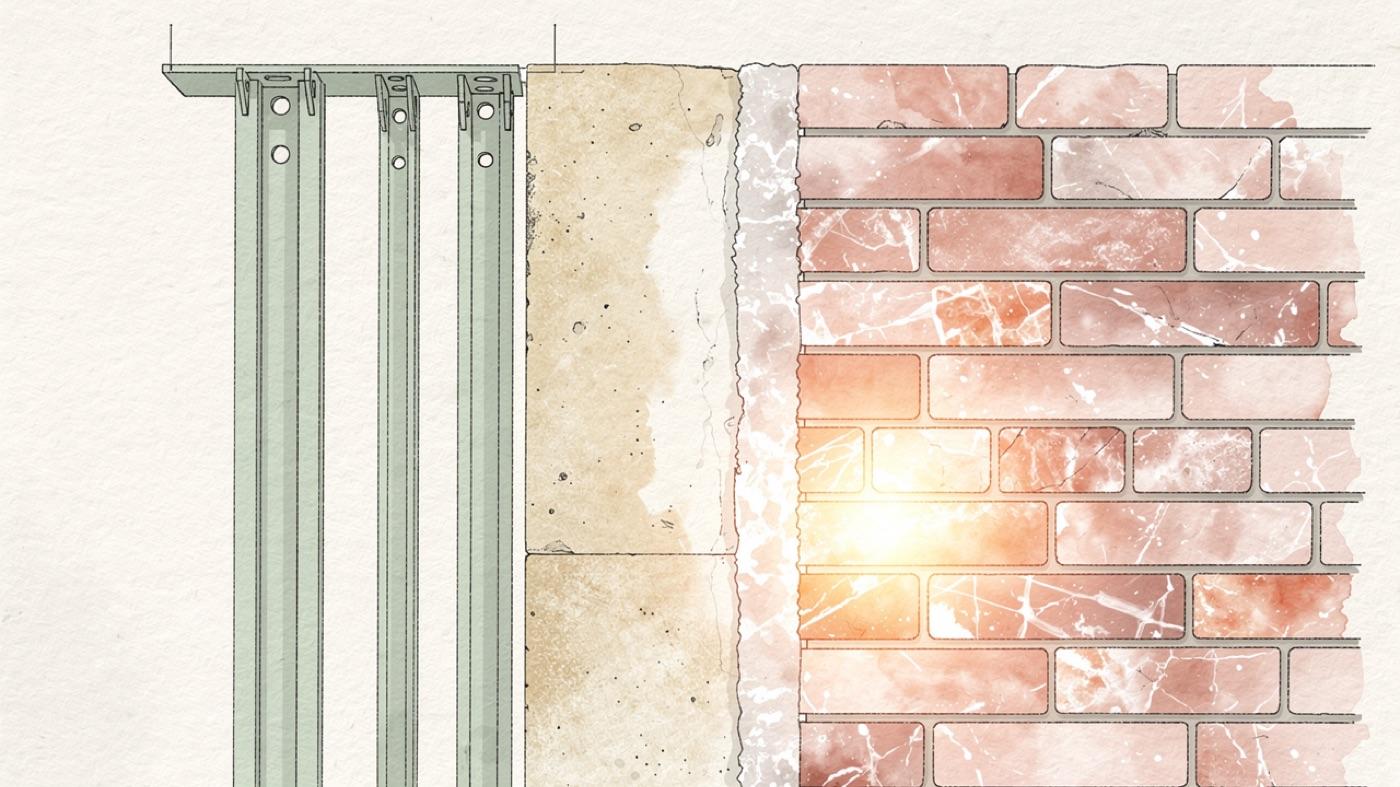
- Interior framing in FSC-certified wood or metal studs, non-galvanized and powder-coated where possible
- Wall coverings of natural lime plaster or American Clay, both non-toxic and breathable
- Magnesium oxide boards as a moisture, mold and fire resistant substrate
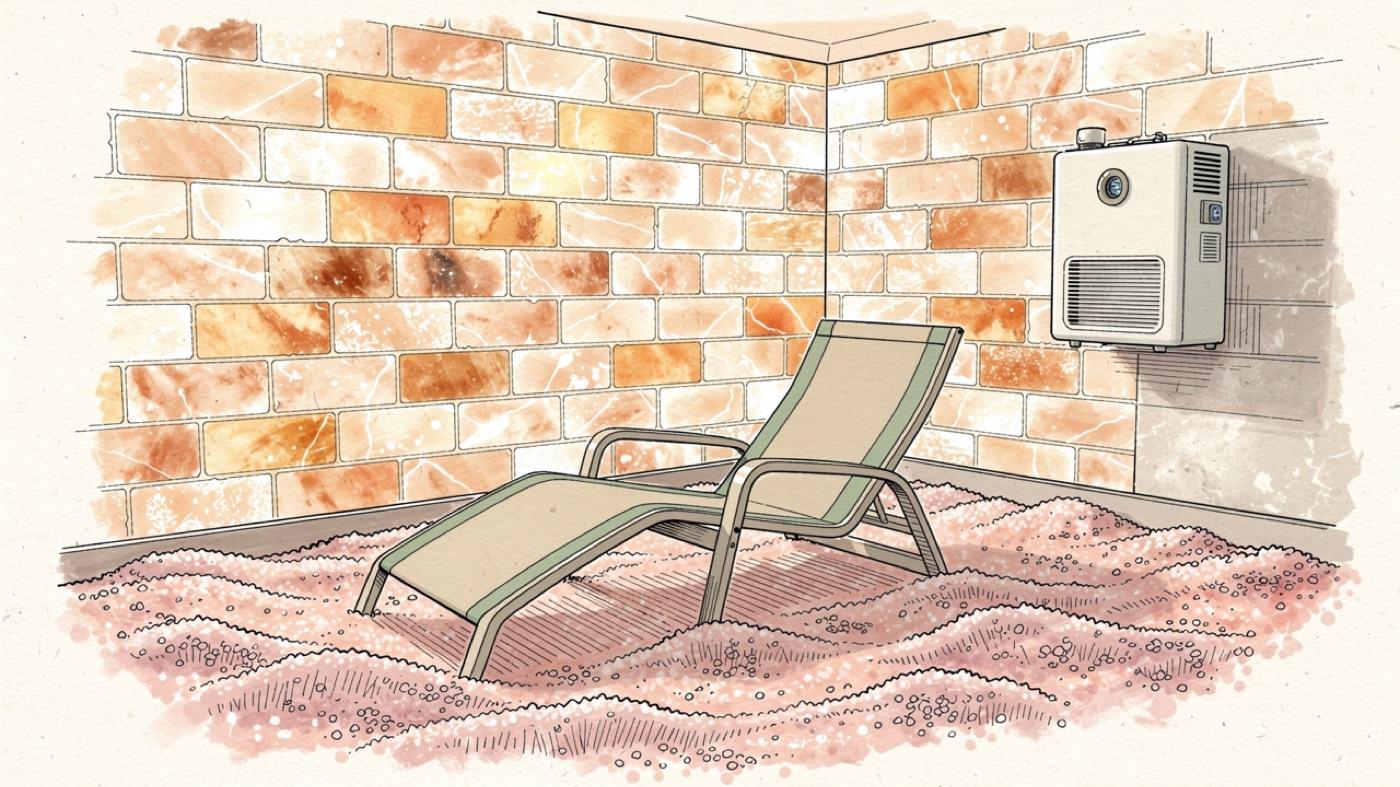
- Himalayan salt bricks or panels, UL-listed and kiln-dried, for the salt surfaces
- Loose crushed salt 3 to 5 inches deep on the floor
- Edges sealed with non-toxic epoxy or clay grout
Flooring
The substrate is sealed concrete or cork. The top layer is loose granulated pink Himalayan salt or sealed salt slabs. Radiant floor heat with EMF-shielded components is optional and pleasant under bare feet.
These choices follow the healthy building materials principle that runs through every SENERGY360 project.
Environmental control systems
Air is the therapy. The room needs clean, fresh, filtered air with a steady temperature and humidity, and a device that disperses dry salt aerosol at a controlled particle size.
Ventilation and air quality
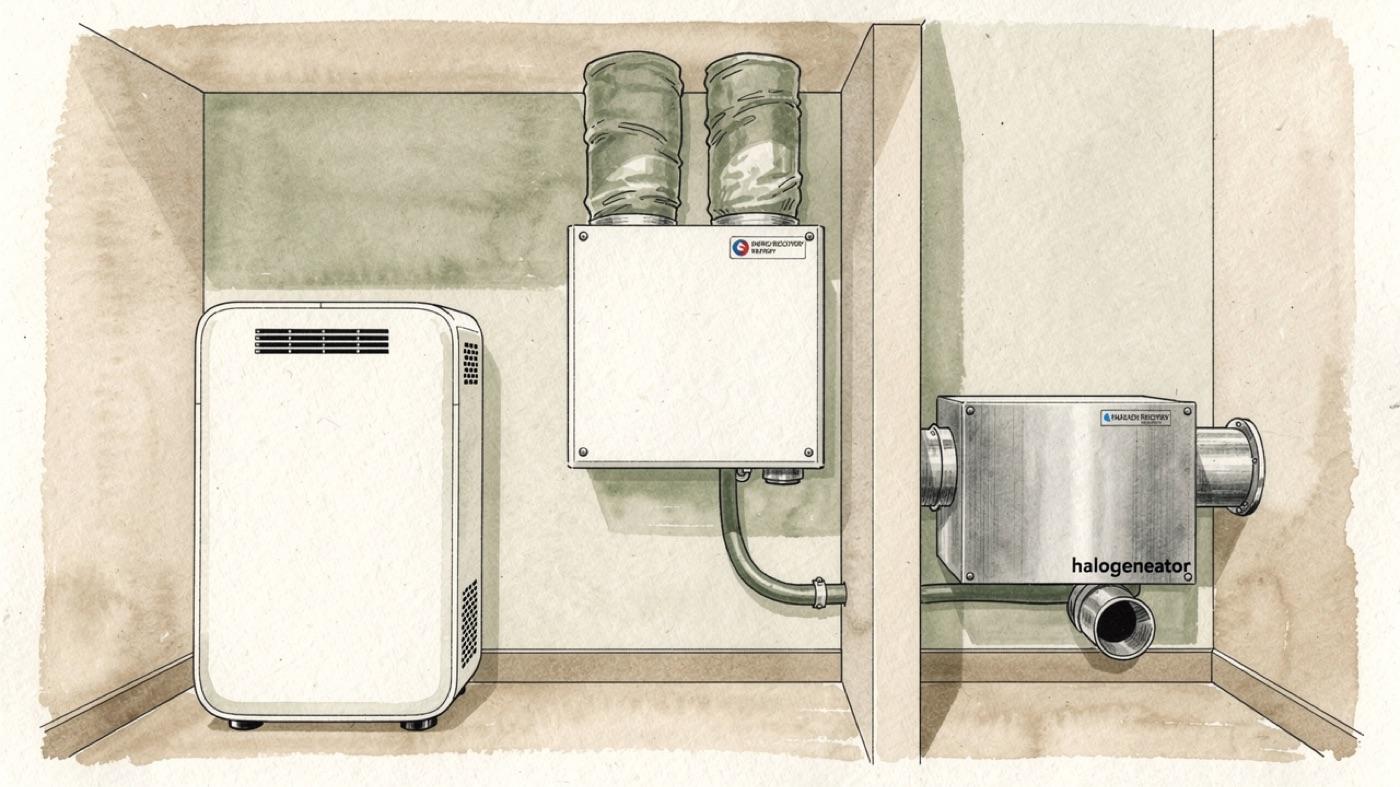
- Medical-grade HEPA filtration with low-EMF motors
- An optional ERV system for fresh air intake
- A dedicated halogenerator in medical-grade stainless steel
- Particle size adjustable between 1 and 5 microns
- Low-ozone, zero off-gassing design on every air device
When inhaled, ozone can damage the lungs. Relatively low amounts can cause chest pain, coughing, shortness of breath and throat irritation.
That is why every air device in the room is checked for ozone output. We explain the problem in more depth in why we keep ozone air purifiers out of a healthy home.
Temperature and humidity
The target range is 68 to 72 degrees Fahrenheit and 40 to 60 percent relative humidity. Salt pulls moisture from the air, so humidity control matters more here than in most rooms.
Humidifiers or dehumidifiers, depending on the region, must be free of plasticizers and ozone-generating parts.
Lighting
- Full-spectrum LED lighting, low flicker, no EMF pollution
- Chromotherapy in red, blue and green modes on a dimmer
- Salt wall backlighting in warm white, 2700K to 3000K
Technology integration
The equipment list is short, and every item is chosen for low emissions.
- Low-EMF halogenerator with a remote control system
- Structured water vapor where a wet cave environment is built
- Negative ion generators that produce no ozone, with bipolar air ionization models selected carefully
- Sound therapy and meditation audio on shielded wiring
- Optional Faraday cage shielding for electrical room components
Optional wellness add-ons
- Infrared sauna panels with ceramic emitters, placed outside the primary halotherapy zone
- Grounding mats integrated in the floor under the salt layer
- A breathable salt cave ceiling finish, either salt-studded plaster or driftwood with salt crystal infill
- Air purification infused with essential oils by dry diffusion, with no heat or atomization
Maintenance and operation
A salt room that is not maintained becomes a dust and humidity problem. The schedule is simple and non-negotiable.
- Weekly cleaning with HEPA vacuums
- Salt replacement every 12 to 18 months depending on use
- Annual servicing of the halogenerator and ventilation system
- Monthly air quality testing for particulate levels and relative humidity
Sources and partners for materials
- Himalayan salt panels and bricks from SALT Chamber, Select Salt or SALTability, confirmed kiln-dried with no synthetic sealants
- Non-toxic plasters from American Clay or EarthBorn Claypaint
- Air systems from IQAir, Air Oasis low-ozone models and Austin Air
- Halogenerators from PrizmaTech, Halomed or SALT Chamber
- Lighting from Lumiblade OLED biological lighting or Colorbeam low-EMF systems
Building it into the house
A salt room is easiest to get right when it is part of the original plan. Wall assemblies, dedicated ventilation and shielded wiring all cost less on the drawings than as a retrofit.
We design and build salt rooms as part of our design-build projects and advise on retrofits through consulting. Either way, the spec above is the standard we build to.