July 22, 2024
By Brian Johnson, Building Biologist and Licensed General Contractor
Top 5 Features of a Dream Home Built to Building Biology Standards for Optimal Health and Comfort
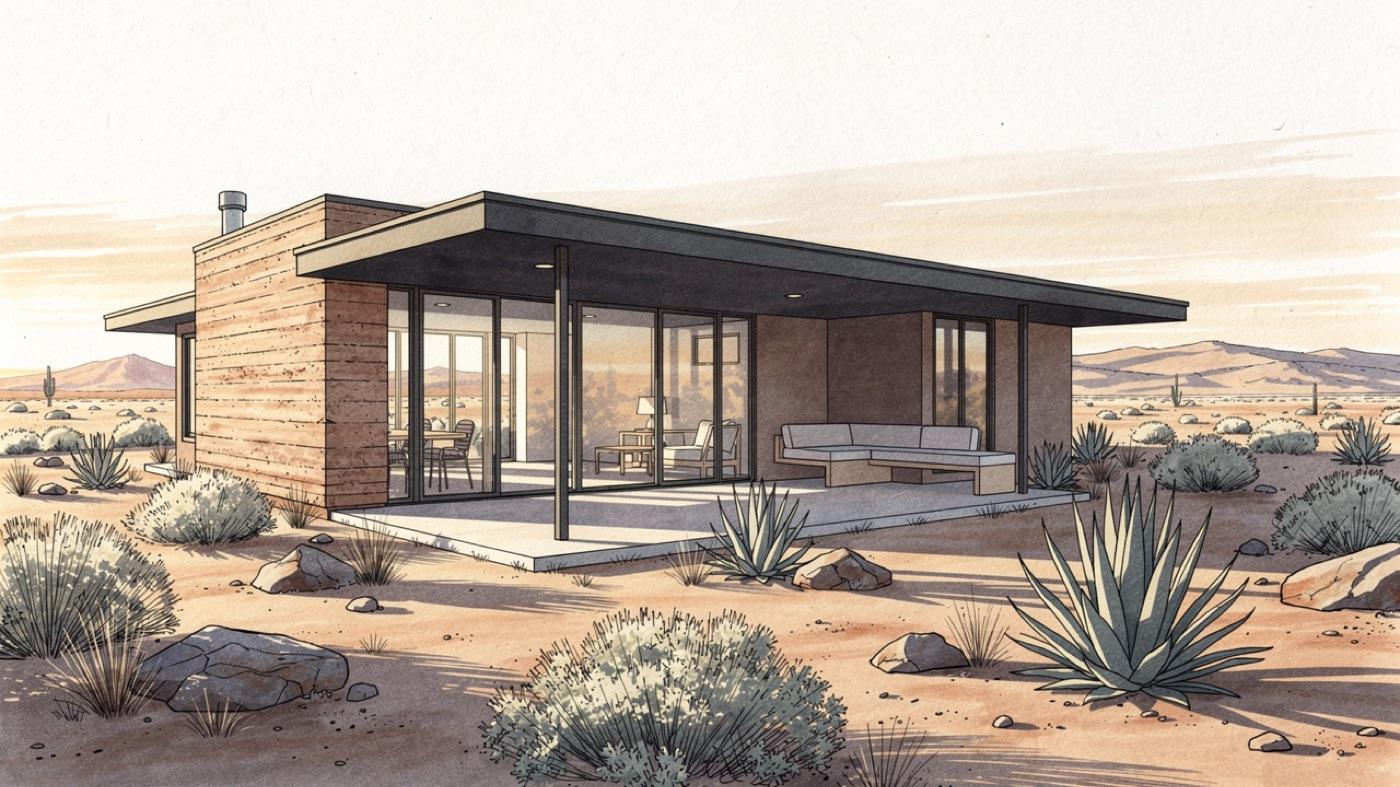
Building a dream home goes beyond aesthetics; it’s about creating a space that nurtures health and well-being. When constructed to Building Biology standards, a home prioritizes environmental harmony, human health, and sustainability. These principles ensure that every aspect of the living space contributes positively to its occupants.
I’ve discovered that a home designed with Building Biology in mind not only enhances my quality of life but also reduces harmful impacts on the environment. From materials used to the layout of spaces, each feature plays an important role in fostering a healthier lifestyle.
In this blog post, I will explore the top five features of a dream home built to these standards. These insights can help anyone looking to make informed choices when designing or renovating their living spaces.
Overall health Emphasis
A home built to Building Biology standards prioritizes overall health by focusing on the materials used, the climate control methods, and the reduction of electromagnetic radiation. These aspects contribute significantly to the well-being of its occupants.
Non-Toxic Building Materials
Using non-toxic building materials is important for minimizing exposure to harmful chemicals. I prioritize materials that are free from volatile organic compounds (VOCs) and other harmful substances.
Some suitable options include:
- Low-VOC Paints: These paints reduce off-gassing, improving indoor air quality.
- Natural Fiber Insulation: Materials like cotton, sheep's wool, or cellulose are excellent alternatives to conventional insulation.
- Sustainable Flooring: Options such as bamboo or cork are not only eco-friendly but also non-toxic.
By selecting these materials, I create a healthier indoor environment that promotes better physical health.
Concentrations of many VOCs are consistently higher indoors (up to ten times higher) than outdoors.
The EPA lists paints, varnishes and wax among the household products that contain organic solvents, which is why material choice is the first line of defense. For a room-by-room list, see 11 essential low-VOC building materials.
Natural Climate Control
Natural climate control methods enhance the comfort of my living space while minimizing dependence on mechanical systems. I employ passive solar design, which leverages sunlight for heating spaces.
Key elements to consider include:
- Strategic Window Placement: South-facing windows allow maximum sunlight in winter and minimize heat gain in summer.
- Ventilation: Proper cross-ventilation encourages fresh air circulation, reducing the need for air conditioning.
- Thermal Mass: Using materials like concrete or brick absorbs and gradually releases heat, stabilizing indoor temperatures.
These strategies lead to energy efficiency and a more pleasant indoor climate.
Electromagnetic Radiation Reduction
I prioritize reducing electromagnetic radiation (EMF) exposure in my home to promote better health. High levels of EMF can lead to various health concerns, so I take specific actions to mitigate this risk.
I focus on:
- Wired Connections: Using Ethernet instead of Wi-Fi can significantly lower radiation exposure.
- EMF Shielding: Materials like specialized paints and fabrics can block EMF.
- Smart Meter Shields: Installing shielding covers on smart meters can reduce exposure levels.
These precautions help create a safer, healthier living environment that supports my overall health goals.
Energy Efficiency and Sustainability
Creating a home that prioritizes energy efficiency and sustainability involves integrating renewable energy sources, optimizing insulation and ventilation, and employing resource-saving technologies. Each of these elements plays an important role in reducing the home’s environmental impact while enhancing living quality.
Renewable Energy Integration
Incorporating renewable energy sources, such as solar panels or wind turbines, is vital for achieving energy efficiency. Solar energy systems can significantly decrease reliance on traditional energy sources.
I recommend evaluating the home's location to determine the best renewable options. For instance, homes in sunny areas benefit greatly from solar panels, while those in windy regions may find wind turbines more effective.
Additionally, installing energy storage solutions, such as battery systems, allows for the excess energy generated to be stored for later use. This integration supports a sustainable lifestyle and reduces utility costs.
Insulation and Ventilation
Proper insulation and ventilation are important for maintaining a comfortable indoor environment while minimizing energy consumption. I prioritize materials such as spray foam or cellulose, which offer high R-values and reduce heat loss.
Effective insulation helps keep the home warm in winter and cool in summer, leading to lower heating and cooling costs. It’s important to focus on areas like attics, walls, and basements, as these are often sources of energy loss.
Additionally, a well-designed ventilation system ensures fresh air circulation. Heat recovery ventilators (HRVs) or energy recovery ventilators (ERVs) exchange stale indoor air for fresh outdoor air without wasting energy, improving indoor air quality.
Resource-Saving Technologies
Implementing resource-saving technologies in my home can lead to significant savings in energy and water usage. Energy-efficient appliances, marked with the Energy Star label, use less energy than standard models and can dramatically reduce my utility bills. Products that earn the label meet energy-efficiency specifications set by the U.S. EPA.
Smart home technology, such as programmable thermostats or energy monitors, enhances my ability to manage energy consumption. These devices allow for automation and remote control, optimizing usage patterns based on my lifestyle.
Water-saving fixtures, like low-flow faucets and dual-flush toilets, reduce water usage without sacrificing performance. By consciously selecting these technologies, I contribute to sustainability while enhancing my home’s efficiency.
Biophilic Design Elements
Incorporating biophilic design elements enhances a dream home's connection to nature. I focus on aspects like natural light, indoor plants, and outdoor spaces to create a more inviting and healthy living environment.
Natural Light Maximization
Maximizing natural light is essential for well-being. I prioritize large windows, skylights, and open floor plans that allow sunlight to flood living spaces.
Key benefits:
- Health Improvement: Natural light boosts mood and increases Vitamin D levels.
- Energy Efficiency: Utilizing daylight reduces reliance on artificial lighting, lowering energy costs.
I also consider light reflection through mirrors and light-colored paints, which help distribute sunlight more effectively throughout each room.
Indoor Plant Integration
Integrating indoor plants into my design adds to the look and improves indoor air quality. I choose a variety of plants to cater to different light conditions in each room.
Benefits of indoor plants include:
- Air Purification: Plants like snake plants and pothos effectively filter airborne toxins.
- Aesthetic Value: Greenery adds color and vibrancy, making spaces feel more alive.
I also explore vertical gardens or living walls where space permits, providing a unique design element while fostering a connection to nature.
Outdoor Living Connection
Creating a smooth connection between indoor and outdoor living spaces is vital. I incorporate large sliding doors or bi-fold doors that open directly to outdoor patios.
Important considerations:
- Functional Outdoor Areas: Decks or terraces for dining and relaxation promote outdoor living.
- Nature Accessibility: Landscaping with native plants fosters local wildlife and enhances the ecosystem.
I focus on ensuring that outdoor spaces are inviting and comfortable, allowing for year-round enjoyment and closer ties to nature.
Functional Spatial Layout
A well-organized spatial layout is important in a dream home built to building biology standards. It enhances not only the aesthetic appeal but also the functionality and comfort of living spaces. Two critical aspects of this layout are ergonomic design and adaptable living spaces.
Ergonomic Design
Ergonomic design focuses on optimizing the relationship between occupants and their environment. I prioritize adjustable furniture that promotes comfort and reduces strain. For instance, using a kitchen island at the correct height can ease food preparation and cooking tasks.
Key features include:
- Height-adjustable desks and tables: Allowing users to switch between sitting and standing.
- Optimal reach: Layouts should ensure frequently used items are easily accessible.
- Natural light: Positioning windows to maximize daylight enhances mood and productivity.
Incorporating these elements creates a smooth flow throughout the home, improving daily routines.
Adaptable Living Spaces
Adaptable living spaces are essential in a versatile home design. I find that rooms can serve multiple purposes, catering to family needs such as work, play, or relaxation.
Key characteristics of adaptable spaces include:
- Movable partitions: These allow me to alter room sizes based on activities.
- Multi-functional furniture: Items such as sofa beds or foldable tables transform spaces easily.
- Flexible layouts: Open floor plans can be reconfigured for gatherings or quiet time.
Designing with adaptability in mind ensures my living environment can evolve with changing lifestyle demands.
Advanced Building Technologies
Incorporating advanced building technologies into your dream home enhances both functionality and comfort. These innovations improve energy efficiency, air quality, and overall livability.
Smart Home Systems
Smart home systems integrate various devices easily, allowing me to control lighting, heating, and security from a single platform. These systems often use sensors and automation to enhance daily living.
For instance, smart thermostats adjust temperature settings based on my preferences, leading to energy savings. Security cameras and smart locks can be monitored remotely, providing peace of mind when I'm away.
Additionally, voice-activated assistants enable me to manage home functions hands-free, making life more convenient. This interconnectedness not only improves efficiency but also contributes to a safer and more enjoyable living environment.
Cutting-Edge Insulation Techniques
Effective insulation is important for maintaining a comfortable indoor climate. I prioritize cutting-edge insulation techniques to minimize energy loss and enhance thermal performance.
Materials like spray foam and rigid foam boards provide excellent R-values, ensuring reduced heat transfer in winter and summer. Additionally, these modern options often resist moisture and prevent mold growth, which is vital for my home's longevity.
New techniques such as insulated concrete forms (ICFs) further enhance energy efficiency. This method creates a solid barrier against outdoor temperatures while being resilient against weather extremes.
High-Efficiency Filtration
Air quality is essential for a healthy living environment. I invest in high-efficiency filtration systems that capture allergens, pollutants, and particulates effectively.
HEPA filters, for instance, remove at least 99.97% of airborne particles, significantly improving indoor air quality. I can also choose systems equipped with UV lights that kill bacteria and viruses, contributing to a healthier atmosphere. The U.S. EPA explains that the 99.97% figure is measured at 0.3 microns, the most penetrating particle size, and that particles larger or smaller are trapped with even higher efficiency.
Moreover, integrating these systems with my HVAC setup ensures that every room benefits from cleaner air. By prioritizing high-efficiency filtration, I create a retreat that supports my family's well-being.
A healthy home is holistic
IF WE WERE ALL YOUR FAMILY MEMBERS, WHAT PRODUCTS WOULD YOU WANT US TO HAVE IN OUR HOMES (BESIDE ANY THAT YOU’VE ALREADY MENTIONED)?
Wouldn’t that be fun, if we were all family! I’d build each one of you a Healthy Home. It takes years to understand how to design and use building materials that are safe and non-toxic.
Remember, a healthy home to me is holistic; it’s not ONE thing or ONE product, it’s EVERYTHING and every product.
The home would consider whole house water filtration, climate control, ventilation, lighting systems, non-toxic building materials, good design, mold prevention, and so much more. Remember that nature serves as the gold standard, and our goal is to replicate and embody its principles in our work.