September 14, 2026
By Brian Johnson, Building Biologist and Licensed General Contractor
Carbon Monoxide Sources in Modern Homes and How to Find Them
Carbon monoxide sources are easier to find than most homeowners expect. Almost every one traces back to something that burns fuel. The problem is that CO is odorless, colorless and non-irritating, so nothing warns you until you are already breathing it.
It is a byproduct of incomplete burning of coal, wood, charcoal, natural gas, fuel oil, kerosene, gasoline, fabrics and plastics. It is the leading cause of poisoning deaths in the United States. In a healthy home, the target level is zero.
Because it is impossible to see, taste or smell the toxic fumes, CO can kill you before you are aware it is in your home.
Where carbon monoxide sources hide in a home
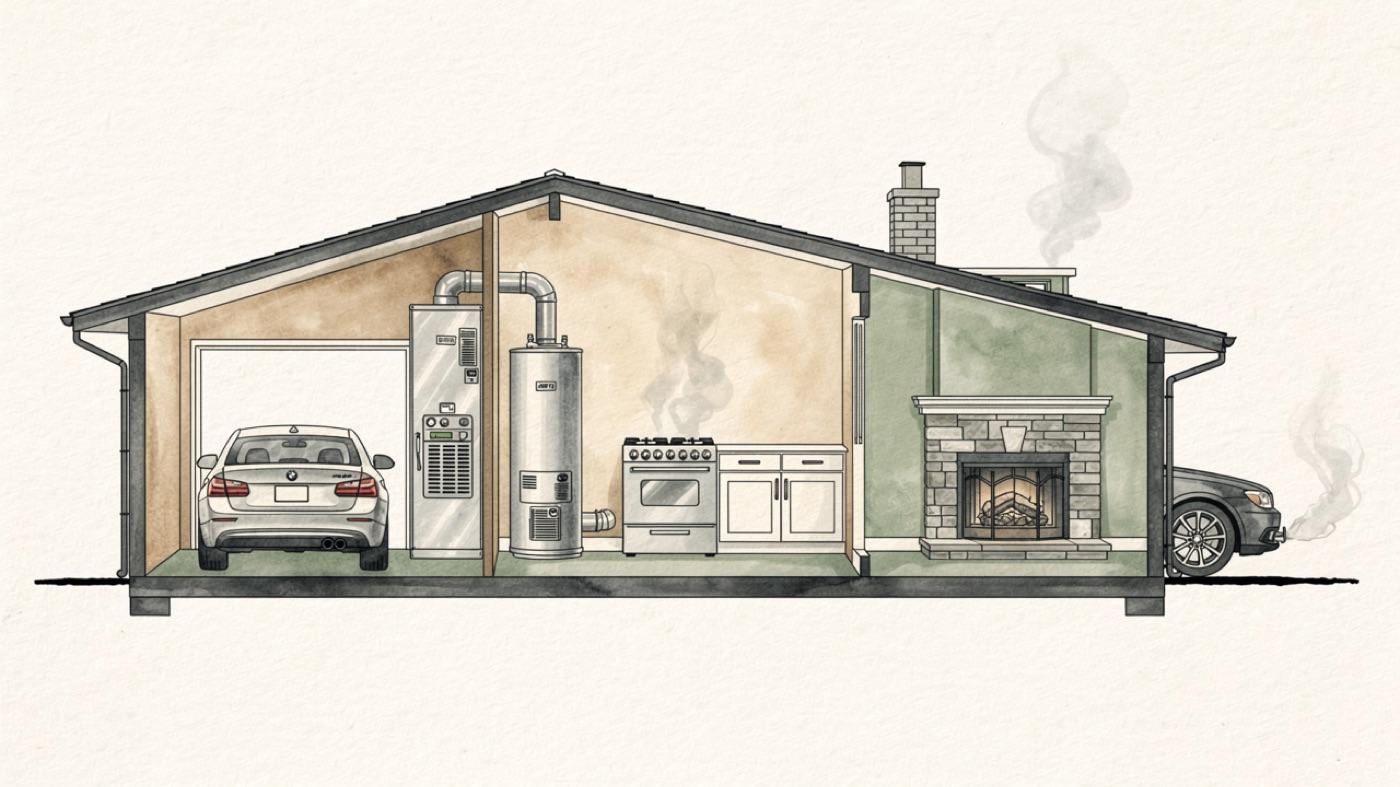
Indoors, the most common carbon monoxide sources are backdrafting furnaces and water heaters, gas stoves and gas fireplaces. Outdoors, the sources are vehicle engines and industrial plants. Ambient outdoor levels run 3 to 5 parts per million near traffic.
The dangerous cases are usually low and steady. The CO alarm never triggers, so the occupants assume the house is fine. Meanwhile the level sits high enough to cause symptoms nobody connects to the house.
Backdrafting appliances
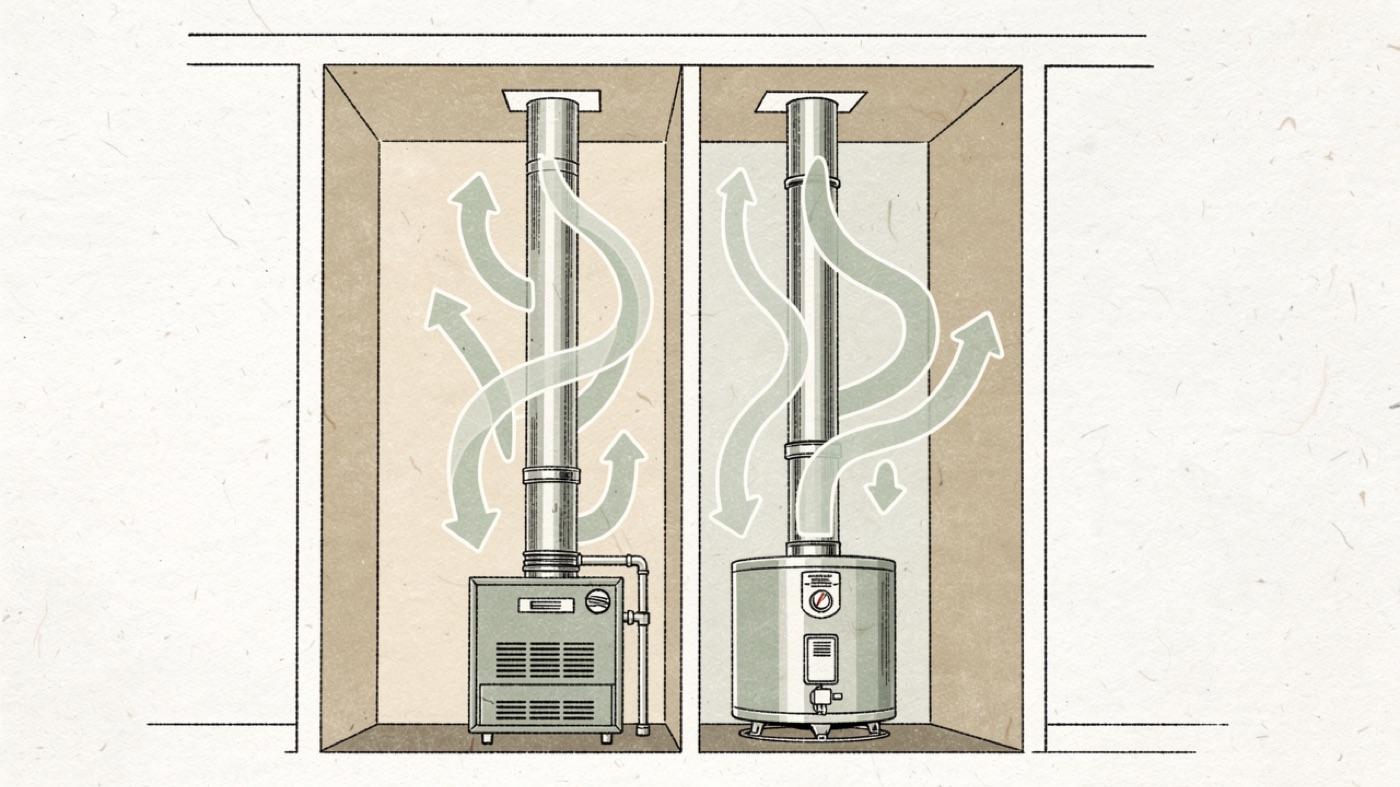
Every combustion appliance needs supply air. When a furnace or water heater cannot get enough, it pulls air from the easiest available source. Often that is the chimney or exhaust of another combustion appliance.
That reversal is called backdrafting. Exhaust flows backward into the house instead of up and out. A tight house with strong exhaust fans and no makeup air is the classic setup for it.
Gas stoves and fireplaces
Homes without gas stoves average 0.5 to 5 ppm of CO. Near a properly adjusted gas stove, levels often run 5 to 15 ppm while it is in use. Near a poorly adjusted stove they can reach 30 ppm or higher.
Gas fireplaces and wood fireplaces both add CO while they operate. Any fireplace that is not vented to the outside should not be used at all.
The attached garage
Automobile exhaust combined with poor ventilation causes two-thirds of all accidental CO deaths. Lethal levels can build in a closed garage in as little as 10 minutes. Never run a car or truck inside an attached garage, even with the door open.
The garage is a source even when no engine is running. A Minnesota study found that 5 to 85 percent of the air leaking into a house came from the garage, carrying CO and other contaminants with it. That is why we air-seal the shared wall and ceiling on every build, as part of our building science and enclosure work.
Portable and unvented equipment
Faulty heating equipment causes nearly one-third of accidental CO deaths. The list includes improperly vented or unvented gas appliances, kerosene or propane space heaters, charcoal grills and Sterno-type fuels. Unvented gas or kerosene heaters should never be used inside a building.
The risk is worst while people sleep. Nobody can notice symptoms and get out if they are unconscious. The CDC makes the same point in its carbon monoxide poisoning basics: people who are sleeping can die from CO poisoning before they have symptoms. The CDC also reports that each year more than 400 Americans die from unintentional CO poisoning not linked to fires, and more than 14,000 are hospitalized.
What CO does to the body
Carbon monoxide binds to hemoglobin and blocks the blood from carrying oxygen. The organs with the highest oxygen demand suffer first: the brain and the heart. At high altitude the effects are worse.
Infants are more vulnerable than adults because their hemoglobin binds CO more readily. A UCLA study found that CO above 5 ppm was associated with pregnant women having underweight babies with smaller heads. People with heart disease are at extra risk because the heart has to work harder to move oxygen. The EPA describes the same pattern: at low concentrations, fatigue in healthy people and chest pain in people with heart disease, with impaired vision, headaches, dizziness and confusion at higher concentrations.
Symptoms by exposure level
At low levels there may be no obvious symptoms. The signs that do appear are easy to blame on something else:
- Decreased exercise tolerance and shortness of breath during exertion
- Tightness across the forehead, flushed skin, slightly impaired motor skills
- A headache with throbbing temples, usually the first clear sign
- Nausea, lethargy and malaise that look like winter flu, especially in children
As the level or exposure time rises, symptoms get worse. Irritability, chest pain, fatigue, poor judgment, dizziness and dim vision come next.
Higher levels cause fainting on exertion, confusion and collapse. Continued exposure leads to coma, convulsions and death from respiratory arrest.
When unexplained symptoms persist in more than one person in a home with a combustion source, CO poisoning should be considered. This is especially true during heating season.
Long-term effects
Survivors of serious CO poisoning can carry lasting damage. Up to 40 percent develop symptoms such as apathy, memory loss, personality changes, confusion, motor impairment and vision changes. These usually appear two to four weeks after the exposure, even after an apparent recovery.
Up to 75 percent of those with delayed effects recover within a year. Some do not recover fully. Memory loss and motor impairment can be permanent.
How we test for carbon monoxide
CO is measured with a carbon monoxide meter during a healthy home inspection. We take readings at the places where it is generated:
- Water heater exhaust
- Furnace heat exchanger
- Near the gas stove while it is running
- Fireplace while it is operating
- The wall and door between the garage and the house
A single reading is a snapshot. Low-level exposure is a pattern, which is why we also recommend continuous monitoring.
Two detectors, not one
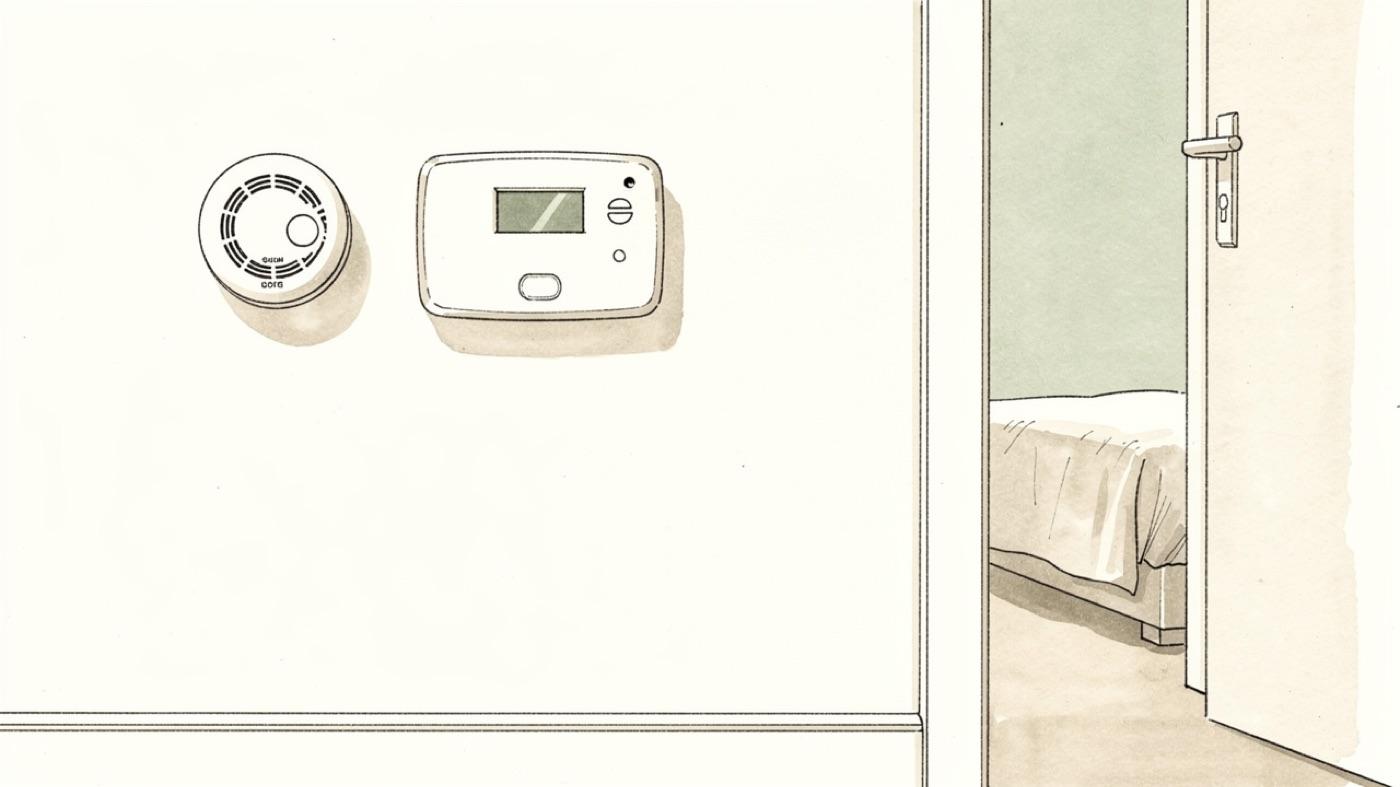
A standard over-the-counter CO alarm satisfies building code. It is designed to sound at levels that are already dangerous, so it will not catch a chronic 10 ppm leak.
Low-level carbon monoxide monitors continuously display readings of 5 ppm and up. We recommend every home run both: the code alarm for emergencies and the low-level monitor for protection. An indoor air quality monitor with a CO sensor can serve as the second unit.
Preventing CO in the first place
Carbon monoxide poisoning is entirely preventable. The steps are simple:
- Have gas appliances checked annually for proper operation and venting
- Keep flues, chimneys and vents clear of debris and in good repair
- Install a battery-backed CO detector and replace the battery when the clocks change
- If a detector sounds, leave the house immediately and call 911
- Never use unvented space heaters, gas stoves, charcoal grills or Sterno fuels for heat
- Never run a vehicle, generator or camp stove inside a garage or enclosed space
- Do not burn anything in a stove or fireplace that is not vented outside
- Do not heat the house with a gas oven
- Choose paint strippers without methylene chloride, and ventilate if you must use one
The methylene chloride warning comes from the EPA's guidance on volatile organic compounds, which notes that the body converts methylene chloride to carbon monoxide. For more on solvent and VOC sources, see our guide to VOC testing at home.
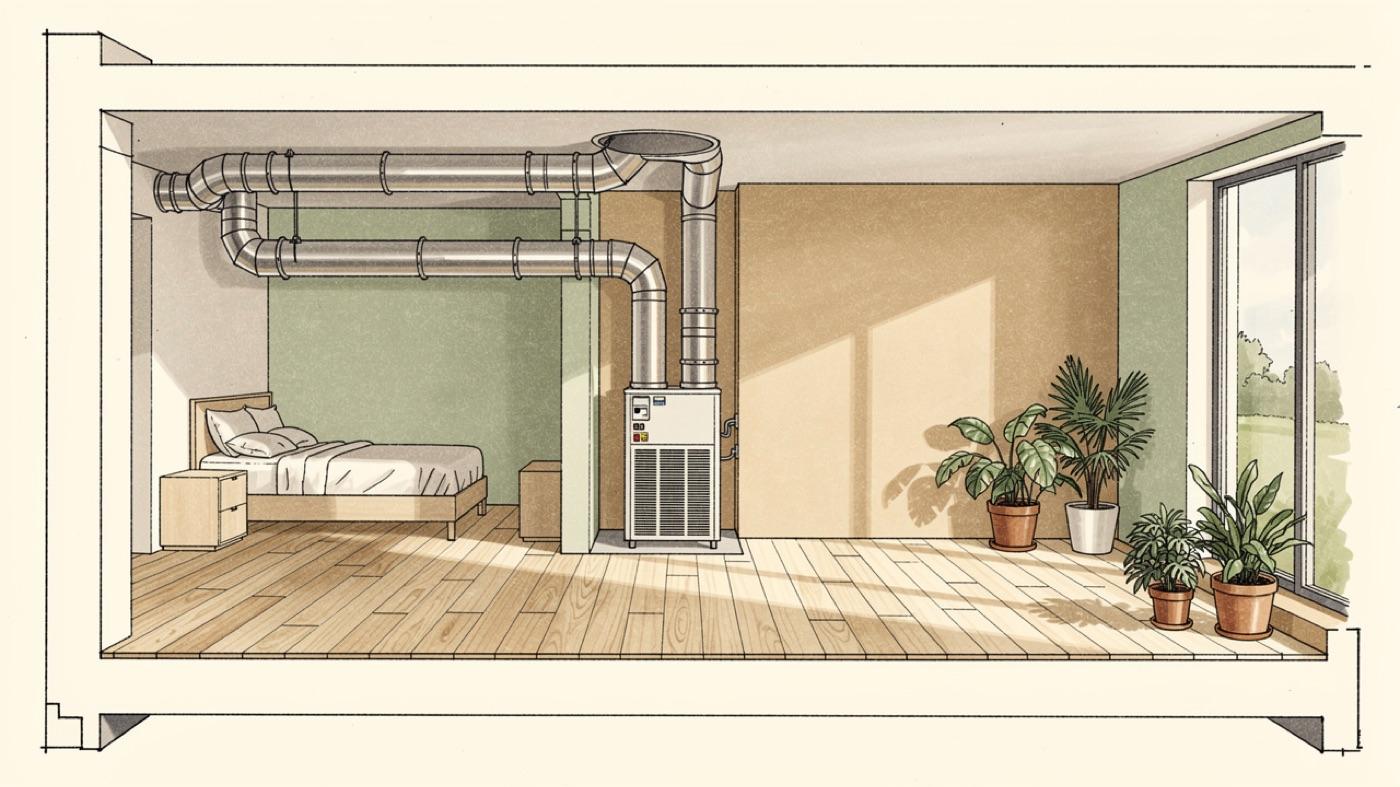
On a new build, the cleanest answer is to design the sources out. All-electric cooking and heating, sealed-combustion equipment where gas is unavoidable, a sealed garage wall and a dedicated fresh air intake remove most of the risk before anyone moves in.