September 14, 2026
By Brian Johnson, Building Biologist and Licensed General Contractor
Fireplaces and Indoor Air Quality: What Every Homeowner Should Know
Fireplace indoor air quality is a real concern, even in a well-built home. Every fire, wood or gas, produces combustion byproducts. Correct flue sizing and good draft reduce what gets into the room, but they do not bring it to zero.
SENERGY360 does not prohibit fireplaces. We do ask clients to choose the type with open eyes and build in safeguards. This post lays out what a fire puts into the air, how the options compare and what we specify.
Why fireplace indoor air quality matters
Combustion produces four things you do not want to breathe.
- Fine and ultrafine particles, including PM2.5
- Carbon monoxide
- Nitrogen dioxide
- Volatile organic compounds
In a perfect draft they all go up the chimney. In a real house, some come back. Three things cause it.
Pressure imbalances
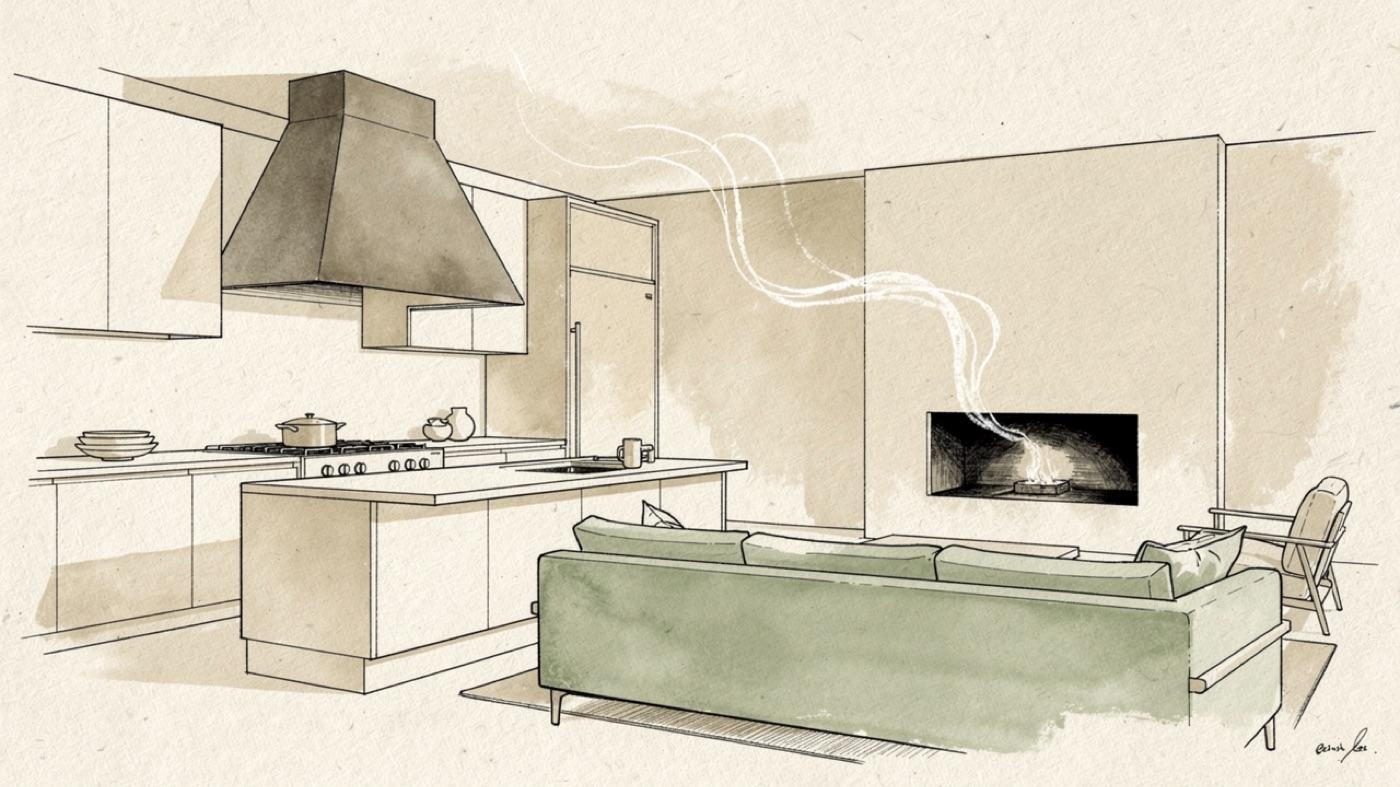
Kitchen hoods, bath fans and the HVAC system all move air out of the house. When they pull harder than the chimney pushes, air flows backward down the flue. A tight, modern home makes this more likely, not less.
The U.S. EPA's page on carbon monoxide and indoor air quality lists leaking chimneys and back-drafting from furnaces, gas water heaters, wood stoves and fireplaces among the common sources of carbon monoxide in homes.
Leaking seals and dampers
Dampers and gaskets allow trace leakage even when the fire is out. Over time the seals wear and the leakage grows.
Missed maintenance
Soot buildup and worn components reduce how well the flue works. A fireplace that drafted well when new may not draft well five years later.
How the fireplace types compare
The research is consistent. Open fires leak the most, sealed units leak the least, and electric units do not burn anything.
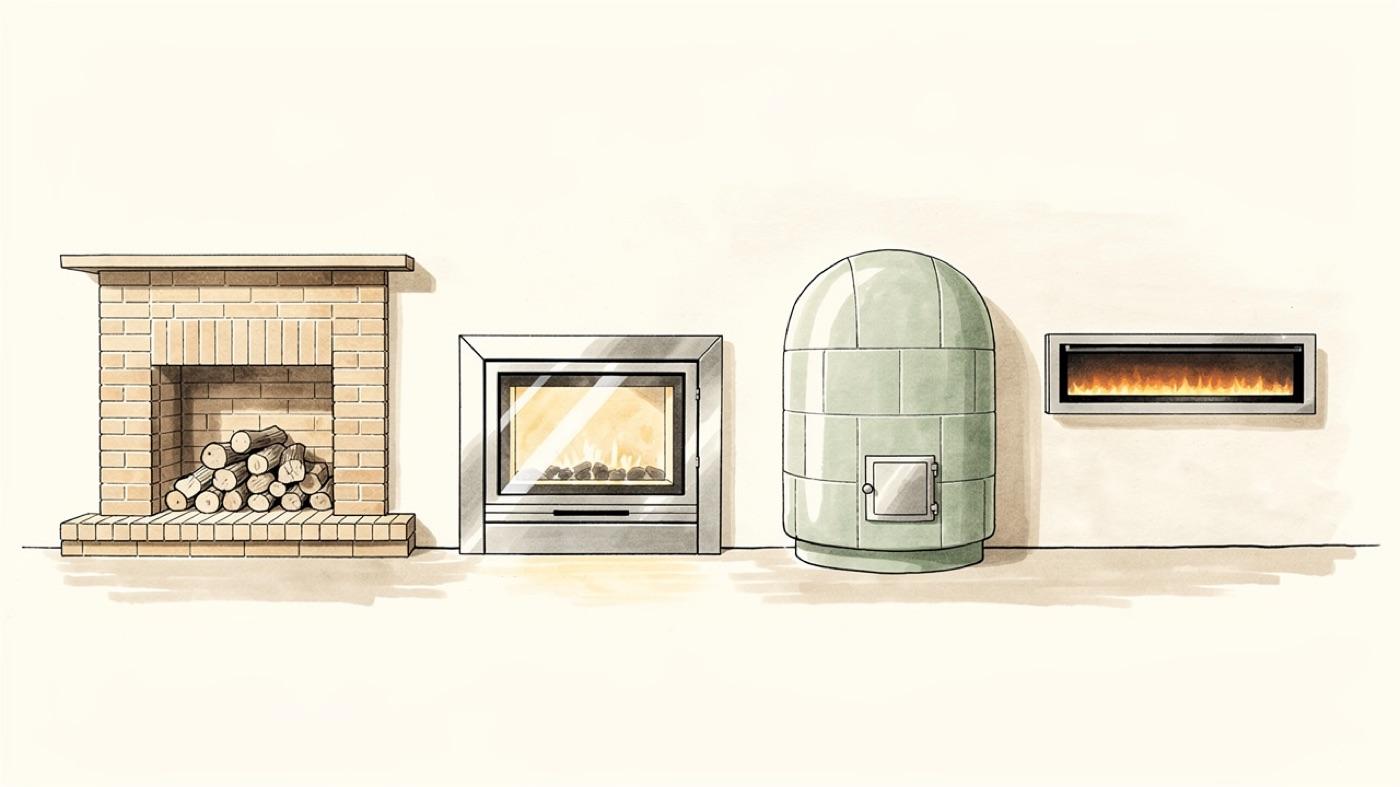
Open wood-burning fireplaces
Studies confirm that even with good draft, trace smoke and particulates enter the home from an open hearth. Chronic exposure is associated with respiratory irritation.
The EPA's Burn Wise program notes that wood smoke is a complex mixture of gases and fine particles, and that it also contains toxic air pollutants including benzene, formaldehyde, acrolein and polycyclic aromatic hydrocarbons.
The biggest health threat from smoke is from fine particles, also called fine particulate matter or PM2.5.
The classic look is real, but so is the trade-off. We suggest open fires for outdoor living areas or occasional indoor use.
Gas fireplaces
Vent-free gas units have been documented to raise carbon monoxide and nitrogen dioxide indoors. The WHO and EPA both identify these gases as respiratory hazards.
Direct-vent sealed combustion models are different. They pull combustion air from outside and exhaust straight outdoors, so the indoor impact is minimal.
High-efficiency wood stoves and masonry heaters
These burn cleaner, hold heat longer and emit less than an open hearth. A masonry heater stores heat in its mass and radiates it for hours after the fire is out. Both still need dry, seasoned wood and correct operation to stay clean.
Electric fireplaces
No combustion means no byproducts. An electric unit gives the flame effect and some heat without touching indoor air quality. For a bedroom or a small room it is often the right answer.
What we recommend
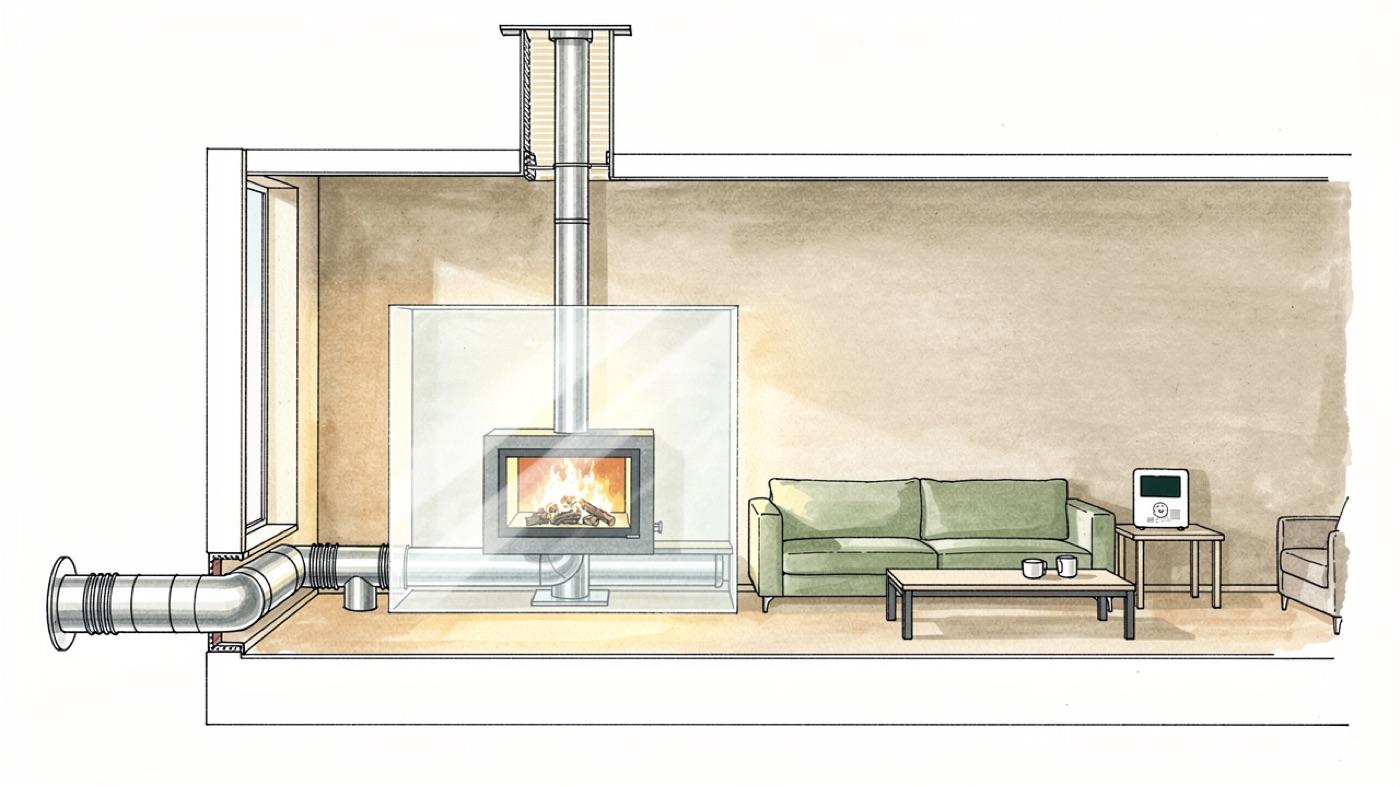
Sealed combustion is our preferred option for a healthy home. Factory-sealed glass, outdoor combustion air and direct venting keep the fire and the living space separate. This aligns with the EPA Indoor airPLUS program and ASHRAE positions on combustion appliances.
Where a client wants an open or traditional fireplace, we build in the safeguards below and make sure the ventilation design accounts for it.
Safeguards for every fireplace
These apply no matter which type goes in.
- A dedicated outside air supply for combustion
- Carbon monoxide and air quality monitors in the main living zones
- Annual inspection of the flue, seals and components
- A commissioning test for smoke leakage with every exhaust fan running
The commissioning test is the one most builders skip. We run the range hood, bath fans and dryer at once, then check whether the fireplace still drafts. If it does not, the makeup air plan gets fixed before move-in.
Monitoring tells the truth
A monitor that tracks PM2.5, carbon monoxide and nitrogen dioxide shows what a fire is actually doing to the room. Our indoor air quality monitor guide covers what to measure and where to place the sensor.
The bottom line
Fireplaces bring warmth and atmosphere. All combustion brings some indoor air challenge with it. Direct-vent sealed combustion and non-combustion alternatives fit a healthy home best.
If an open hearth is part of the vision, it can still work. Balanced ventilation, outdoor combustion air and monitoring make the difference. Bring the fireplace into the design conversation early, and it becomes a planned feature instead of a pressure problem.
Already living with a fireplace? Indoor air quality testing measures the particulates and VOCs in your home.