September 14, 2026
By Brian Johnson, Building Biologist and Licensed General Contractor
Home Gym Flooring Guide: Healthy Materials and Installation
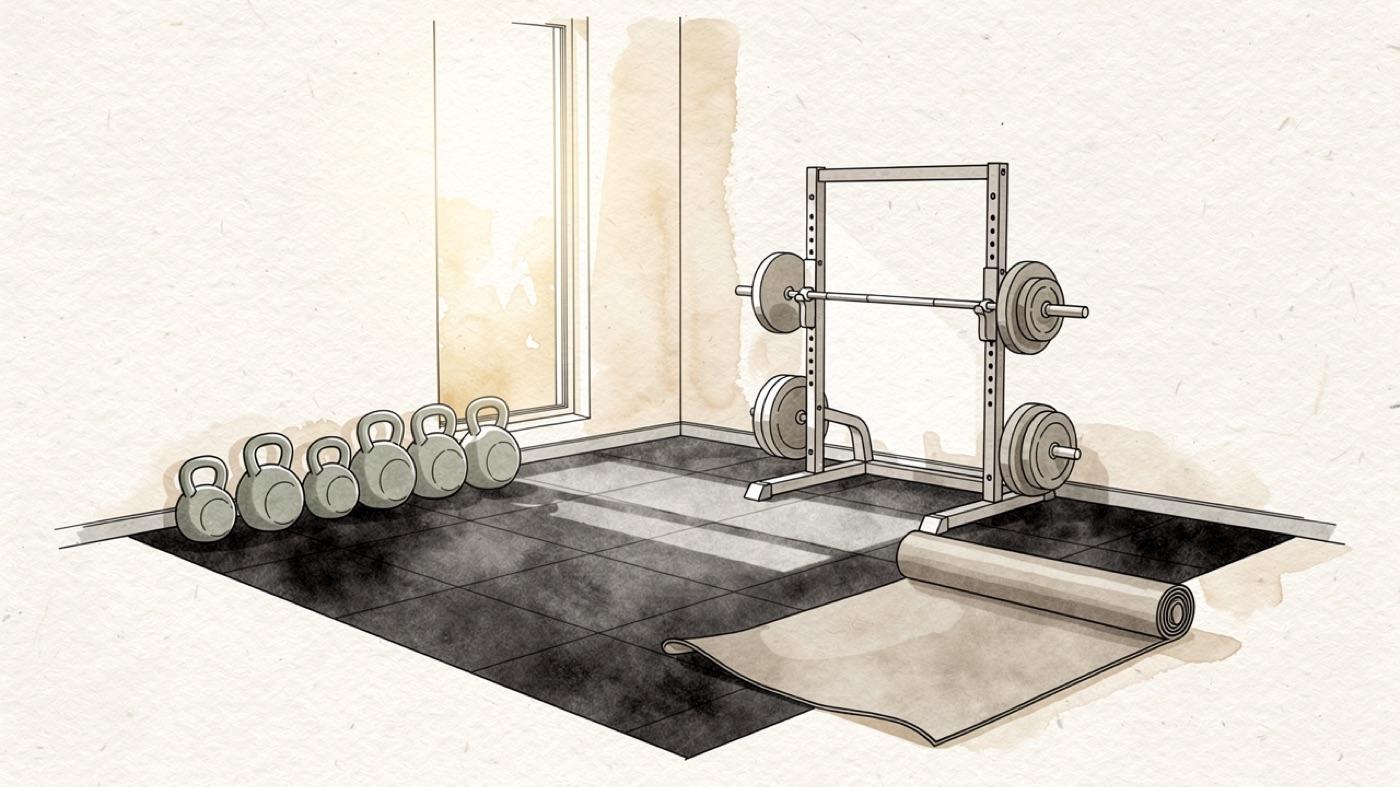
Home gym flooring takes more abuse than any other floor in the house. Dropped weights, sweat, humidity and heavy equipment all land on it. It also sits in a room where you breathe hard for an hour at a time.
That last point is why we treat gym flooring as a health decision. Rubber, vinyl and adhesives can off-gas for months, and a damp slab under the floor can grow mold nobody sees.
This guide covers the materials SENERGY360 approves and the installation steps that keep the room clean.
SENERGY360-approved home gym flooring
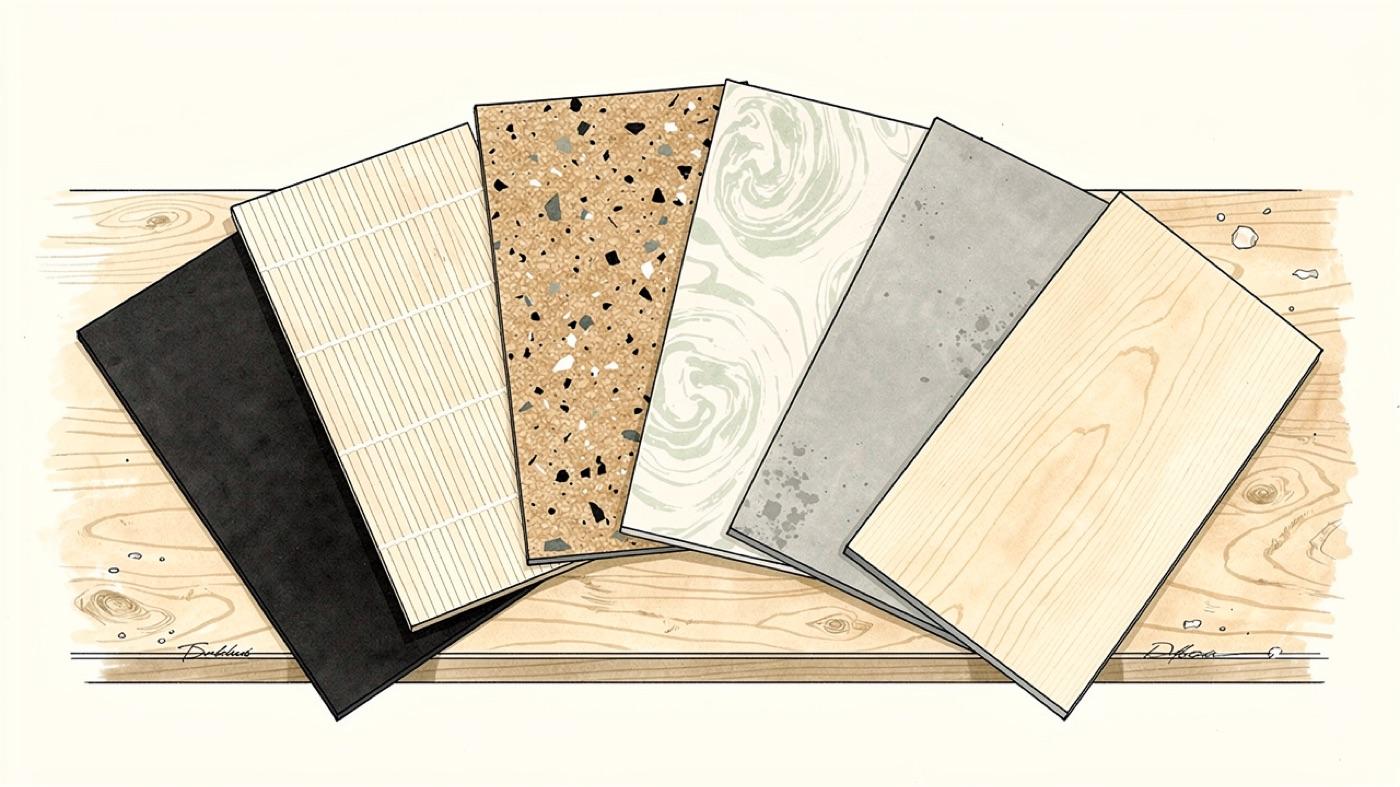
Seven materials pass our review. Each one has a place, and each one has a trade-off.
Vulcanized virgin rubber
MONDO Sports rubber is our first choice for a serious lifting room. It is low VOC, Greenguard Gold certified, durable and absorbs impact. It is also costly and heavy, and it carries a mild natural latex odor for the first weeks.
Polished concrete
Concrete is extremely durable, non-toxic and low maintenance. It can be built with integrated grounding, which some clients want for barefoot training. It is a hard surface that needs mats under free weights, and it requires vapor testing and sometimes mitigation.
Bamboo
Choose NAUF or ULEF certified bamboo, which means no added urea formaldehyde. It is renewable, low VOC and attractive. Heavy equipment can dent it and high humidity can move it.
Cork
Zero-VOC cork tiles, such as those from Forna, are renewable and cushioned. They dent under heavy loads. The adhesive is the risk, so specify a zero-VOC product or the polyurethane will off-gas.
Luxury vinyl plank
Zero-VOC, phthalate-free vinyl plank is affordable, water resistant and easy to install. It cannot be repaired if damaged. Prefer virgin vinyl, since plasticizers are the concern with this material.
Marmoleum
Natural linoleum is made from linseed oil, wood flour and jute. It is antimicrobial and safe for chemically sensitive people. It needs a cork underlayment for cushioning and has a mild linseed smell when new.
Maple with a non-VOC sealer
Maple is the classic gym surface, renewable and long lasting with the right finish. It needs humidity control and periodic refinishing. Specify a non-VOC sealer every time it is recoated.
Before installation
Evaluate the room
Check ventilation, humidity control and any existing chemical exposure. A gym in a garage or basement needs a plan for both moisture and fresh air before the floor is chosen.
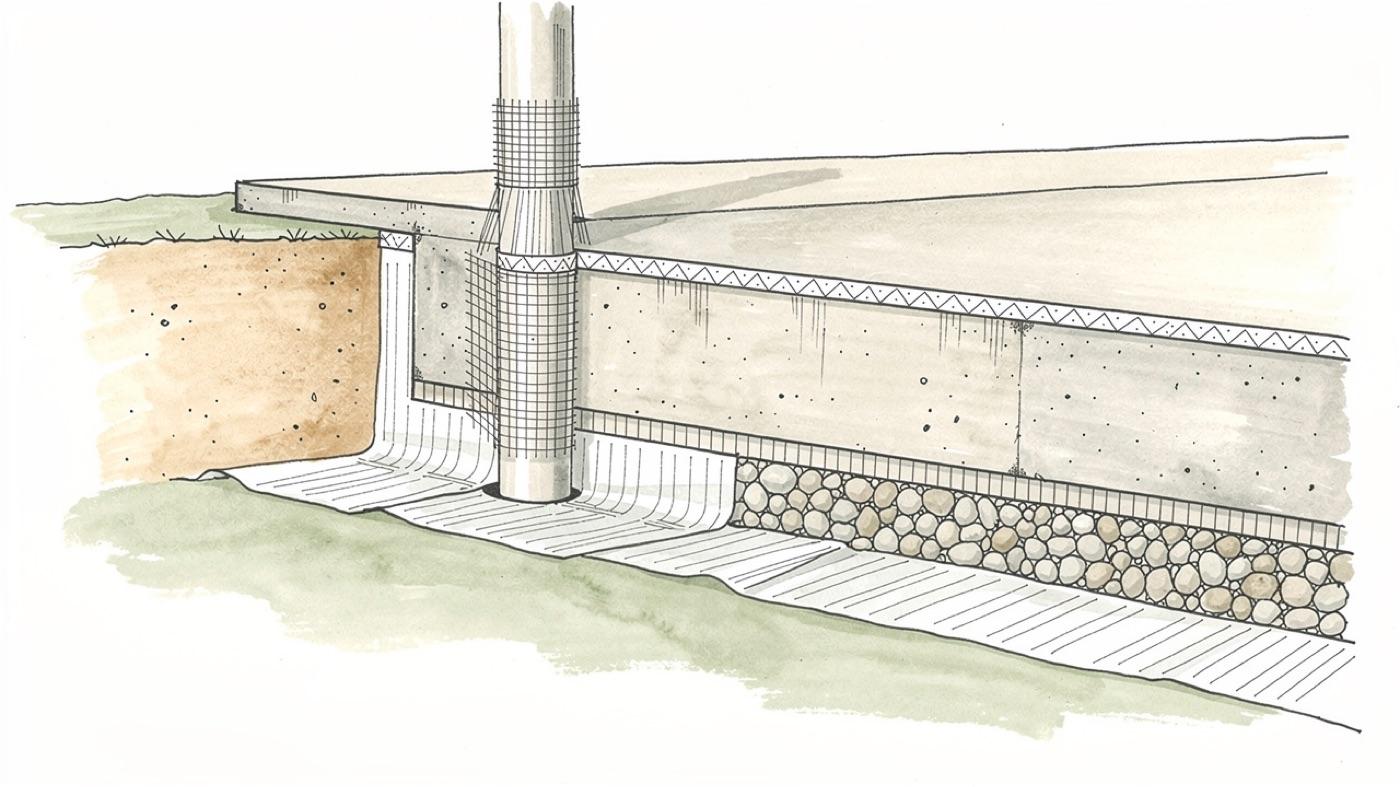
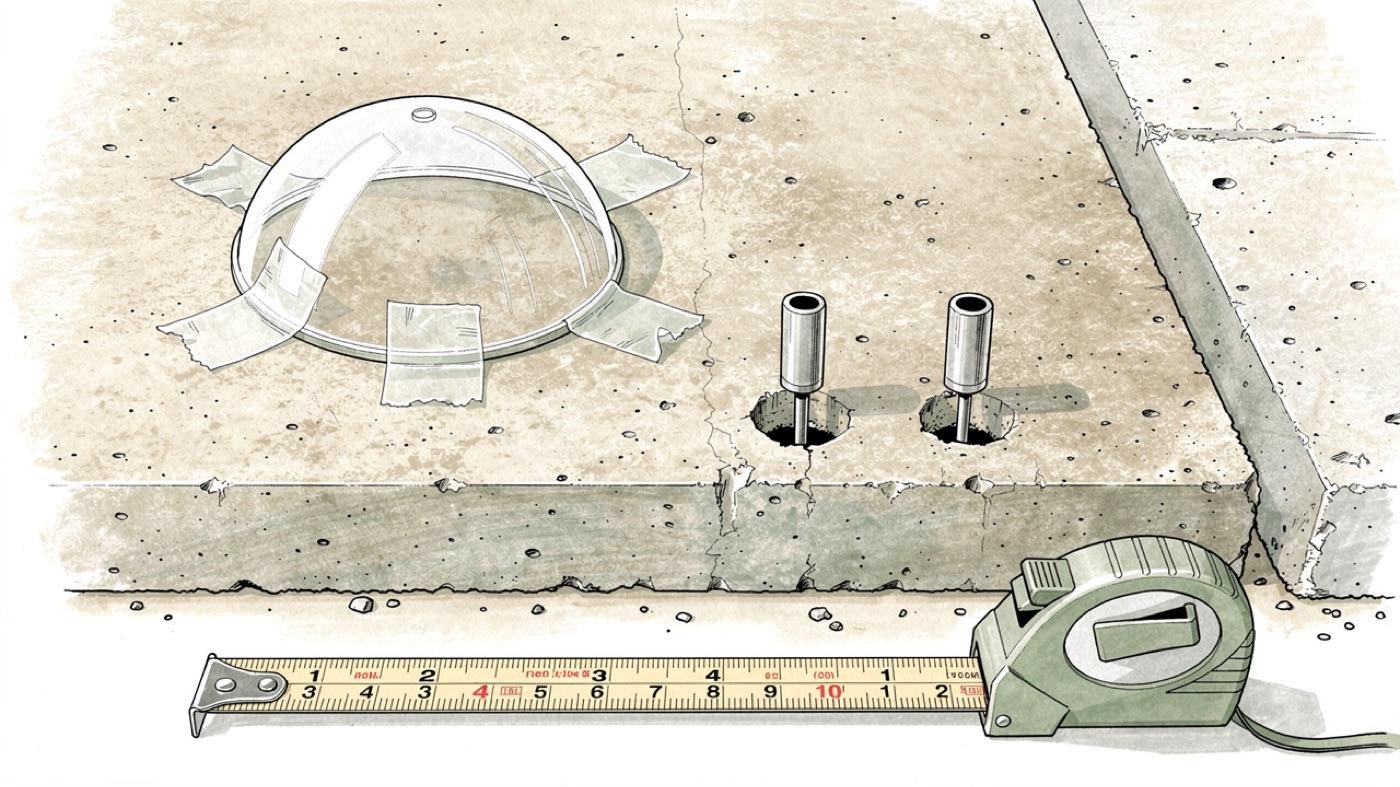
Test the slab for moisture
This step prevents mold, flooring failure and chemical release. It is the one most often skipped.
- ASTM F2170, the in-situ relative humidity test using probes drilled into the slab
- ASTM F1869, the calcium chloride moisture vapor emission test
If readings exceed the flooring manufacturer's limit, install a vapor barrier or a moisture mitigation system first. Our mold prevention principle applies here as much as in a bathroom.
Let the materials off-gas first
Pre-air rubber, vinyl and cork in a dry, ventilated space for one to four weeks before installation. Keep the packaging intact until the room is ready. Keep everything away from humidity and direct water. This matches the U.S. EPA's general advice on volatile organic compounds, which lists building materials and furnishings among indoor VOC sources and recommends increasing ventilation when using products that emit VOCs.
Prepare the subfloor
Concrete must be clean, dry and level. Prepare it mechanically and avoid chemical sealers that trap moisture. Wood subfloors need a moisture content below 12 percent and a sound structure, with underlayment where the flooring calls for it.
Installation
A few rules keep the finished room as healthy as the materials you chose.
- Use zero-VOC or water-based adhesives only
- Follow the manufacturer's spacing and expansion gaps
- On a grounding floor, test conductivity before sealing
- Control dust during every cut and every sanding pass
These are the same standards we hold on every design and build project. A gym is not a place to relax them.
After installation
Ventilate the room for at least 72 hours before the first workout. Walk it and look for visible moisture, damage or gaps. Hand the owner the maintenance instructions and the warranty.
Keeping it healthy
Clean with pH-neutral, non-toxic cleaners. Harsh chemicals damage rubber and add their own fumes to a room where you breathe hard. Hold indoor humidity between 35 and 55 percent and inspect the floor once a year for wear, damage or sealant failure.
That range sits inside the EPA's own guidance for preventing mold. Its brief guide to mold, moisture and your home puts it simply:
If possible, keep indoor humidity below 60 percent (ideally between 30 and 50 percent) relative humidity.
For more on keeping a basement or garage gym dry, see our guide on how to reduce moisture in your house. For flooring in the rest of the house, our non-toxic flooring guide compares these and other options, from hardwood and tile to carpet.
A gym floor done this way lasts decades. More important, it lets you train hard in a room that is not working against you. If you are unsure what is under your current floor, a healthy home inspection can test the slab and the air before you spend on new material.