February 8, 2025
By Brian Johnson, Building Biologist and Licensed General Contractor
Top 7 Home Construction Factors That Impact Sleep Quality
Healthy Home Construction Effect Your Sleep.
Sleep is a cornerstone of health and well-being, directly influencing everything from mood to overall physical health.
Yet, many homeowners overlook the profound impact their home’s construction has on sleep quality.
With a growing trend towards green building practices, it's essential to understand how the choices made during construction can enhance or hinder a restful night.
Way 1: Insulation Quality for Better Sleep
One of the most critical aspects of your home construction that affects sleep is insulation quality.
Proper insulation regulates indoor temperatures, ensuring that your sleeping environment remains comfortable regardless of external weather conditions.
Eco-friendly insulation materials, such as recycled denim or cellulose made from post-consumer paper, not only provide excellent thermal resistance but also contribute to a healthier indoor environment, ultimately enhancing sleep quality.
Temperature matters more than most people expect. A review in the Journal of Physiological Anthropology, Effects of thermal environment on sleep and circadian rhythm, found that heat or cold exposure increases wakefulness and decreases rapid eye movement sleep and slow wave sleep. A well-insulated envelope makes a steady bedroom temperature much easier to hold.
Way 2: Indoor Air Quality
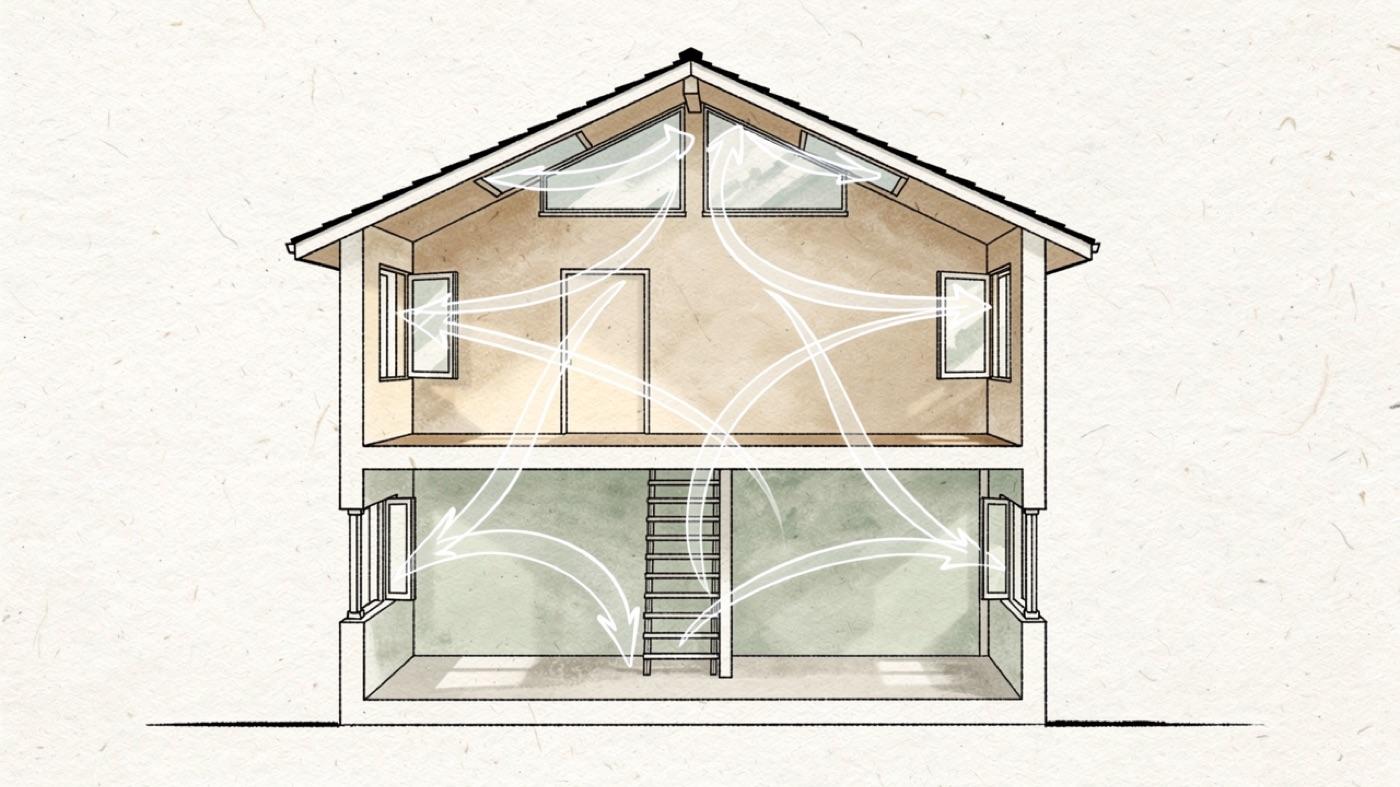
Indoor Air quality plays a vital role in sleep quality, making it essential to consider low-VOC (volatile organic compounds) materials during construction.
These materials help reduce harmful emissions that can disrupt sleep and overall health. Proper ventilation systems further enhance indoor air quality by circulating fresh air and reducing humidity, which can minimize sleep disturbances and provide a more conducive environment for restorative rest.
Way 3: Natural Light Utilization
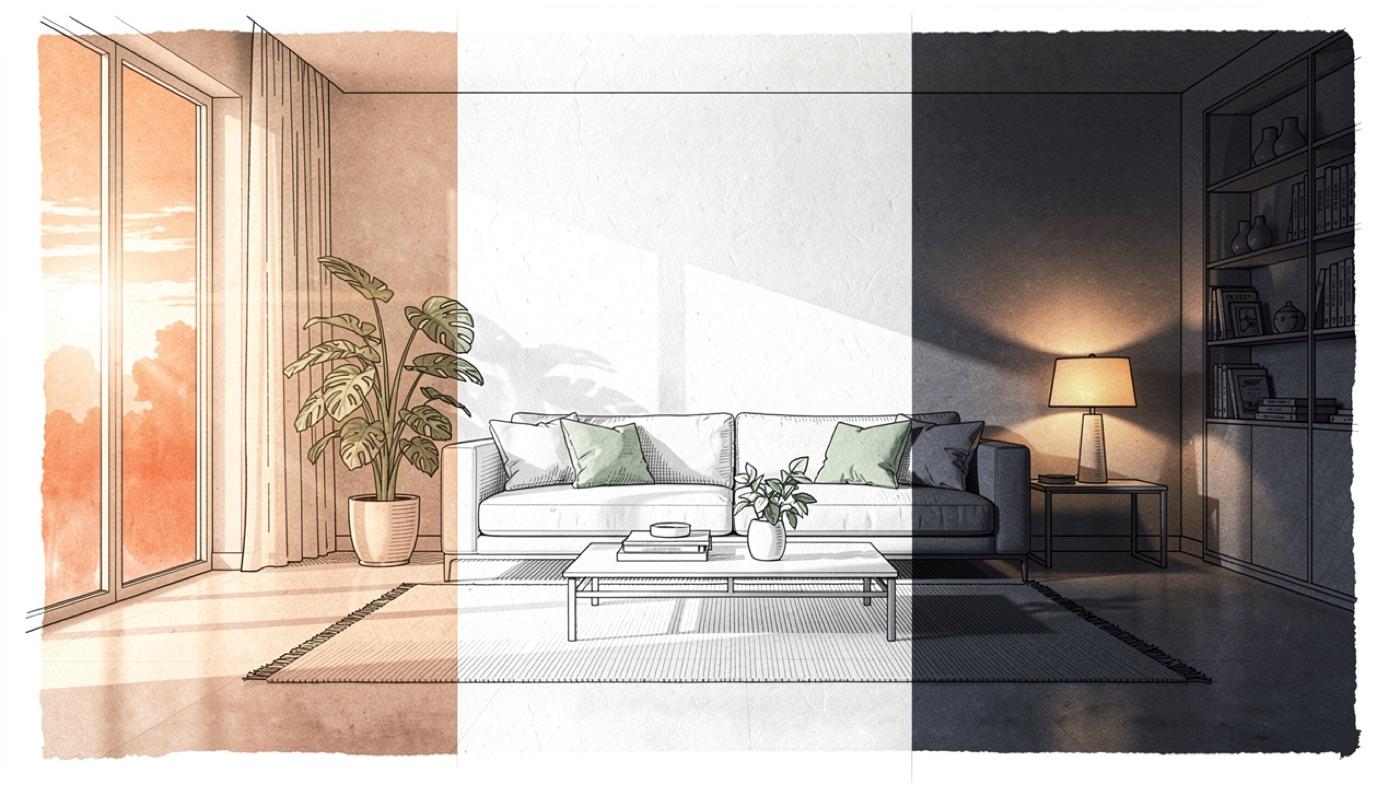
Maximizing natural light in home design is another effective strategy for improving sleep quality.
Exposure to natural light helps regulate your circadian rhythm, which is important for maintaining a healthy sleep cycle.
Incorporating green building strategies, such as large windows or skylights, allows for optimal light exposure while reducing reliance on artificial lighting, ultimately promoting a more restful night’s sleep.
Light and dark have the biggest influence on circadian rhythms, but food intake, stress, physical activity, social environment, and temperature also affect them.
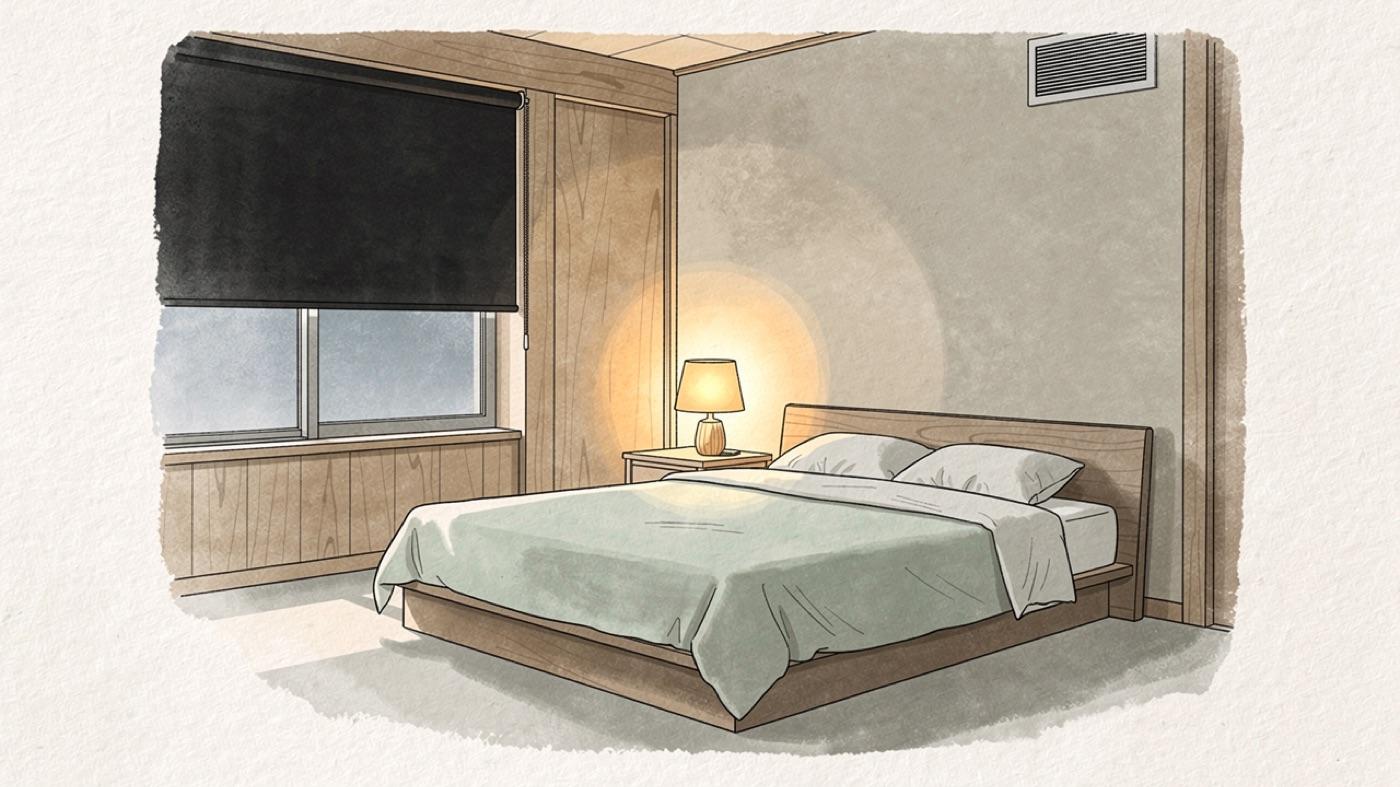
The same NIH fact sheet notes that light from electronic devices at night can confuse biological clocks, so a bright day and a truly dark bedroom work as a pair.
Way 4: Noise Reduction Techniques
Noise pollution can be a significant barrier to quality sleep, making sound insulation an important element of home construction.
Implementing noise reduction techniques, such as using acoustic panels and soundproof windows, can create a serene environment perfect for sleep.
Additionally, sustainable materials like recycled rubber or cork can provide effective noise control while also minimizing environmental impact, ensuring a peaceful sleeping atmosphere.
Way 5: Sleep-Friendly Layout
The layout of a home can greatly influence sleep quality, particularly concerning room placement relative to noise and light.
Designing a bedroom away from high-traffic areas and using layout strategies that promote relaxation can contribute to a more restful environment. Thoughtful space organization can foster a sense of calm and tranquility, which is essential for achieving deep, restorative sleep.
Way 6: Use of Non-Toxic Finishes
The use of toxic materials in home construction can have detrimental effects on health and sleep.
By opting for non-toxic paints and finishes, homeowners can significantly reduce indoor air pollution and create a healthier sleeping environment. The added benefit of choosing eco-friendly finishes means that you not only promote better sleep but also contribute positively to the planet.
Way 7: Sleep-Conducive Furniture Design
Furniture design greatly impacts sleep quality, with ergonomic furniture being a key consideration in bedrooms.
Choosing sustainable materials for beds and mattresses can offer the necessary support for a good night’s sleep while minimizing environmental harm. The correlation between well-designed furniture and improved sleep demonstrates the importance of thoughtful selections in enhancing your overall sleeping experience.
Conclusion
Understanding the various ways home construction affects sleep opens the door to creating a soothing and supportive living environment.
By integrating green building practices and focusing on key aspects such as insulation, air quality, and furniture design, you can foster improved sleep quality. It's time to assess your home—consider these elements and make informed decisions that prioritize your health and well-being for better sleep.