January 23, 2025
By Brian Johnson, Building Biologist and Licensed General Contractor
Healthy Home Construction: A Guide to Building a Cleaner Home
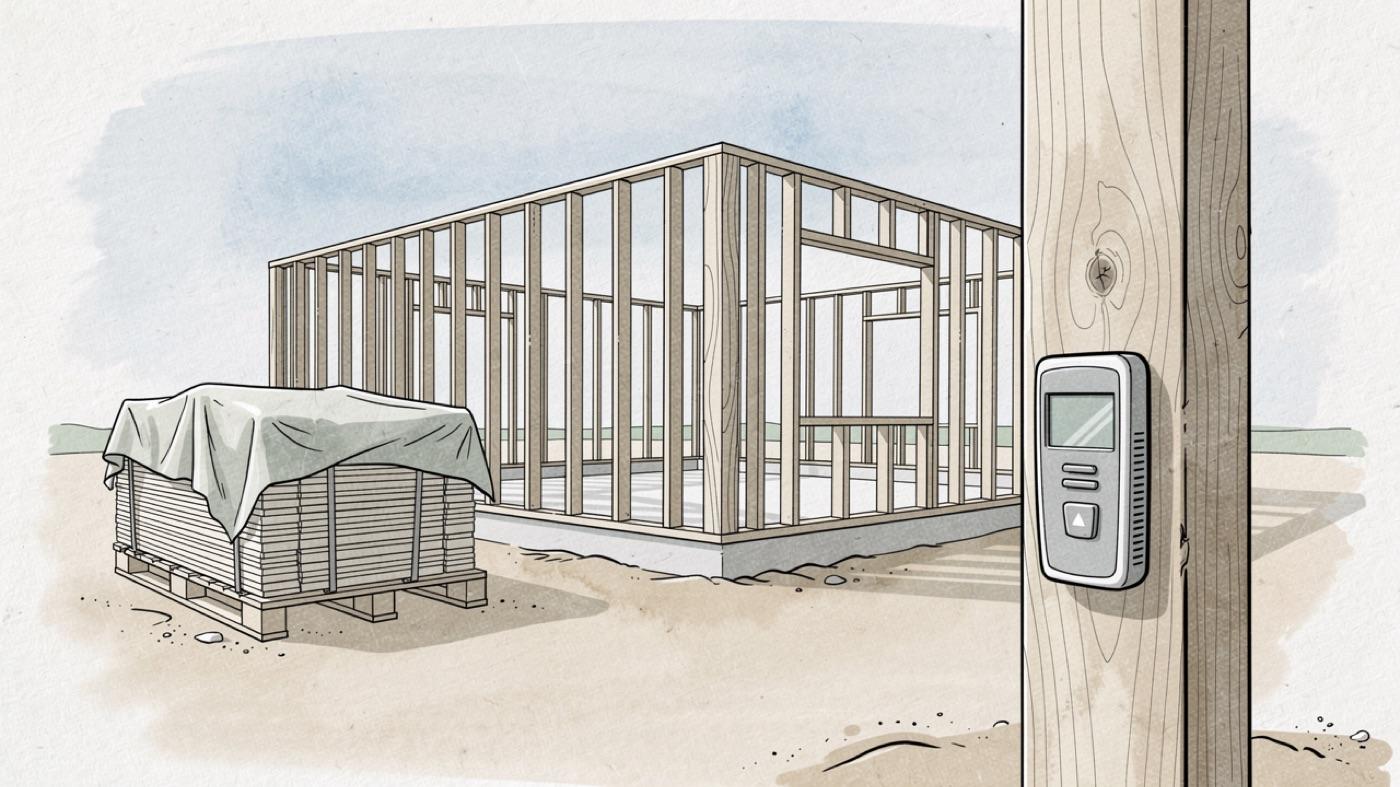
Healthy home construction isn’t just about walls and a roof; it’s about crafting a retreat—a space where your family thrives in comfort, safety, and health.
With indoor air quality now a top priority for homeowners and health enthusiasts alike, build healthy home construction offers an unparalleled opportunity to improve your living space while reaping long-term wellness benefits.
Whether you are a sustainable builder, an eco-conscious homeowner, or simply looking for a healthier living environment, this guide will not only inspire but also give you a clear roadmap to building a truly healthy home.
Thorough Healthy Home Inspection
What is Healthy Home Construction?
A healthy home construction is more than just a physical structure; it’s a retreat designed to promote well-being and quality of life.
At its core, a healthy home prioritizes indoor air quality by minimizing the presence of harmful chemicals, pollutants, and toxins.
This whole-house approach, like building biology, ensures that every aspect of the home—from the building materials to the ventilation systems—contributes to a safe and healthy living environment.
By focusing on creating a space free from harmful substances, a healthy home supports the overall health and comfort of its occupants, making it a true haven for healthy living.
Why Healthy Home Construction Matters
The environment you live in directly impacts your health and can lead to various health issues.
Breath Easy good indoor air quality
Harmful chemicals, poor indoor air quality, and toxic finishes can contribute to allergies, respiratory issues, and overall discomfort.
Healthy home construction creates a living space free from common pollutants, offering an environment that promotes health, reduces stress, and improves air quality—all while remaining sustainable.
Building a healthy home is more than a trend; it’s the future of construction. And for families seeking peace of mind and builders aiming to stand out in a competitive market, this approach is both meaningful and advantageous.
Prioritizing Indoor Air Quality
Poor air quality is a significant concern that affects the foundation of a healthy home, starting with the air you breathe. Poor indoor air quality is often caused by harmful chemicals, pollutants, and poor ventilation. By prioritizing clean air solutions during construction, you can ensure a fresher, safer space for all occupants.
Steps Toward Air Quality Excellence
- Energy Recovery Ventilators (ERVs): These systems support optimal air exchange, removing stale indoor air and introducing fresh outdoor air, all while saving energy.
- Advanced Filtration Systems: MERV 13+ filters capture harmful particles like allergens, pollen, and dust, keeping the air clean and breathable.
- Smart Humidity Control: Excess moisture promotes mold growth. Smart humidity systems prevent this, keeping your home dry and healthy. The Environmental Protection Agency recommends maintaining healthy humidity levels through proper ventilation and the use of devices like exhaust fans, air conditioners, and dehumidifiers to reduce health risks associated with excess moisture.
Healthy air is the pillar of a healthy living space—your lungs will thank you!
Reducing Radon Levels
Radon is a silent intruder that can pose serious health risks, including lung cancer. This radioactive gas can accumulate in homes, making it important to take steps to reduce its levels. Here’s how you can ensure your home remains radon-free:
- Test for Radon: The first step is awareness. Use a radon testing kit or hire a professional to measure radon levels in your home. Regular testing is essential to detect any changes over time.
- Seal Entry Points: Radon can seep into your home through cracks and crevices. Caulk and seal any gaps in floors, walls, and ceilings to prevent radon from entering.
- Install a Radon-Resistant Barrier: In areas like crawl spaces and basements, use a radon-resistant barrier, such as a plastic sheet, to cover the soil and block radon infiltration.
- Use a Radon Removal System: Consider installing a radon removal system, such as a heat recovery ventilation system, to actively remove radon from your home and ensure a continuous supply of fresh air.
By taking these proactive steps, you can significantly reduce radon levels and create a healthier home environment.
The U.S. EPA calls radon the second leading cause of lung cancer overall and, by its estimates, the number one cause among non-smokers. For new homes, EPA's radon-resistant construction guidance lists five basic features builders should include:
- Gravel
- Plastic Sheeting or Vapor Retarder
- A Vent Pipe
- Sealing and Caulking
- Junction Box
The cost to the builder of including these features is typically less than the cost to mitigate the home after construction.
Our guide to radon testing and mitigation covers testing and fixes in an existing home.
Controlling Humidity Levels
Maintaining optimal humidity levels is essential for a healthy home. Excess moisture can lead to mold growth, which can exacerbate respiratory issues and other health problems. Here are some effective strategies for controlling humidity:
- Use a Dehumidifier: Installing a dehumidifier in moisture-prone areas like basements and crawl spaces can help keep humidity levels in check. This device extracts excess moisture from the air, preventing mold and mildew.
- Improve Ventilation: Good ventilation is key to controlling humidity. Ensure your home has adequate vents and fans, especially in areas like bathrooms and kitchens, to remove excess moisture and promote air circulation.
- Fix Leaks Promptly: Water leaks can quickly lead to moisture buildup. Regularly inspect your home for leaks and water damage, and address any issues immediately to prevent mold growth and maintain a healthy living space.
By implementing these measures, you can effectively control humidity levels and create a healthier home environment.
The EPA's guide to mold and moisture recommends keeping indoor humidity below 60 percent, ideally between 30 and 50 percent, and notes that a simple humidity meter can measure it. We cover the details in how to reduce moisture in your house and prevent mold.
The Power of Superior Material Selection
The materials chosen in healthy home building play a significant role in eliminating exposure to harmful toxins. Opt for healthier building materials to minimize exposure to volatile organic compounds (VOCs). It is important to select materials that do not off gas harmful VOCs, as these can negatively impact indoor air quality and health. Opt for sustainable, non-toxic, and high-quality materials that enhance both your home’s structure and the well-being of its occupants.
Flooring Options
- Solid Hardwood with Low-VOC Finishes: Combines elegance and safety for healthier homes.
- Sustainable Bamboo and Cork: Durable, stylish, and environmentally friendly.
- Non-Toxic Adhesives and Sealants: Reduces exposure to harmful chemicals.
Wall Systems
- Zero-VOC Paints: Conventional paints emit harmful volatile organic compounds (VOCs); zero-VOC alternatives provide a safer option free from toxic chemicals.
- Formaldehyde-Free Insulation: Essential for maintaining clean, toxin-free air.
- Natural Plaster Finishes: Offers a beautiful aesthetic and exceptional breathability.
Kitchen and Bath Materials
- Low-Emission Cabinets and Countertops: Minimize harmful off-gassing in critical spaces like kitchens and bathrooms.
- Moisture-Resistant Materials: Prevent mold formation in humid areas. Energy efficiency is also important when selecting kitchen and bath materials, as it ensures systems operate effectively while conserving energy.
Thoughtful material choices can transform your home into a toxin-free haven while promoting sustainability.
Improving Water Quality
Water quality is a critical component of a healthy home. Ensuring that your water is free from contaminants not only protects your health but also enhances your overall quality of life. Here are some tips for improving water quality in your home:
- Use a Water Filter: Installing a water filter, such as a reverse osmosis system, can remove impurities and contaminants from your drinking water. This ensures that the water you consume is clean and safe.
- Test Your Water Regularly: Regular water testing is essential to detect contaminants like lead, mercury, and bacteria. By staying informed about your water quality, you can take timely action to address any issues.
- Fix Leaks Promptly: Leaks can lead to water contamination. Regularly inspect your plumbing for leaks and fix any issues promptly to prevent contamination and maintain a clean water supply.
- Use Non-Toxic Plumbing Materials: Opt for non-toxic plumbing materials, such as copper or PEX, to prevent harmful chemicals from leaching into your water supply. These materials are safer and more durable, contributing to a healthier home.
By following these tips, you can ensure that your home’s water quality remains high, providing a safe and healthy environment for you and your family.
Implementation Process for Builders
Healthy home construction requires a well-structured process to achieve optimal results. Here’s how sustainable builders can ensure success at every step of the project.
Source Certified Healthy Materials
Work with suppliers who provide certified, non-toxic, and sustainable materials. Certifications ensure that materials meet stringent health and environmental standards.
Train Crews on Proper Installation
Educate teams on how to effectively install healthy materials to maintain air quality and structural integrity.
Document Air Quality Metrics
Measure and document air quality during and after construction to demonstrate compliance and quality control.
Provide Post-Construction Monitoring
Offer homeowners tools and insights to continue maintaining a healthy living space long after construction is complete.
Implementing these steps will not only ensure a healthier home but also improve your reputation in the market.
Business Benefits of Healthy Construction
Healthy home building isn’t just good for homeowners—it’s excellent for business. Builders who prioritize healthier building materials and health-focused construction gain significant advantages in a competitive market.
Premium Market Positioning
Establish your company as a leader in sustainable and health-conscious construction to attract eco-conscious and health-driven clients.
Higher Project Margins
Clients are often willing to invest more in premium materials and services for their family’s health and safety.
Reduced Liability Concerns
Certified materials and safer construction practices minimize risks associated with environmental hazards.
Higher Client Satisfaction
Delivering a healthy, toxin-free home creates long-term happy clients who’ll refer your services to others.
Positioning Your Company for Market Leadership
Healthy home construction goes above and beyond industry standards by meeting Environmental Protection Agency (EPA) guidelines and incorporating advanced solutions. This distinguishes your company as a trusted expert in a growing market segment.
Quality Assurance and Monitoring
- Use third-party certifications for materials to guarantee integrity and build healthy homes.
- Conduct extensive post-construction air quality testing to validate your work.
- Provide homeowners with systems for ongoing air monitoring and clear documentation of your efforts.
When done right, prioritizing health in construction provides measurable advantages for both builders and homeowners.
Build a Space That Breathes Life
Healthy home construction is more than a set of practices; it’s a movement toward better living, sustainability, and well-being, addressing potential health issues. By focusing on indoor air quality, non-toxic materials, and client satisfaction, builders can craft homes that stand as pillars of health and harmony.
For eco-conscious homeowners, understanding the impact of materials and systems on your family’s health helps you demand better—and build the healthy living space you deserve.
The opportunity for healthier, safer homes is here. Start your construction project with a commitment to clean building—and create a legacy of well-being for your family.
Are you ready to lead in healthy home construction or need expert guidance to make your home healthier? Contact us today to learn more about building better spaces with purpose!