September 14, 2026
By Brian Johnson, Building Biologist and Licensed General Contractor
Ozone Air Purifiers: Why We Keep Them Out of a Healthy Home
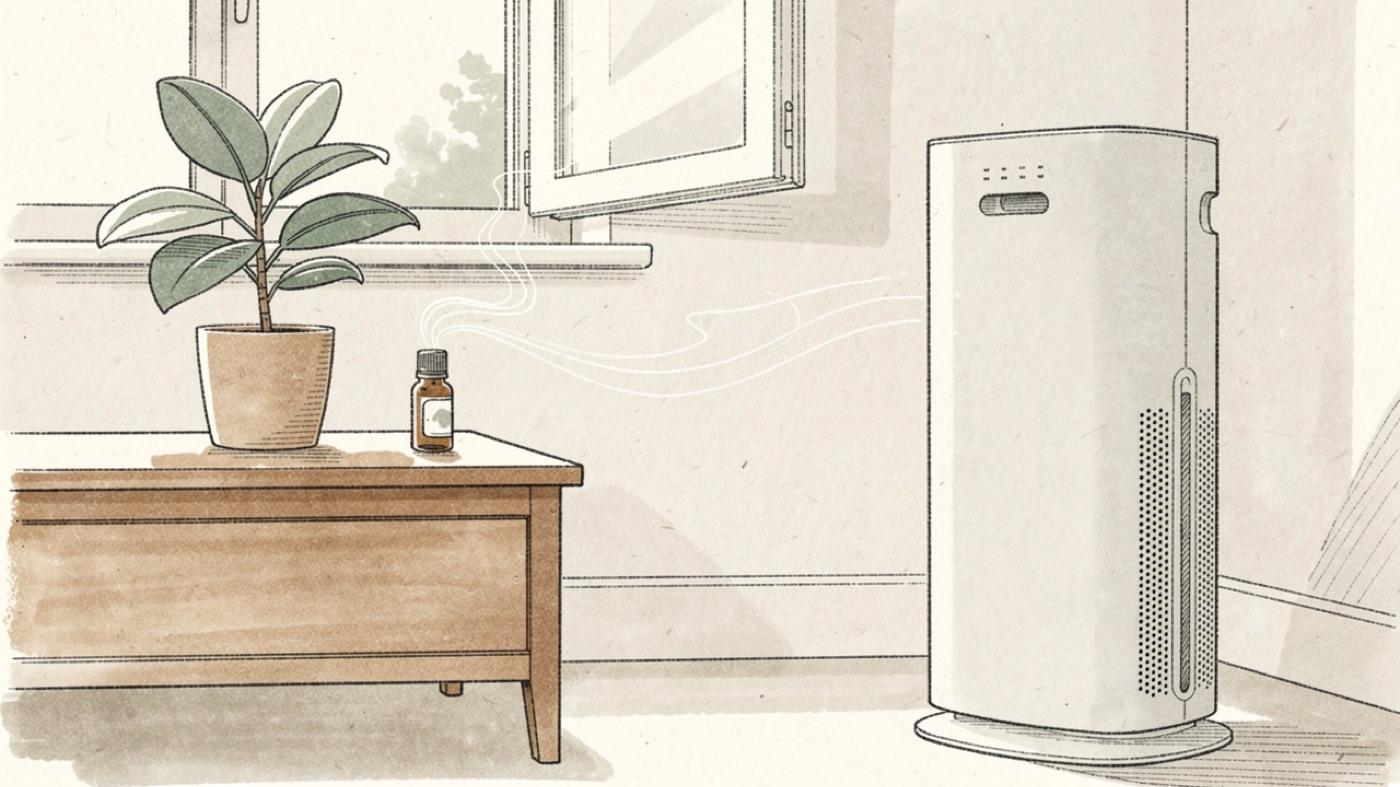
An ozone air purifier sounds like a shortcut to clean air. The marketing says ozone destroys odors, chemicals and germs. What it leaves out is that ozone reacts with almost everything in a house, and many of those reactions create new pollutants.
At SENERGY360 we do not specify any device that generates ozone. ASHRAE Standard 62.1, in its 2019 edition, specifically prohibits air cleaning devices that produce ozone. That is a clear signal from the people who write ventilation standards.
The U.S. EPA reaches the same conclusion for homes. Its review of ozone generators that are sold as air cleaners states that no agency of the federal government has approved these devices for use in occupied spaces, and that at concentrations that do not exceed public health standards, ozone has little potential to remove indoor air contaminants.
What an ozone air purifier actually does
Ozone is three oxygen atoms bonded together, written as O3. Several kinds of air cleaners split normal oxygen molecules and create ozone as a reactant. These include ozone generators, ionizers, electrostatic precipitators and some ultraviolet lights.
Indoors, ozone can break down some undesirable chemicals. In the process it produces others. The result is often a different mix of irritants rather than cleaner air.
Ozone is a toxic gas with vastly different chemical and toxicological properties from oxygen.
The same EPA page notes that when inhaled, ozone can damage the lungs, and that relatively low amounts can cause chest pain, coughing, shortness of breath and throat irritation.
Ozone creates new chemicals from ordinary materials
Research on low-level outdoor ozone gives a clear example. When ozone reacts with the pesticide malathion, it produces maloxon, which is about 1,000 times more toxic than the original chemical. A semi-volatile compound like maloxon will usually not show up in routine indoor air testing.
The same pattern shows up with natural materials. Wood terpenes and essential oils react with ozone to form formaldehyde, acrolein, methacrolein, methyl vinyl ketone and other airway irritants that have not all been identified yet.
Compounds in oak, poplar and eucalyptus wood, and in natural rubber, react with ozone as well. The byproducts include formic acid, acetic acid, formaldehyde, acrolein and methyl vinyl ketone. A home full of solid wood and natural finishes is exactly the kind of home where ozone does the most damage.
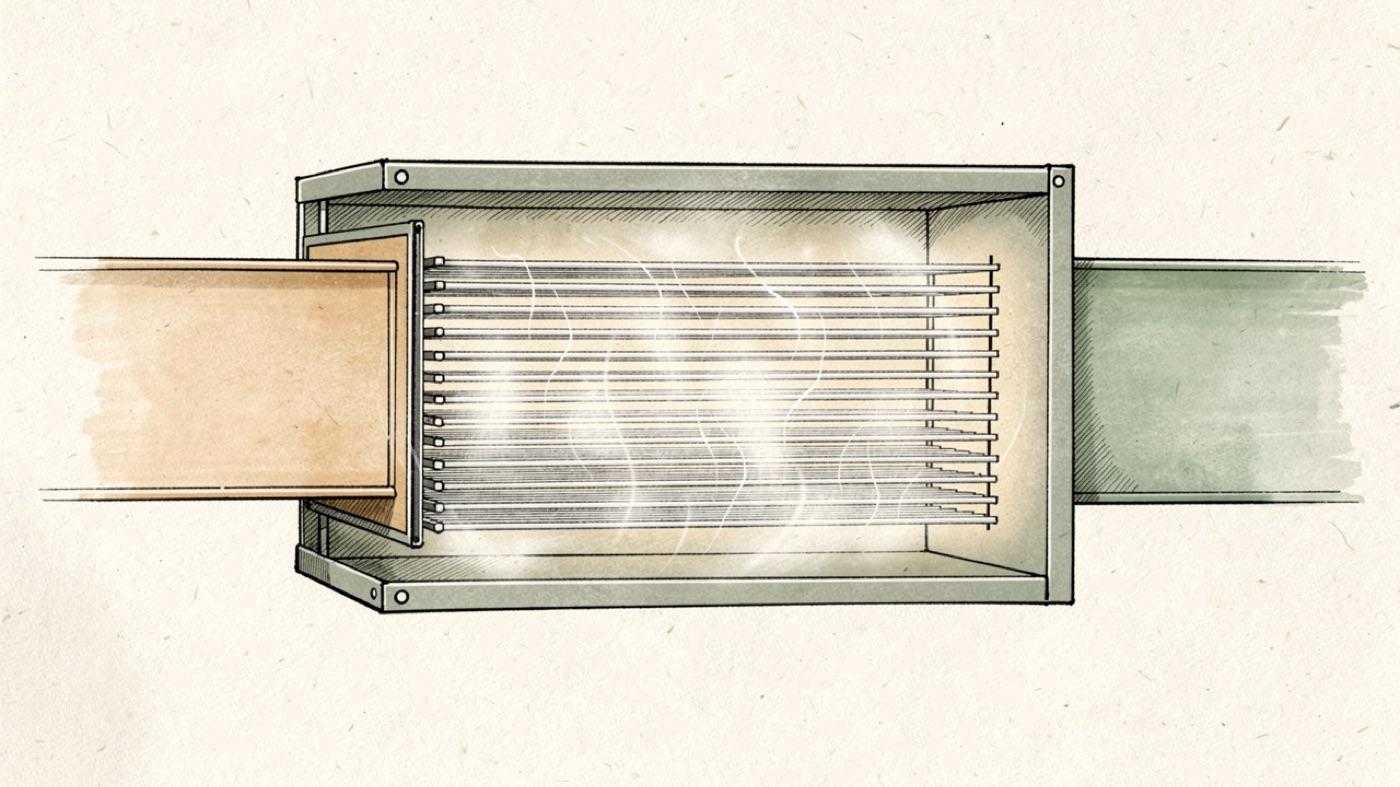
Devices that produce ozone without saying so
Ozone generators are the obvious case. The less obvious cases are the cleaners that produce ozone as a side effect. Those are the ones we see most often in homes we inspect.
EPA's Guide to Air Cleaners in the Home flags the same categories. It notes that in some cases, air cleaners that contain electrostatic precipitators, ionizers, UV lights without adequate lamp coatings, and plasma air cleaners may have the potential to emit ozone. It also points out that the California Air Resources Board and the Association of Home Appliance Manufacturers maintain lists of air cleaners tested and shown to emit little or no ozone.
Electrostatic and electronic filters
Electrostatic and electronic filters both use electricity to attract and hold particles. Electrostatic filters use statically charged plates that can be removed, cleaned and reused. Electronic air cleaners create an electrically charged field that traps particles on collector plates.
Both types can produce ozone. Some electronic cleaners use a corona discharge process, which generates ozone directly. Nitric acid forms on the plates, corrodes them and gives off an acrid odor that many sensitive people find objectionable.
There is a performance problem too. Electrostatic filters do not capture particles as well as media filters once they get dirty. They have to be cleaned often to reach the MERV rating printed on the box.
Ultraviolet light
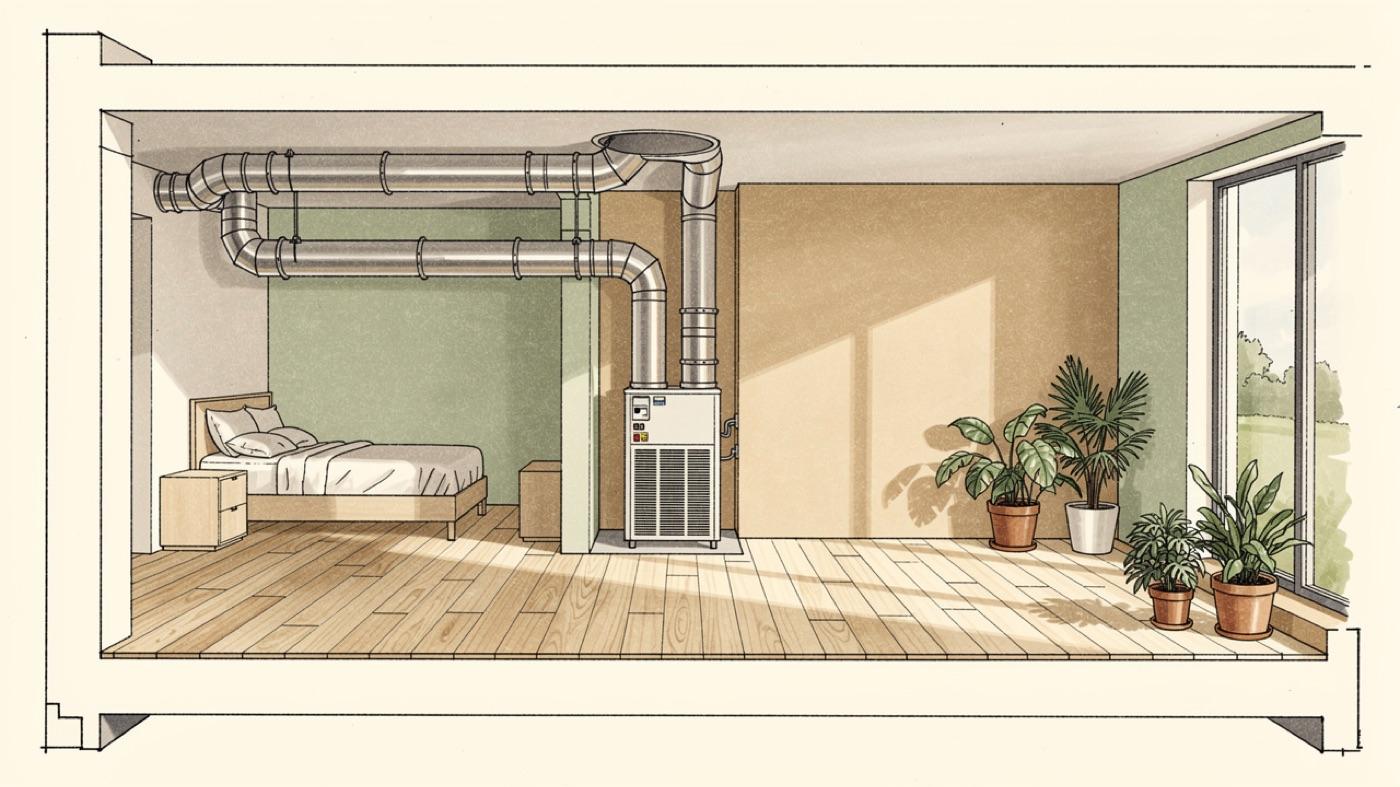
Many air purifiers and HVAC add-ons use UV light to kill bacteria, viruses and other microorganisms. UV light can also produce ozone. Portable units are regulated in California for ozone output, but there are no regulations for UV lights installed inside HVAC systems.
We have seen clients get sick from the chemical byproducts created when UV-generated ozone reacts with materials in the house. The cause is easy to miss because the device is hidden in the ductwork.
UV also does not do what most people buy it for:
- UV is not effective at removing mold spores, particles or fragments. Most molds are pigmented, which keeps the light from penetrating them.
- Direct UV can kill bacteria, but it does not remove the dead cells, endotoxins or exotoxins that sensitive people react to.
- UV needs enough contact time to work. Air moves past the lamp too fast in most HVAC systems and purifiers.
- Under some conditions, UV and photocatalytic oxidation react with chemicals in the air to produce more dangerous ones.
What we use instead
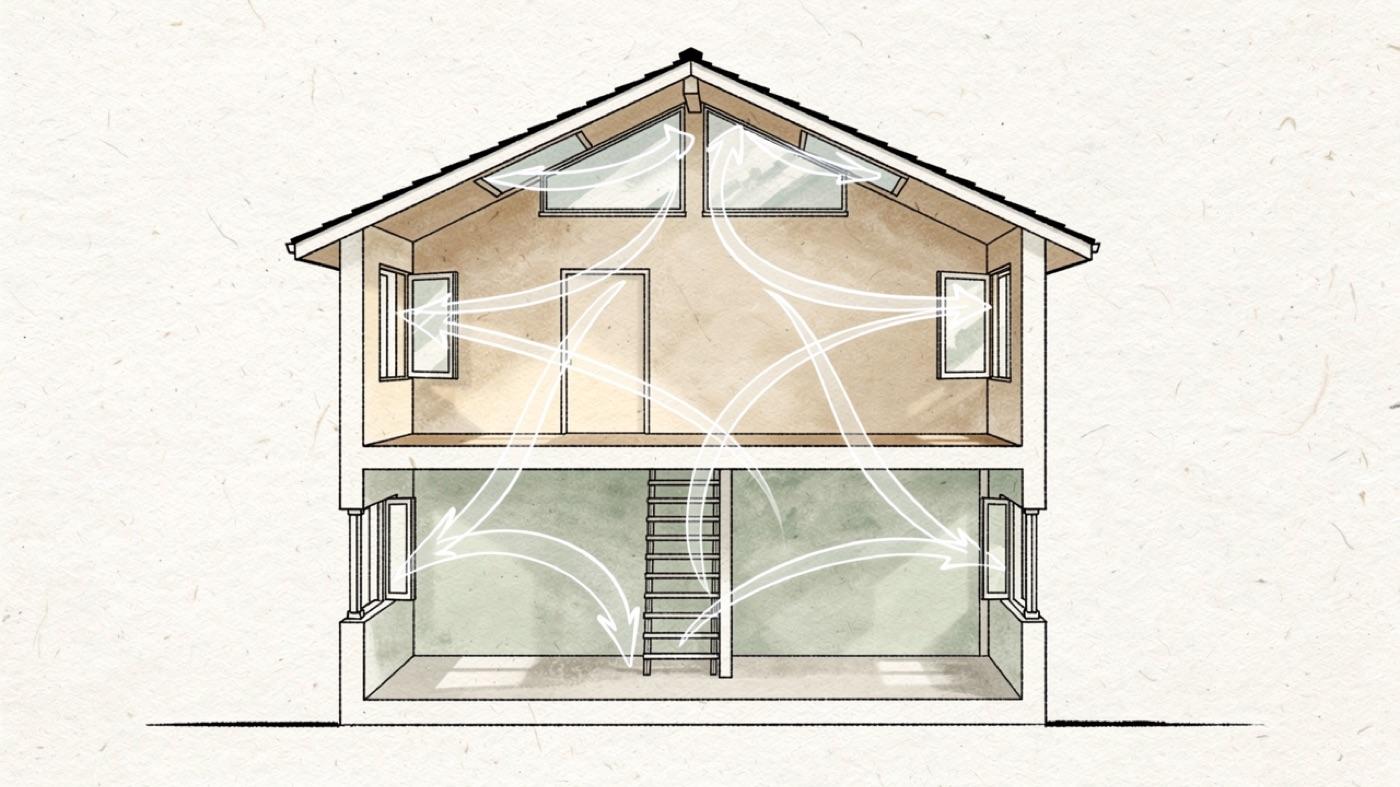
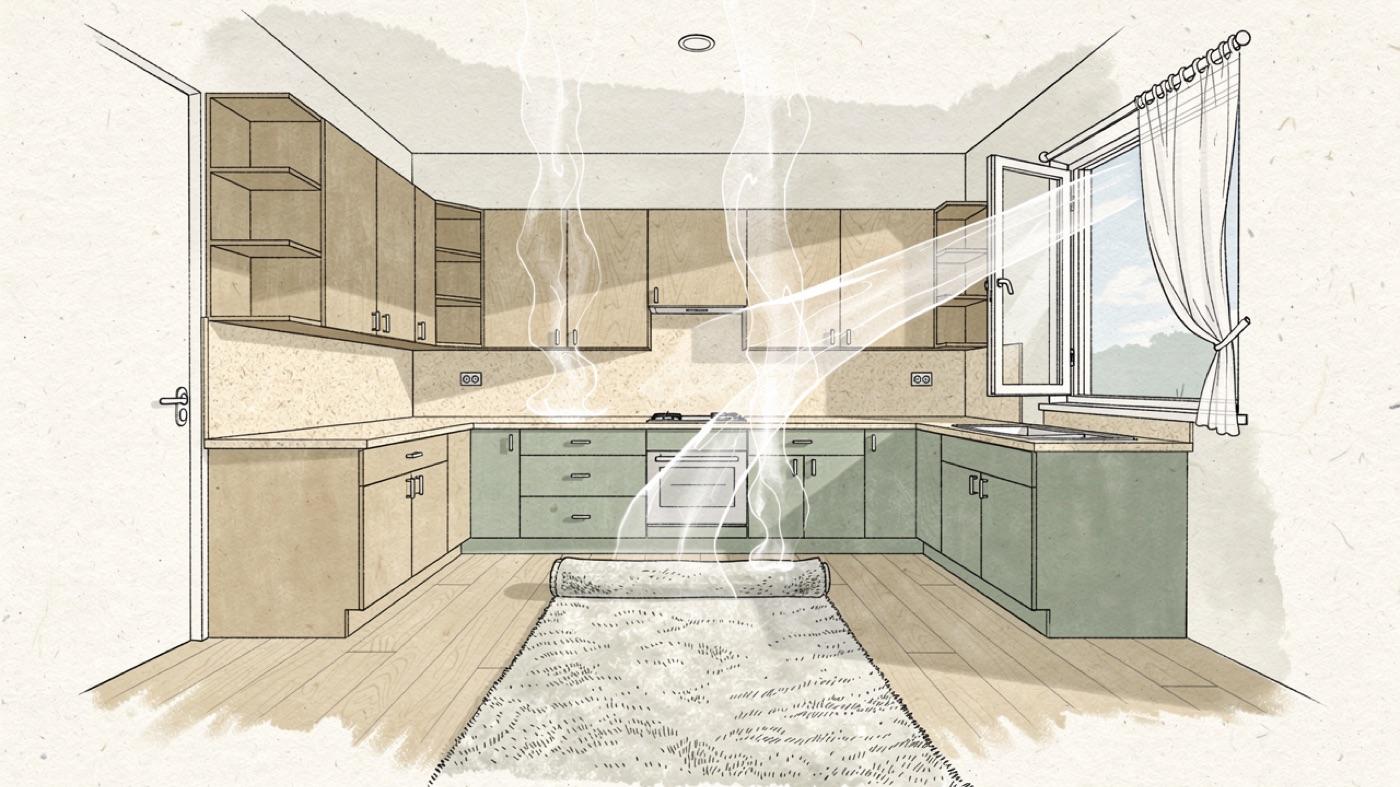
Clean indoor air comes from three things: keep pollutants out, dilute what gets in, and filter what remains. None of those steps needs ozone.
Source control first
The best filter is the one you never need. Our healthy building materials principle keeps formaldehyde, solvent-based finishes and other emitters out of the house from the start. If you are troubleshooting an existing home, VOC testing will tell you where the chemicals are coming from.
Ventilation second
Fresh outdoor air dilutes what is left. A balanced ventilation system with a filtered fresh air intake does more for indoor air than any purifier. Our climate control and ventilation principle covers how we size and place it.
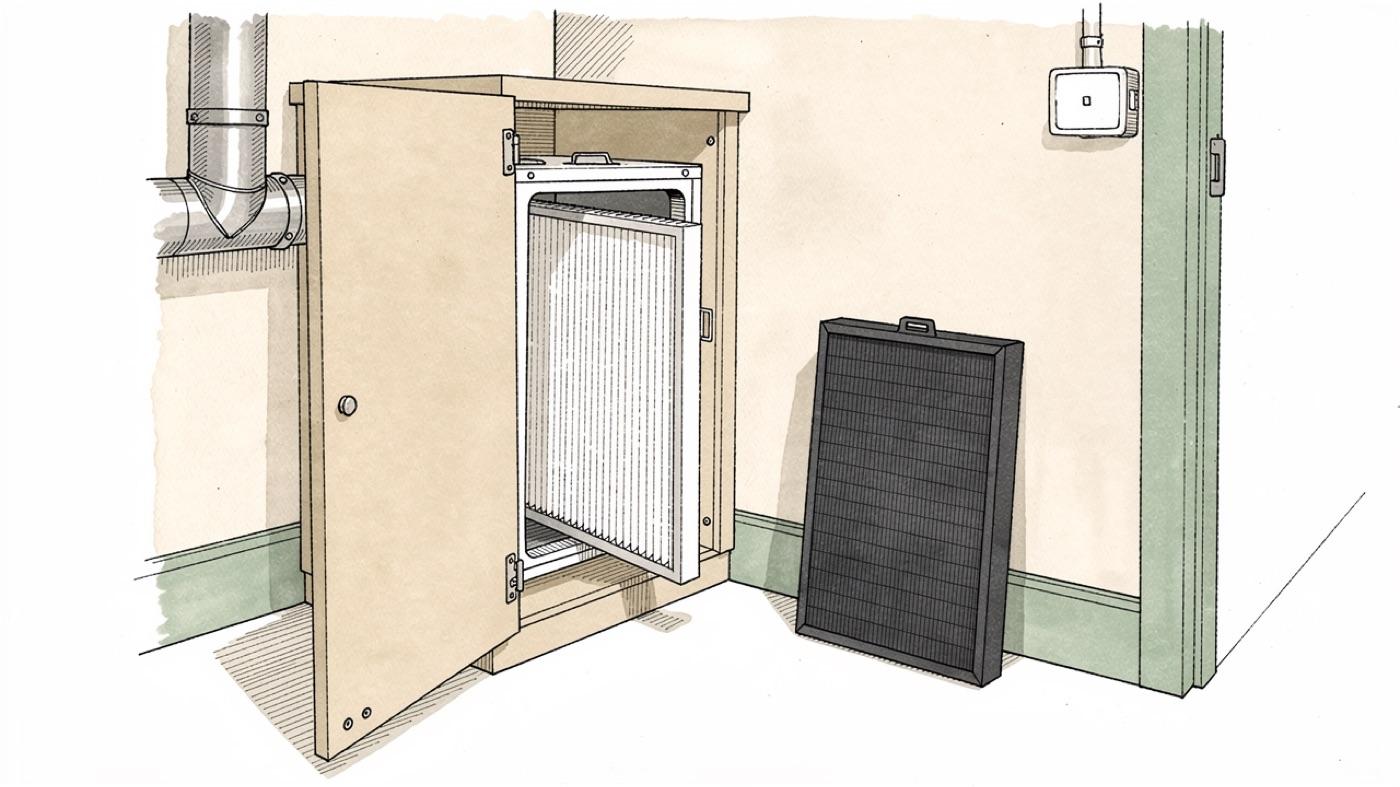
Passive filtration third
For particles, use a deep pleated media filter with a real MERV rating, or a HEPA filter in a portable unit. Our roundup of the best air purifiers for mold and mycotoxins covers what to look for in one. For gases and odors, use activated carbon. Both work by capturing pollutants on a surface and holding them there.
Neither one creates a chemical reaction. When the filter is full, you replace it and the pollutants leave the house with it. That is the whole system, and it is the only kind we specify.
How to check what you already own
If you have an air cleaner running now, look for these signs that it produces ozone:
- The product description mentions ions, ionization, plasma, electrostatic, corona discharge or "activated oxygen"
- The unit has a UV lamp, especially one mounted inside a duct or air handler
- A sharp, clean, "after a thunderstorm" smell near the outlet
- Metal plates that need periodic washing
If any of those apply, turn it off and replace it with media and carbon filtration. If people in the house have been getting headaches, throat irritation or unexplained fatigue, a healthy home inspection can measure what the device left behind.