September 14, 2026
By Brian Johnson, Building Biologist and Licensed General Contractor
Mold Resistant Building Materials and Why Cleaning Matters So Much
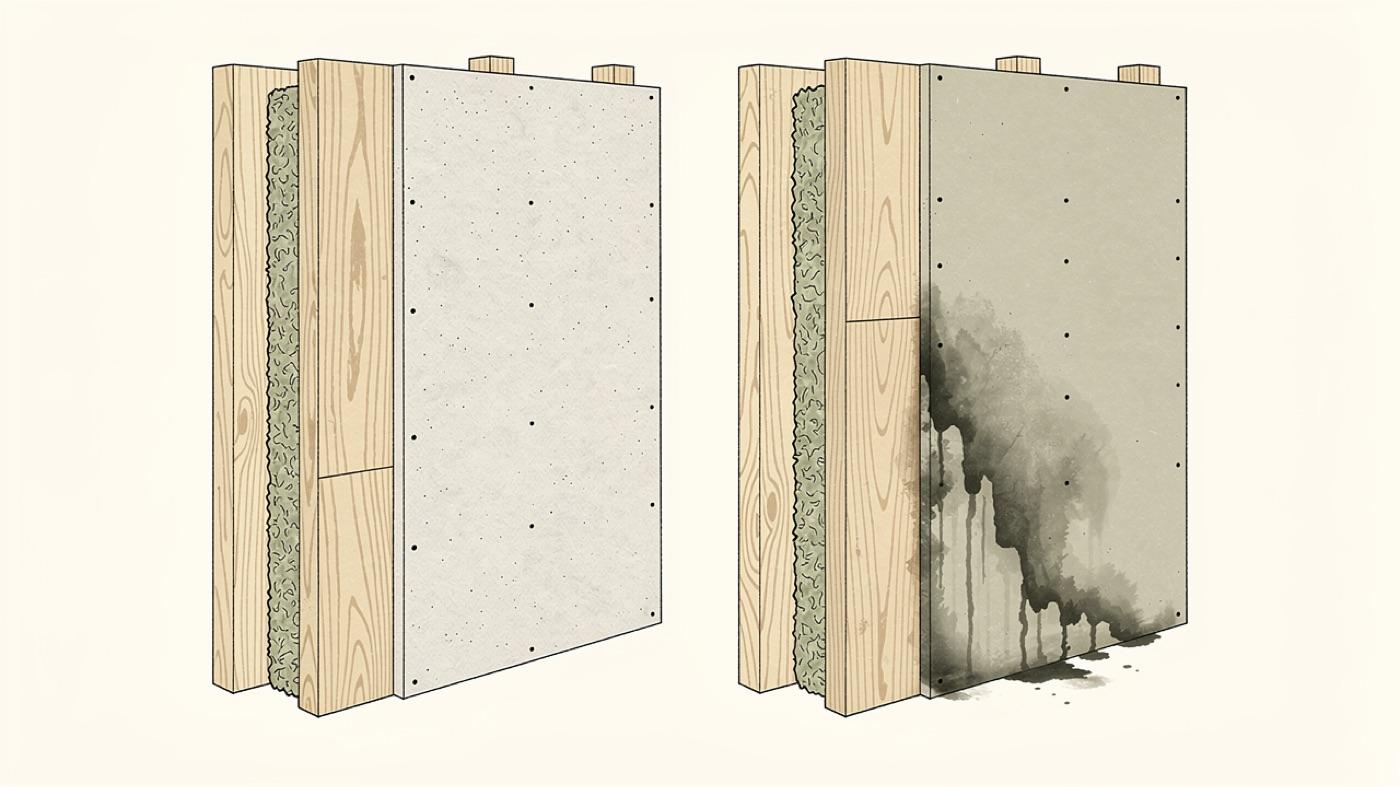
Mold does not grow on a house. It eats it. Choosing mold resistant building materials makes that meal harder to get, and keeping those materials clean and dry makes it nearly impossible.
At SENERGY360 we build with mold in mind from the first framing package. This post explains where mold comes from, how it breaks down common building products, and why the materials we pick and the way we maintain them matter more than any cleaner.
Where mold comes from
Mycology is the study of fungi, molds and yeasts. Fungi are one of the five main kingdoms of life and include hundreds of thousands of organisms. Over 25 percent of the earth's biomass is fungi.
Fungi grow as feathery filaments called hyphae. Grouped hyphae form mycelium, and mycelium can form mushrooms. They reproduce by spores, which are everywhere in the air and in settled dust.
The indoor mold community
The mix of fungal species found indoors is well known to air quality professionals. The three big groups are Ascomycetes, Basidiomycetes and Zygomycetes. The molds that show up in damp buildings come from within those groups.
Indoors, with sustained dampness, spores germinate and release enzymes. Those enzymes break down cellulose-based building materials so the starches and sugars can be absorbed. As the material is digested, more nutrients open up and more organisms move in: other molds, bacteria, amoebae, then mites that eat them.

The presence of water alone does not automatically mean a mold event. Even low-water molds need the material damp enough for their enzymes to break the cell walls. The community that forms depends on how wet the space gets and for how long.
The four stages of mold growth
- A spore lands on a moist surface and secretes enzymes that dissolve dead organic material
- The spore germinates and produces hyphae, a root system, while the enzymes keep working
- The hyphae grow and dig into the surface
- The colony matures and releases new spores into the air
Molds are typically 5 to 30 microns in size. Airborne spores and fragments are smaller because they get torn and broken as they move. When mold is in the air, particle counts around 2.5 microns are usually elevated, which is one reason we measure fine particles during a Healthy Home Inspection.
Why mold resistant building materials matter
All organisms need three things: the right temperature, food and water. Think of it as a three-legged stool.
Temperature
Indoor molds live comfortably at indoor temperatures. That variable cannot be changed.
Food
Most buildings are made of cellulose-based materials, so the food leg is hard to remove entirely. It can be weakened. Solid materials resist mold far better than engineered products.
Solid wood, mineral wool, cement board and lime plaster hold their lignin structure until they are very wet. It takes a lot more water to soften them enough for enzymes to reach the sugars. That much water is usually obvious to the homeowner, which means the problem gets caught.
Engineered boards, paper-faced drywall and glued composites give up their sugars at much lower moisture levels. They can feed a colony from a leak too small to notice. Material choice is built into the mold prevention principle of our CORE framework and into our healthy building materials specifications.
The EPA's guide to mold and moisture makes the same point from the cleanup side. It notes that mold may be hidden on the back side of drywall, wallpaper or paneling, and that absorbent or porous materials such as ceiling tiles and carpet may have to be thrown away if they become moldy. We look at one common upgrade in mold-resistant drywall: does it actually work.
Water
Water is the only leg the homeowner controls. Keep bulk liquid water out of the building and manage relative humidity, including in crawl spaces. This is where the effort belongs.
The best way to prevent mold is to remove water and moisture sources.
Our guide to what causes mold in a house walks through the moisture sources we find most often.
How to minimize mold in the home
The priority is proactive. Remove the water leg and the stool falls over before anything grows.
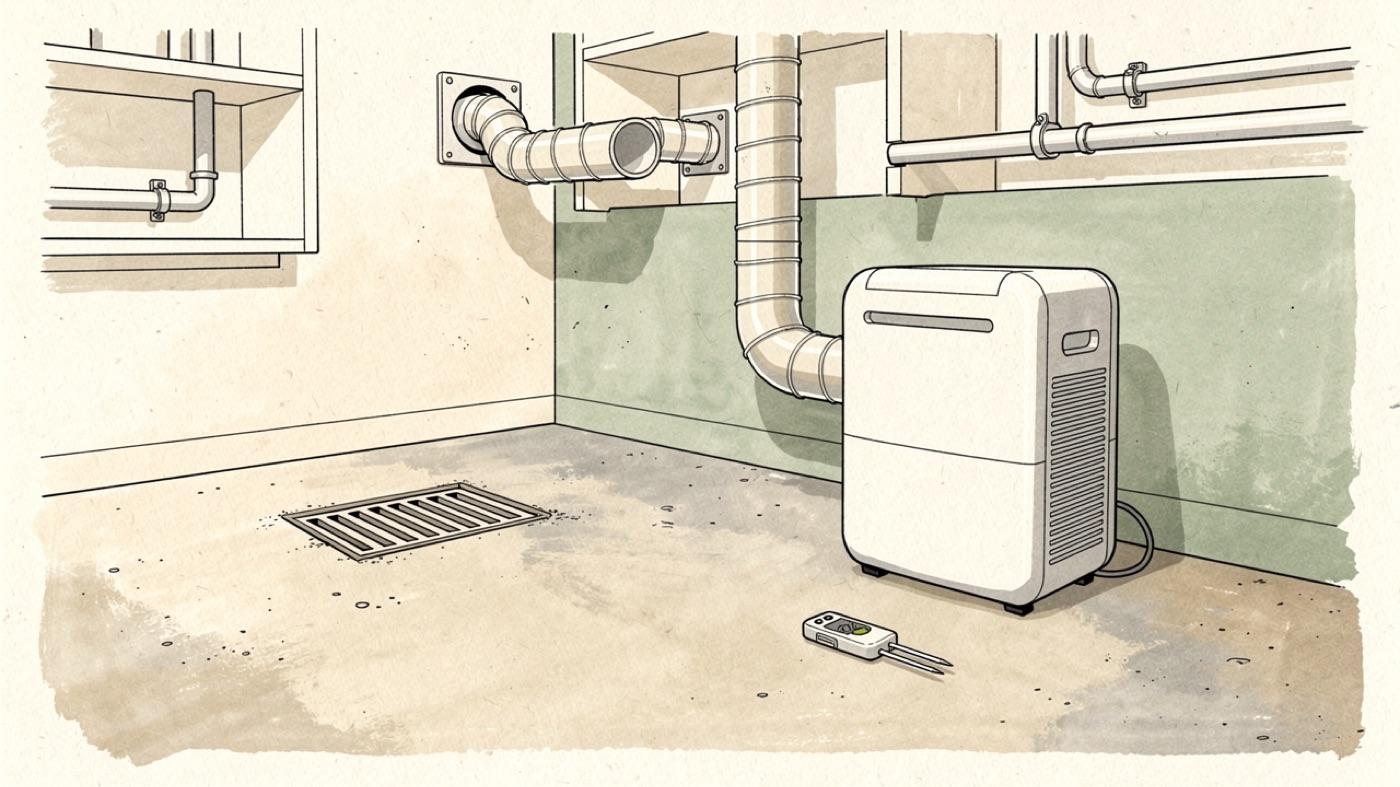
- Dry spills quickly and thoroughly when they happen
- Inspect and maintain plumbing fixtures throughout the house on a schedule
- Check the roof and foundation for weak points, wet spots, standing water or condensation
- Reduce indoor humidity and increase ventilation to stop condensation on surfaces
- Vent moisture-producing rooms to the outside: kitchen, bathrooms and laundry
- Maintain the HVAC system and confirm every drain line actually drains
This is why cleaning matters so much. Dust is food, and damp dust on a cool surface is a starter colony.
Regular cleaning removes the food before water ever finds it. For the humidity side of the job, see how to reduce moisture in your house.
When mold has already grown
Cleaning stops working once mold is inside a material. At that point the job is remediation, not maintenance.
The industry standard is the Institute of Inspection Cleaning and Restoration Certification, the IICRC. Its S520 standard covers mold remediation and its S500 standard covers water damage. The EPA and the New York Department of Health publish guidance as well.
Any remediation plan has to follow the scientific method. It must include containment, controls, cleaning and then clearance testing to protect workers and occupants. We describe how that looks on a real project in our post on the healthy building approach to mold remediation.
Pick materials that are hard to eat, keep them dry, and keep them clean. That is the whole strategy, and it works.