September 14, 2026
By Brian Johnson, Building Biologist and Licensed General Contractor
Air Quality Testing at Home: What Homeowners Need to Know
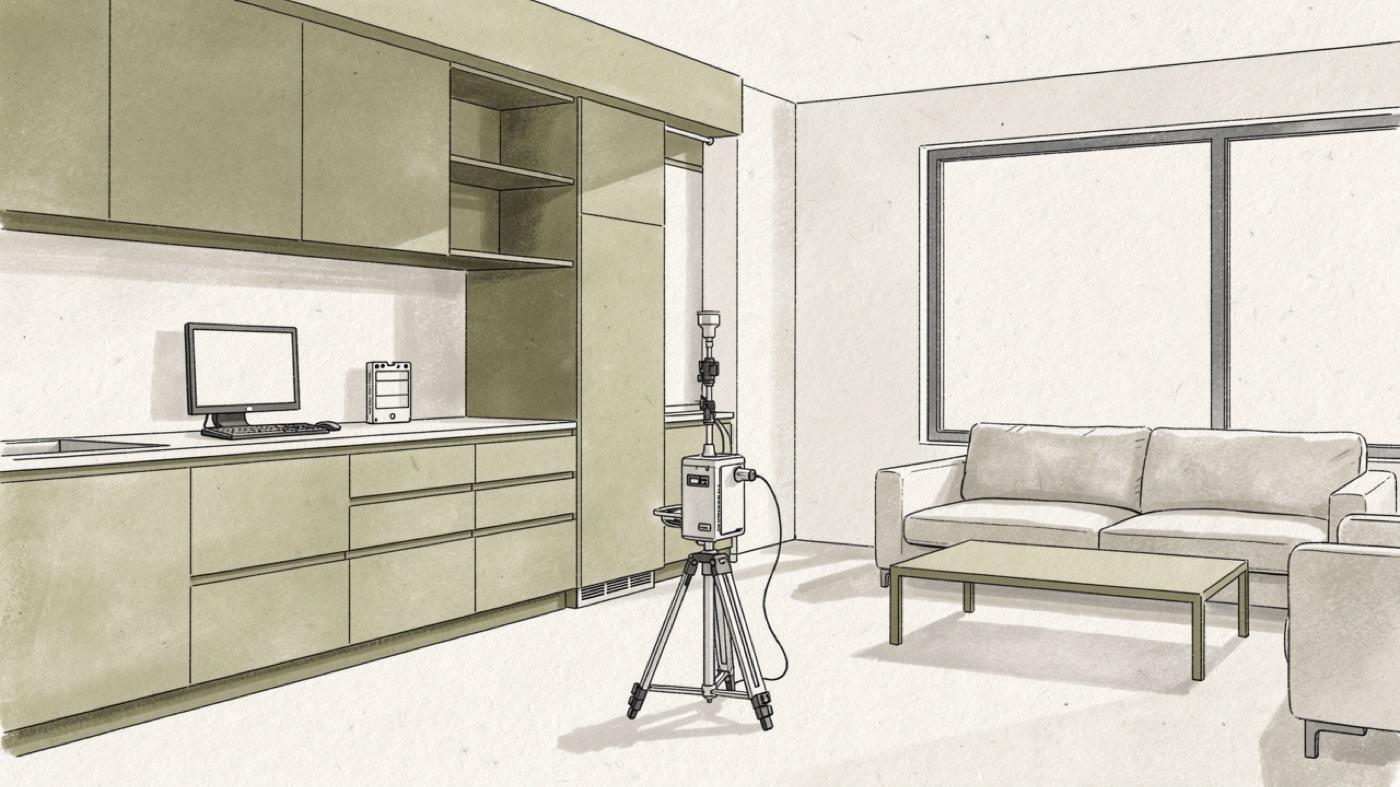
Most homeowners never test the air they breathe indoors. They test the water, they check the smoke alarm, and they assume the air is fine. Air quality testing is how you find out instead of assuming.
The trigger is usually a symptom. Someone in the house has headaches or allergies that get better on vacation. Or there is a smell nobody can place.
Testing turns that suspicion into a number and, done right, into a source you can fix.
What air quality testing looks for
Indoor air quality is the condition of the air inside your home. It is shaped by what the house is made of, what is stored in it, how it is ventilated and what is happening outside. Five pollutants show up most often.
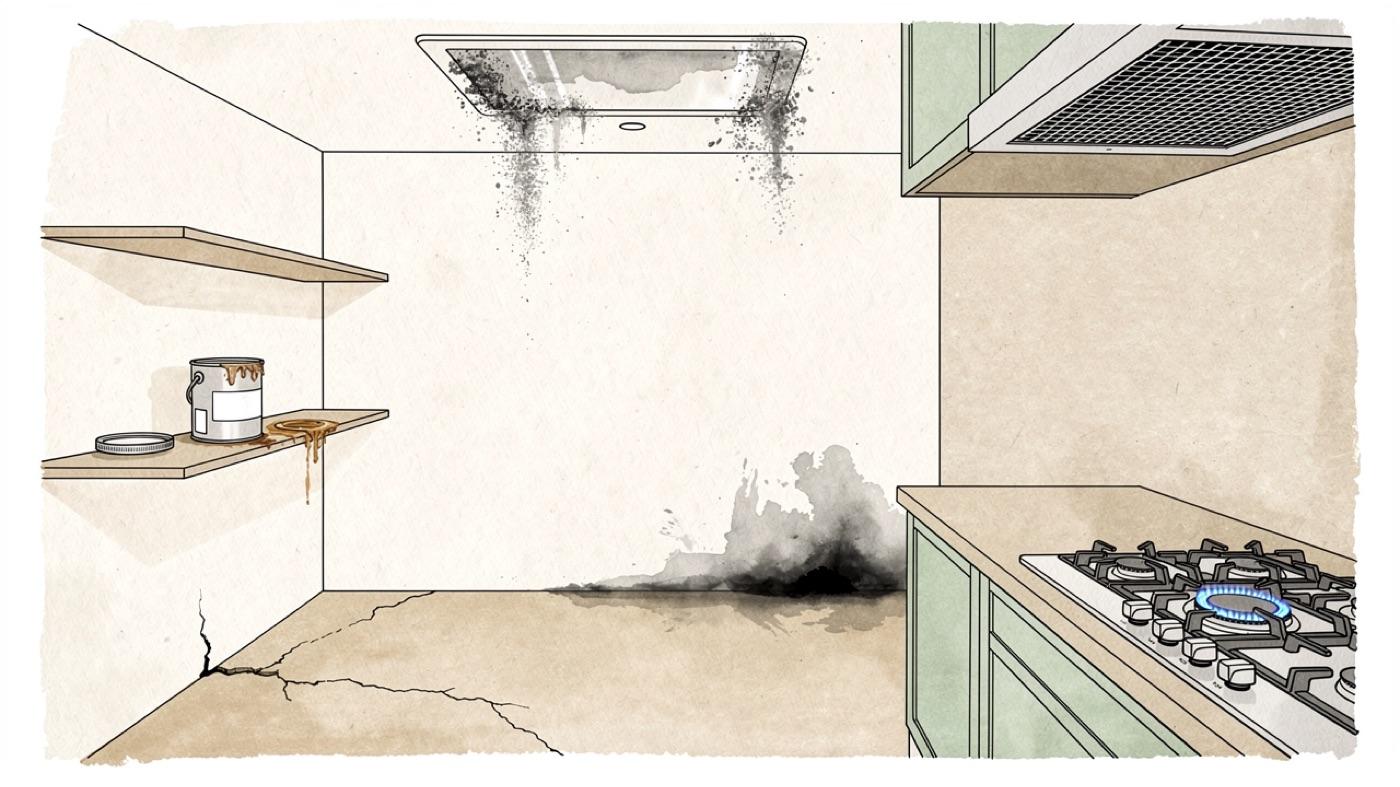
- VOCs, volatile organic compounds, from paint, cleaning supplies, furniture and new finishes. Exposure can cause headaches, dizziness and longer-term effects.
- Mold and mildew, which grow in damp, poorly ventilated areas and trigger allergies and respiratory problems.
- Carbon monoxide, an invisible gas from fuel-burning stoves, furnaces and water heaters that is deadly at high levels.
- Radon, a radioactive gas from the soil that seeps in through the foundation and raises lung cancer risk over time.
- Particulate matter, fine particles from smoke, dust and pet dander that irritate the lungs and worsen asthma.
Each of these needs a different test. That is the first thing to understand about air quality testing. There is no single test for "the air."
Carbon monoxide is the one on this list you should never wait on a lab for. The U.S. EPA's page on carbon monoxide's impact on indoor air quality calls it an odorless, colorless and toxic gas, and lists headaches, dizziness, nausea and flu-like symptoms that clear up after leaving home among its effects. That is why continuous CO alarms matter more than a one-time test. Our article on carbon monoxide sources in modern homes shows where it comes from.
Signs you need a test
Symptoms that follow the house
Persistent allergies, coughing, sinus trouble or unexplained headaches that improve when you leave are the classic sign. So is a musty odor or visible mold.
Do not wait on visible mold. Test and find the moisture behind it.
A new home or a fresh renovation
New materials, paint, cabinetry and flooring release chemicals for months. If you moved in recently or just finished a remodel, a VOC and formaldehyde test tells you whether the house has settled or still needs ventilation.
Someone sensitive lives there
Children, older adults and anyone with asthma, allergies or chemical sensitivity feel poor air first. For those households, testing is preventive, not reactive.
DIY kits versus professional air quality testing
What a DIY test can do
Home kits and consumer monitors are a cheap first look. A plug-in monitor will show you CO2, humidity and a total VOC trend. A radon test kit mailed to a lab gives a real radon number.
You can't see or smell radon. Testing is the only way to know your level of exposure.
EPA's position is that all homes should be tested for radon. Our guide to radon testing and mitigation explains short-term and long-term tests and what to do with the result.
These are useful for spotting a problem and for watching it over time.
Where they fall short
A settling plate for mold tells you spores exist, which is true of every house on earth. A TVOC sensor cannot say which chemical it is seeing. Neither one tells you where the problem is coming from, and that is the only question that leads to a fix.
What a professional adds
A certified IAQ inspection uses calibrated instruments and laboratory analysis. Air and surface samples go to an accredited lab that identifies species and concentrations. The inspector also reads the building, checking moisture, pressure, ventilation and the HVAC system, so the number comes with a cause.
That building-reading part is what our healthy home inspection is built around. A lab result without a source is just a worry with a decimal point.
What to expect during a professional IAQ inspection
The visit starts with an interview about symptoms, history and recent changes. Then the inspector walks the house with instruments and looks at the places air problems start, including the attic, the crawl space, the mechanical room and the plumbing.
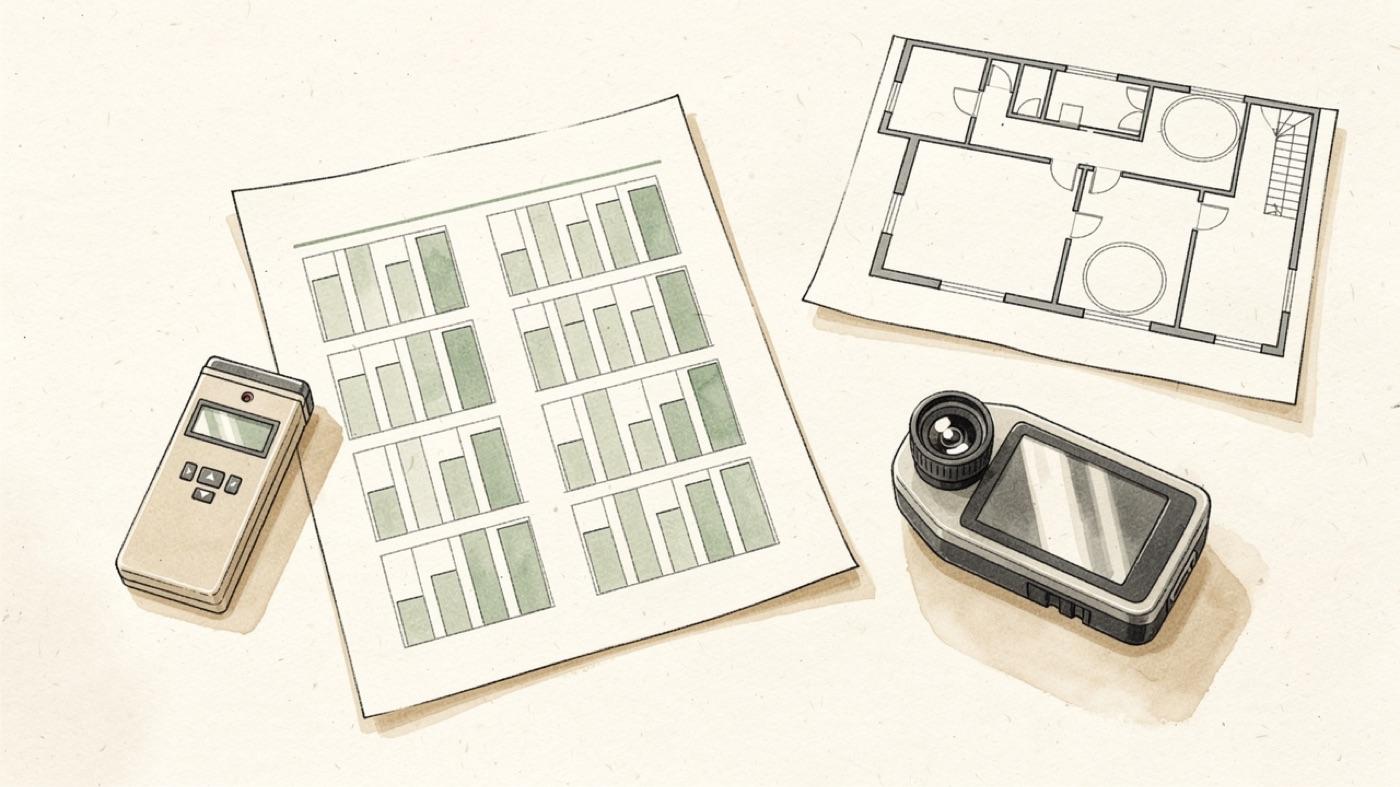
Sampling follows. Depending on the concern that can mean spore traps for mold, sorbent tubes for VOCs, a continuous radon monitor, combustion gas readings and particle counts. Samples are labeled, chain-of-custody is kept and results come back from the lab in days.
Reading the results
A good report explains each finding in plain language, ranks the risks and recommends specific measures. Ask what the number means for your family, what caused it and what to fix first. If the answer is a product pitch instead of a source, get a second opinion.
Fixing what the test finds
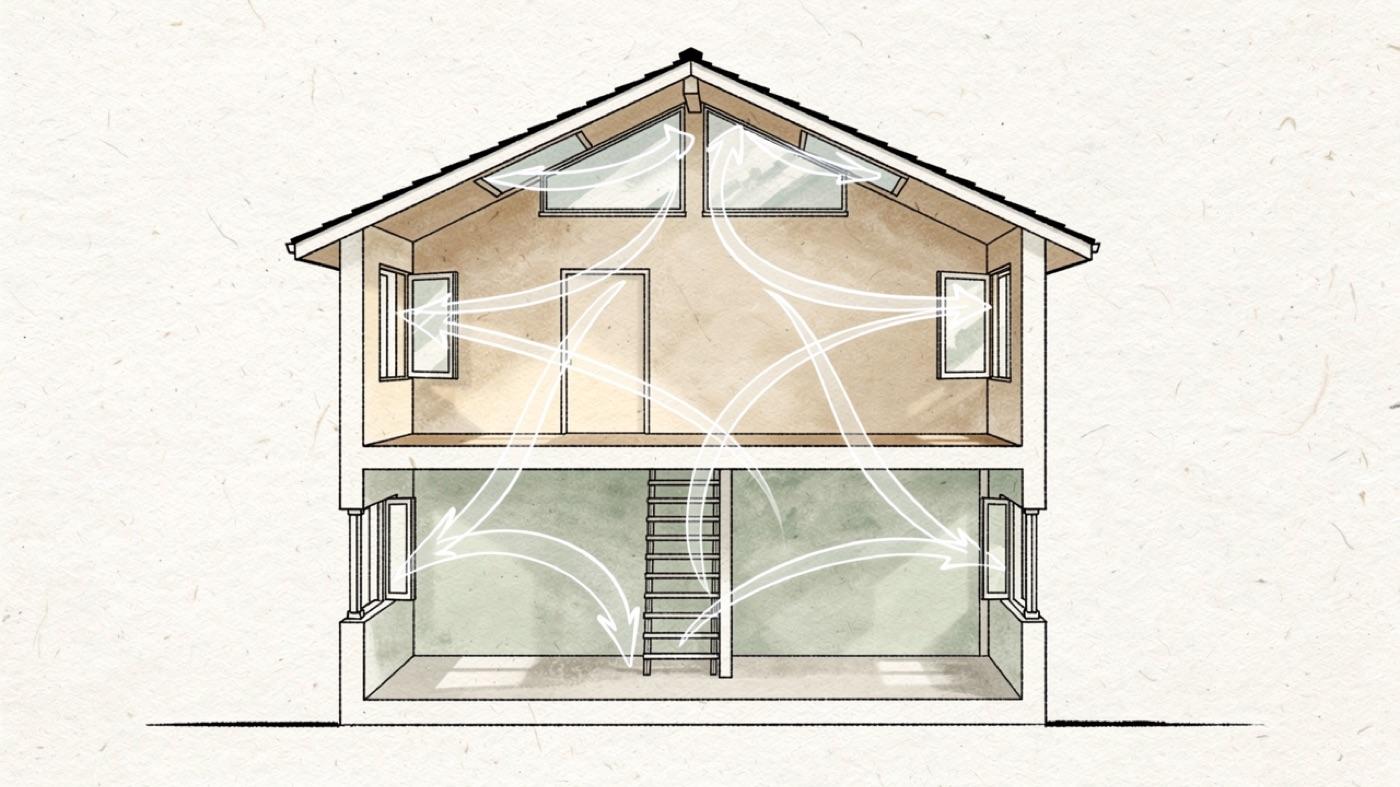
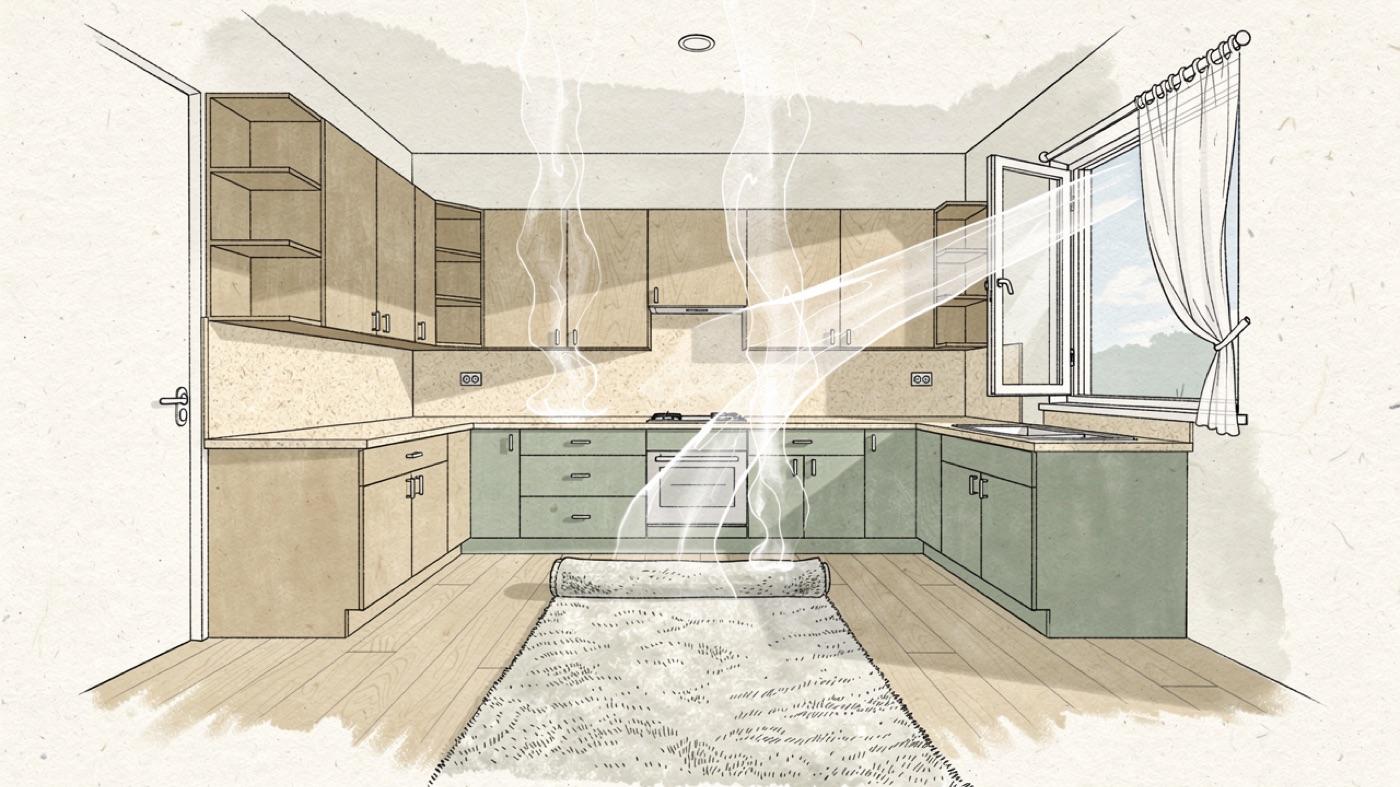
Most improvements are not exotic. Increase ventilation, especially in bedrooms and bathrooms. Remove or seal the source, whether that is a leaking window, an unvented gas appliance or a pile of stored solvents.
Filter what remains with a properly sized purifier.
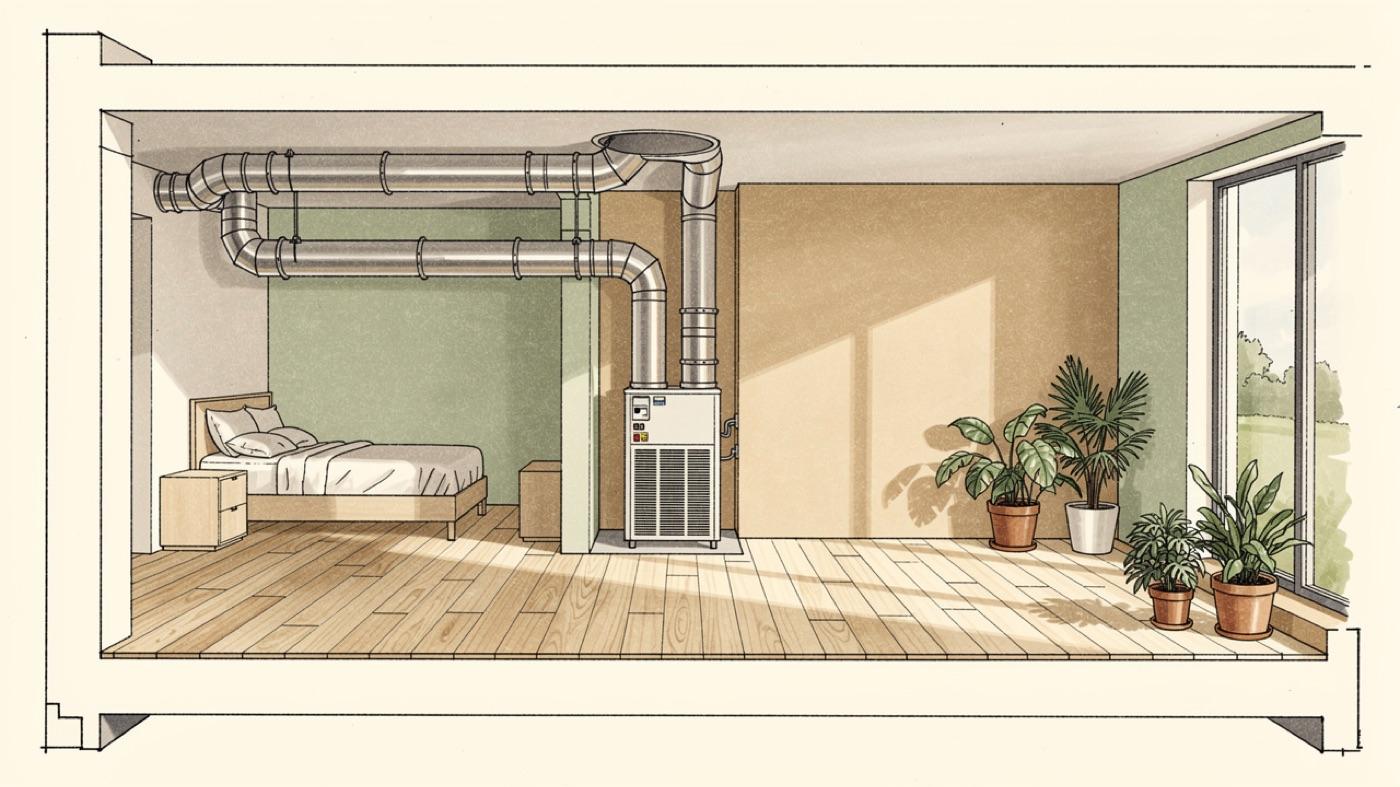
If problems persist after those steps, the cause is in the building itself. That is when a building science look at ventilation and climate control pays for itself.
Keep monitoring
Conditions change with seasons, occupancy and new purchases. A continuous monitor after the professional test lets you see whether the fixes held. Our indoor air quality monitor guide covers what to buy and where to put it.
Choosing a testing service
Look for certifications, years in the field and customer feedback. Ask what instruments they use and which laboratory analyzes their samples. Ask whether they inspect the building or only pull samples.
SENERGY360 is run by a licensed general contractor who is also a certified building biologist. That combination matters, because we can find the problem, explain it and build the fix.
A clean test result is only the beginning of a healthy home.